
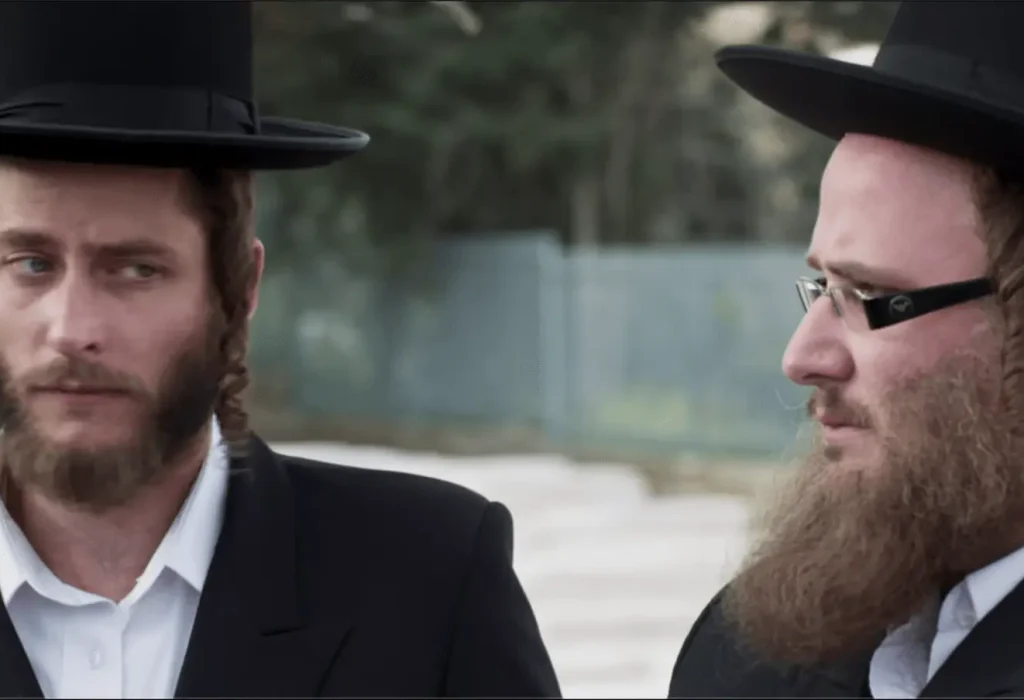
Jewish male hair refers to religious hair practices based on the biblical command not to shave the corners of the head, a rule that led to the tradition of payot, or side hair. In many Orthodox Jewish communities, men do not shave their temple hair. This shows they follow Torah law. It also shows they follow rabbinic teaching.
The meaning of Jewish male hair goes beyond appearance, as it reflects identity, faith, and belonging to the community. While styles vary between ultra orthodox and modern groups, the core rule remains the same.
The sections below explain the legal basis, cultural significance, and variations in practice.
Key Takeaways
- Jewish male hair is based on the biblical rule not to shave the corners of the head, which led to the tradition of payot and visible side hair in many Orthodox Jewish communities.
- The practice varies by group, with ultra-Orthodox and hasidic jew hair customs often keeping longer payot, while modern Orthodox men may maintain shorter styles that still follow the same laws.
- The rule applies only to men, while jewish women follow separate modesty practices, including the choice to cover their hair after marriage under orthodox Judaism.
- In medical contexts, temple hair restoration must respect religious placement of payot, and physician-led procedures in regulated settings such as Greece and Israel often provide structured oversight and follow-up care.
What Are the Jewish Rules for Men’s Hair?
The rule comes from Leviticus 19:27. It says men should not shave the corners of the head. Rabbis explained that this applies to the temple area. The law does not forbid haircuts. It only limits how certain areas are shaved.
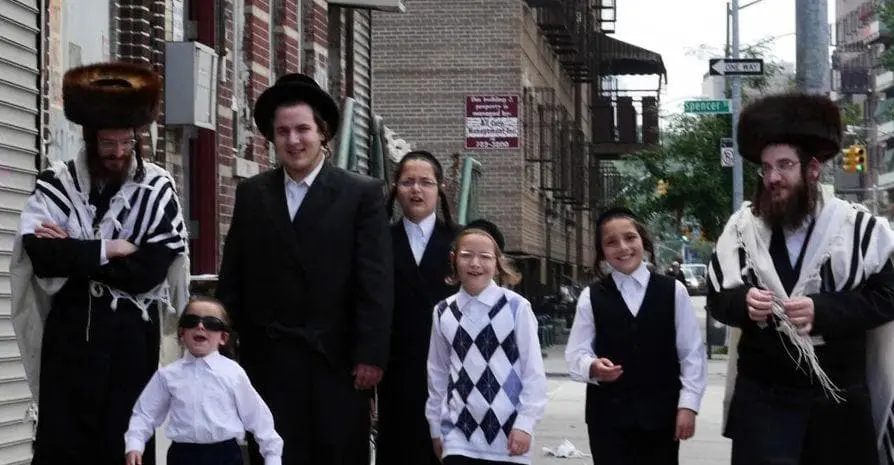
These rules apply only to men. They do not regulate women’s hair. In orthodox Judaism, women may cover their hair after marriage, but the shaving rule does not apply to them.
Main points of the rule:
- Do not fully shave the temple area
- Avoid razor removal in that zone
- Hair may be trimmed but not removed completely
Different groups interpret the rule in slightly different ways. For a broader explanation of background and texture variation, see Jewish hair.
Leviticus and the Corners of Hair
The Hebrew word “pe’ot” means corners. This refers to the hair at the sides of the head. Rabbinic scholars debated how much hair must remain. Over time, communities developed clear customs.
Some orthodox men’s haircuts leave long side sections. Others keep them short but visible. The key is not shaving them completely.
Rabbinic Law on Jewish Orthodox Hair
Rabbinic law explains how to trim or cut hair properly. Some authorities allow electric clippers. Others prefer scissors. The focus is on method, not length.
Jewish orthodox hair customs vary because rabbinic opinions vary. Ultra orthodox communities often follow stricter interpretations. Modern orthodox groups may follow the same rule with less visible expression.
Why Do Jewish Men Have Curls and Payot?
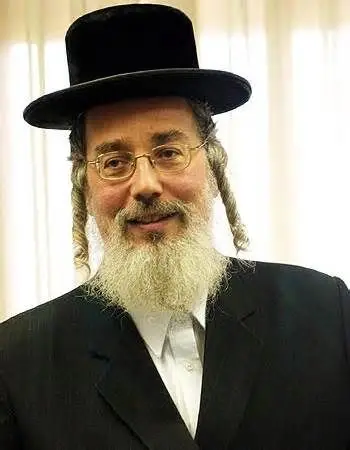
Payot hair often grows long and may curl naturally. This is why many Jewish people with curls are seen in Hasidic communities. The curls are not required. They form because the hair is not shaved.
Hasidic jew hair customs tend to keep payot longer. Other communities keep them shorter. Both follow the same biblical base.
Common payot styles include:
- Long curls hanging near the ear
- Short curls tucked behind the ear
- Straight side hair kept unshaved
Not all Jewish men have visible curls. Hair texture and personal custom both play a role. Texture diversity is further explained in curly hair transplant.
Jewish Male Hair Curls Explained
Hair type affects curl shape. Some men have natural hair that curls easily. Others have straighter hair. The religious rule focuses on not shaving, not on the curl shape.
Jewish male hair curls are cultural markers in some groups. They show religious commitment in visible form.
Hasidic Jew Hair Traditions
Hasidic jews often keep longer payot. This helps identify their group. Different Hasidic communities have different customs.
For example:
- Some allow very long curls
- Some keep medium length
- Some tuck curls behind the ear
The law is the same. The visible result differs.
What Is the Significance of Jewish Male Hair?
Jewish male hair has symbolic meaning. It shows obedience to religious law. For devout jews, it reflects faith and identity.
In orthodox Judaism, appearance often reflects belief. Orthodox women cover their hair after marriage. Men wear payot as part of their observance.
This practice connects modern Jewish men to past generations.
Ultra-Orthodox vs Modern Orthodox Customs
Ultra orthodox communities usually keep more visible payot. Modern orthodox men may keep shorter ones. Both follow the same Torah rule.
The difference lies in social custom. Jewish hairstyles adapt to the environment while keeping core rules intact.
Jewish Male Hair Styles and Grooming
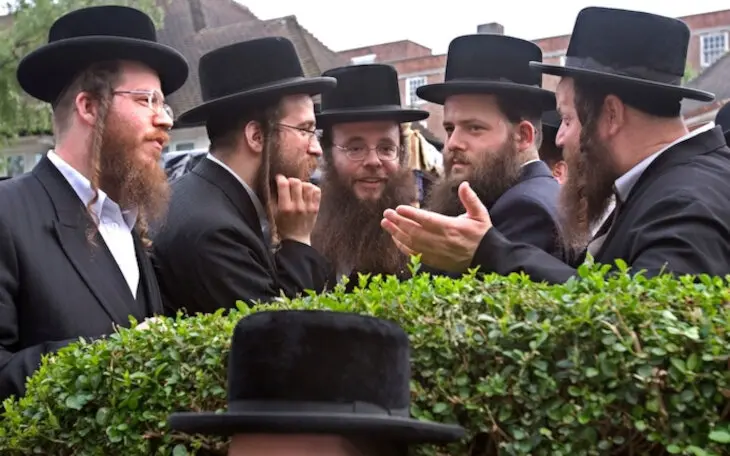
Jewish male hairstyles vary today. The law only controls the temple area. The rest of the haircut is flexible.
Men may choose:
- Short professional cuts
- Medium traditional styles
- Longer community-based styles
The key rule is to avoid shaving the corners.
Many orthodox men’s grooming choices balance religious law and modern life.
Hair and Head Covering Traditions
Many Orthodox Jewish men wear hats or kippot. This practice is separate from payot law. It developed through custom, not direct biblical command.
A head covering shows humility before God. It does not replace hair rules.
Why Jewish Men Wear Hats
Hats are common in ultra-orthodox communities. Black hats are often worn during prayer or public life. Some men wear them daily. Others wear them only during services.
Hair rules and hats are different practices. They often appear together but have different origins.
Jewish Boy Hair and the First Cut
Jewish boy hair traditions include the Upsherin. Boys receive their first haircut at age three in many Hasidic communities. Until then, they do not trim or cut their hair.
This custom explains why jewish boy hair curls are often seen in young children.
Why Boys Wait Until Three
The age-three haircut marks the start of formal religious learning. It is symbolic, not medical. The ceremony celebrates growth and education.
Payot are left intact during the haircut.
Upsherin Ceremony Explained
During the Upsherin, family members cut small portions of hair. Blessings are recited. The boy begins wearing tzitzit and studying Torah.
The ritual strengthens identity and community connection.
Clinical Perspective on Hair Restoration
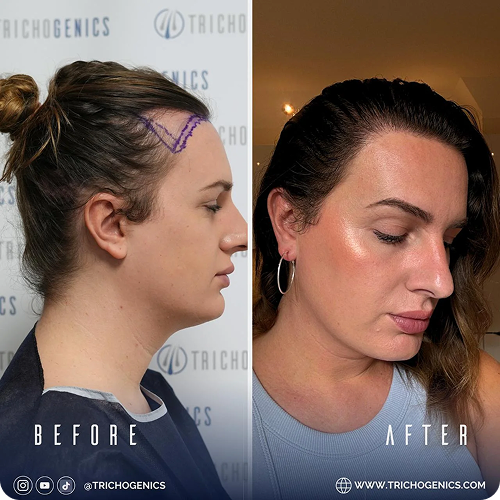
Religious hair customs differ from medical hair loss. Some Jewish men seek treatment for thinning near the temple area. In these cases, doctors must preserve payot placement.
Modern hair restoration techniques include:
- FUE – Follicular Unit Extraction
- DHI – Direct Hair Implantation
- Choi pen implantation
- Sapphire FUE
In Greece, a physician-performed FUE procedure for 2,500 grafts often costs USD 3,500 – 6,000. This usually includes anesthesia, operating room use, physician fees, and follow-up care.
In Turkey, high-volume clinics may advertise USD 1,800 – 2,800, but procedures are often technician-led with limited doctor supervision.
Why Choose Trichogenics?
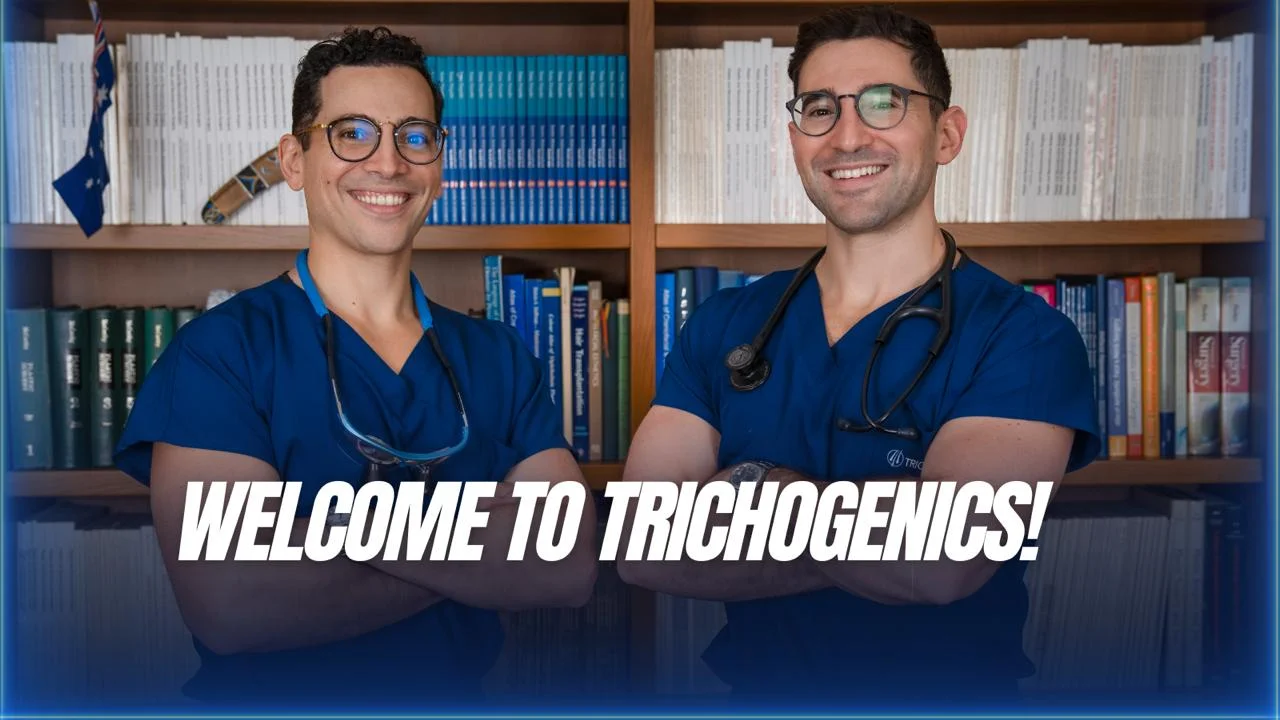
All procedures are performed only by doctors
The uniqueness of Trichogenics lies in its strict medical process; only certified doctors perform every transplant. No technicians or unqualified assistants are involved. Choosing a clinic with proven experience in hair transplants can make all the difference.
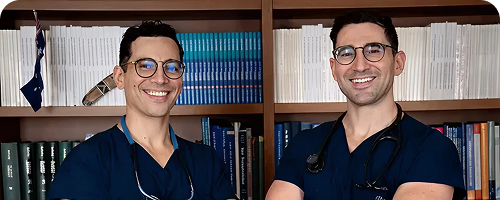
Meet Dr. Asi and Dr. Eric Peretz
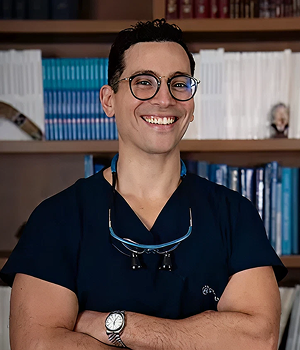
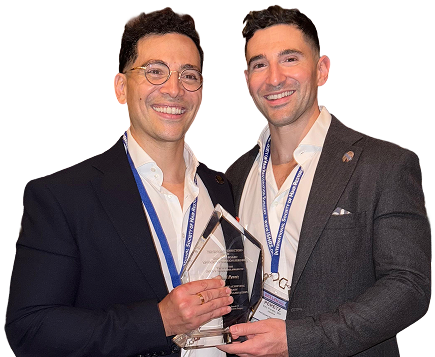
The two doctors leading Trichogenics, Dr. Asi Peretz and Dr. Eric Peretz, are recognized leaders in the field. Their extensive experience, attention to detail, and focus on natural results make Trichogenics the best choice.
Contact Trichogenics today to schedule a personal consultation and get a clear, doctor-led plan for your hair restoration.