
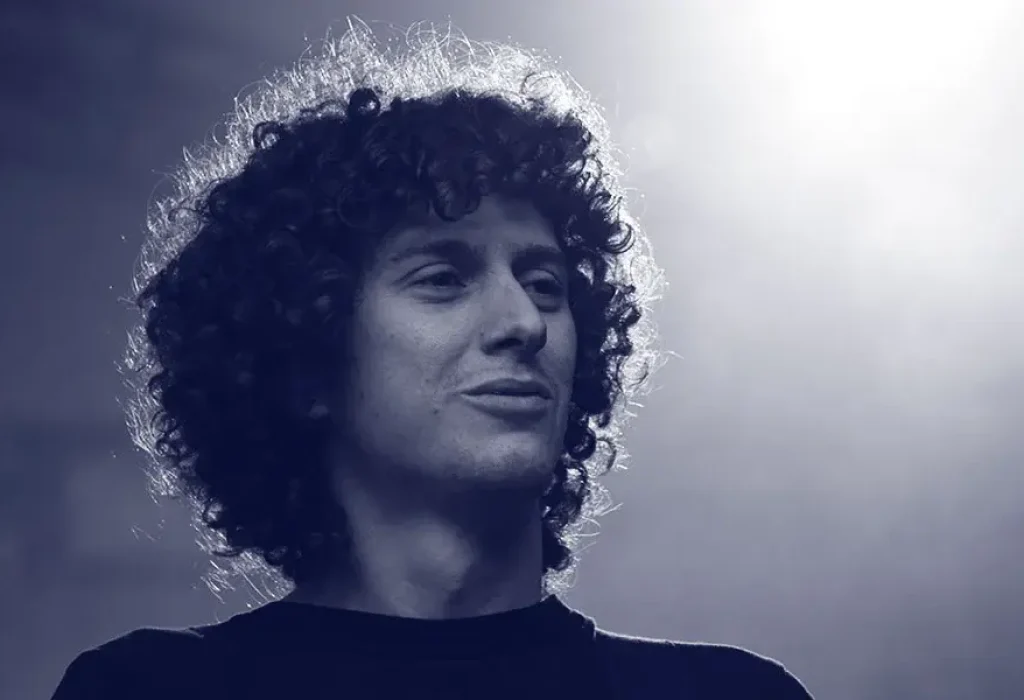
Jewish afro hair refers to a naturally dense, tightly curled hair pattern that forms a rounded shape, often called a jewfro. This texture comes from curved hair follicles that produce spiral strands rather than straight ones.
Common haircuts focus on maintaining balance and volume, while jewfro hairstyles range from classic rounded cuts to modern tapered styles. Many people with Jewish afro hair choose to enhance their natural curls instead of straightening them.
The sections below explain texture differences, styling options, and care methods in more detail.
Key Takeaways
- Jewish afro hair forms from curved follicles that produce tight curls, creating natural volume and a rounded shape often called a jewfro haircut.
- Jewfro hairstyles range from classic rounded cuts to modern tapered styles, and proper moisture care helps maintain healthy Jewish hair and reduce frizz.
- Texture behavior, such as shrinkage and volume changes, explains why curls may look shorter when dry, and this pattern remains even after heat styling or straightening.
- For individuals considering hair restoration, curly graft extraction requires precise angulation and physician oversight, especially in regulated settings such as Greece or Israel, rather than high-volume clinics abroad.
What Is a Jewish Afro?
Jewish Afro Hair Definition
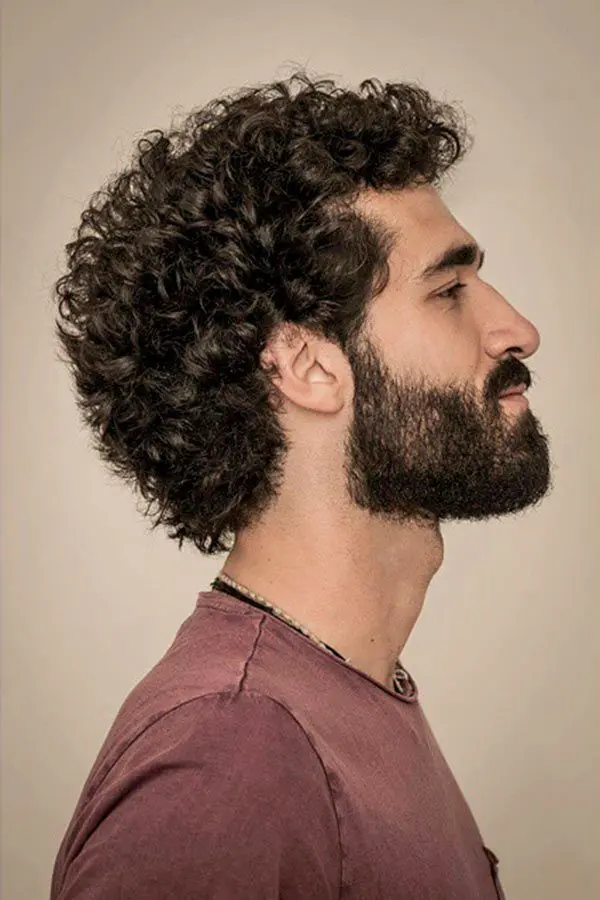
A Jewish afro describes dense, tight curls that grow outward. The term jewfro haircut is informal. It refers to the rounded shape created by natural curls. Many people feel proud of this look and say, “I love my hair.”
Jewish afro hair is different from straight hair. The hair grows from curved follicles under the skin. Curved follicles create spiral strands. This is why curls form.
Texture diversity within Jewish communities is explained further in Jewish hair.
Jewish Black Hair Texture
Jewish black hair often looks dark, thick, and dense. Density means how many hairs grow in one area. Some people have 90 to 100 follicular units per square centimeter in the donor area. High density creates strong volume.
Not all Jewish women have the same curl type. Some Jewish girls have loose curls. Others have tighter coils. Genes decide curl shape.
Why Jewfro Hair Forms
Hair shape depends on the follicle under the skin. A curved follicle makes curly hair. A straight follicle makes straight hair. This is a biological fact.
Hair growing speed does not change much between curl types. But curly strands shrink as they dry. This makes them look shorter than they are.
Jewfro vs Afro: Key Differences
Curl Pattern and Density
Jewfro vs afro comparisons focus on curl size and shape. Afro textures often have tighter coils. Jewfro hair may show spiral curls with slight variation. Both come from curved follicles.
Density and strand thickness may differ. These factors affect styling. They also matter in hair restoration planning, especially when evaluating hair transplant density.
Cultural Context
The Jewfro haircut became visible in the 1960s and 1970s. Bob Dylan wore natural curls during that time. His look influenced public style trends.
Hair identity is personal. It can also be cultural. Words like anti-semitic appear in social discussions, but hairstyle choice is about self-expression.
Texture Variations and Styling Behavior
Jewish Afro Hair Straight vs Curly
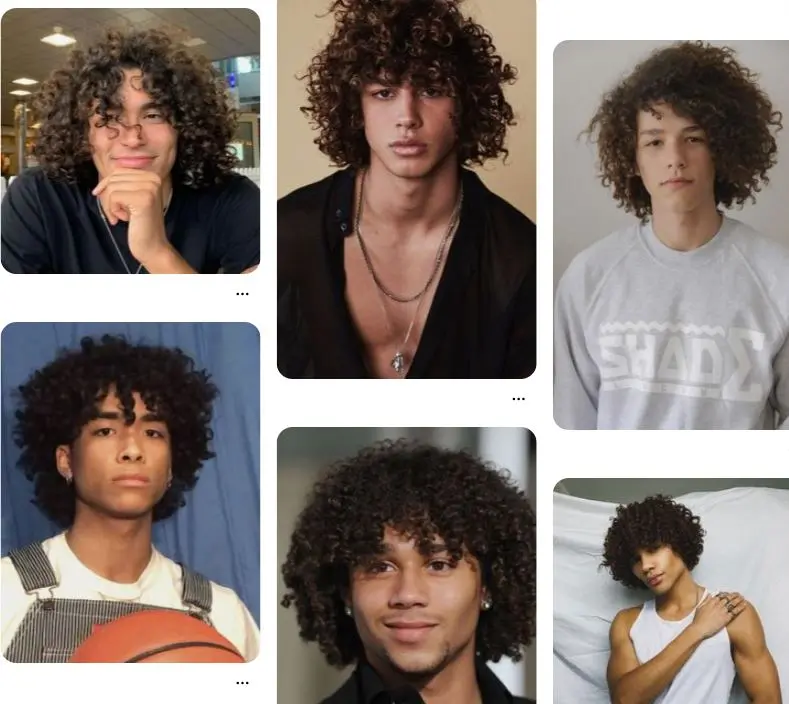
Jewish afro hair straight styles are temporary. A blow-dry with heat can stretch curls. Some people try straightening her hair with flat irons. The curl returns after washing.
Heat changes hair bonds for a short time. It does not change the follicle. The curl pattern stays the same.
Shrinkage and Volume Explained
Shrinkage means curls pull upward as they dry. A strand may be 10 centimeters long when stretched. It may look 6 centimeters long when dry. This is normal for curly hair.
Volume increases because strands cluster together. On a good hair day, curls look balanced. On humid days, volume may increase.
Can Jews Have Dreadlocks?
Yes, if the hair texture allows locking. Jewfro hair can form dreadlocks because tight curls interlock. Texture and care routine affect how fast locks form.
Straight hair does not lock easily. Curl pattern makes the difference.
Jewish Afro Haircut and Jewfro Hairstyles
Classic Jewish Afro Haircut
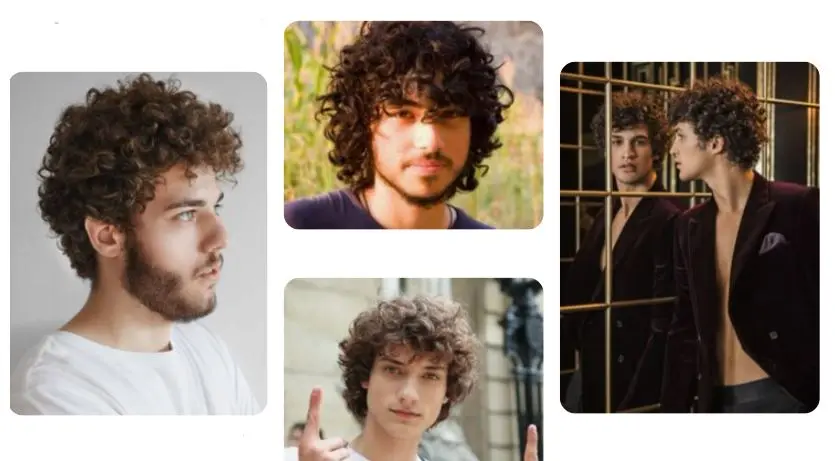
A classic Jewish afro haircut keeps a rounded shape. The barber trims evenly around the head. Length may range from 3 to 8 centimeters.
Most people trim every 4 to 6 weeks. This keeps the shape balanced.
Modern Jewfro Hairstyles
Modern jewfro hairstyles add fades or layers. Some styles keep volume on top and taper the sides. Others add layering for movement.
Common options include:
- Low fade with natural curls
- Rounded layered cut
- Tapered sides with a defined top
Each style fits face shape and density.
Jew Fro Girl Style Ideas
A jew fro girl style often uses soft layers. Many Jewish women prefer shoulder-length curls. Products help define curls without stiffness.
Common styling steps include:
- Gentle blow dry with diffuser
- Curl cream for shape
- Light oil for shine
These steps protect the curl pattern.
Famous Jewfro Hair Examples
Bob Dylan and Cultural Impact
Bob Dylan showed natural curls during his early career. His look made the jewfro hair more visible. It became part of music culture.
Modern Public Figures
Some public figures, including Sarah Jessica Parker in certain roles, have shown textured hairstyles. Media visibility supports acceptance. Representation matters.
How to Care for Jewfro Hair
Moisture and Curl Definition
Curly hair dries out faster than straight hair. Natural oil does not spread easily along curls. Moisture keeps strands flexible.
Basic care includes:
- Mild shampoo
- Leave-in conditioner
- Air dry or low-heat blow dry
Hydration reduces breakage.
Managing Frizz and Volume
Frizz happens when the outer layer lifts. Humidity makes it worse. Light oils can help seal moisture.
Regular trims protect ends. Healthy hair care supports steady hair growth and reduces split ends.
Hair Transplants for Curly Hair
Curly Graft Survival
Curly follicles curve under the skin. FUE extraction must follow the curl angle to avoid damage. In Greece, a physician-performed FUE for 2,500 grafts often costs USD 3,500 to 6,000. This usually includes anesthesia and follow-up visits.
In Turkey, prices may range from USD 1,800 to 2,800. In some clinics, technicians perform much of the work. High patient numbers per day may reduce supervision time.
Natural Hairline Design
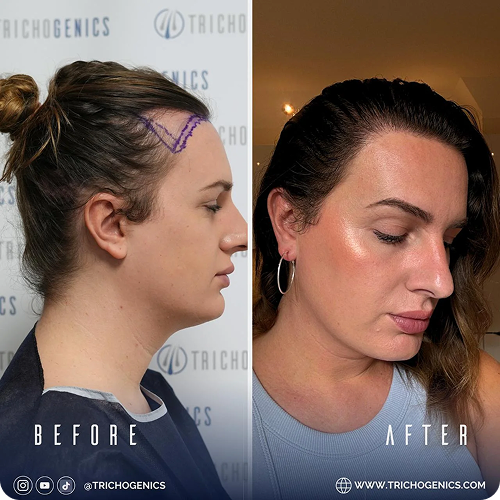
Curly grafts create visual density with fewer grafts. In patients needing 2,500 grafts, correct angle placement is key. Poor angle control can lead to unnatural direction.
DHI with a Choi pen allows direct implantation. Both FUE and DHI are widely accepted methods. Precision reduces the risk of overharvesting.
Doctor-Performed Precision Surgery
Doctor-led procedures take place in licensed medical clinics. Certified operating rooms follow safety rules. Structured follow-up may last 6 to 12 months. Growth stages are outlined in hair transplant phases.
Patients should check:
- Who performs the extraction
- How many patients are treated daily
- Whether follow-up is included
- Whether the physician is licensed
Greece and Israel maintain regulated medical systems. When choosing a country, patients should consider training, supervision, and safety standards before price alone.
Why Choose Trichogenics?
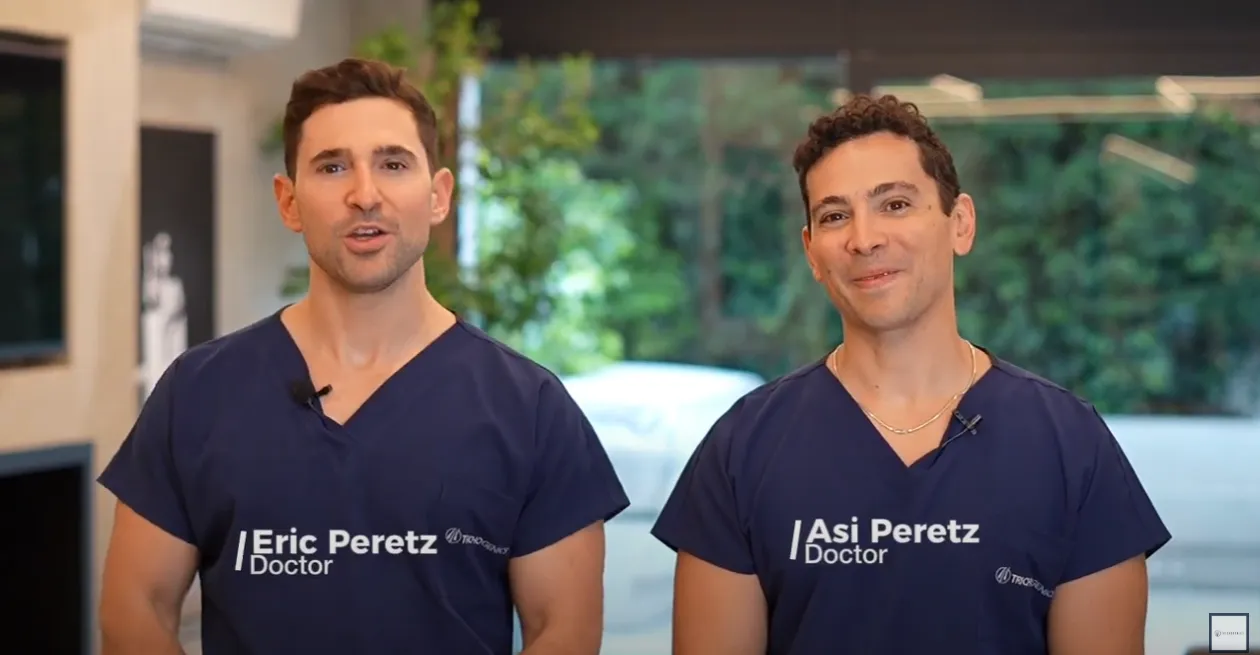
All procedures are performed only by doctors
The uniqueness of Trichogenics lies in its strict medical process; only certified doctors perform every transplant. No technicians or unqualified assistants are involved. Choosing a clinic with proven experience in hair transplants can make all the difference.
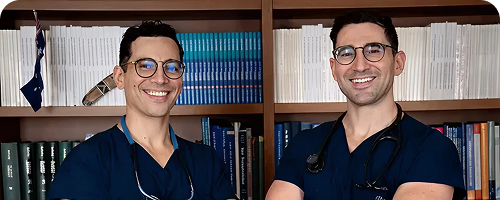
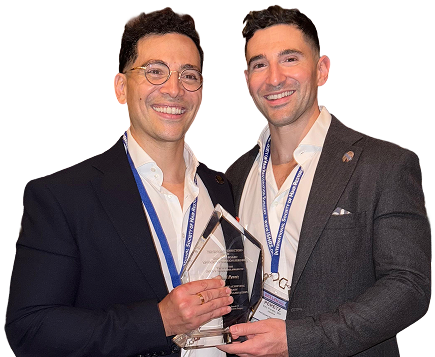
Meet Dr. Asi and Dr. Eric Peretz
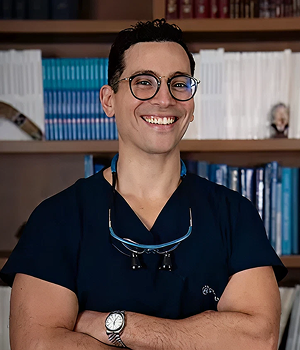
The two doctors leading Trichogenics, Dr. Asi Peretz and Dr. Eric Peretz, are recognized leaders in the field. Their extensive experience, attention to detail, and focus on natural results make Trichogenics the best choice.
Contact Trichogenics today to schedule a personal consultation and get a clear, doctor-led plan for your hair restoration.