
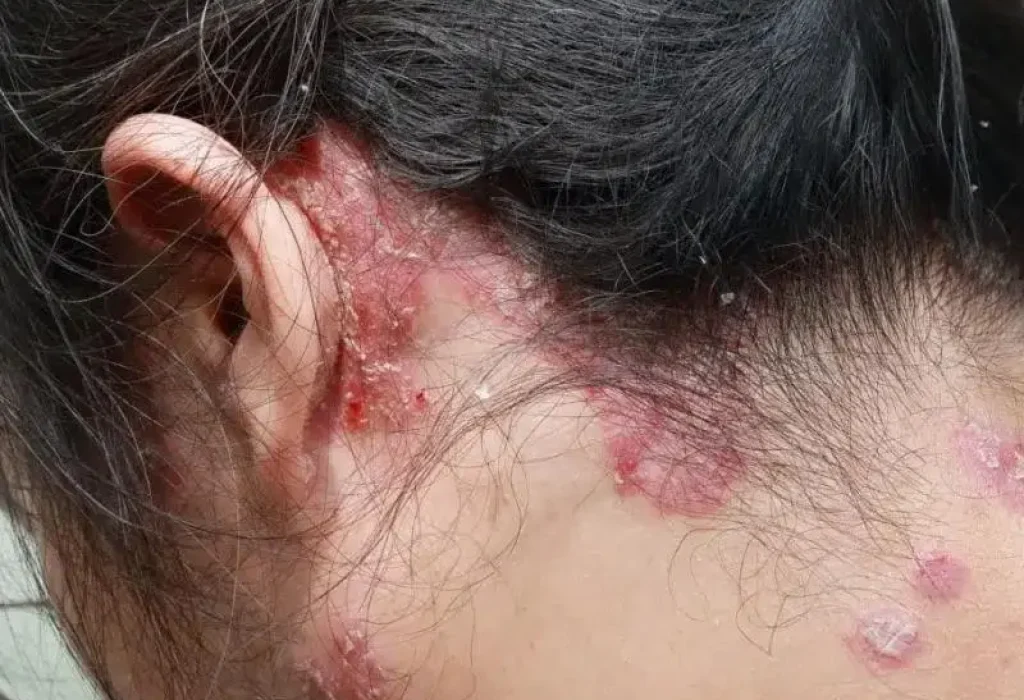
Common symptoms include red patches, thick scales, itching, and visible flaking on the scalp, which can weaken hair at the root. This irritation may push hair into a resting phase, leading to increased shedding known as telogen effluvium.
The good news is that regrowth is usually possible once inflammation is controlled and the skin heals. Understanding these causes helps guide proper treatment and prevents unnecessary concern about permanent loss.
Dr. Asi Peretz and Dr. Eric Peretz, founders of Trichogenics, highlight that understanding this process helps guide proper management.
Key Takeaways
- Psoriasis can lead to hair thinning by disrupting the hair growth cycle through inflammation and irritation, but it does not usually cause permanent damage to hair follicles.
- Hair shedding is often triggered by scratching, plaque buildup, and improper use of treatments rather than by direct follicle damage.
- Most cases are temporary, and regrowth occurs once inflammation is controlled and the skin improves.
- Treatment focuses on reducing inflammation with topical treatment, medicated shampoo, and light therapy.
- Accurate diagnosis is important, as conditions like telogen effluvium may present differently and require a different treatment option.
Why Psoriasis Affects the Hair Growth Cycle
Psoriasis is an autoimmune condition that causes skin cells to grow too quickly. This rapid turnover leads to plaque psoriasis and inflammation around hair follicles. In many cases of psoriasis scalp hair loss, the irritation can push hair into a resting phase known as telogen effluvium.
This shift in the hair growth cycle increases shedding and can lead to hair loss. Some individuals may also notice shedding linked to medications, as explained in this guide on which medications can affect hair growth.
Hair thinning occurs due to the disruption, not the destruction, of follicles. Once inflammation improves, the cycle can return to normal.
Is Hair Loss Due to Psoriasis Permanent?
Shedding from psoriasis is usually temporary. The follicles remain intact, which allows regrowth once the skin heals. Most individuals see improvement after inflammation is reduced.
Permanent thinning is uncommon and often linked to repeated trauma. If someone continues to scratch or pick, this can increase damage. Avoid scratching to reduce long-term risk.
How Psoriasis Causes Hair Loss
This condition is chronic and creates inflammation on the head. Inflammation disrupts normal hair function and weakens the environment needed for growth. The result is increased shedding rather than complete balding.
Inflammation and Hair Follicles
The immune response causes redness, scaling, and irritation. This affects nearby follicles and alters their normal cycle. Hair may enter a resting phase earlier than expected.
This process leads to shedding. Managing inflammation helps restore balance and supports regrowth. A broader look at additional causes is available in this overview of common factors that affect hair growth.
Scratching and Mechanical Damage
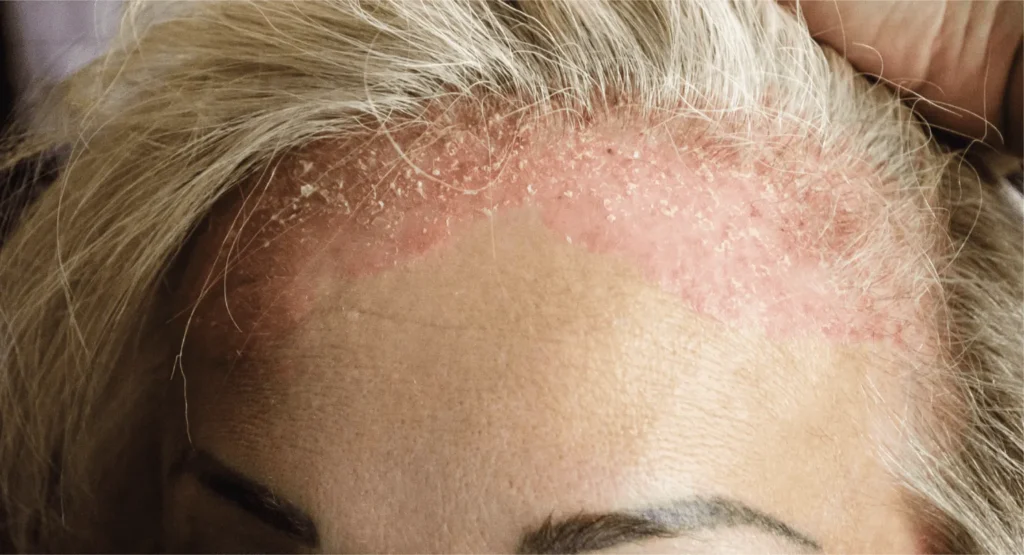
Itching often leads people to scratch or pick at affected areas. This mechanical damage weakens the hair shaft and can dislodge hairs. Repeated irritation increases shedding.
Gentle hair care is essential. Avoid scratching to protect the skin and reduce thinning.
Can Psoriasis Cause Hair Loss on Legs?
Psoriasis can affect the legs, but shedding in this area is less common. Inflammation may cause localized thinning, but the impact is usually mild. Hair often returns once the skin improves.
Treatment should focus on reducing inflammation. Managing skin health remains the priority.
Signs and Diagnosis of Psoriasis Hair Loss
Psoriasis-related shedding often includes visible plaques and increased hair shedding. Recognizing these signs helps guide treatment decisions. Other scalp conditions can present with similar symptoms, as discussed in this article on seborrheic dermatitis and shedding.
How to Tell It Apart From Other Conditions
It should be distinguished from other conditions like telogen effluvium. Each condition has different triggers and treatment needs. Misdiagnosis can delay recovery.
Key differences include:
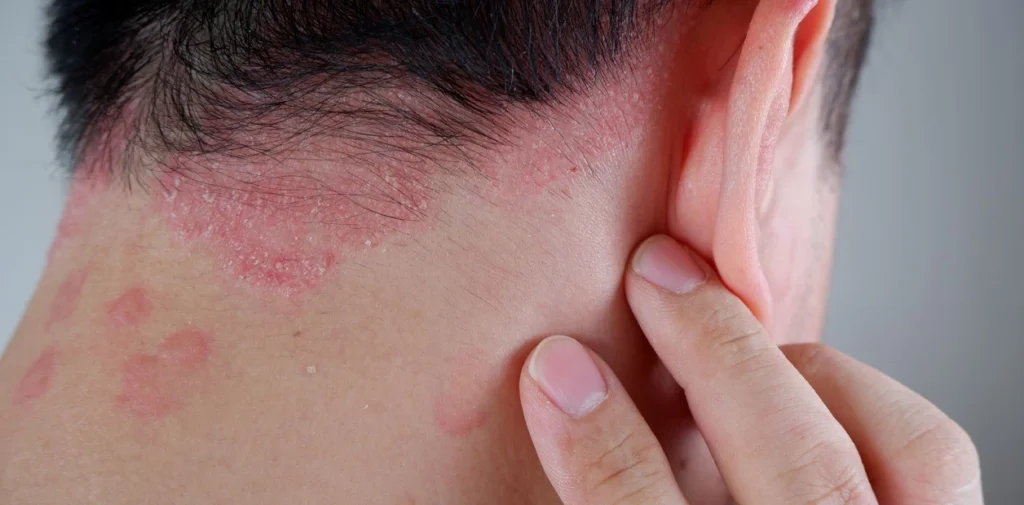
- Psoriasis – plaques, inflammation, itching
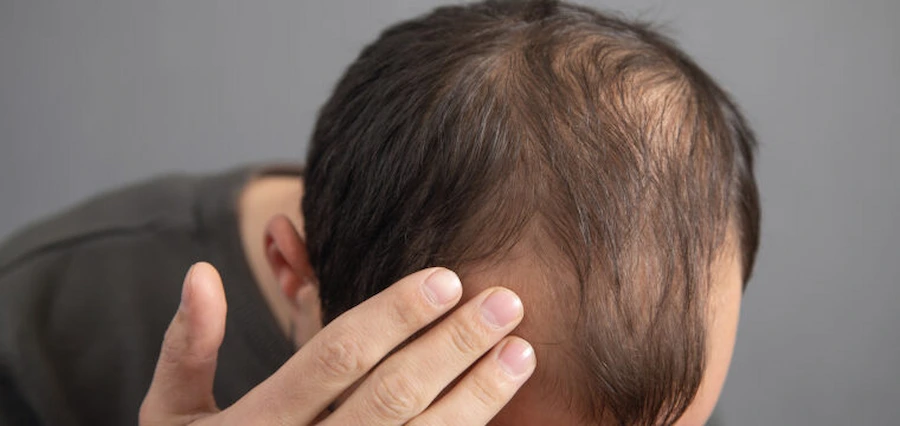
- Telogen effluvium – diffuse shedding without lesions
A proper evaluation ensures the right treatment option is used.
Will Hair Loss From Psoriasis Grow Back?
Regrowth is possible in most cases. Once inflammation is controlled, follicles can resume normal function. Recovery depends on the severity and consistency of care.
Psoriasis Hair Loss Regrowth Timeline
Hair changes often follow a pattern:
- Flare-up phase – inflammation and plaque formation
- Shedding phase – increased hair shedding
- Recovery phase – regrowth as inflammation improves
Most individuals begin to see regrowth within a few months. Consistent treatment improves results.
How to Stop Losing Hair With Psoriasis
Managing shedding requires reducing inflammation and protecting the skin. A combination of treatments and daily habits is often needed.
Treatment for Scalp Psoriasis and Hair Loss
Common psoriasis treatments include:
- Topical treatment, such as topical steroids
- Medicated shampoo to remove scales
- Light therapy to slow skin cell turnover
These approaches target inflammation and improve skin conditions. A tailored treatment option may be required.
Topical steroids reduce inflammation at the skin level. Light therapy slows excessive skin cell growth. A medicated shampoo helps remove buildup and improves comfort.
Treatment choice often depends on symptom severity and how the skin responds over time. Some patients may need adjustments to maintain control.
Should I Wash My Hair More Often With Psoriasis?
Washing frequency depends on the individual. Gentle washing helps remove scales and reduce irritation. Overwashing may dry the skin.
A balanced routine supports skin health. Using mild products helps maintain stability.
When to See a Doctor
Medical evaluation is important if symptoms do not improve. A specialist may adjust treatment based on response. Regular follow-up supports better outcomes.
A dermatologist may assess severity, plaque distribution, and response to prior psoriasis treatments. This helps confirm the diagnosis and select the most appropriate treatment option.
How to Prevent Psoriasis Balding
Prevention focuses on managing triggers and maintaining skin health. Consistent care reduces the risk of repeated shedding.
Daily Scalp Care Habits
- Use gentle hair care products
- Avoid scratching or picking
- Keep the skin clean and moisturized
These habits support a healthier environment for hair growth. Some people also explore natural options as part of their routine, such as those covered in this guide on coconut oil and hair care. Small changes can reduce irritation.
Long-Term Management Strategies
Psoriasis is a chronic condition that requires ongoing care. Consistent treatment helps control flare-ups. Lifestyle factors can also influence symptoms.
In some cases, hair restoration may be considered. Clinics in Greece and Israel, including Trichogenics, operate within structured medical frameworks, which is important when evaluating treatment options.
Scheduling a consultation can help determine whether these approaches are appropriate based on the individual’s scalp condition and medical history.