

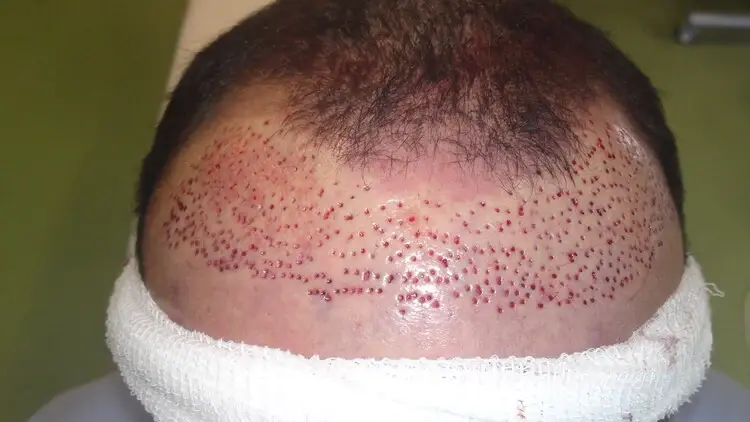
A celebrity hair transplant can go wrong if the surgery plan, technique, or long-term hair loss is not handled well. These cases often have strange hairlines, visible scars, uneven thickness, or results that seem good at first but get worse over time.
High visibility makes even small technical flaws obvious, especially for actors, athletes, and other public figures. Most failures trace back to rushed decisions, weak medical oversight, or clinics that do not plan for ongoing hair loss.
The sections that follow explain the causes, visual signs, long-term outcomes, and how these situations can be avoided.
Key Takeaways
- A celebrity hair transplant gone wrong most often results from poor planning, outdated technique, or lack of medical oversight, not from the hair restoration procedure itself.
- Before choosing a hair transplant clinic, patients should understand how donor limitations, ongoing hair loss, and long-term planning affect whether a full head of hair is realistic.
- Visual flaws such as unnatural hairlines, uneven density, and scarring often become more noticeable over time, especially for public figures under constant scrutiny.
- People undergoing a hair transplant benefit most from doctor-led care, realistic expectations, and structured follow-up, which together reduce regret and improve long-term outcomes.
Why Celebrity Hair Transplants Go Wrong
@trichogenics Dr Asi Peretz opens up about his own hair transplant journey. #hairtransplant #hairtransformation #drasiperetz #hairline #hairloss
♬ original sound - Trichogenics
Most failed results share the same causes. Problems often start before surgery and become clearer with time.
Common causes include:
- Use of old or basic methods
- Poor review of donor areas
- No plan for future hair loss
FUE vs older methods
FUE hair transplantation places hair grafts one by one. This allows better control of direction and spacing. Older methods placed hair in groups, which often looked thick or uneven.
When clinics still rely on outdated approaches, transplanted hair may not blend naturally. This issue is often discussed when comparing techniques in fut vs fue hair transplant key guide.
Donor areas and overharvesting
Donor areas supply the hair grafts used in hair restoration surgery. When too many grafts are taken, these areas become thin or scarred.
Many celebrities with hair transplants experience donor damage after aggressive extraction. Once donor hair is depleted, repair options are limited, a problem explored in hair transplant scars causes prevention and treatment.
Hairline design and graft placement
Hairline design must match age, face shape, and future loss. Straight or very low hairlines often look fake. These mistakes appear often in celebrity hair transplants before and after images. Good planning focuses on balance, not just density.
Celebrity Hair Transplant Gone Wrong Pictures: What They Show
Photos often show problems better than words. High-quality images reveal patterns linked to poor technique.
Photos often show:
- Very even or artificial hairlines
- Thin or patchy density
- Scars in donor areas
Unnatural hairlines and density
Unnatural hairlines often appear when hair transplantation procedures do not follow natural growth patterns. Straight lines, sharp angles, or very even spacing signal poor planning.
Density may look too thick at the front and thin behind it, which creates contrast. These signs become clearer under bright light or close views.
Density issues also happen when grafts are placed without variation. Natural hair grows in uneven groups, not in a flat row. When clinics ignore this detail, the result looks stiff. Over time, surrounding hair thins and makes the problem more obvious.
Scarring and donor damage
Close photos often show scars on the back or sides of the head. These scars appear when extraction is rushed or poorly planned. Short haircuts make them easier to see. This is common among public figures.
Celebrity Hair Transplant Before and After Results
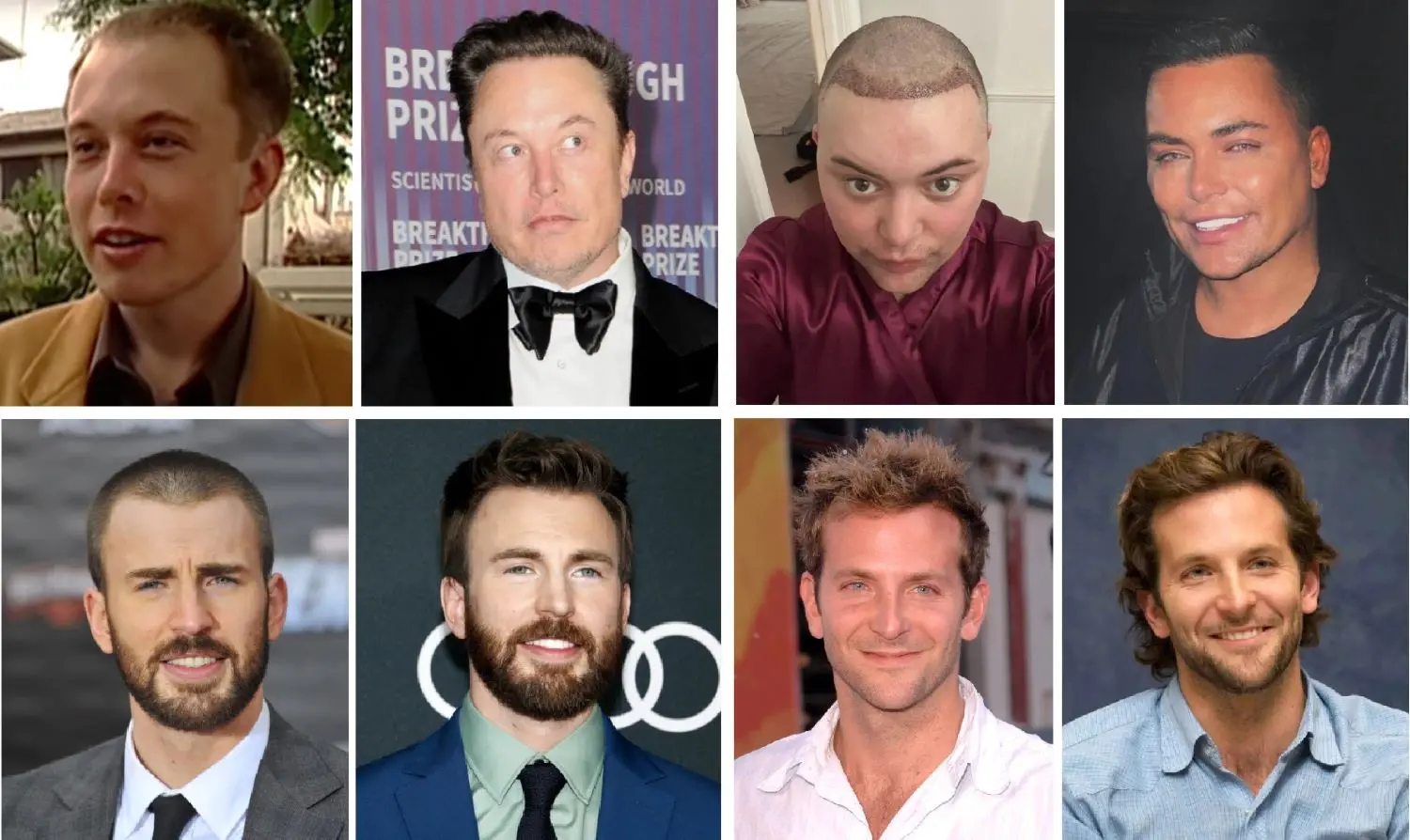
Before-and-after photos attract interest but can mislead. Early results do not always last.
Early months vs final look
Swelling and early growth can make results look full at first. Over time, hair growth slows and gaps may appear. Many famous people with hair transplants look different after one or two years. This change surprises many patients.
Why hair growth can disappoint
Hair growth depends on graft survival, blood supply, and how native hair continues to thin. Transplanted hair does not stop future loss.
Without planning, results may appear uneven. This concept is explained further in how hair transplants work and what they cost.
Male Celebrities Hair Transplant
Male celebrities often show clearer changes over time because hair loss usually continues after surgery. Early results may look full, but long-term photos often reveal gaps or contrast.
This happens when planning does not account for future loss. Careful review of before-and-after images helps explain these patterns.
Common issues seen in male celebrities include:
- Continued thinning behind the transplanted area
- A receding hairline that progresses with age
- Density that looks uneven after a few years
- Transplanted hair that no longer blends with native hair
These changes explain why some results look strong at first but age poorly later.
Receding hairline risks
A receding hairline often keeps moving back with age. Aggressive restoration may look odd later. This issue appears often in male celebrities. A cautious approach lowers this risk.
Why results can age poorly
A result that looks good at 30 may not suit someone at 45. Male pattern baldness does not stop after surgery. Without long-term planning, transplanted hair can look isolated. This is why some results age badly.
Hair Transplant Famous Actors: Why Results Get Noticed
Actors face strong visual pressure from their work.
Lighting and close-ups
High-definition cameras show texture and spacing clearly. Hair transplant famous actors are judged under harsh light. Small flaws become obvious. This makes precise planning important.
Styling limits after surgery
Some styles reveal scars or thin areas. Short hair can expose donor damage. Longer styles may show uneven growth. These limits affect public image.
Celebrity Hair Transplant Cost Explained
Cost affects outcomes but does not guarantee success.
What cost usually reflects
Celebrity hair transplant cost varies by surgeon role and follow-up care. Low prices often point to high-volume clinics with little doctor involvement. These clinics carry more risk. Cost reflects care level, not results.
The real cost of repairs
Fixing a bad result often costs more than the first surgery. Repairs may need more grafts or scar work. Sometimes donor areas cannot support repair. Planning helps avoid this outcome.
What Happens 10 Years After a Hair Transplant?
Long-term results matter more than early photos.
Native hair loss around grafts
Native hair keeps thinning with age. Transplanted hair stays, which increases contrast. This explains why some celebrities who have had hair transplant surgery look uneven later. Long-term planning reduces this effect.
Donor limits and planning
Donor hair is limited. Once used, it does not return. Planning must allow for future needs. This supports stable results over time.
What Is the Hair Transplant Regret Rate?
Regret often comes from unmet expectations.
Common reasons include:
- Expecting too much density
- Visible scars or donor damage
- Poor follow-up care
How to reduce regret risk
Education lowers regret. Choosing trained hair transplant surgeons helps. Clear planning and follow-up matters. These steps support better outcomes.
How to Avoid a Bad Hair Transplant
Prevention depends on planning and care.
Choosing hair transplant surgeons
Surgeons should have proper training in hair restoration surgery. Doctor-led care improves control and safety. Certification and follow-up systems matter. These factors reduce risk.
What doctor-performed care changes
Doctor-performed procedures allow better decisions during surgery. In some regions, including parts of Turkey and other countries abroad, clinics may rely on technicians and weak rules.
Greece and Israel have stronger medical standards and follow-up systems. This affects safety.
Fixing a Hair Transplant Gone Wrong
Some cases can be improved, but not all.
When repair is possible
A second procedure may improve density or adjust the hairline. Success depends on remaining donor hair. Each case needs review. Not all patients qualify.
Expectations after correction
Repair improves appearance but does not erase damage. Patients should expect improvement, not perfection. Clear goals help satisfaction.
Celebrities With Hair Transplants
@trichogenics #onthisday throwback to Dr Eric and Celebrity hair transplants. #trichogenics #hairtransplant #hairtransplantturkey #fypage
♬ original sound - Trichogenics
Celebrities who have had hair transplant surgery
Several public figures are often discussed, including Ben Affleck and athletes like Rob Holding. High visibility increases scrutiny. Results vary widely. Planning matters more than fame.
Famous people with hair transplants
Famous people with hair transplants include actors, athletes, and media figures. Some results look subtle, others do not. Differences come from technique and planning. These cases offer lessons.
Celebrity hair transplants before and after
Before-and-after images show change, not durability. Lighting and timing affect how results look. Long-term follow-up shows the real outcome. Stability matters more than early photos.
Why Choose Trichogenics?
All procedures are performed only by doctors
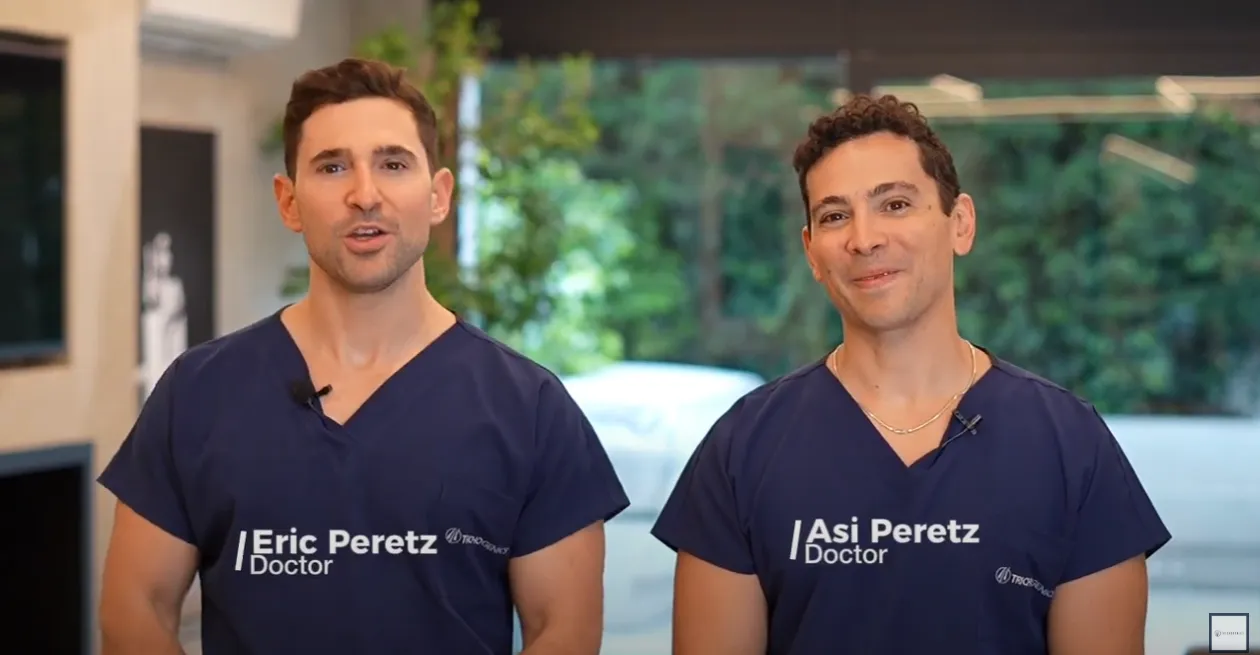
The uniqueness of Trichogenics lies in its strict medical process; only certified doctors perform every transplant. No technicians or unqualified assistants are involved. Choosing a clinic with proven experience in hair transplants can make all the difference.
Meet Dr. Asi and Dr. Eric Peretz
The two doctors leading Trichogenics Dr. Asi Peretz and Dr. Eric Peretz are recognized leaders in the field. Their extensive experience, attention to detail, and focus on natural results make Trichogenics the best choice.
Celebrity Hair Transplants
Who has undergone the procedure at Trichogenics? The answer is clear: a safe, professional clinic that delivers results that look great even under camera lights.
Contact Trichogenics today to schedule a personal consultation and get a clear, doctor-led plan for your hair restoration.


