

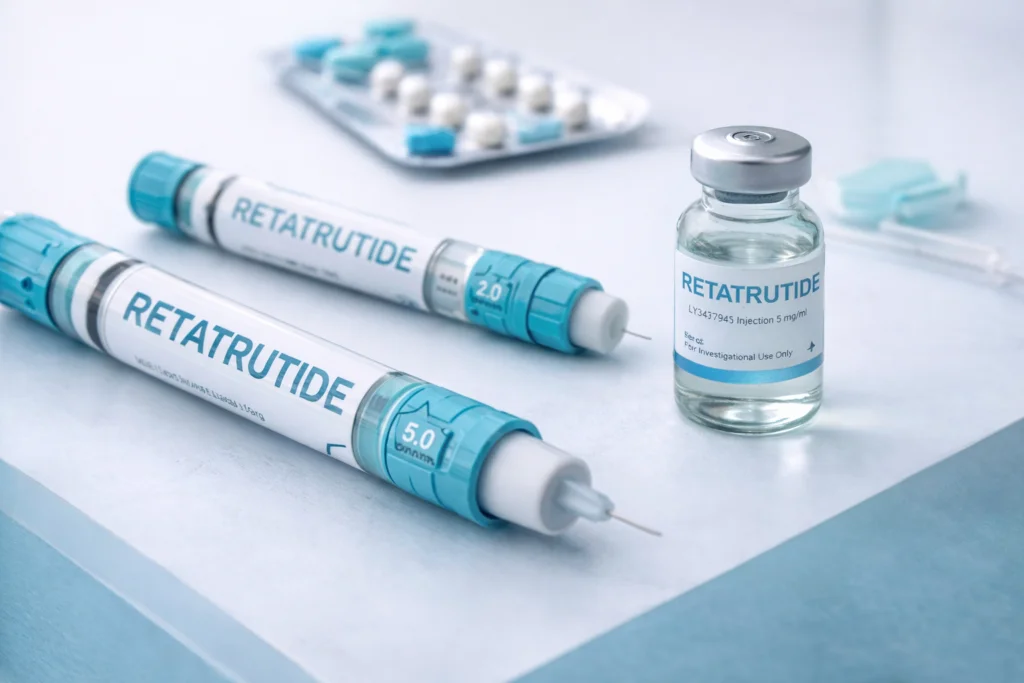
These changes can affect the hair growth cycle during a weight loss journey. Temporary shedding should be reviewed in the context of overall health and nutrition. Many internal and external triggers can affect shedding patterns, and understanding common contributing factors behind excessive shedding can help put symptoms into context.
Dr. Asi Peretz and Dr. Eric Peretz, founders of Trichogenics in Greece and Israel, note that timing and scalp condition help distinguish temporary shedding from underlying hair loss.
Key Takeaways
- Retatrutide is not known to directly cause permanent hair loss. In most cases, shedding is linked to rapid weight loss, lower protein intake, or physical stress on the body.
- Hair shedding during treatment is often due to telogen effluvium, a temporary shift in the hair growth cycle that can occur after major body changes.
- Poor nutrition during a weight loss journey can affect hair health. Adequate protein, iron, and other key nutrients help support healthy hair and reduce the risk of shedding.
- Hair shedding may start weeks or months after fast weight loss begins, which can be confusing. This delay does not usually mean permanent damage to hair follicles.
- Medical review is important if shedding is severe, patchy, or lasts longer than expected. Blood tests and scalp evaluation can help identify the cause and guide next steps.
Does Retatrutide Cause Hair Loss?
While true hair loss caused by retatrutide has not been confirmed, many reported cases are linked to temporary shedding rather than permanent damage.
What Studies Show
Current research has not confirmed retatrutide as a direct cause of permanent hair loss. Most data focus on weight management and the common side effects of retatrutide, such as nausea and digestive symptoms. It does not show direct damage to hair follicles, and most cases of shedding are linked to metabolic changes rather than to the medication itself.
Is Hair Loss a Reported Side Effect?
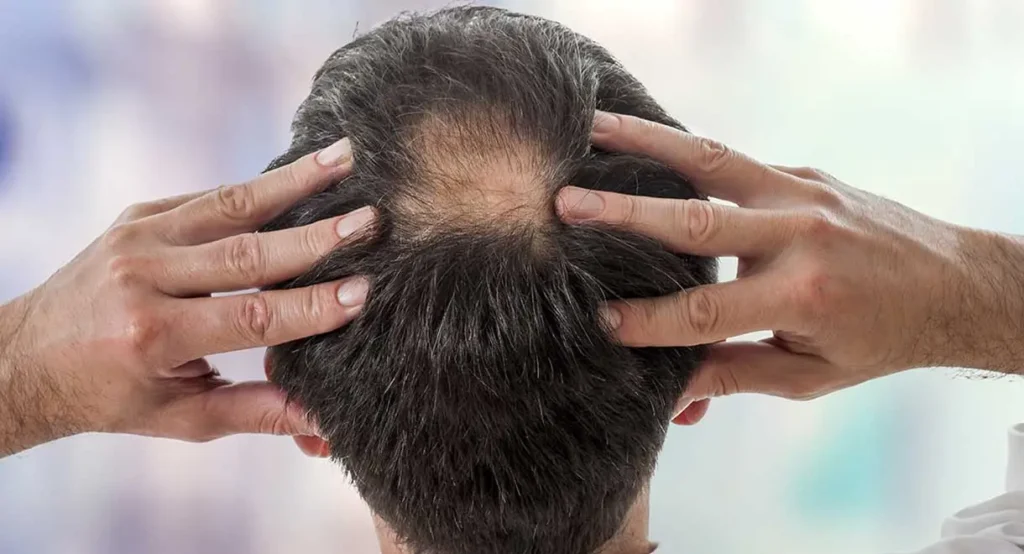
Some users report increased hair shedding during treatment, but current clinical data have not identified hair loss as a confirmed direct side effect of retatrutide.
In most cases, shedding appears to be linked to rapid weight loss, lower calorie intake, reduced protein intake, or nutrient deficiencies that can disrupt the normal hair growth cycle.
Other medications can also affect shedding patterns; for example, blood pressure treatments have been linked to similar concerns in some patients, including amlodipine-related shedding. This pattern is more consistent with temporary telogen effluvium than with direct scalp damage.
What Causes Hair Loss While on Retatrutide?
Rapid Weight Loss and Telogen Effluvium
A common cause is a condition called telogen effluvium. This happens when the body experiences a sudden physical stressor, such as sudden weight loss, illness, surgery, or a sharp drop in calorie intake.
In response, more hair follicles than usual shift out of the growth phase and into the resting phase at the same time. Because resting hairs are shed later, the hair loss often appears weeks or months after the initial trigger.
Accelerated weight loss can make this process more likely because the body adapts to lower energy intake and altered metabolism. During this period, the body may redirect nutrients away from hair to support more essential functions.
This can make shedding feel sudden or severe, even though the follicles are often still healthy. In most cases, this type of hair shedding is temporary once weight, nutrition, and overall health stabilize.
Low Protein, Iron, and Nutrients
Hair depends on protein, iron, and other vitamins and minerals. Low intake during weight-loss treatment can weaken hair and slow regrowth. Protein intake is critical for hair health, and a balanced plan helps reduce the risk of hair changes and support healthy hair.
Stress and Existing Hair Loss
Stress, poor sleep, or existing thinning can increase the risk of hair shedding and make underlying hair loss more visible.
Shedding is more likely when several stressors occur simultaneously. The most common risk factors include:
- Rapid weight loss or a large calorie deficit
- Low protein intake or poor overall nutrition
- Low iron levels or other nutrient deficiencies
- High stress, poor sleep, or recent illness
- Existing thinning or scalp conditions
What Are the Side Effects of Retatrutide?
Common Side Effects Reported
The common side effects of retatrutide reported in clinical studies are primarily gastrointestinal and are linked to the drug’s effects on appetite and digestion. The most commonly reported effects include:
- Nausea, especially after starting treatment or increasing the dose
- Vomiting or stomach discomfort
- Diarrhea or constipation
- Reduced appetite and lower calorie intake
For many people, these symptoms improve as the body adjusts over the first few weeks. If symptoms lead to poor nutrition or dehydration, they can affect both overall health and hair health over time.
How Long Do Retatrutide Side Effects Last?
Digestive side effects often improve within a few days to several weeks, especially after the body adjusts to the dose. Hair shedding, if triggered by rapid weight loss or reduced intake, usually starts two to three months later and may last several weeks to a few months before improving. In most cases, shedding begins to slow once weight, nutrition, and overall health stabilize.
How Long Does Retatrutide Cause Hair Loss?
When Shedding Usually Starts
Shedding usually begins about 6 to 12 weeks after rapid weight loss or a major drop in calorie intake. This delay is typical of telogen effluvium because hair follicles first shift into the resting phase and are shed later. The timing can vary slightly depending on how quickly the body changes.
When Hair Growth Returns
Hair growth usually starts to return about 3 to 6 months after shedding begins, once weight, nutrition, and overall health stabilize. Early regrowth may appear as fine hairs, with fuller recovery continuing over the following months.
How to Reduce Hair Loss Risk
Maintain Protein and Key Nutrients
Focus on protein, essential vitamins, and minerals to support healthy hair during weight loss. Include protein in each meal and avoid large calorie deficits.

Supportive scalp care may also help reduce dryness and breakage, and some people use options like coconut oil for brittle or weakened strands as part of a broader routine.
Avoid Rapid Weight Loss
A gradual approach helps people lose weight with less stress on the body and reduces the risk of hair shedding. This approach also supports better long-term hair health and recovery.
When to Talk to a Doctor
See a doctor if shedding lasts several months or worsens. Early evaluation helps identify the cause. If shedding continues, a consultation can help assess your scalp and guide next steps.
If you are concerned about ongoing shedding or want a professional scalp assessment, you can schedule a consultation to review your symptoms, treatment timeline, and overall hair health.

