

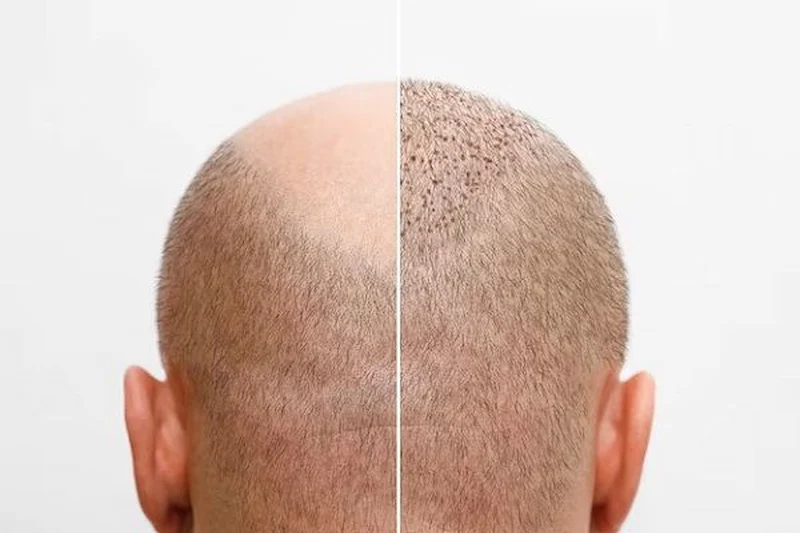
Hair transplant techniques are medical procedures used to restore hair growth by moving healthy hair follicles from a donor site to balding areas.
The main hair transplant techniques are Follicular Unit Extraction (FUE), Follicular Unit Transplantation (FUT), and Direct Hair Implantation (DHI), which differ in how grafts are harvested and placed during a hair transplant procedure.
Understanding hair transplant techniques and modern hair restoration techniques helps you compare results, recovery, and fit for your case. Clinics such as Trichogenics, founded by Dr. Asi Peretz and Dr. Eric Peretz, operate in Greece and Israel and follow doctor-led care. These methods aim to support stable hair growth in areas affected by hair loss.
Key Takeaways
- Hair transplant techniques such as FUE, FUT, and DHI differ in how they extract and implant hair follicles, affecting scarring, recovery, and results.
- The best method depends on hair loss stage, donor area quality, density goals, and recovery needs, not a single universal option.
- The procedure includes consultation, graft extraction, and implantation, with careful handling supporting graft survival.
- Results take months to develop, and transplanted hair is usually permanent, though natural hair loss may continue.
- Safety and results depend on proper medical care, correct technique, and post-procedure follow-up.
What Are Hair Transplant Techniques?
These are different types of hair transplants for moving hair grafts from a donor site to balding areas. These methods use your own hair to restore growth. Today’s hair transplant options aim to reduce scars and improve graft survival. They also focus on natural-looking results and consistent hair growth.
How Hair Transplants Work
Doctors take follicular units from a donor site, often the back of the head. These hair grafts are then placed into recipient sites where hair is thin or gone. After placement, the follicles begin new hair growth in the treated area. This is how the hair transplant procedure restores coverage.
A follicular unit is a small group of one to four hairs. Donor hair often resists hair loss, so it continues to grow after transfer. Careful handling helps grafts survive and support hair growth. A trained hair transplant surgeon checks these factors before and during the procedure.
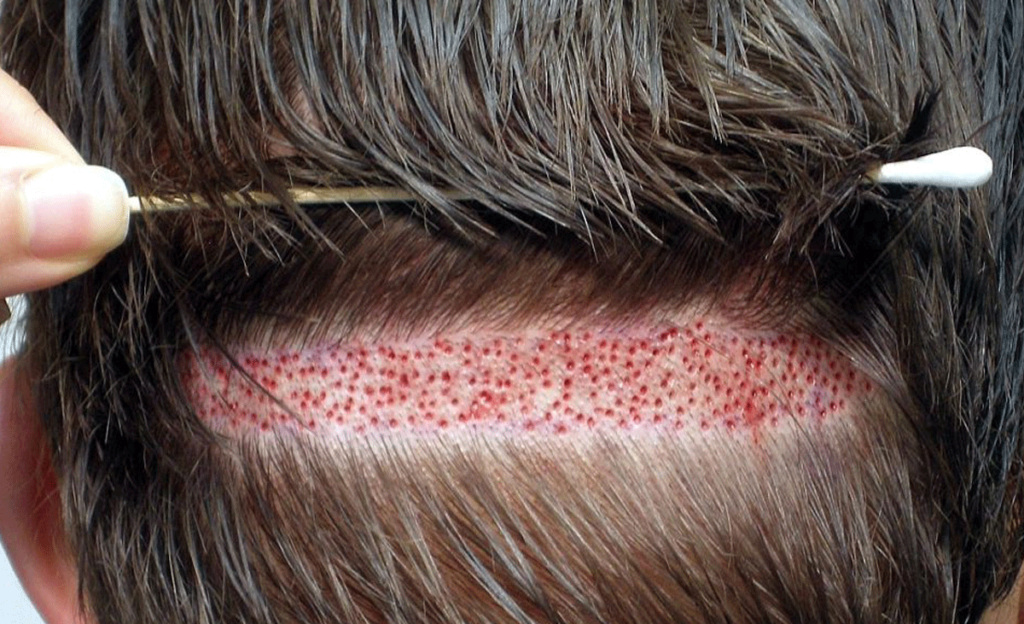
Hair Transplant Techniques Comparison
FUE vs FUT vs DHI
FUE, FUT, and DHI are common hair transplant methods used today. Each one fits different needs and goals:
- Follicular Unit Extraction (FUE) removes single follicles with a small tool. This is part of the fue technique and the fue procedure.
- Follicular Unit Transplantation (FUT) removes a strip of scalp, then splits it into grafts.
- Direct Hair Implantation (DHI) uses a pen to place grafts into recipient sites.
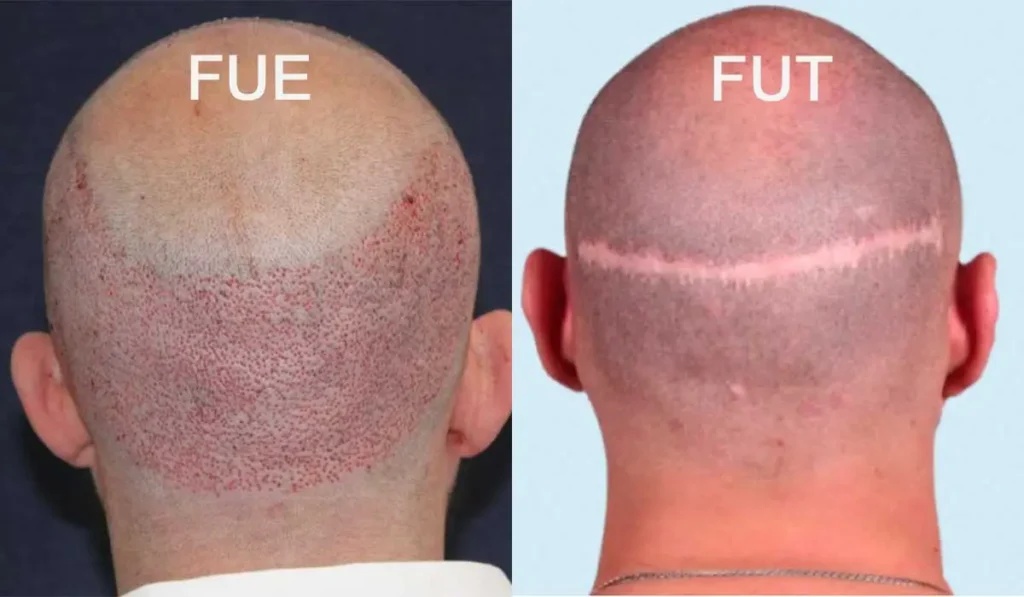
These different types of hair transplants aim to support long-term hair growth.
Which Is Better: FUT or FUE
FUT can provide more grafts in a single session, but FUE avoids a long linear scar, which some patients prefer, as outlined in this FUT vs FUE hair transplant comparison guide. The best choice depends on your donor site and goals.
Doctors choose hair transplant methods based on donor density, scalp type, and hair traits. Many people choose fue hair transplants for less visible scars. Others may choose FUT hair transplants when they need more grafts, even if it may leave a linear scar.
Key Differences, Pros, and Cons
Hair Transplant Techniques Step by Step
Hair transplant techniques follow a simple step-by-step plan: consult, remove, and place grafts, as explained in this hair transplant process guide.
Each step in the hair transplant procedure needs careful work. This helps the grafts survive and grow.
Consultation and Planning
The process starts with a medical visit to check hair loss and the donor site. A hair transplant surgeon reviews donor supply, hair type, and scalp condition to choose the most suitable technique, such as FUE, FUT, or DHI.
The plan is based on your goals, the size of balding areas, and expected future hair loss. This step helps match the right method to support stable hair growth and natural-looking results.
Implantation and Recovery
In FUE and FUT, doctors place grafts into recipient sites using small instruments, while in DHI, they use a pen for direct implantation.
Recovery varies by method, with FUE and DHI usually healing within 7 to 10 days, while FUT may take 10 to 14 days due to the linear scar at the donor site. Small scabs form around grafts and typically fall off within a week, while redness can last up to two weeks.
Most patients resume normal daily activity within a few days, but strenuous activity is limited for about two weeks to support healing and steady hair growth.
Best Hair Transplant Technique for You
The best hair transplant technique depends on your case. Hair transplant options should match your hair loss stage, goals, and recovery needs. There is no single best method for everyone.
Early hair loss may need fewer grafts and more detail. Advanced hair loss may need more grafts to cover large balding areas. A personal review helps choose the right method and support long-term hair growth.
If you are considering treatment, schedule a consultation to choose the right hair transplant technique for your case and goals.

