

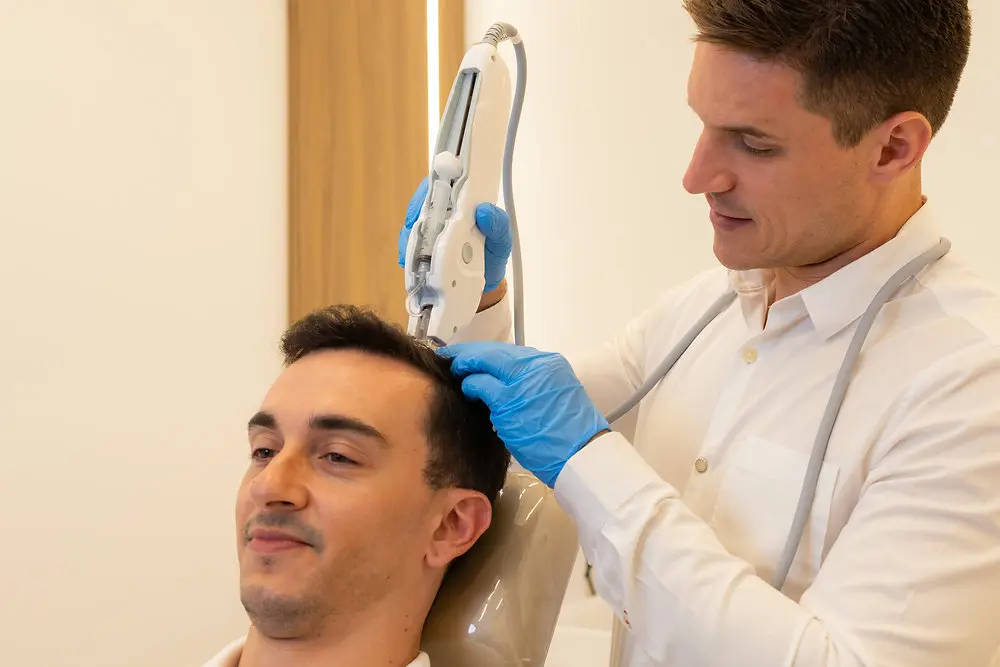
A treatment guide should clearly explain what the procedure is, how it works, who it helps, and what results to expect. No-needle mesotherapy is a non-invasive method.
It delivers vitamins and active ingredients into the skin or scalp without injections. It uses device-based technology such as electroporation or ultrasound to improve absorption while minimizing discomfort.
This guide explains how it works, its benefits, safety concerns, costs, and how it compares with other hair and skin treatments.
Key Takeaways
- No needle mesotherapy is a non-invasive treatment that uses electroporation or ultrasound devices to deliver active ingredients into the skin or scalp without injections.
- It may support scalp hydration and early hair thinning, but it does not replace surgical hair restoration procedures such as FUE or DHI when significant density loss is present.
- Treatment is generally well tolerated with minimal downtime, though medical evaluation is necessary to rule out contraindications and ensure safety.
- Costs vary by country and level of physician involvement, with regulated medical settings in Greece and Israel typically offering structured supervision and follow-up care.
What Is No Needle Mesotherapy?
No needle mesotherapy is a device-based treatment. It delivers vitamins, peptides, or hyaluronic acid into the skin without injections. It is also called mesotherapy without needles or needle free mesotherapy.
Traditional mesotherapy uses small injections. In contrast, mesotherapy without needles uses energy to help ingredients pass through the skin. The goal is to improve absorption while reducing discomfort.
How Needle Free Mesotherapy Works
No Needle Mesotherapy Machine Types
Devices for no needle mesotherapy often use electroporation or ultrasound. Electroporation sends short electrical pulses. These pulses help open tiny pathways in the skin.
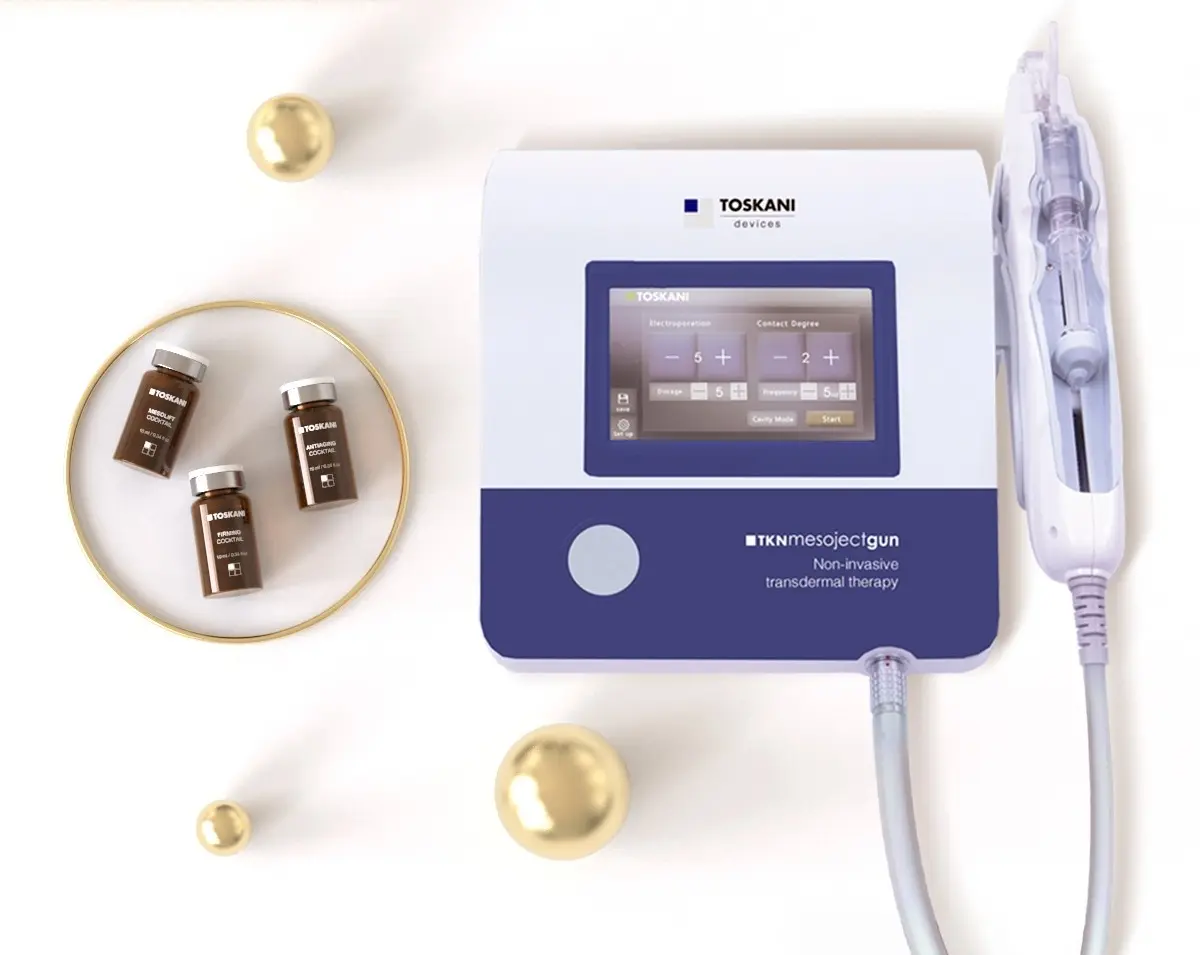
Ultrasound devices use sound waves to improve absorption. Clinics may use certified medical devices depending on local regulations.
Electroporation and Ultrasound Delivery
Electroporation briefly changes the skin barrier. This allows serums to enter more easily. Ultrasound improves diffusion through vibration.
Both methods work on surface layers. They do not reach as deep as surgical hair restoration techniques such as FUE hair transplant.
No Needle Mesotherapy Benefits
Comfort and Downtime
The treatment does not use needles. Most patients feel warmth or mild tingling. There is no bleeding.
Patients usually return to normal activity the same day. This is different from surgical procedures that require recovery time, including the hair transplant recovery timeline seen after graft placement.
Improved Ingredient Absorption
Common ingredients include:
- Hyaluronic acid
- Biotin
- Peptides
These ingredients may support scalp hydration and skin health. The effect remains superficial.
No Needle Mesotherapy for Hair Loss
How It Supports Scalp Health
No needle mesotherapy for hair focuses on scalp condition. A healthy scalp can support early hair thinning.
It does not replace hair transplantation when density is low. Patients with advanced hair loss similar to Norwood 7 stages often require graft placement rather than surface therapy.
Who Is a Good Candidate
Suitable patients include:
- Early thinning
- Diffuse shedding
- Post-transplant support
For example, a patient needing 2,500 grafts for frontal restoration would require FUE or DHI rather than topical treatment alone, similar to cases described in hair transplant density planning discussions.
Uses for Skin and Face
Common Treatment Areas
Doctors may use the treatment on:
- Face
- Neck
- Décolletage
- Scalp
It is often used for hydration.
Ingredients Often Used
Serums may contain:
- Hyaluronic acid
- Amino acids
- Growth factors
Selection depends on medical evaluation.
Mesotherapy Without Needles vs Microneedling
@trichogenics Should you be micro needling? Dr Asi Peretz explains. #trichogenics #hairloss #hairtransplant #hairtransformation #hairtransplantsurgery #hairtransplantgreece #finasteride #minoxidil #hairlosssolutions #hairfall #hairfallsolution
♬ original sound - Trichogenics
Which Is Better for Hair?
Microneedling creates small controlled injuries. This may stimulate collagen and improve absorption.
Mesotherapy without needles does not create punctures. It is less invasive but may not provide the same depth of stimulation.
Depth and Results Comparison
Microneedling reaches deeper skin layers. Needle free mesotherapy remains more superficial.
Hair transplantation techniques such as FUE, DHI, and Sapphire FUE place grafts at controlled depths of about 3 to 4 mm under physician supervision.
Safety and Contraindications
Contraindications for Needle-Free Mesotherapy
Treatment may not be suitable for:
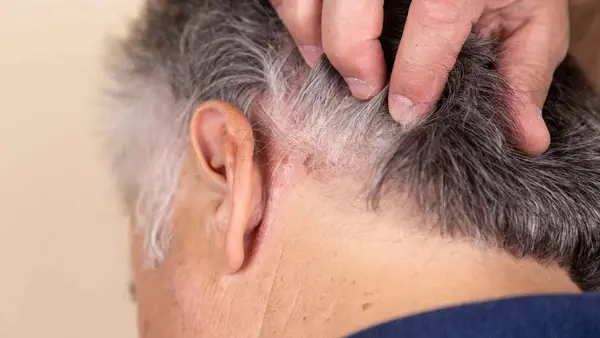
- Active scalp infection
- Patients with pacemakers
- Certain medical conditions
A medical consultation is necessary.
Possible Side Effects
Side effects are usually mild. Redness or sensitivity may occur for a short time.
Can You Do Mesotherapy on Yourself?
At-home devices are not medically supervised. Incorrect use may cause burns or poor results.
Medical procedures should take place in licensed clinics. In countries such as Greece and Israel, treatments occur in regulated medical settings.
Treatment Process, Recovery, and Results
Step-by-Step Session Overview
A session usually includes:
- Medical consultation
- Cleansing of the area
- Serum application
- Device treatment
Sessions last about 30 to 45 minutes.
Aftercare Guidelines
Patients should avoid harsh shampoos for 24 hours. Sun exposure should be limited.
When Results Become Visible
Hydration effects may appear within days. Hair support requires repeated sessions.
Recommended Number of Sessions
Doctors often recommend 4 to 6 sessions spaced one to two weeks apart.
No Needle Mesotherapy Cost
What Influences Pricing
Price depends on:
- Device type
- Serum used
- Clinic location
- Physician involvement
Cost vs Traditional Mesotherapy
In Greece, supervised sessions may cost USD 150 to 300 each. In Turkey, lower prices may be offered, but regulation and physician involvement vary.
For comparison, a physician-performed FUE procedure in Greece may cost USD 3,500 to 6,000. This typically includes anesthesia, graft extraction, implantation, and structured follow-up.
In some high-volume Turkish clinics, prices range from USD 1,800 to 2,800, and technicians may perform much of the procedure.
Price differences reflect:
- Who performs the treatment
- Number of patients treated per day
- Time spent per case
- Post-operative follow-up
Why Choose Trichogenics?

All procedures are performed only by doctors
The uniqueness of Trichogenics lies in its strict medical process; only certified doctors perform every transplant. No technicians or unqualified assistants are involved. Choosing a clinic with proven experience in hair transplants can make all the difference.
Meet Dr. Asi and Dr. Eric Peretz
The two doctors leading Trichogenics Drs.Asi and Eric Peretz are recognized leaders in the field. Their extensive experience, attention to detail, and focus on natural results make Trichogenics the best choice.
Contact Trichogenics today to schedule a personal consultation and get a clear, doctor-led plan for your hair restoration.


