
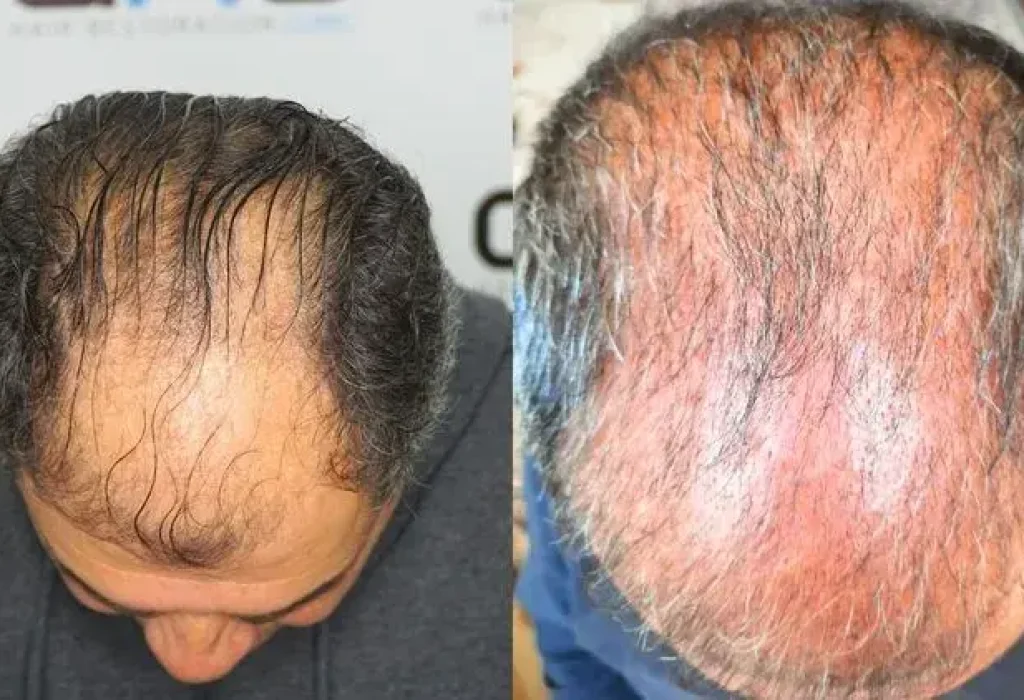
Shock loss after a hair transplant is a temporary shedding of hair. It happens due to stress on the hair follicles from the surgery.
This is not permanent damage. In a surprising hair transplant loss, hair follicles go into a resting phase. This causes visible shedding before normal growth starts again.
This shedding usually begins a few weeks after the procedure and resolves as hair grows back over the following months.
Prevention focuses on careful surgical technique, controlled graft placement, and proper postoperative care rather than patient action alone. Understanding these causes and timelines helps set realistic expectations before recovery continues.
Key Takeaways
- Shock loss after a hair transplant is a temporary response to surgical stress, where follicles enter a resting state and shed hair during the shedding phase rather than being permanently damaged.
- Shedding usually begins a few weeks after surgery and often affects both transplanted grafts and nearby existing hairs, with regrowth expected over the following months.
- The risk of shock loss depends on factors such as surgical technique, blood supply changes, and the condition of native hair in the transplant area.
- Prevention focuses on doctor-led planning, careful graft placement, and proper postoperative care, while most cases resolve naturally as the hair cycle normalizes.
What Is Shock Loss After Hair Transplant?
Shock loss after a hair transplant refers to sudden hair shedding that occurs after a procedure. It happens when follicles respond to physical stress by entering resting phases. The follicle stays alive, but the visible hair shaft falls out.
This process is considered a side effect of hair transplant surgery rather than a failure of treatment. It can involve the recipient area or the nearby scalp with existing hairs. In most cases, regrowth follows without additional procedures.
How Does Shock Loss Look After a Hair Transplant?
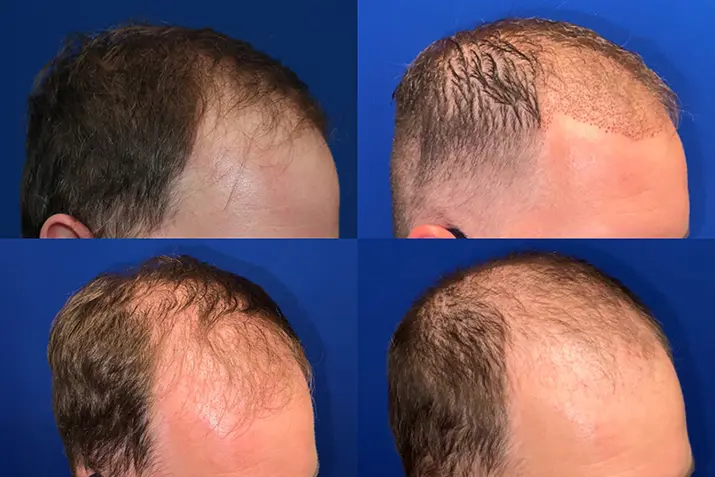
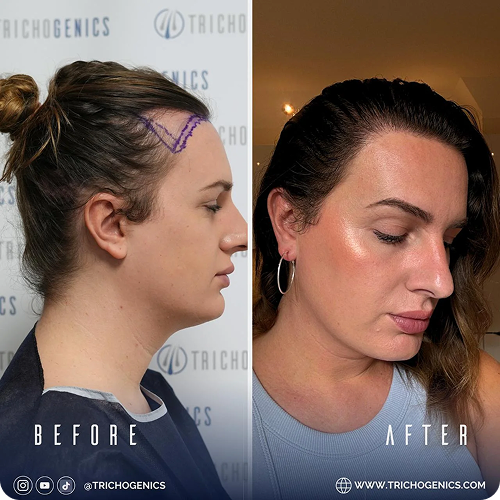
Shock hair loss after transplant often appears as uneven thinning in treated or surrounding areas. The scalp may look less dense than expected a few weeks after surgery. This visual change can be concerning during recovery.
Common visual signs include:
- Reduced density around implanted grafts
- Temporary thinning of native hairs
- No scarring or skin damage
These changes reflect shedding of hair shafts, not follicle loss.
How Common Is Shock Loss After Hair Transplant?
Shock loss is a recognized response seen in post operative follow-up. It does not affect every patient, but it occurs often enough to be discussed before surgery. Risk varies based on hair quality, density, and surgical planning.
Patients with weak existing hairs or dense implantation plans may notice it more. Education helps reduce unnecessary concern.
What percentage of hair transplants have shock loss?
Clinical observations suggest a noticeable percentage of patients experience some level of shock loss. Rates vary by technique, including FUE hair transplant, and by individual healing response. It is more common where native hairs are already weak.
Why Shock Loss Happens After a Hair Transplant
Shock loss occurs due to temporary changes in the scalp environment. Surgery places stress on follicles even when performed correctly. This stress alters how hair behaves in the short term.
Two main biological factors explain this response.
Surgical stress and blood supply changes
During hair transplant surgery, the blood supply in the transplant area can shift temporarily. Reduced circulation places stress on nearby follicles. This stress can trigger shedding without damaging the follicle itself.
Doctor-led procedures aim to limit trauma and preserve circulation. Careful implantation helps reduce this effect.
Hair cycle disruption and telogen phase
Hair naturally cycles through growth and resting phases. Shock loss occurs when follicles enter the telogen phase earlier than expected. This mechanism is similar to telogen effluvium seen after illness or stress.
The follicle rests, the hair sheds, and growth resumes later. This cycle is a normal part of the hair system.
When Does Shock Loss Start After Hair Transplant?
Many patients ask when shock loss starts after hair transplant procedures. In most cases, shedding begins between two and eight weeks postoperatively. The delay reflects how long it takes follicles to shift phases.
This timing varies by patient and scalp condition. Early reassurance helps manage expectations.
Shock Loss Phase: What Happens to the Hair
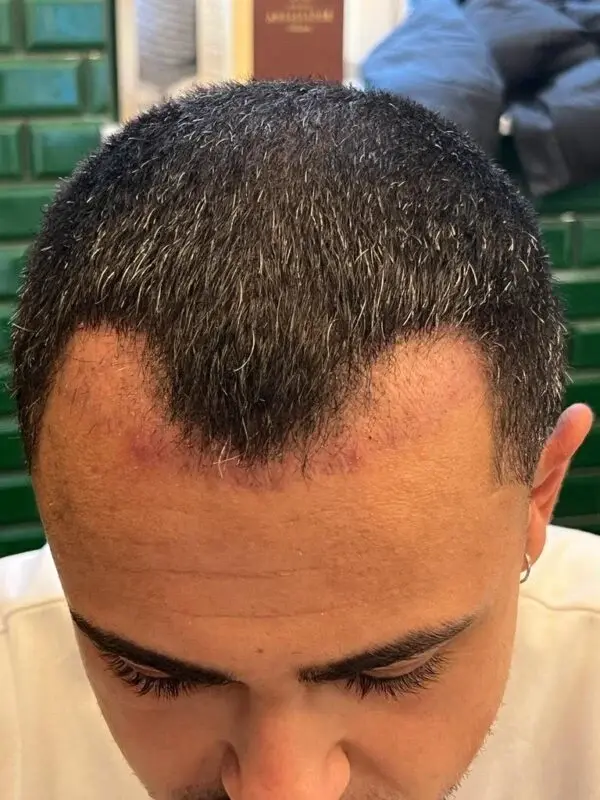
The shock loss phase is the period when shedding becomes noticeable. During this time, hair density can appear reduced. This phase is temporary.
Typical characteristics of this phase include:
- Sudden hair thinning
- Shedding without pain or redness
- Stable skin appearance
Understanding this phase helps patients stay calm during recovery.
Transplanted hair shedding
Transplanted hair shedding often occurs within the first few months. The graft stays in place, but the visible hair falls out. This is known as transplant shedding.
The follicle then prepares to grow new hair. This process supports long-term results.
Shock loss of non-transplanted hair
Existing hairs near the transplant area may also shed. These native hairs respond to stress in the same way. This is called shock loss of non-transplanted hair.
These hairs usually regrow once conditions normalize.

Hair Loss After Transplant: What Is Normal vs Not
Some hair loss after transplant is expected and temporary. Normal shedding involves hair thinning without pain, infection, or scarring. Regrowth usually follows within months.
Signs that may require review include:
- Ongoing shedding beyond expected timelines
- Persistent redness or swelling
- Pain or signs of infection
Regular follow-up helps distinguish healing from complications, as outlined in post hair transplant care.
Shock Loss in the Donor Area
Shock loss can also occur in the donor area, though less often. Closely spaced extractions can stress surrounding follicles. This may lead to temporary thinning.
Proper spacing and planning reduce this risk. Donor hair typically recovers as healing progresses, a concept also discussed in hair transplant scars causes prevention and treatment.
Can Shock Loss Be Prevented?
Shock loss cannot always be prevented, but risk can be reduced. Prevention focuses on surgical planning and recovery care. Both doctors and patients contribute.
How to prevent shock loss after hair transplant
Measures often discussed in clinical practice include:
- Careful graft handling during implantation
- Avoiding excessive density in fragile zones
- Supporting healing during post operative recovery
Some clinicians also discuss platelet rich plasma as a supportive option. Suitability varies by patient.
What doctors can control vs patient factors
Doctors manage technique, planning, and implantation methods such as DHI or FUE. Patients influence healing through aftercare, nutrition, and avoiding trauma. Cooperation improves outcomes.
Is Shock Loss Reversible?
Shock loss is reversible in most cases. The follicle remains alive under the skin. Hair grows again once the resting phase ends.
This regrowth pattern separates shock loss from permanent loss. Time is usually the main factor.
When to Expect Regrowth After Shock Loss
New growth often begins around 3-4 months after shedding. Early hairs may appear fine before thickening. Full results develop gradually.
Growth continues over several months as the hair cycle stabilizes, following patterns described in the hair transplant recovery timeline.
When to Contact Your Hair Transplant Doctor
@trichogenics It is so important to have a proper consultation with your surgeon when you are considering a hair transplant. Make sure your expectations are possible to avoid disappointment. #hairtransplant #hairloss #trichogenics #hairfall #hairtransplantturkey #hairtransplantgreece #hair #hairlosssolutions #finasteride #minoxidil #prp #fyp
♬ original sound - Trichogenics
Patients should contact their doctor if shedding continues longer than expected. Sudden pain, redness, or infection also needs evaluation. Clear guidance supports safety.
Medical oversight matters, especially in regulated settings. Some patients travel to Turkey or other countries with limited regulation, which may increase risk due to inconsistent standards.
Clinics operating in Israel and Greece follow stricter medical oversight frameworks.
Why Choose Trichogenics?
All procedures are performed only by doctors
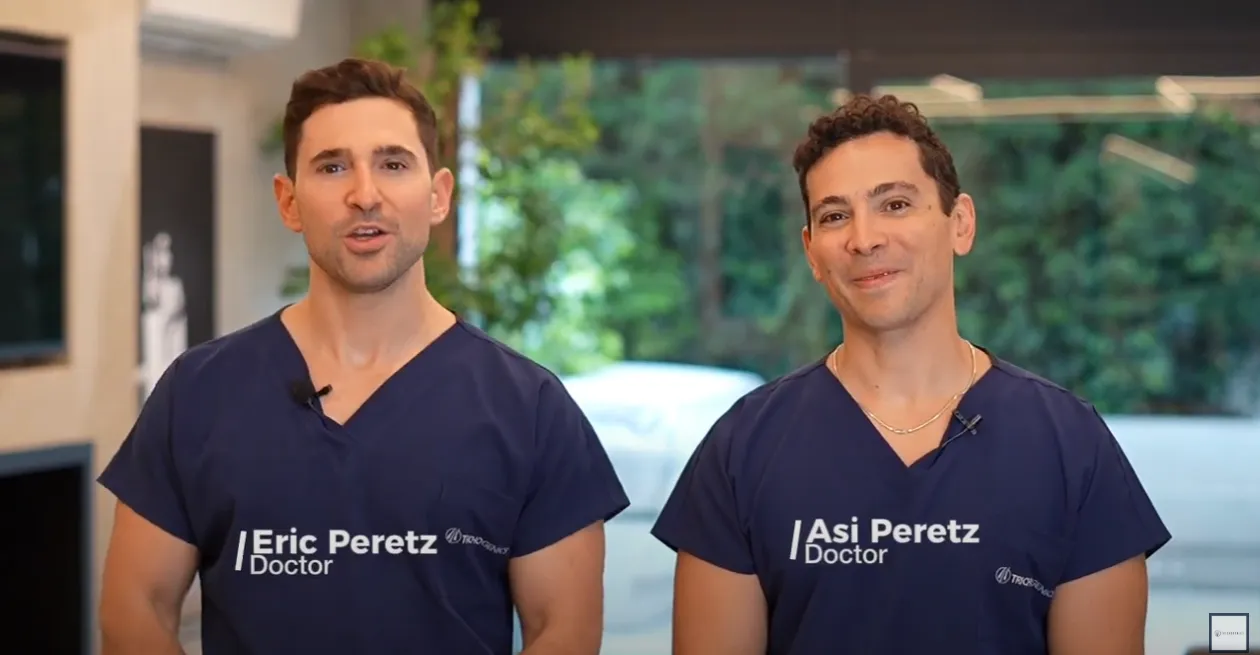
The uniqueness of Trichogenics lies in its strict medical process; only certified doctors perform every transplant. No technicians or unqualified assistants are involved. Choosing a clinic with proven experience in hair transplants can make all the difference.
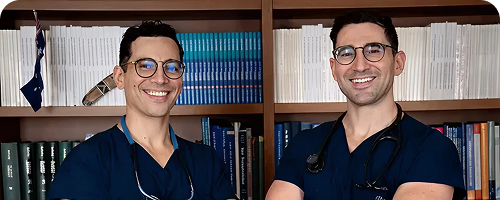
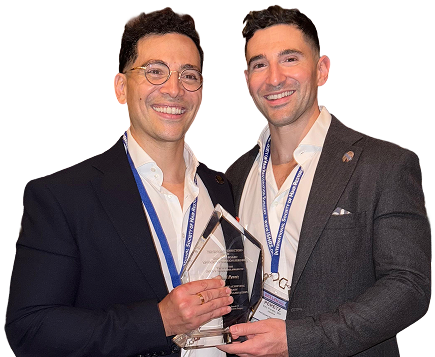
Meet Dr. Asi and Dr. Eric Peretz
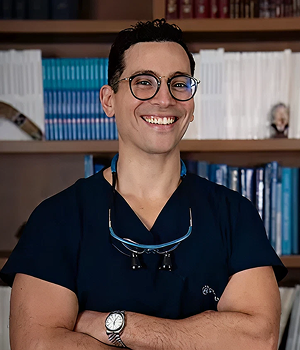
The two doctors leading Trichogenics, Dr. Asi Peretz and Dr. Eric Peretz, are recognized leaders in the field. Their extensive experience, attention to detail, and focus on natural results make Trichogenics the best choice.
Contact Trichogenics today to schedule a personal consultation and get a clear, doctor-led plan for your hair restoration.