
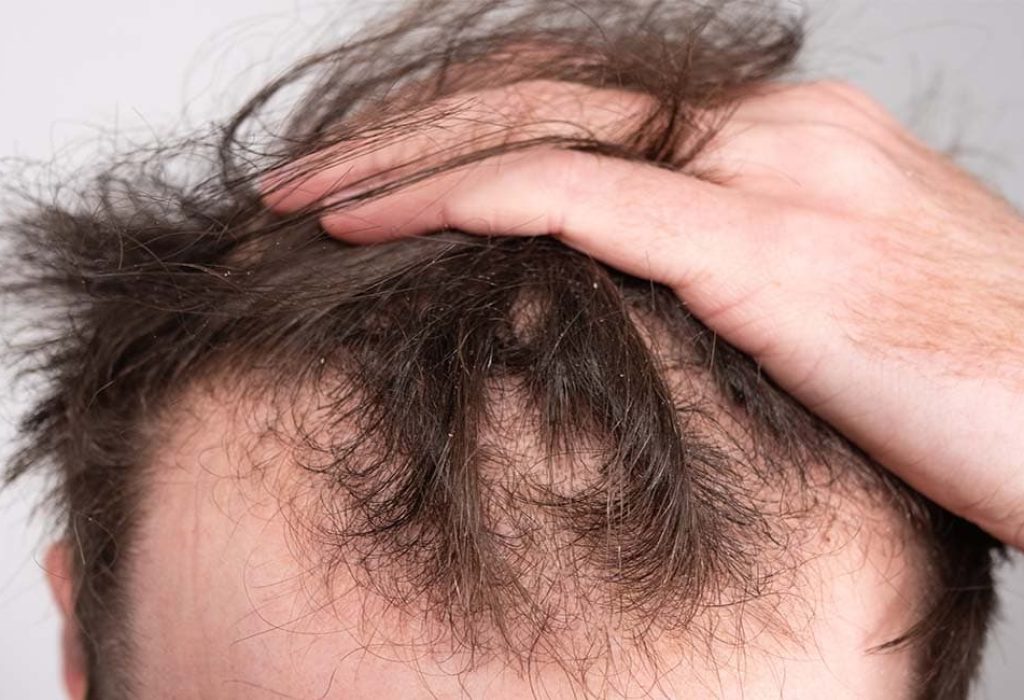
Yes, dutasteride can reduce sebum production in some individuals, but its effect is not consistent for everyone. The connection between dutasteride and oily skin depends on how strongly a person’s sebaceous glands respond to dihydrotestosterone DHT.
Dutasteride lowers DHT by blocking the enzyme 5-alpha reductase, which may decrease oil production when DHT is a primary driver of excessive sebum. However, oiliness can also be influenced by genetics, inflammation, and other hormones.
The degree of improvement varies from patient to patient, especially in individuals with androgenetic alopecia.
Key Takeaways
- Dutasteride lowers dihydrotestosterone DHT by blocking the enzyme 5-alpha reductase, and this may reduce sebum production in some patients, but oil control is not guaranteed.
- Oily scalp or oily hair can persist even with strong DHT suppression because sebaceous glands are influenced by multiple hormonal and genetic factors.
- Dutasteride is primarily prescribed for androgenetic alopecia and hair regrowth, so additional topical treatments are often needed to manage excessive sebum production or acne.
- When used for hair loss treatments, dutasteride requires medical supervision due to potential side effects, and treatment decisions should balance DHT reduction with overall patient safety.
Does dutasteride reduce sebum and oily skin?
Dutasteride is a 5-alpha reductase inhibitor. It blocks both type I and type II forms of the enzyme 5-alpha reductase.
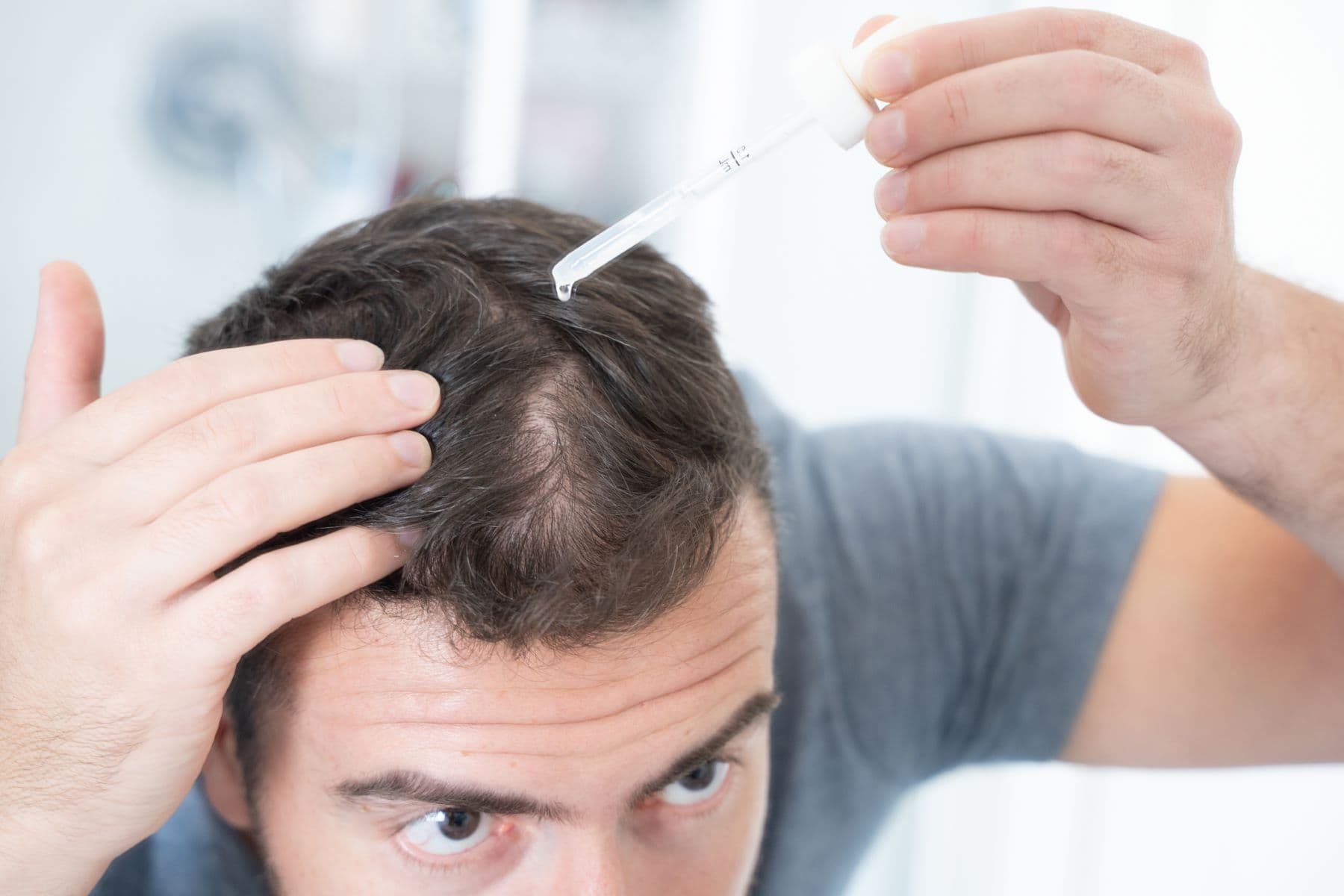
This reduces dihydrotestosterone DHT in the body. DHT plays a role in hair loss and oil production, particularly in cases later requiring procedures like diffuse thinning hair transplant planning.
Sebaceous glands respond to DHT. When DHT levels drop, oil production may decrease. Some patients notice less scalp shine or fewer breakouts. Others see no change in oil.
Oil production depends on many factors. Hormones, genetics, stress, and skin type all matter. Lowering DHT does not always stop excessive sebum production.
Can DHT cause oily skin?
Yes, DHT can increase oil production. High DHT levels can stimulate sebaceous glands. This can lead to oily skin and acne.
This is common in people with androgenetic alopecia. It is also seen in some hormonal conditions. Still, DHT is not the only cause of oil.
How does dutasteride affect sebaceous glands
Dutasteride blocks type I and type II enzymes. Type I exists in sebaceous glands. Type II is active in hair follicles. Because dutasteride blocks both, it reduces DHT more than finasteride.
Stronger DHT reduction does not always mean less oil. Some glands remain active. Receptor sensitivity differs between individuals.
Dutasteride oily scalp and hair: what to expect
People searching for dutasteride oily scalp want to know if the scalp will feel less greasy. Some report improvement after three to six months. Others continue to wash their hair daily.
Oil reduction depends on how much DHT was driving the oil in the first place.
If oil was strongly androgen-related, improvement is more likely. In patients combining medication with procedures such as FUE hair transplant, scalp balance becomes important before surgery.
Dutasteride sebum changes on the scalp
Sebum changes are gradual. Most patients focus on hair growth first. Oil reduction, if it happens, is secondary.
There are few clinical trials measuring scalp oil directly. Most data comes from patient reports.
Why can oiliness persist
Oil may persist for several reasons:
- Hormones other than DHT affect sebaceous glands
- The baseline DHT level was not very high
- Inflammation or dandruff is present
Persistent oil does not mean hair follicles are not responding. Hair regrowth can still progress similarly to what is observed during the hair transplant shedding phase.
How excess sebum affects hair texture
Excess oil can make hair look flat. It can make strands clump together. This is often described as dutasteride oily hair when improvement does not occur.
Oil does not damage hair follicles directly. Hair growth can still improve even if oil remains.
Dutasteride and oily skin treatment options
Dutasteride is prescribed to reduce DHT and slow hair loss. It is not designed as a primary treatment for oily skin. Some patients notice less oil after reducing DHT levels, but many still need additional care. A combined approach often works best.
@trichogenics Best Brands for Topical Finasteride & Dutasteride? My Honest Review of Research! I've spent time reviewing the available research on topical Finasteride and Dutasteride. But keep in mind, almost all of these studies are funded by the companies that produce the products! In this video, I share my findings and what I believe to be the best options based on the data. Watch my full video on the topic for a more in depth analysis. #hairloss #trichogenics #finasteride #dutasteride #topicalfinasteride #topicaldutasteride #hairtransplant #hairtransplantturkey #hairtransformation #hairlosssolutions #hairfall #hairfallsolution #foryou #foryoupage
♬ original sound - Trichogenics
When managing dutasteride and oily skin, it helps to separate two goals: hormonal control and surface oil control. Dutasteride lowers dihydrotestosterone DHT through 5-alpha reductase inhibitor activity.
Skin care products act directly on sebaceous glands and pores. Both may be needed in patients with excessive sebum production, especially those preparing for hair transplant aftercare protocols.
A structured treatment plan may include:
- Oral dutasteride to reduce DHT levels
- Medicated shampoos to control scalp oil
- Targeted topical treatments for facial oil
- Dermatologic evaluation if acne develops
Each step addresses a different cause of oiliness.
Topical treatments that reduce oil
Topical treatments work on the skin surface. They do not change hormone levels. They help reduce clogged pores and visible shine.
Common examples include:
- Ketoconazole shampoo – reduces scalp inflammation and may decrease local androgen activity
- Salicylic acid cleansers – dissolve oil buildup inside pores
- Benzoyl peroxide – reduces acne-causing bacteria
- Topical retinoids – normalize skin turnover and reduce blocked follicles
In patients with dutasteride oily scalp, medicated shampoos used two to three times per week can improve comfort. Daily washing with mild cleansers may also help manage dutasteride oily hair without harming hair follicles.
If dandruff or seborrheic dermatitis is present, treating inflammation is important. Inflammation itself can increase oil production.
Role of topical dutasteride
Topical dutasteride is under investigation. The idea is to reduce local DHT near hair follicles while limiting systemic exposure. Drug penetration depends on the formulation and scalp condition.
Current evidence is limited compared to oral therapy. Most clinical data supporting hair regrowth still relates to oral use. Patients should discuss risks and benefits with a physician before trying compounded topical dutasteride.
When oil requires dermatologic care
Some patients continue to experience severe oiliness even after reducing DHT. In these cases, other causes must be considered:
- Hormonal imbalance beyond DHT
- Insulin resistance
- Chronic inflammation
- Genetic overactivity of sebaceous glands
A dermatologist may recommend lab testing or prescription-strength topical treatments. Oral isotretinoin, for example, directly shrinks sebaceous glands, but it has strict monitoring requirements.
Oil control is separate from surgical hair restoration planning. In patients preparing for FUE or DHI procedures, stable scalp health is important. Excessive oil and inflammation can affect graft survival if not managed properly.
Managing dutasteride and oily skin requires patience. Hormone adjustment takes months. Surface treatments work faster but need consistent use. A combined medical and dermatologic plan offers the most balanced approach.
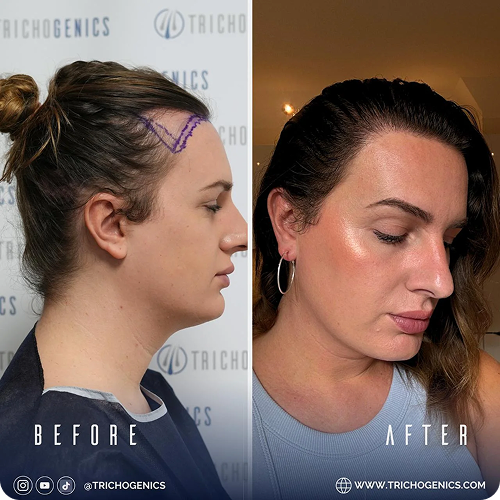
Dutasteride and oily skin before and after
Before and after expectations vary. Hair regrowth often improves within six to twelve months. Oil changes are less predictable.
Many patients see improved density without a major oil change. Others notice a mild improvement in shine.
Common timelines people report
Typical reports include:
- 3 months – reduced shedding
- 6 months – visible hair growth
- Oil change – variable
Hair follicles respond at a different rate than sebaceous glands.
What “no change” can mean
No oil change does not mean treatment failed. The goal is to reduce DHT to slow hair loss.
Dutasteride and oily skin are related but not identical treatment goals.
Can dutasteride cause skin problems?
Dutasteride is generally well tolerated, but like all medications, it can cause side effects in some people. Most concerns focus on hormonal effects, yet a small number of patients report skin-related changes.
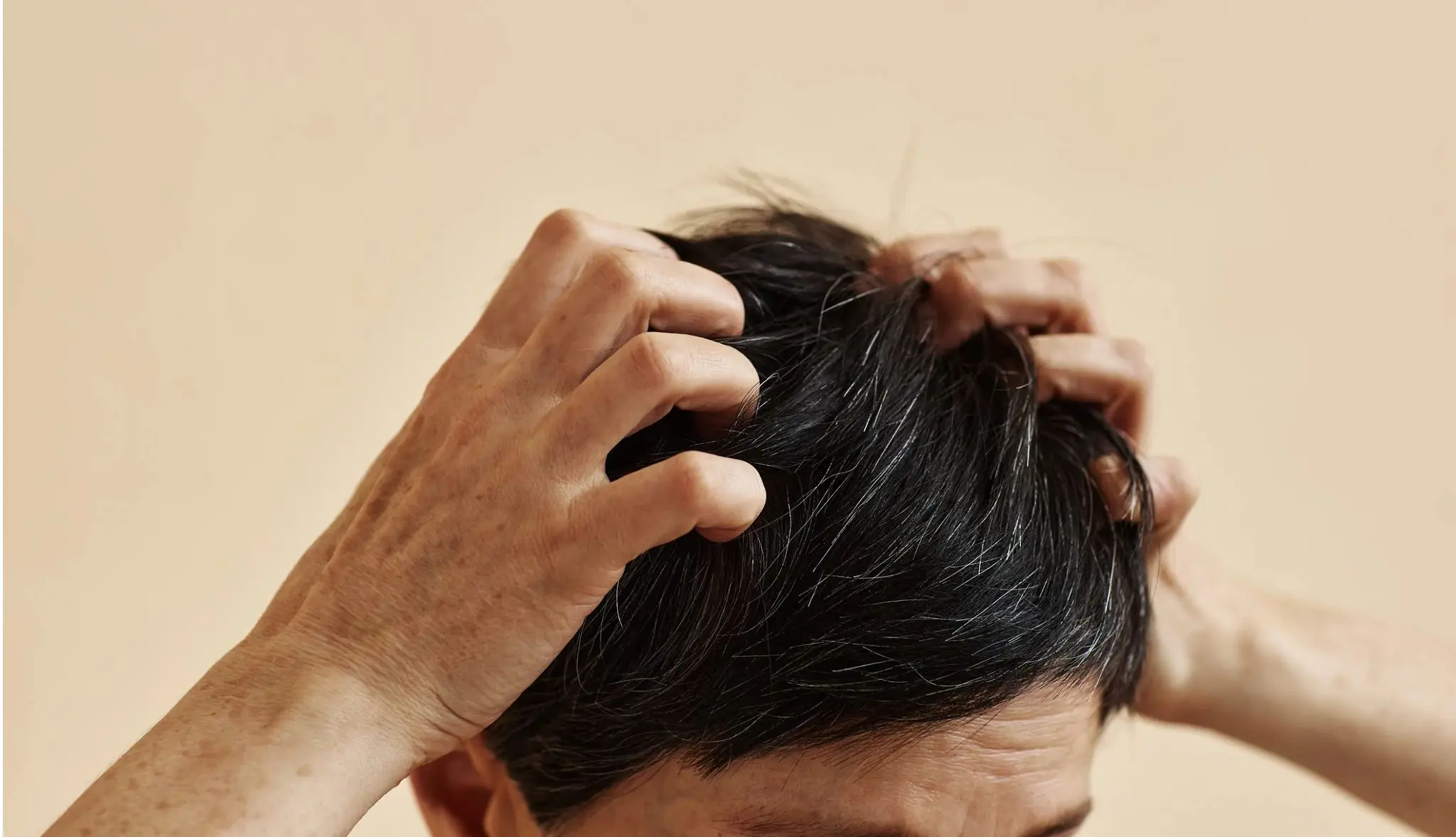
These may include acne, mild rashes, or temporary changes in oil balance. The risk is low, but it is important to understand how hormonal shifts can affect the skin.
Dutasteride works by lowering dihydrotestosterone DHT. When DHT levels change, sebaceous glands may react differently. In some individuals, this adjustment period can trigger breakouts.
These reactions are usually mild and stabilize within a few months.
Skin symptoms are not common compared to other possible side effects. Sexual side effects receive more attention in clinical discussions.
Still, patients researching hair loss treatments often want clear answers about acne and oil changes before starting finasteride dutasteride therapy.
Does dutasteride cause pimples?
Acne has been reported in a small number of users. The mechanism is not fully understood. One theory suggests that rapid hormone shifts temporarily disrupt sebaceous gland balance. This may increase clogged pores in sensitive individuals.
In most cases, breakouts improve as the body adjusts. Good skin hygiene and topical treatments often control mild acne. Persistent or severe acne should be evaluated by a dermatologist to rule out other causes.
Other possible skin reactions
Rare reports include:
- Mild itching or irritation
- Dry patches due to altered oil balance
- Increased sensitivity to new skin products
These reactions are uncommon and usually reversible. They do not indicate damage to hair follicles or failure of hair growth treatment.
Hormonal balance and individual response
Every patient responds differently to finasteride and dutasteride medications. Some notice reduced oil, while others see no change. A small group may experience temporary acne flare-ups.
Several factors influence response:
- Baseline DHT level
- Genetic sensitivity of sebaceous glands
- Stress and lifestyle
- Existing dermatologic conditions
Patients with a history of severe acne should discuss this with their physician before starting therapy.
Clinical perspective in hair restoration
In hair restoration practice, physicians monitor side effects carefully. When dutasteride is prescribed as part of a broader hair loss treatment strategy, follow-up visits assess both hair growth and overall tolerance.
If surgical restoration becomes necessary, options such as second hair transplant planning may be considered after stabilization.
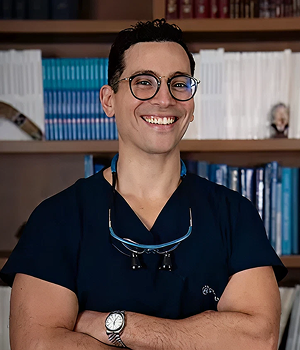
Dr. Asi Peretz emphasizes that hormone-based treatments must be individualized. A structured follow-up plan helps detect side effects early and ensures patient safety.
When to seek medical advice
Patients should speak with a licensed physician if they experience:
- Persistent acne lasting more than three months
- Severe inflammatory breakouts
- Signs of allergic reaction, such as swelling or rash
In most cases, skin symptoms are manageable and temporary. Dutasteride remains an effective option for reducing DHT in androgenetic alopecia, but treatment decisions should always balance benefits and potential risks.
Understanding that hair loss treatments affect hormonal pathways helps patients make informed choices. Monitoring and medical supervision reduce uncertainty and improve safety.
Dutasteride vs finasteride for oil control
Finasteride blocks only type II. Dutasteride blocks type I and type II. Dutasteride lowers DHT more strongly.
@trichogenics Dr Asi Peretz explains the difference between topical and Oral Finasteride. #hairloss #hairtransplant #hairlosssolutions #finasteride #trichogenics #hairtransplantturkey
♬ original sound - Trichogenics
The stronger reduction does not guarantee less oil. Individual response varies.
Both drugs aim to protect hair follicles and support hair regrowth.
Safety, FDA status, and next steps
Dutasteride has FDA approval for prostate enlargement. It does not have FDA approval for hair loss in many countries. Its use for androgenetic alopecia is off-label.
Doctors assess risks before prescribing.
FDA approval and off-label use
Off-label use is common in dermatology. Physicians rely on research and clinical experience.
Patients must understand the benefits and risks.
Sexual side effects and tradeoffs
Possible sexual side effects include:
- Lower libido
- Erectile dysfunction
- Reduced semen volume
These occur in a small percentage of patients.
When to talk to a doctor
Patients should seek care if side effects persist. Hormonal changes require medical supervision.
In hair restoration surgery, physician oversight is critical. In Greece and Israel, a physician-performed FUE procedure for 2,500 grafts costs about USD 3,500 to 6,000.
This includes anesthesia, graft extraction, implantation, and follow-up visits in licensed clinics.
In some high-volume centers in Turkey, prices range from USD 1,800 to 2,800. Often, technicians perform much of the procedure, and clinics may treat multiple patients per day.
Price differences often reflect:
- Who performs the surgery
- Time per patient
- Level of physician supervision
- Post-operative monitoring
High-volume settings may increase the risk of overharvesting donor hair follicles. Improper angle placement can affect the natural hairline design.
Doctor-led clinics in regulated systems such as Greece and Israel perform procedures in certified operating rooms. Techniques like FUE, DHI, Sapphire FUE, and Choi pen implantation require training and precision.
Dr. Asi Peretz evaluates graft density and donor preservation carefully. This reduces long-term thinning risk.
Patients considering travel abroad should verify physician licensure and operating room standards. Some countries have fewer regulatory controls. Lower cost does not always mean equal medical oversight.
Why Choose Trichogenics?
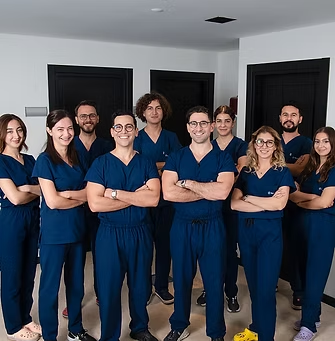
All procedures are performed only by doctors
The uniqueness of Trichogenics lies in its strict medical process; only certified doctors perform every transplant. No technicians or unqualified assistants are involved. Choosing a clinic with proven experience in hair transplants can make all the difference.
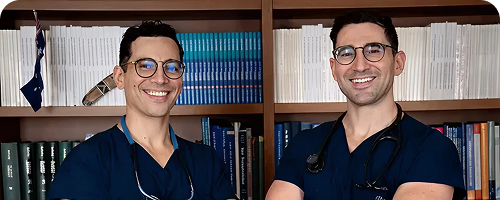
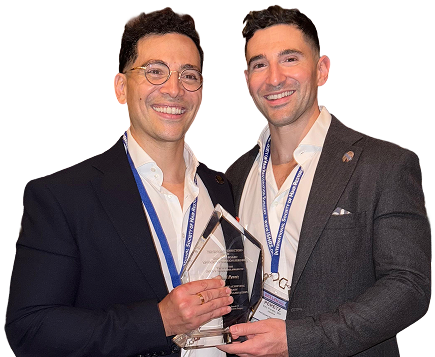
Meet Dr. Asi and Dr. Eric Peretz
The two doctors leading Trichogenics, Drs. Asi and Eric Peretz are recognized leaders in the field. Their extensive experience, attention to detail, and focus on natural results make Trichogenics the best choice.
Contact Trichogenics today to schedule a personal consultation and get a clear, doctor-led plan for your hair restoration.