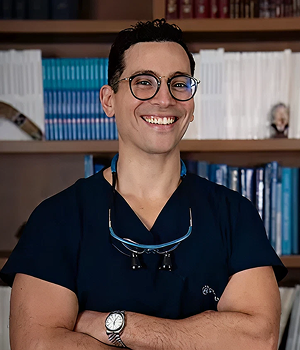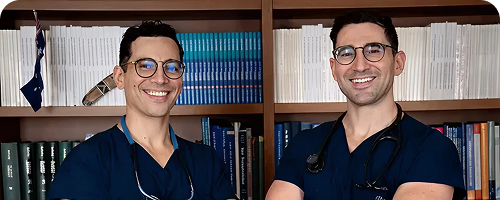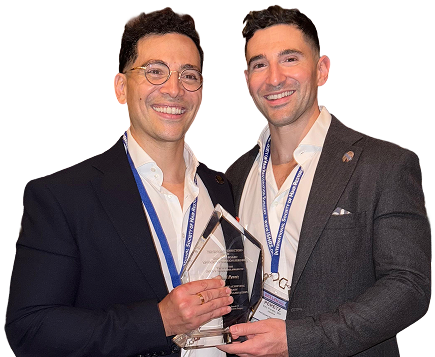

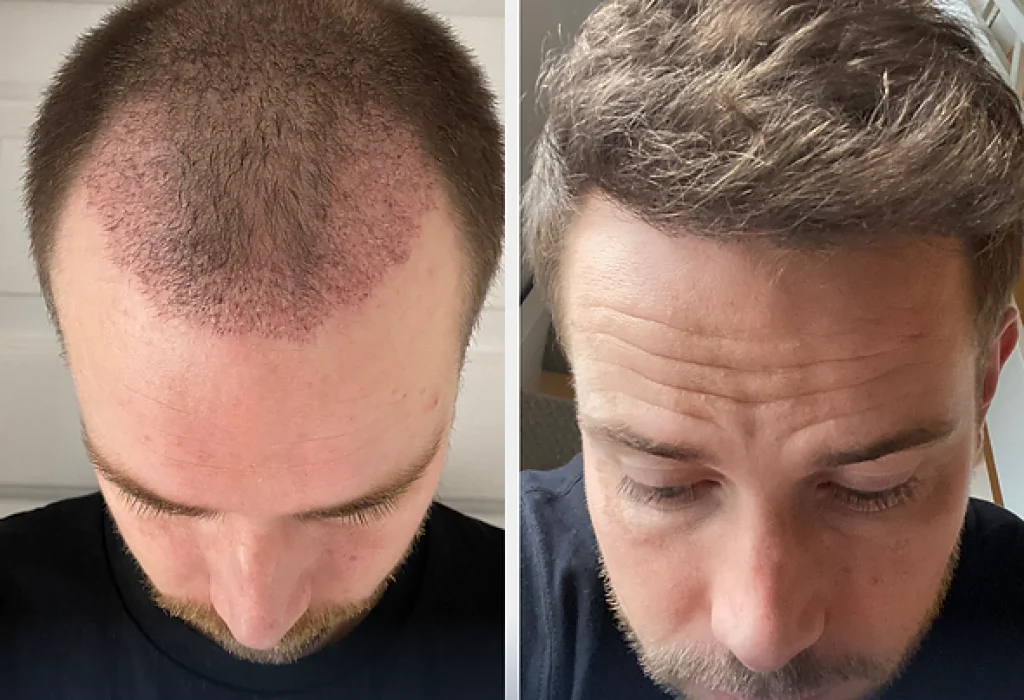
Diffuse thinning can reduce hair volume across the scalp making the skin more visible. At Trichogenics, Dr. Asi and Dr. Eric Peretz help people with thinning hair.
We provide safe medical care for hair transplants. Our clinic operates in Greece and Israel with trained doctors who follow strict rules. Each patient undergoes an evaluation to plan their treatment.
A diffuse thinning hair transplant can help restore density in several areas of the scalp. It works best when follicles are stable and donor regions are strong.
It is useful when medicine alone cannot stop thinning. Doctors first check for causes and long-term risks. With good aftercare, visual thickness can improve and stay stable.
Key Takeaways
- Diffuse hair loss can affect large areas and is a type of hair loss that may need medical checks to confirm stability.
- A diffuse thinning hair transplant can work well when donor hair is healthy.
- Doctors rule out telogen effluvium and other causes before surgery to match the correct form of hair loss to treatment.
- Greece and Israel offer safe, regulated clinics, unlike many centers in Turkey.
- A long-term care plan helps protect density and reduce future shedding.
Hair Transplant for Diffuse Thinning?
A hair transplant for diffuse thinning is beneficial when hair becomes thin across multiple areas. It can improve visual coverage and boost confidence. This surgery can help when medicine alone is not enough. A doctor must check if your donor area is stable.
What Is Diffuse Thinning
Diffuse hair thinning happens when many hairs shrink and grow back small and weak. It does not show clear bald spots, but reduces hair density everywhere.
This type of hair loss can be maybe caused by stress, diet, hormonal imbalances, or other medical, or other medical conditions. People often feel like their hair texture has changed.
Common signs of diffuse hair loss:
- Thinner hair across many spots.
- Wider part lines.
- Less volume when styling.
- Softer hair texture.
Causes and Duration
Diffuse thinning can result from stress, illness, hormonal changes, or certain medications. It may also be telogen effluvium, where many hairs enter the resting phase at once.
This causes hair shedding and makes hair look thin. Some cases improve, while others continue to worsen.
How Long Does Diffuse Thinning Last
It depends on the reason. If stress or diet is the cause, hair can improve in a few months. If androgenetic alopecia is involved, thinning can last for years. A doctor can slow down the process with early care.
Common factors that affect duration:
- Stress levels and lifestyle habits.
- Hormone changes over time.
- Poor nutrition or vitamin deficiency.
- Ongoing medical conditions.
Is Diffuse Thinning Reversible
Some patients can improve with early treatment. Medicine, supplements, and lifestyle changes can help the hair recover. As miniaturization advances, hair restoration or surgery may yield better results. Follow-up visits track progress.
Can Diffuse Thinning Be Stopped
Many patients can slow thinning. Doctors check diet, stress, and hair habits. They may offer approved medicine and growth products. Results take time and must be maintained.
Steps that may help slow diffuse thinning:
- Improve diet and increase protein intake.
- Reduce stress through sleep and exercise.
- Avoid harsh chemicals and heat styling.
- Follow doctor-approved topical or oral treatments.
Can Hair Grow Back After Diffuse Thinning
Hair may grow back if the follicle is still alive. Treatment works best in early stages. When the damage is severe, surgery is a good option. Hair can continue to improve after care begins.
Candidate Assessment & Donor Area
Doctors check the donor area health to see if you are a good match for surgery. They study hair diameter, density, and strength. A healthy donor area is key for long-lasting results. Weak donor hair may cause poor outcomes.
Hair Density and Excessive Shedding
Low hair density limits the number of grafts that can be removed. Excessive shedding can show stress, illness, or medication side effects. Doctors review medical history to identify potential causes. Fixing triggers improves results.
Things that can increase shedding:
- Poor nutrition.
- Sudden weight loss.
- Stress.
- Fever or infection.
Surgical Options & Planning
Doctors choose hair transplant techniques based on scalp condition and graft count. Good planning protects healthy hair. A natural hairline matches your face shape and age. Careful design prevents unnatural results.
Diffuse Thinner Hair Transplant Considerations
Diffuse cases need extra care. Doctors look at miniaturization in the donor area before surgery. They use moderate grafts to protect weak spots. Follow-up visits help track healing.
Diffuse Thinning Hair Transplant Results
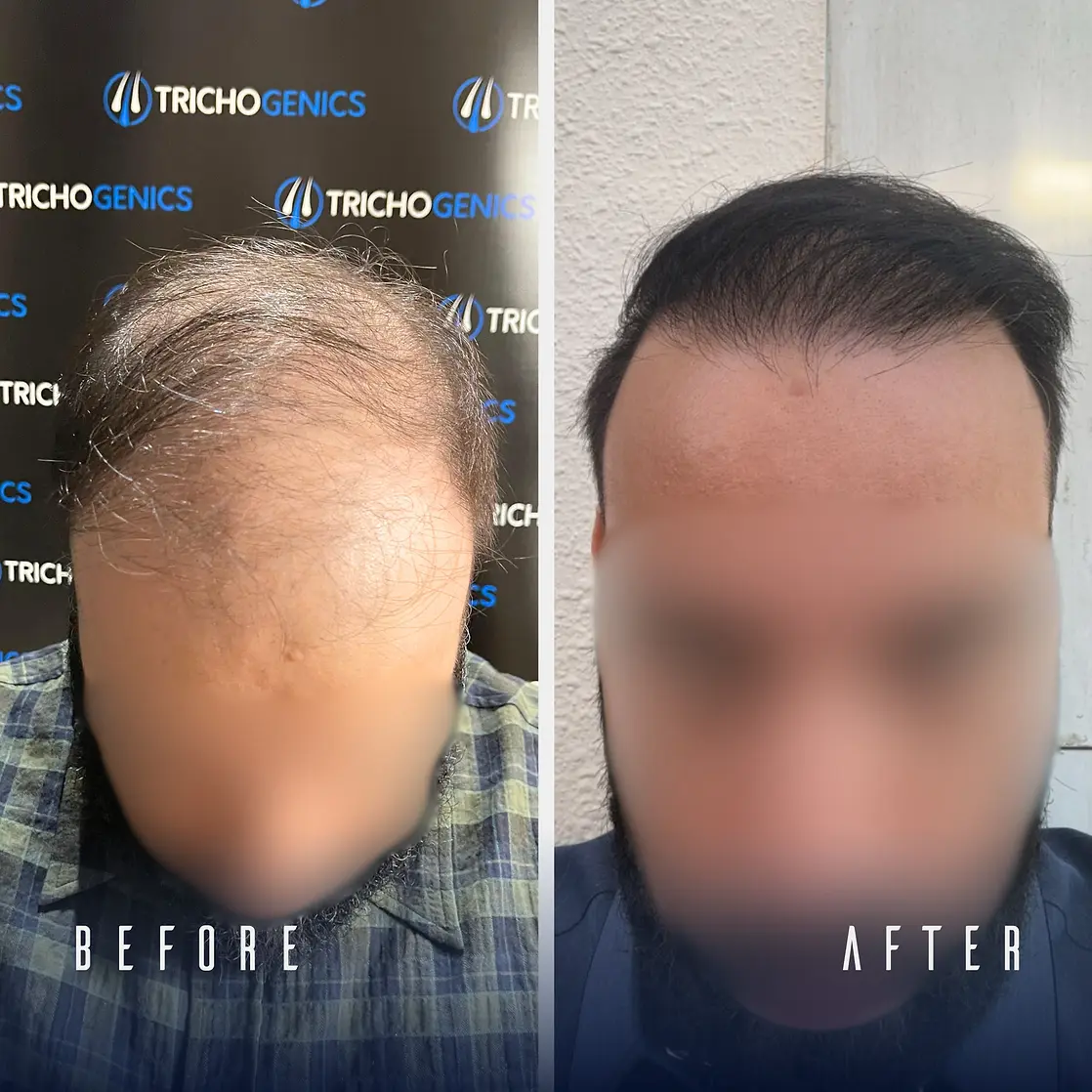
Diffuse cases need extra care. Doctors look at miniaturization in the donor area before surgery. They use moderate grafts to protect weak spots. Follow-up visits help track healing.
Important factors to consider in diffuse cases:
- The donor area must be stable with low miniaturization.
- Hair density should support long-term results.
- Patterned hair loss may persist, so planning is essential.
- Patients may need ongoing medical treatment after surgery.
Success Rate
The success rate is higher when donor follicles are strong. Doctors study the form of hair loss and thinning patterns before surgery. Good planning improves coverage. Follow-up care protects new growth.
Visual Density Improvements
Density looks better when grafts are placed at the right angle. Doctors fill specific areas to create more volume. A stronger frontline gives a significant visual change. The scalp looks fuller when growth matches direction.
Maintenance Plan
Maintenance includes gentle shampoo, vitamins, and medicine. Patients should avoid harsh heat tools. Routine visits help prevent future damage. Good habits support long-term density. Learn more about after care at this link
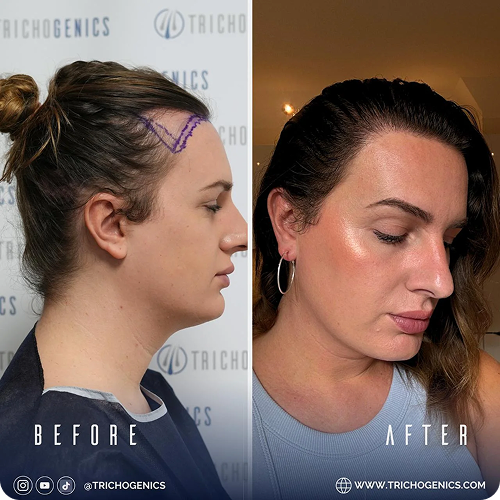
Diffuse Thinning Hair Transplant Before and After
Before-and-after photos show real results from past patients. They help you see how density changes over time. These examples set fair expectations. They also help you compare your stage of diffuse hair thinning.
What to look for in before-and-after photos:
- Natural hairline shape and direction.
- Improvement in density across key areas.
- Texture and hair shaft thickness changes.
- How results look months after the procedure.
Diffuse Thinning Hair Transplant Men
Men often show a receding hairline first, then diffuse thinning across other zones. Doctors plan ahead because male loss may progress. They save grafts for future touch-ups. The goal is a natural, age-friendly look.
Alternatives and Ongoing Care
Not everyone needs surgery right away. Many patients improve with medicine, light therapy, and nutrition support. Early care slows thinning. Long-term habits help protect volume.
Related Conditions
Telogen effluvium causes sudden hair shedding across large regions. Androgenetic alopecia causes patterned hair loss and miniaturization. Other medical conditions can affect hormones and metabolism. Doctors run lab tests to rule out deeper problems.
Common conditions linked to diffuse thinning:
- Thyroid disorders.
- Iron or vitamin deficiency.
- Hormone imbalance.
- Autoimmune diseases.
Recovery and Hair Growth Cycle
Recovery after surgery is short. Patients return to normal tasks within days. Hair growth follows the hair growth cycle: anagen, catagen, and telogen. Hair thickens over time as the cycle repeats.
Safety, Risks, and Medical Disclaimer
@trichogenics What are the risks and complications of a hair transplant? #hairtransplant #FUE #hairloss #trichogenics #hairtransplantgreece #hairtransplantturkey #hairtransplantcolombia #finasteride #hairrestoration #hairtransplantsurgery #hairlosssolutions #hairfall #hairloss #hairtransformation #fyp
♬ original sound - Trichogenics
Hair transplant is a medical procedure and has risks. Some risks include infection, swelling, and scars. Good aftercare reduces problems. Medical guidance protects your safety.
Risks in unregulated clinics:
- Infection.
- Bad scars.
- Poor growth.
- Permanent damage.
Why Trichogenics
Trichogenics offers safe, doctor-performed hair restoration. We avoid unsafe practices found in unregulated zones. Many clinics in Turkey use non-medical staff, which increases risk. Greece and Israel have strong medical rules and safer patient protection.
Doctor-Performed in Greece & Israel
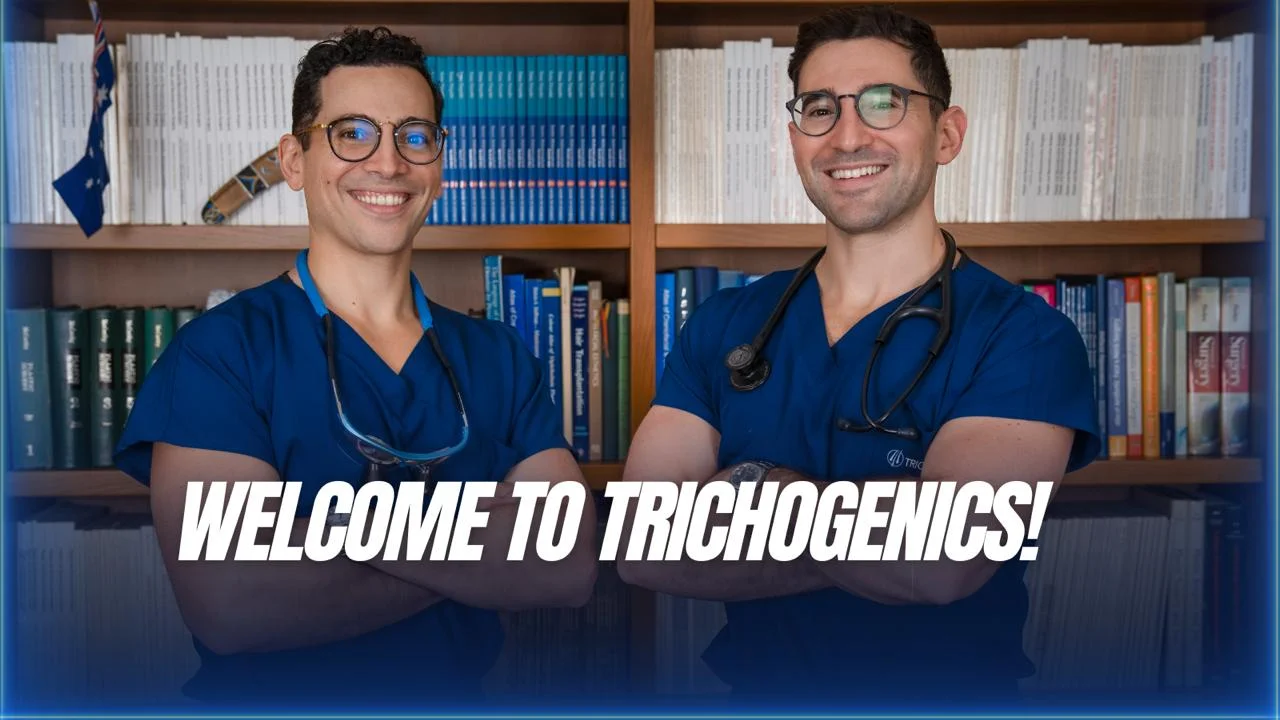
Our doctors manage every step of the process. This improves quality and protects follicles. Dr. Asi Peretz controls extractions, design, and placement. Patients receive full support and follow-up care.
Benefits of doctor-performed procedures:
- Better control of graft handling and angles.
- Lower risk of damage to healthy follicles.
- More natural hairline design and density.
- Safer decision-making during surgery and follow-up.
Book a Consultation
A specialist will check your diffuse hair thinning and donor strength. We review scalp stability and hair growth patterns. You receive a personal plan based on your type of hair loss. Book a visit to learn if hair transplant diffuse thinning is right for you.
Why Avoid Turkey
Turkey is popular for medical tourism, but many clinics lack rules and official medical control. Non-medical workers may perform procedures, which is unsafe.
This can cause infection, poor growth, and permanent scars. Greece and Israel offer safer options with real oversight .Learn more at this link
Practical Tips
Use these simple habits to protect hair:
- Reduce heat styling.
- Eat a balanced diet.
- Manage stress.
- Use gentle shampoo and products.
These steps support weak follicles and reduce diffuse hair loss.
Long-Term Management and Next Steps
A diffuse thinner hair transplant can improve volume and confidence. Good donor area health and early diagnosis are important. Dr. Asi Peretz adjusts each plan for your stage of loss. Book a visit in Greece or Israel to receive safe, controlled care.