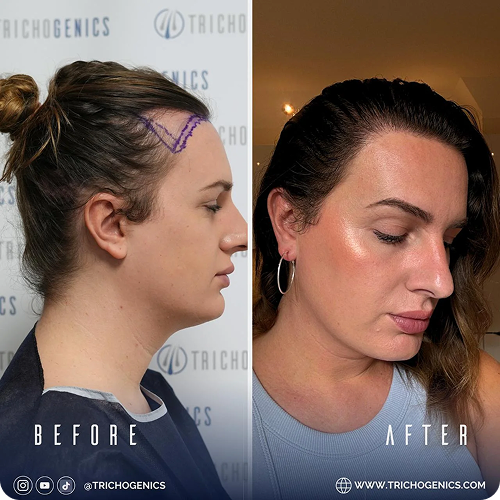

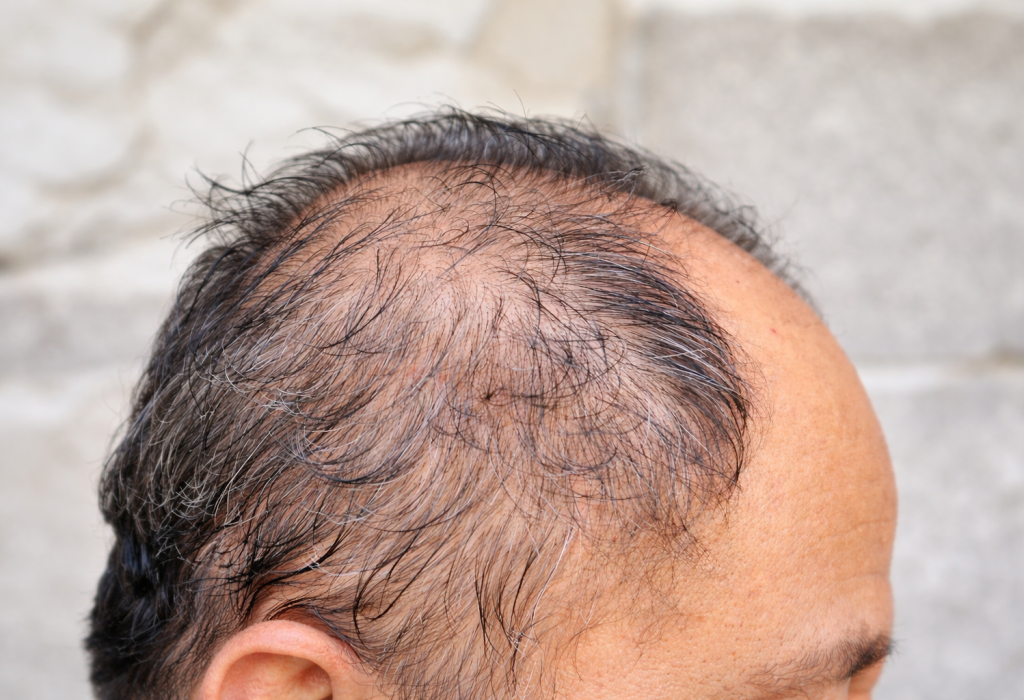
A hair transplant for hair thinning can work in selected cases, but results depend on donor hair quality, pattern of loss, and proper planning. It does not stop ongoing thinning, so it is often combined with medical treatment to maintain existing hair.
In clinical practice, doctors such as Dr. Asi Peretz and Dr. Eric Peretz, founders of Trichogenics, evaluate each case to determine if transplantation will improve density or if other treatments should be prioritized. The goal is to create a natural and balanced result over time and improve the overall appearance of the head of hair.
A proper diagnosis and evaluation by a qualified physician is required before considering surgery. Results depend on the type of hair loss, donor hair quality, and long-term progression patterns.
Key Takeaways
- A hair transplant procedure for hair thinning can improve density in selected cases, but results depend on donor hair quality and the stability of hair loss.
- The procedure does not stop ongoing hair loss, so it is often combined with medical treatments to maintain existing hair.
- Not all patients are suitable candidates, especially those with diffuse or unstable hair loss.
- Modern techniques such as FUE, DHI, and Choi pen implantation focus on precise graft placement, but outcomes vary.
- Long-term success requires follow-up and maintenance to preserve both transplanted and native hair.
Can Hair Transplant Fix Thinning Hair
A hair transplant can improve thinning areas by redistributing stronger hairs from the donor zone. It works best when thinning is localized, and the donor area remains stable. During hair transplant surgery, hair grafts are moved from donor sites to areas of thinning to increase density.
A hair transplant for hair loss is often combined with treatments that slow progression. This helps protect both transplanted and existing hair. A proper diagnosis is required before deciding on treatment.
Thinning Hair vs Balding
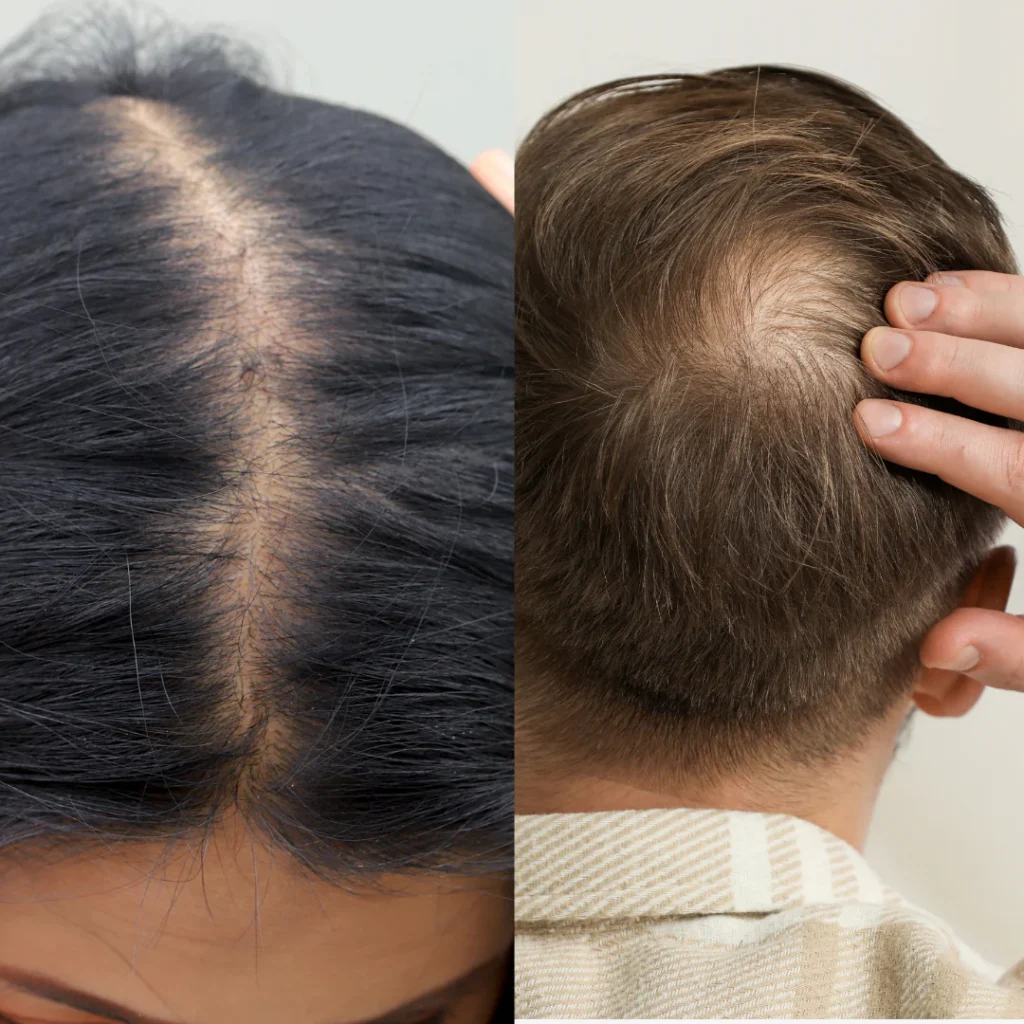
Thinning hair involves reduced density, while balding refers to complete loss in certain areas. This difference affects how grafts are placed and how many are needed. Male pattern baldness is one of the most common causes and often follows a predictable pattern.
Can Hair Transplant Work for Thin Hair?
Yes, but results depend on hair thickness and contrast with the scalp. Thin hair provides less visual density, so coverage may appear lighter, especially in visible areas like the top of the head or around a bald spot, as seen in cases of hair transplant for a bald patch. Doctors adjust placement to improve visual results using healthy hairs from stable areas.
Who Is a Good Candidate for Hair Transplant
A good candidate has stable hair loss and sufficient donor hair. Doctors evaluate scalp condition, medical history, and expectations. Hair restoration surgery is suitable for both men and women when hair loss patterns are predictable.
A hair transplant for balding is often more predictable than diffuse thinning. Clear patterns allow more controlled results.
When a Hair Transplant May Not Work
A hair transplant may not be recommended when hair loss is diffuse or unstable. Conditions such as diffuse unpatterned alopecia or alopecia areata can limit results. In these cases, medical treatment may be advised instead.
Hair Loss Stability
Stable hair loss leads to more consistent outcomes. Ongoing loss can affect final results. Doctors may delay surgery until patterns are clear.
Techniques Used in Hair Transplant for Balding
Modern procedures include Follicular Unit Extraction (FUE) and Direct Hair Implantation (DHI), both widely used in clinical practice. These methods focus on extracting and implanting individual follicles from donor sites. Some clinics also use Choi pen implantation for precise placement.
The procedure typically includes:
- Extraction of follicles
- Preparation of recipient sites
- Placement of hair grafts based on angle and density
Each step requires precision to protect follicle survival and ensure healthy hair continues to grow across the scalp.
FUE vs FUT Differences
FUE extracts individual follicles with minimal scarring. FUT (Follicular Unit Transplantation) involves removing a strip of skin from the donor area, which may allow more grafts in a single session, as explained in this FUT vs FUE hair transplant guide.
This approach is selected based on donor density and treatment goals.
Results and Expectations
Results vary based on technique, hair type, and progression of loss. A hair transplant for hair thinning improves density but does not restore full volume. Patients should expect gradual improvement over time.
Graft survival rates often range between 85% and 95% when performed under proper conditions. Full results usually appear within one year.
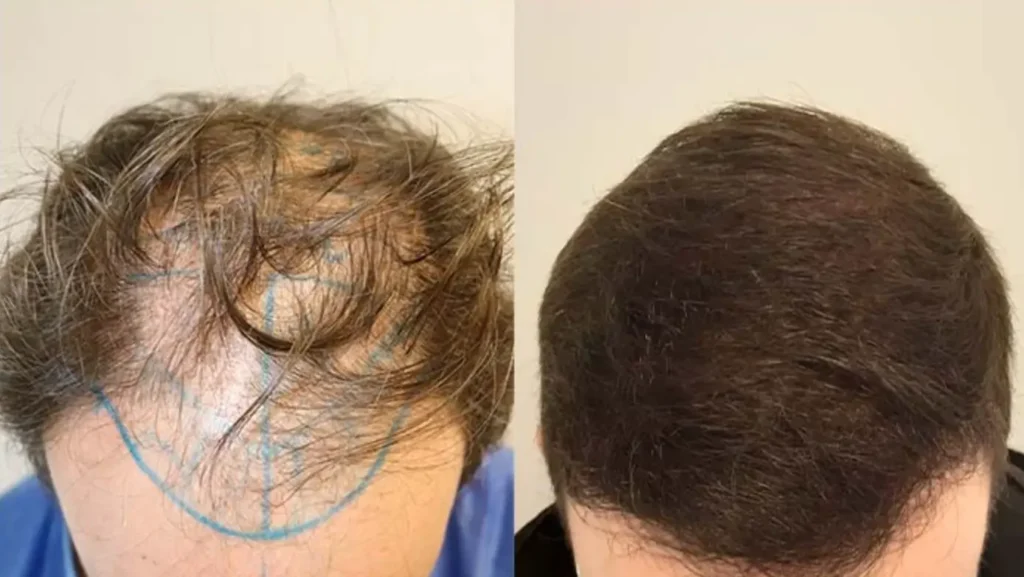
Timeline for Visible Growth
Most patients want to know when results will appear, and the process follows a clear timeline.
- 0–2 weeks → healing phase, shedding may occur
- 2–3 months → early growth begins
- 4–6 months → visible improvement in density
- 9–12 months → final results develop
Risks and Limitations
Hair transplants carry risks such as infection, uneven growth, or temporary shedding, including potential complications covered in this hair transplant infection guide. Proper technique and aftercare reduce these risks. Results are also limited by the availability of donor hair.
Some specific side effects may include:
- Temporary numbness
- Mild inflammation
- Uneven early growth
These side effects are usually temporary.
Alternatives to Hair Transplant for Hair Loss
Non-surgical options may help slow or stabilize thinning. These include medications and topical treatments, such as minoxidil, finasteride, and dutasteride, as well as low-level laser therapy. They are often used alongside surgery.
Medications help preserve existing hair, while transplants restore lost areas. A combined approach often provides better long-term results.
Cost of Hair Transplant for Hair Thinning
Costs vary based on graft count, technique, and clinic location. A hair transplant for hair thinning may require fewer grafts, but precision can increase cost.
In countries such as Israel and Greece, hair transplant surgery typically ranges from $4,000 to €15,000 (approximately $5,000 to $18,000 USD), depending on the clinic, the doctor’s involvement, and the number of grafts.
The cost of 3,000 grafts varies depending on expertise and location. Lower prices may reflect reduced medical oversight.
Consultation and Choosing the Right Clinic
A consultation determines suitability and treatment planning. Doctors assess hair loss, the donor area, and expectations. This step is essential for safe outcomes in any hair transplant surgery.
In some destinations, such as Turkey, regulations may vary, and procedures are not always doctor-led. Patients often consider clinics in Greece or Israel, where structured medical oversight is more common.
If you are considering a hair transplant for hair thinning, a medical consultation is the first step in determining whether you are a suitable candidate. A proper evaluation helps clarify your options, expected results, and long-term plan.
You can schedule a consultation to receive a personalized assessment based on your hair loss pattern, donor area, and treatment goals.
You can schedule a consultation to receive a personalized assessment based on your hair loss pattern, donor area, and treatment goals.