
Most patients recover once the body adjusts and nutritional balance improves. Hair regrowth depends on factors such as protein intake, correction of nutritional deficiencies, and stable weight. Persistent thinning may indicate an underlying condition, such as androgenetic alopecia, rather than a medication-related effect.
At Trichogenics, founded by Dr. Asi Peretz and Dr. Eric Peretz, this pattern is evaluated in a clinical setting to help determine the cause and guide appropriate care.
Key Takeaways
- Tirzepatide hair loss is usually temporary and linked to significant weight loss, metabolic stress, or nutritional deficiencies, not direct follicle damage.
- Telogen effluvium is the main cause, where hair follicles enter the resting phase and shed weeks after a trigger.
- Risk increases with low protein intake, rapid weight loss, and conditions such as androgenetic alopecia (pattern baldness).
- Prevention focuses on balanced nutrition, proper protein intake, and correcting iron and zinc levels.
- Most people see hair regrowth once the underlying cause is addressed, but ongoing thinning may require medical review.
Is Tirzepatide Hair Loss a Side Effect?
Hair shedding is not a main side effect in most clinical trials. Still, a reported reduction in hair density has been observed in some patients. This often relates to significant weight loss or low protein intake, similar to patterns seen with other GLP-1 medications, as explained in this guide on GLP-1-related hair shedding.
When the body is under stress, hair follicles shift into the resting phase. This leads to temporary shedding, known as telogen effluvium.
Does Tirzepatide Cause Thinning Hair?
Some people report hair thinning rather than noticeable shedding while using tirzepatide. This can occur when a higher number of hair follicles shift out of the growth phase (anagen) into resting phases, leading to reduced overall hair density instead of visible hair loss.
In many cases, this change is temporary and improves as the body adjusts to the medication.
Why Does Tirzepatide Cause Hair Loss?
Tirzepatide changes how the body handles food and energy. Many patients lose weight quickly, which stresses the body. This stress affects the hair growth cycle. More hair follicles move into the resting phase at the same time. This leads to shedding.
Telogen Effluvium
Telogen effluvium happens when many hair follicles enter the resting phase together. Shedding starts weeks after the trigger, not right away. It can last for several months. Common triggers include stress, illness, and nutritional deficiencies. In this case, rapid weight loss is the main cause.
Nutrient Deficiencies and Hair Loss
Nutritional deficiencies are a major cause of hair shedding. Eating less can reduce protein intake and key nutrients like iron and zinc, which are often linked to poor nutrition habits, as explained in how diet impacts hair health.
These are needed for healthy hair follicles. Without them, hair becomes weak and sheds more. Fixing these gaps helps support hair regrowth.
Temporary vs Permanent Hair Loss
Hair thinning from Tirzepatide is usually temporary because it affects the hair growth cycle rather than the hair follicles. In telogen effluvium, hair follicles enter the resting phase and shed weeks later, which explains many cases of reported hair shedding. The follicles stay healthy, so hair regrowth occurs once triggers such as significant weight loss or nutritional deficiencies are addressed.
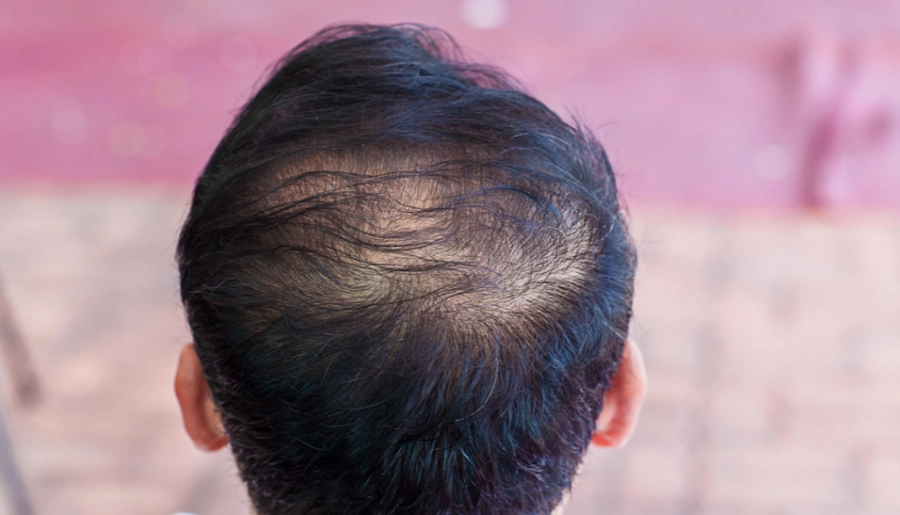
Permanent hair shedding is different and linked to androgenetic alopecia. In this case, DHT, a hormone derived from testosterone, binds to hair follicles and causes them to shrink over time. As follicles shrink, they produce thinner, shorter hair, leading to pattern hair loss. This process does not reverse on its own and may need treatment.
Who Is at Risk for Reduced Hair Density
Not everyone will have reduced hair density. Risk depends on health, diet, and the rate at which someone loses weight. People with pattern baldness or androgenetic alopecia may see more thinning. Low protein intake and nutritional deficiencies increase risk. Type 2 diabetes can also affect recovery.
How to Avoid Hair Loss on Tirzepatide
Preventing reduced hair density means keeping the body balanced. Slow and steady weight management reduces stress. Good protein intake supports the hair growth cycle. Watching nutrition helps prevent early shedding. Small changes can make a big difference.
Tirzepatide Hair Thinning Prevention Tips
- Maintain steady protein intake
- Avoid extreme calorie cuts
- Check iron and zinc levels
- Watch for early shedding
These steps help protect hair follicles during treatment.

Common Mistakes That Worsen Hair Shedding
Some habits can worsen hair shedding. Extreme dieting and low protein intake stress the body. Ignoring early signs delays action. This allows nutritional deficiencies to grow. Fixing these issues early can help prevent hair density loss.
Vitamins and Supplements for Hair Health
Supplements can help when diet alone is not enough, especially for weight management. Key nutrients include iron, zinc, and protein, which support hair follicles and the hair growth cycle, especially when addressing gaps identified in deficiencies that affect hair health.
Low levels can lead to reported loss of hair density and slower hair regrowth, including cases linked to B12 deficiency, which is explained in detail in B12 and hair shedding. Fixing these gaps helps restore normal hair function. Medical advice is important before starting supplements.
Tirzepatide Hair Loss Treatment and Diagnosis
Treatment depends on the cause. Temporary shedding often improves on its own. If hair shedding continues, further checks are needed. The goal is to tell telogen effluvium apart from pattern hair loss. This guides the next steps.
How Doctors Diagnose Loss of Hair Density
Doctors look at health history and recent weight management. They check protein intake and signs of nutritional deficiencies. Lab tests may include iron, zinc, and thyroid levels. They also examine hair density and shedding patterns. This helps find the real cause.
Hair restoration may be used in stable cases of pattern baldness. Common methods include FUE (Follicular Unit Extraction) and DHI (Direct Hair Implantation). These are widely used in modern practice. Doctor-led procedures and follow-up care are important. Choi pen implantation is one method used for precise placement.
Trichogenics operates in Greece and Israel, where trained doctors perform these procedures. These locations follow structured medical standards. Some other countries may have less regulation and less follow-up care.
How Long Does Tirzepatide Cause Reduced Hair Density?
Reduced hair density from Tirzepatide usually starts 6 to 12 weeks after the trigger, such as significant weight loss or low protein intake. Shedding often lasts around 2 to 4 months, which matches the resting phase of the hair growth cycle.
In most cases, the process begins to slow once the body adapts and nutritional deficiencies are corrected. Early hair regrowth can appear within 3 to 6 months, but full recovery may take longer depending on health and consistency of care.
Does Hair Grow Back After You Stop Tirzepatide?
Hair regrowth is common after stopping Tirzepatide or once the body stabilizes. Hair follicles that moved into the resting phase can return to the growth phase within a few months.
Factors That Affect Hair Regrowth
- Good protein intake
- Fixing iron and zinc deficiencies
- Slow weight management
- No underlying pattern of hair shedding
These factors affect how quickly hair regrows.
Tirzepatide vs Semaglutide Hair Loss
Hair thinning patterns are similar between Tirzepatide and Semaglutide because both drugs affect appetite, insulin response, and weight management. This can lead to significant weight loss in a short time, which places stress on the body.
That stress disrupts the hair growth cycle and pushes more hair follicles into the resting phase. This process triggers telogen effluvium rather than direct follicle damage.
The key factor is how fast a person loses weight, not the specific drug. Faster weight loss increases the chance of reported reduced hair density due to nutritional deficiencies and low protein intake.
Both medications carry a similar risk because they work in comparable ways. Differences in hair thinning usually depend on diet, health status, and treatment management.
When to See a Doctor
See a doctor if hair shedding does not improve. Early checks can find nutritional deficiencies or other causes. People with pattern hair loss may need closer care. Quick action can improve results.
Signs of Severe Hair Loss and Next Steps
- Sudden heavy shedding
- Visible thinning
- Hair shedding lasting several months