


A headband can cause hair loss if worn too tightly or too often, especially if it constantly pulls at the hairline. The question “Can a headband cause hair loss?” depends on how often you wear them, how tight they are, and your hair type.
Constant pulling and pressure can weaken hair follicles and, over time, lead to traction-related thinning. According to clinical perspectives shared by Dr. Asi Peretz and Dr. Eric Peretz, founders of Trichogenics, mechanical stress on the scalp is a known factor in some forms of hair loss.
Key Takeaways
- Headbands can cause hair loss when worn too tightly or for extended periods, as constant pressure and pulling can damage hair follicles and disrupt normal growth cycles.
- Traction alopecia is a common cause of hairline thinning, linked to tight hairstyles and hair accessories, especially when the same area is repeatedly stressed.
- Early signs such as breakage, thinning at the temples, or scalp irritation are often reversible if tension is reduced and habits are adjusted promptly.
- Loose headbands used for short periods are generally safe, but daily tight use or sleeping with them can increase the risk of long-term hair damage.
- If hair loss persists despite lifestyle changes, a medical evaluation can help determine whether the condition is temporary or requires treatment.
Does Wearing a Headband Cause Hair Loss?
Headbands can lead to hair loss when they apply constant pressure to the same area of the scalp. This pressure can disrupt normal hair growth cycles and weaken follicles over time. The answer depends on how tightly and how often it is worn. People with fine hair may notice changes sooner due to increased sensitivity to tension.
If you are currently using headbands, small changes can help right away. Reducing tightness and limiting wear time can lower the impact on your scalp. These steps help prevent hair damage before it progresses. Avoid wearing headbands too tightly and rotate their position to reduce constant pulling.
It is also important to understand whether this type of hair loss is temporary or permanent. In the early stages, follicles remain active and can recover once tension is reduced. However, long-term constant pressure can damage follicles and lead to hair loss. Recognizing this difference early helps guide your next steps.
Most headbands do not cause hair loss when used properly. Loose styles worn for short periods are generally safe and support healthy hair growth. Problems usually develop when people wear tight styles daily or for long periods. Using them with care helps maintain scalp health.
What Is Traction Alopecia?
Traction alopecia is a form of hair loss caused by repeated tension on the hair. Headbands worn too tightly can lead to traction alopecia, especially along the hairline. This happens when constant pulling and pressure over time affect the follicle. Early stages are often reversible if the source of tension is removed.
From a biological perspective, constant pressure can reduce blood flow and create mild inflammation in the scalp. This stress can disrupt the normal hair growth cycle and weaken follicles. Over time, this may lead to traction alopecia and visible thinning. Reducing tension supports recovery and helps prevent further damage.
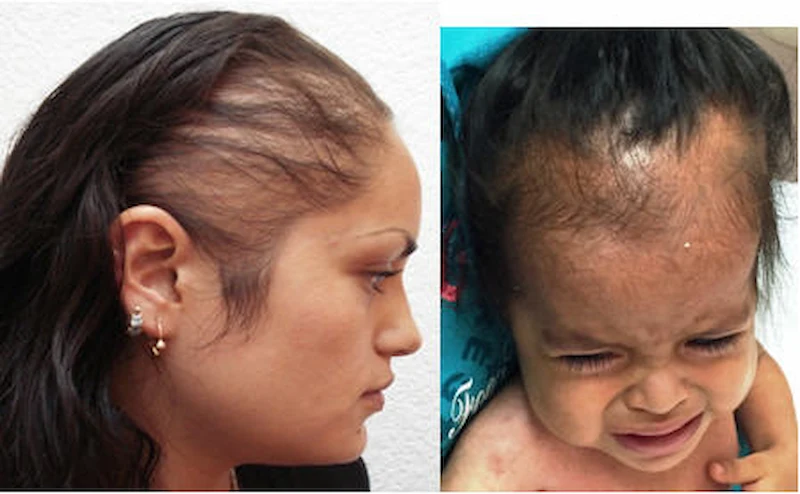
How Tension Damages Hair Follicles
Constant pulling affects blood flow and increases stress in the follicle. When people wear headbands too tightly, follicles may enter a resting phase earlier than normal. If this continues, it can lead to hair loss in affected areas. This type of damage is often linked to repeated use of tight hairstyles and hair accessories.
In some cases, doctors may also evaluate internal factors, such as thyroid-related hair loss, when symptoms do not align with traction patterns.
When Headbands Damage the Hairline
Hairline recession is a common effect of repeated tension from headbands. This area is more sensitive to constant pressure and friction. Over time, repeated stress can weaken follicles and change the shape of the hairline. Early awareness helps prevent long-term thinning.
Do Tight Headbands Cause Hair Loss?
Tight headbands increase the risk of traction-related thinning. When people wear tight styles daily, the repeated stress can lead to hair loss. This risk is higher when combined with tight hairstyles that create constant pulling. Reducing tension helps protect the scalp.
Do Headbands Cause a Receding Hairline?
Headbands can contribute to a receding hairline if they create constant pressure in the same area. This may lead to uneven density or thinning near the temples. Over time, repeated stress can shift the hairline. Adjusting habits early helps prevent progression.
Habits and Side Effects of Headband Use
Is It Bad to Leave a Headband on your Head?
The answer depends on duration and tightness. Keeping a headband on all day can increase constant pressure and affect scalp health.
Daily habits play a key role in whether headbands cause damage. Wearing them for long periods or during sleep can increase friction and tension.
A common example includes wearing headbands during workouts or all-day routines. When the same area is subjected to constant pulling, thinning may develop over time. This is more noticeable in individuals with fine hair. Changing habits can reduce the impact on scalp health.
Can Hair Loss From Headbands Be Reversed?
Hair loss from headbands can often improve if addressed early. When tension is reduced, follicles can recover and support new growth. Early signs include breakage, thinning, and mild irritation. These changes are usually reversible with proper care.
Long-term damage may become permanent if constant pulling continues. In these cases, follicles may stop producing hair. This is why early action is important. Monitoring changes helps prevent further hair loss.
How to Wear a Headband Without Damage
You can reduce the risk by adjusting how you wear headbands. Choose soft materials that reduce pressure and avoid tight fits. Limit how long you wear them and avoid sleeping with them.
Some people also use supportive treatments like coconut oil for hair loss to help maintain scalp health, alongside reducing tension.
These steps help maintain scalp health and prevent hair damage.
To reduce the risk:
- Avoid wearing headbands too tightly
- Limit wear time
- Reduce constant pressure on one area

These changes support healthy hair growth and help prevent traction-related damage.
Doctor’s Perspective on Hairline Damage
Clinical evaluation helps determine the cause of hair loss. Specialists assess patterns, habits, and scalp condition to identify whether tension is the main factor. Dr. Asi Peretz notes that traction-related loss often follows areas of repeated pressure. This pattern helps differentiate it from genetic hair loss.
Treatment Options for Hairline Loss
Treatment depends on the cause and severity of hair loss. Medical options may support follicle function and improve scalp health. Results vary depending on individual conditions and the timing of intervention.
Hair transplant procedures such as FUE (Follicular Unit Extraction) and DHI (Direct Hair Implantation) are used to restore hairlines in advanced cases, and understanding different hair transplant techniques can help guide treatment decisions.
Techniques like Choi pen implantation are part of modern practice.
Clinics in Greece and Israel often emphasize doctor-led procedures and structured follow-up care. Patients should review medical standards carefully, as some countries may have limited regulation and variable oversight.
If you are noticing changes in your hairline or want a professional evaluation, scheduling a consultation can help clarify the cause and next steps.

