


Blood pressure can contribute to hair loss, but it is usually not the direct cause. When people ask, “Can blood pressure cause hair loss?” the answer often involves reduced blood flow that limits oxygen and nutrients reaching hair follicles, which can affect the hair growth cycle.
In many cases, antihypertensive medications such as beta-blockers or ACE inhibitors may trigger shedding as a side effect rather than the condition itself. Dr. Asi Peretz and Dr. Eric Peretz, founders of Trichogenics, note that these changes often lead to temporary thinning hair rather than permanent follicle damage.
Key Takeaways
- Blood pressure does not directly cause hair loss, but it can contribute to hair thinning through changes in circulation, stress, or medication side effects.
- Hair loss linked to hypertension is often temporary and may improve once underlying factors such as blood flow or medication are managed.
- Medications for high blood pressure can cause shedding as a side effect, but this is usually reversible.
- Other conditions, including androgenetic alopecia, telogen effluvium, and alopecia areata, should be considered before linking hair loss only to blood pressure.
- Accurate diagnosis is essential to protect hair health and guide appropriate treatment.
Does Hypertension Cause Hair Loss?
Hair Loss and Hypertension Explained
Hypertension can indirectly affect hair by altering how blood vessels deliver nutrients to the scalp. This may disrupt the hair growth cycle and lead to thinning hair rather than sudden loss. Hair loss and hypertension often occur together with other health conditions, which makes diagnosis more complex.
In clinical practice, this type of hair loss is usually temporary and related to systemic changes. It differs from androgenetic alopecia, also known as male pattern baldness, which follows a genetic pattern.
How Blood Flow Affects Hair Follicles
Hair follicles depend on consistent blood flow for oxygen and nutrients. When circulation is reduced, follicles may shift into a resting phase earlier. This can lead to shedding, slower regrowth, and delayed hair regrowth over time.
This process affects timing rather than permanently damaging the follicle. As a result, healthy hair and normal hair regrowth can return once circulation improves.
High Blood Pressure and Hair Thinning
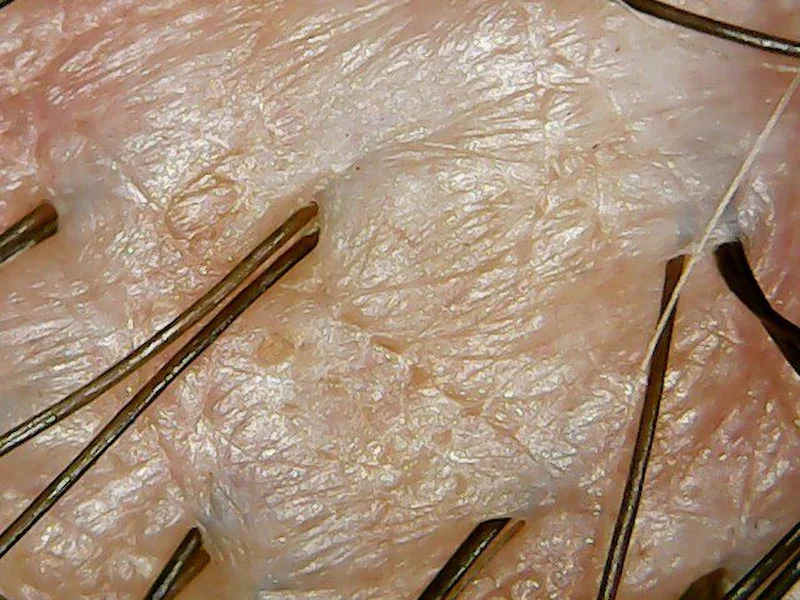
Hair thinning linked to hypertension usually happens slowly. Many people notice less volume or slower growth over time. These changes are tied to the hair growth cycle, not permanent damage to the follicles.
This pattern can resemble stress-related shedding or early androgenetic alopecia. Because of this, doctors check if hypertension is a factor or if another condition is causing the thinning.
Blood Pressure Medication and Hair Loss
In clinical settings, medication-related hair loss is evaluated separately from disease-related causes. Doctors review timing, dosage, and symptoms to identify whether a drug is responsible. This helps distinguish temporary shedding from other conditions.
Can Blood Pressure Tablets Cause Hair Loss?
Some blood pressure medications can cause hair loss as a side effect, including certain drugs like amlodipine, and its effects on hair loss.
This usually happens because the medication alters the hair growth cycle, leading to shedding. In most cases, this type of hair loss is temporary and improves over time.
Not everyone will have this reaction. If hair loss starts after starting a new medication, a doctor can check whether the drug is the cause and decide whether any changes are needed.
Other Causes of Hair Loss to Rule Out
Telogen Effluvium Explained
Telogen effluvium is a temporary condition where many follicles enter the resting phase at once. It is often triggered by stress or illness. This leads to noticeable shedding but is usually reversible.
Hair typically regrows once the underlying trigger is resolved. This makes it important to identify contributing factors early.
Hormonal and Genetic Factors
Hormones and genetics are common causes of hair loss, including changes linked to birth control and hair loss.
Androgenetic alopecia, or male pattern baldness, happens when you inherit sensitivity to a hormone called DHT. This sensitivity is passed down through your family and causes hair follicles to shrink over time.
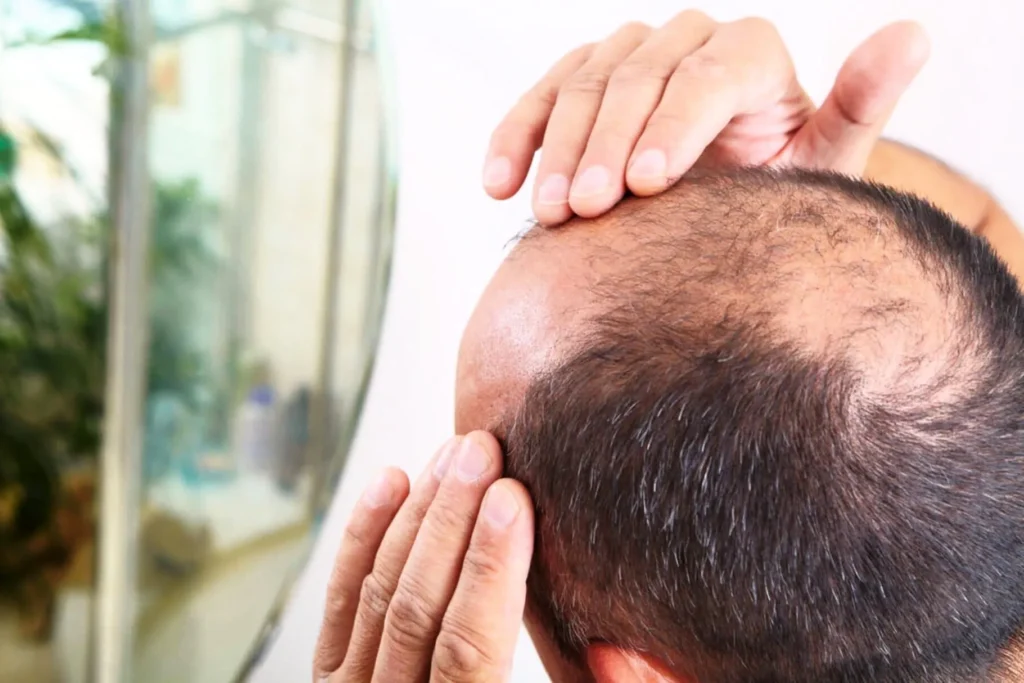
As follicles get smaller, hair becomes thinner and grows more slowly. This type of hair loss follows a pattern, such as a receding hairline or thinning at the crown, and usually requires treatment.
Is High Blood Pressure Hair Loss Reversible?
What Happens After Blood Pressure Control
Hair loss related to hypertension is often reversible. Once contributing factors are managed, circulation may improve, supporting regrowth. Most follicles remain capable of producing hair.
Since blood pressure is not usually the direct cause, recovery depends on addressing underlying issues. Early intervention improves outcomes.
Diagnosis and When to See a Specialist
Medical History and Lab Tests
Doctors evaluate hair loss by reviewing medical history and related health conditions. Lab tests may help identify hormonal or nutritional factors. This ensures accurate diagnosis.
A clear evaluation helps determine whether blood pressure is involved or if another cause is responsible.
How to Treat Hair Loss Linked to Hypertension
Medical Treatment Options
Treatment depends on the cause of hair loss. Adjusting medication or managing blood pressure may improve hair growth. Additional therapies may support the hair growth cycle, including topical options like Nizoral shampoo for hair loss.
In some cases, patients may also explore options such as mesotherapy for hair, which delivers nutrients directly to the scalp.
Dr. Asi Peretz highlights the importance of addressing both systemic health and scalp condition. This approach supports better long-term hair health.
Lifestyle Changes That Help
Lifestyle factors can improve hair health, including simple approaches like proper nutrition and using coconut oil for hair loss.
Managing stress, maintaining a balanced diet, and supporting cardiovascular function all play a role.
These changes help maintain stable blood vessels and support consistent hair growth.
If you are noticing hair loss, a proper evaluation can help identify the cause. You can schedule a consultation at Trichogenics to review your condition and discuss treatment options.

