

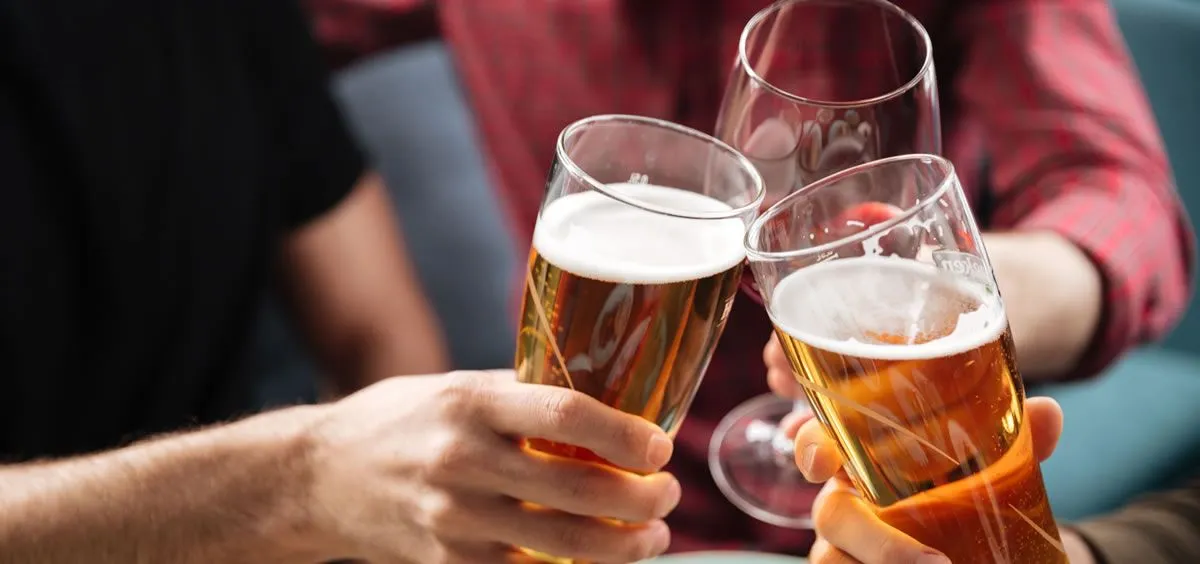
Alcohol does not directly cause permanent baldness in most cases, but it can contribute to hair loss through indirect effects on the body. When people ask, “Does alcohol cause hair loss?” the answer depends on factors like nutrition, hormones, and overall health.
Excessive alcohol consumption can disrupt the hair growth cycle, lead to hair loss and thinning, and worsen existing conditions. At Trichogenics, founded by Dr. Asi Peretz and Dr. Eric Peretz, clinical discussions often focus on identifying underlying causes rather than assuming a single trigger.
Key Takeaways
- Alcohol does not directly cause baldness, but it can contribute to hair loss.
- Excessive alcohol consumption can damage hair follicles and cause hair thinning.
- Alcohol-related hair loss is often reversible with lifestyle changes.
- Conditions such as alopecia areata or thyroid disorders may also cause hair loss.
- Healthy hair depends on reducing alcohol and eating a balanced diet.
Does Alcohol Cause Hair Loss Or Baldness Over Time
Alcohol alone does not usually cause baldness, but drinking too much alcohol can lead to hair changes over time. Heavy drinking affects nutrient absorption, hormone balance, and recovery processes in the body. These changes can contribute to hair loss and gradually reduce hair density.
When alcohol use becomes frequent, the body may struggle to maintain stable hair growth. This can lead to hair shedding instead of consistent growth.
When Alcohol Starts Affecting Hair
Hair changes usually appear after repeated or long-term exposure to alcohol rather than occasional use. Drinking too much alcohol over weeks or months can disrupt nutrient levels and weaken the hair growth cycle. Early signs often include dryness, slower growth, and mild shedding.
Cause Vs Contributing Factor in Hair Loss
Alcohol is rarely the primary cause of hair loss, but it can contribute to hair loss by disrupting key systems that support hair follicles. It can impair nutrient absorption, reduce protein synthesis, and affect hormone balance, all of which are essential for a stable hair growth cycle.
These changes weaken follicles over time and increase the likelihood of shedding, especially in individuals with existing risk factors.
When people ask “Does drinking cause baldness?”, the answer usually involves these indirect effects. Alcohol can lead to hair changes by increasing inflammation, dehydration, and nutritional deficiencies, which make follicles more vulnerable.
In individuals with genetic hair loss, these factors can accelerate progression rather than initiate it.
Who Is Affected By Alcohol Hair Loss
Does Alcohol Cause Hair Loss in Women
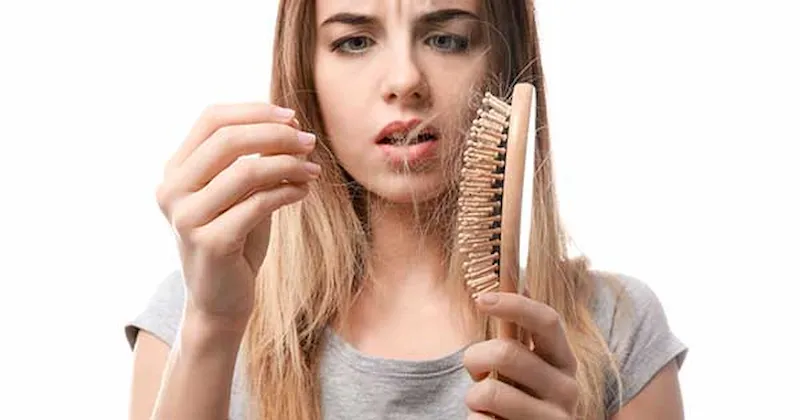
Women may experience hair loss and thinning due to nutritional deficiencies and hormonal sensitivity. Alcohol use can reduce iron levels and affect the hair growth cycle. This often leads to diffuse shedding rather than pattern baldness.
Anxiety and depression may also affect hair health and contribute to hair loss. These factors can push follicles into a resting phase.
Does Alcohol Cause Hair Loss in Men
Men are more likely to have genetic hair loss, and alcohol can worsen this condition. While it does not directly cause androgenetic alopecia, it can accelerate progression. Hormonal changes may increase sensitivity to DHT (dihydrotestosterone), a hormone that affects how hair follicles function.
This means alcohol contributes to hair loss rather than acting as the main cause.
How Alcohol Affects Hair Growth And Hair Loss
Nutrient Deficiencies And Hair Health
Alcohol interferes with nutrient absorption, leading to deficiencies in iron, zinc, and protein. These nutrients are essential for maintaining the hair growth cycle and supporting healthy hair. Deficiencies in these areas can weaken hair strands and slow growth.
Alcohol also affects protein synthesis and reduces the body’s ability to repair cells. Over time, this can lead to hair that becomes fragile and more prone to breakage.
Hormonal Changes and DHT Impact
Alcohol can disrupt hormone balance by affecting how the body processes testosterone and estrogen. This can increase the amount of DHT formed or the sensitivity of hair follicles to it.
DHT binds to hair follicles and gradually shrinks them, producing thinner and weaker hair over time. Alcohol can also increase inflammation, which makes follicles more reactive to DHT.
This is why hormonal imbalance is an indirect way alcohol can lead to hair thinning, especially in people with genetic sensitivity.
Telogen Effluvium And Temporary Shedding
Heavy drinking can trigger telogen effluvium, a temporary form of hair loss. This occurs when stress or internal imbalance pushes hair into the shedding phase. It usually appears a few months after the trigger.
This type of hair loss is often reversible once the underlying cause is addressed.
Signs Alcohol Is Affecting Your Hair
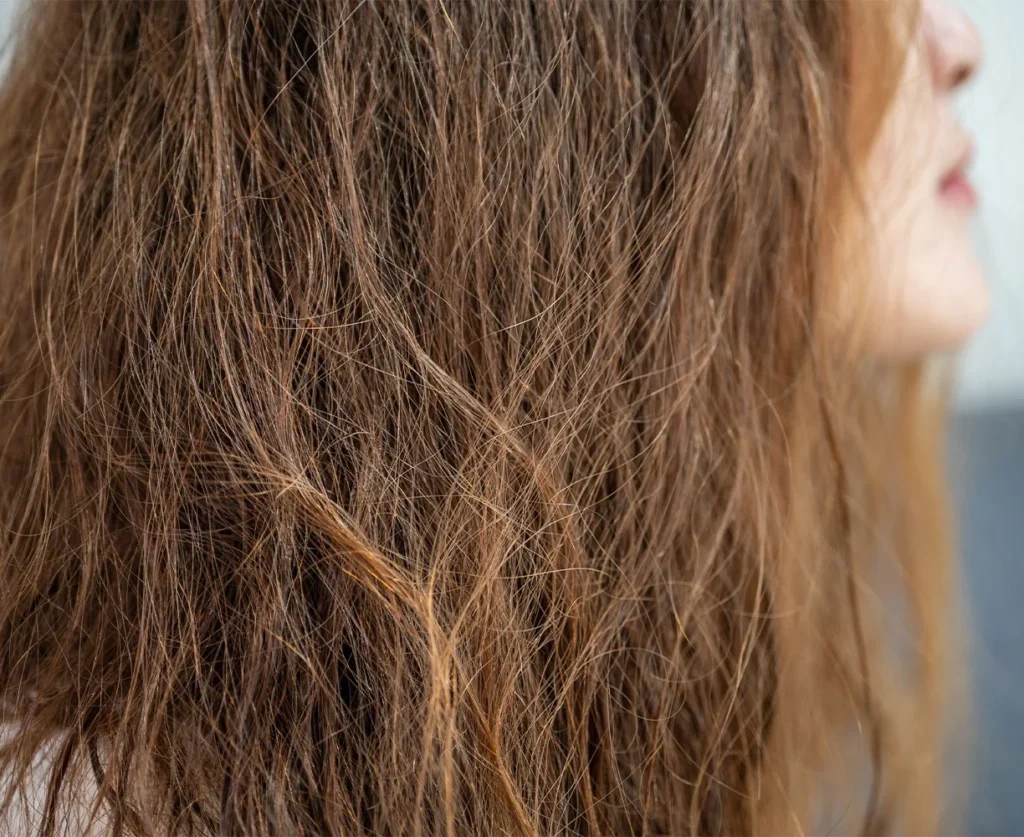
Hair changes from alcohol are usually gradual and easy to miss. Early signs include weaker texture, dryness, and reduced strength.
Common signs:
- Increased shedding
- Dry or damaged hair
- Slower growth
- Dull appearance
These changes may indicate an internal imbalance affecting hair health.
How Hair Loss Develops Over Time
Hair loss related to alcohol usually develops gradually. The process often begins with internal imbalance and nutritional deficiencies. Over time, this weakens hair follicles and leads to increased shedding.
The progression often follows:
- Nutritional deficiencies develop
- Hair becomes weaker
- Shedding increases
- Density decreases
Is Alcohol Hair Loss Reversible?
In many cases, hair can recover after reducing alcohol intake. Once the body restores balance, the hair growth cycle can normalize. This process may take several months.
Recovery depends on whether hair follicles remain active. Temporary hair loss improves more easily than long-term conditions.
When Alcohol Is Not the Cause of Hair Loss
Alcohol is not always responsible for hair loss. Conditions such as alopecia areata or thyroid dysfunction can affect hair independently. These require medical evaluation.
Hair loss may also be linked to anxiety and depression or other health issues. Identifying the correct cause is important before treatment.
How Much Alcohol Affects Hair Health
The risk of hair loss increases with frequent and excessive alcohol consumption. Occasional drinking usually does not affect hair, but heavy drinking over time can lead to nutritional deficiencies, hormonal imbalance, and damage to hair follicles. The more often and the more you drink, the higher the impact on the hair growth cycle.
In general:
- Moderate intake with a balanced diet, low risk of hair loss
- Regular heavy drinking, higher risk of hair loss and thinning
- Drinking too much alcohol with poor nutrition, the highest risk of damaged hair and shedding
This means alcohol affects hair health mainly when consumption is frequent and combined with poor lifestyle habits.
How To Prevent Hair Loss From Alcohol
Reducing alcohol intake helps restore balance in the body and supports hair growth. Avoiding excessive alcohol consumption improves overall health and reduces stress on hair follicles.
It is also important to eat a balanced diet to prevent nutritional deficiencies. Proper nutrition supports healthy hair and helps maintain strong follicles. You can also explore options like coconut oil for hair loss as part of a routine to improve hair condition.
What Is the New Treatment for Hair Loss
Modern restoration includes hair transplant techniques such as FUE (Follicular Unit Extraction) and DHI (Direct Hair Implantation), which are widely used in clinical practice. These procedures involve extracting and implanting hair follicles with precision. Methods such as the Choi pen are sometimes used to improve placement.
Doctor-led procedures and structured follow-up are important parts of treatment. Clinics in Greece and Israel often include these elements as part of patient care.
When Hair Transplant Is Considered
Hair transplant is considered when hair loss is stable and not due to temporary factors such as nutritional deficiencies or stress. If alcohol-related issues are addressed and hair does not recover, this may indicate a more permanent condition.
Techniques such as FUE and DHI are used in hair transplantation to address hair thinning and restore hair density. Doctor-led planning and structured follow-up help ensure appropriate treatment and realistic expectations.
When To Seek Medical Evaluation
You should seek medical advice if hair loss continues or worsens. Conditions involving the thyroid gland or alopecia areata may require diagnosis. Early evaluation helps identify the cause and guide treatment.
Hair loss outcomes vary depending on overall health, genetics, and lifestyle. Some cases improve with lifestyle changes, while others require medical or procedural care.
You can schedule a consultation to assess your hair condition and discuss appropriate next steps based on your individual case.

