


Amlodipine is a widely used prescription drug to treat high blood pressure, and it is not considered a common cause of hair loss or thinning. When people ask, “Does amlodipine cause hair loss?” the answer is that it has been reported in rare cases, but it is not a well-established or proven side effect.
Most patients who are experiencing hair loss while taking this medication are affected by other factors such as stress, underlying medical conditions, or additional medications.
Dr. Asi Peretz and Dr. Eric Peretz, founders of Trichogenics, note that identifying the true cause requires a structured evaluation by a healthcare professional. There is no confirmed causal link between amlodipine and hair loss based on current clinical evidence.
Key Takeaways
- Hair loss is not a commonly established side effect of amlodipine, and available clinical evidence does not confirm a direct causal link.
- When patients are experiencing hair loss, other factors such as stress, medical conditions, or additional medications are often involved rather than amlodipine alone.
- Medication-related hair loss often presents as telogen effluvium, which is temporary and may appear weeks after a trigger.
- Most cases are reversible, and hair growth often resumes once the underlying cause is identified and managed.
- A healthcare professional should evaluate persistent hair loss to guide safe decisions, especially when treating high blood pressure.
What Amlodipine Does in the Body?
Amlodipine is a calcium channel blocker used to treat high blood pressure and reduce cardiovascular risk. It works by relaxing blood vessels, improving circulation, and lowering heart rate. This helps reduce strain on the heart and lowers the risk of complications such as a heart attack. It is commonly prescribed for long-term management of cardiovascular conditions.
Although amlodipine affects blood vessel function, it does not directly act on hair follicles. Its role is focused on cardiovascular stability rather than hair growth. Understanding this helps clarify why hair loss is not a typical side effect.

Does Amlodipine Cause Hair Loss in Women?
Amlodipine is not a common or proven cause of hair loss in women. While rare cases exist, most hair loss is linked to hormones, stress, or other medical conditions.
Does Amlodipine Cause Hair Growth?
There is no evidence that amlodipine causes hair growth. Its function is to relax blood vessels and treat high blood pressure, not stimulate hair follicles. While circulation improves, this does not directly increase hair density. Patients should not expect regrowth from this medication.
How Common Is Hair Loss With Amlodipine
Hair loss is considered a rare side effect of amlodipine. Most patients who take this medication to treat high blood pressure do not report changes in hair density. When hair loss occurs, it is often difficult to confirm a direct cause due to multiple contributing factors.
Hair loss is considered rare, reported in a very small percentage of users compared with other side effects.
Frequency and Clinical Data
Hair loss is considered a rare side effect of amlodipine in clinical trials or prescribing data. It has been reported in less than 1% of users, based mainly on post-market observations. Unlike common side effects such as swelling or dizziness, hair-related changes are not consistently documented in controlled studies. This means the association exists, but it is not confirmed to be a direct causal effect.
When Hair Loss May Start
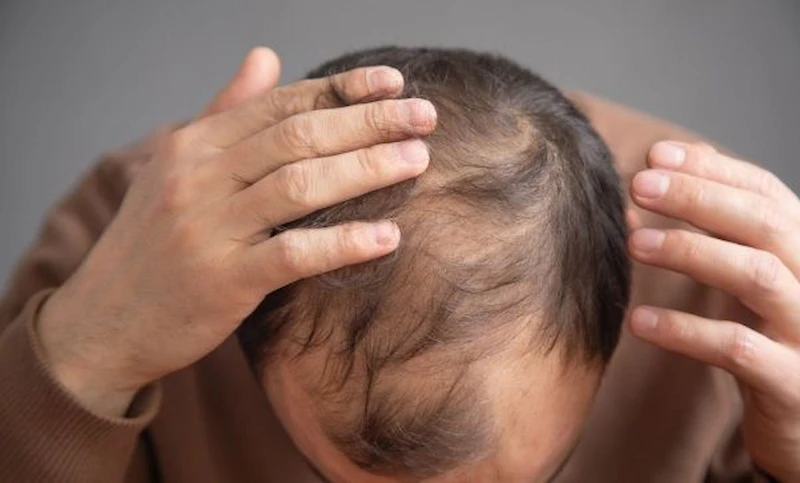
Medication-related hair loss often appears weeks to months after starting treatment. This delay reflects the natural hair cycle, especially in telogen effluvium. Patients may notice increased shedding during washing or brushing rather than sudden bald spots. This pattern helps distinguish it from other types of hair loss.
Clinical Evidence: Is Amlodipine Proven to Cause Hair Loss
Studies focus on cardiovascular outcomes and do not consistently identify hair loss as a direct effect. This means there is no confirmed causal relationship. Evidence suggests any association is rare.
Reports linking amlodipine to hair thinning are based mainly on patient observations. These do not prove direct causation. Other medical conditions or medications are often present. A healthcare professional can help interpret these patterns.
Amlodipine and Hair Loss: Causes and Risk
Amlodipine is not directly linked to hair loss, but indirect factors may play a role. Changes in health, stress, or medication combinations can affect the hair cycle. Evaluating risk requires reviewing the full clinical picture. This helps avoid incorrect assumptions.
How Drug-Induced Hair Loss Works
Drug-related hair loss often appears as telogen effluvium. This occurs when more hairs enter the shedding phase at once. It is usually temporary and reversible. Identifying the trigger is key.
Other Causes of Hair Loss
Treatment depends on the cause, and some patients explore options like coconut oil for hair loss as part of their routine. These include hormonal imbalance, stress, and nutritional deficiencies, as well as factors like birth control and hair loss.
Some drugs, such as beta-blocker medications and ACE inhibitors (angiotensin-converting enzyme inhibitors used to treat high blood pressure), have been linked to hair loss. A full evaluation helps rule out these causes.
When It’s Not the Medication
Hair loss is often unrelated to medication. Patients who are experiencing hair loss may have other triggers that are more likely explanations. Identifying these causes is essential before attributing symptoms to a prescription drug.
Common non-medication causes include:
- Stress or recent illness
- Hormonal changes
- Nutritional deficiencies
- Chronic medical conditions
These factors can disrupt the hair cycle and lead to temporary shedding. Addressing them often leads to improvement.
Who Is at Higher Risk of Hair Loss
Some patients may be more sensitive to changes in the hair cycle. This does not mean amlodipine directly causes hair loss. Certain factors can increase risk.
Higher-risk situations include:
- Existing types of hair loss
- Recent illness or stress
- Use of multiple medications
- Nutritional imbalance
Understanding these helps guide evaluation.
How to Tell if Amlodipine Is the Cause
Determining whether amlodipine is responsible requires careful assessment. Patients should review when hair loss started and other medication use. A healthcare professional can help identify patterns. This helps avoid incorrect conclusions.
Signs It May Be Medication-Related
Medication-related hair loss is usually diffuse and gradual, affecting the entire scalp rather than specific areas. Patients often notice increased shedding during washing or brushing, with more hair on pillows, in the shower, or on combs.
It typically begins weeks to months after starting a new prescription drug, which aligns with the hair growth cycle seen in telogen effluvium. This pattern differs from patchy hair loss conditions and should be evaluated over time by a healthcare professional.
Tests and Medical Evaluation
Evaluation may include blood tests and a review of medical conditions. In some cases, medication adjustment may be considered. This should always be done under medical supervision. A structured approach ensures safety.

Is Hair Loss From Amlodipine Reversible
Hair loss linked to medication is usually temporary. Hair growth often resumes once the cause is addressed. Recovery may take several months. The outcome depends on identifying the trigger.
Will Hair Grow Back After Stopping Amlodipine
Hair regrowth is possible if the medication is involved. However, stopping treatment without guidance is not recommended. Amlodipine helps treat high blood pressure and reduce the risk of a heart attack. A healthcare professional should guide any changes.
Other Blood Pressure Medications That Cause Hair Loss
Some blood pressure medications have been linked to hair loss, including beta-blockers like propranolol and metoprolol, and ACE inhibitors such as enalapril and lisinopril. The risk is low and varies by individual.
Compared to these, amlodipine is less commonly associated with hair changes.
Amlodipine Side Effects You Should Know
Amlodipine is generally well tolerated. Most side effects relate to its effect on blood vessel dilation. Patients may notice swelling, flushing, or changes in heart rate. Hair loss is considered uncommon.
Side Effect Classification and Risk Levels
Side effects can be grouped by frequency. This helps patients understand risk.
- Common – swelling, dizziness, flushing
- Less common – fatigue
- Rare – hair thinning, allergic reaction
Hair loss falls into the rare category. It occurs in a small percentage of users.
What to Do if You Notice Hair Loss
If you are experiencing hair loss, avoid assuming the cause. Many factors can contribute to shedding. A structured evaluation helps determine the reason. Early assessment is important.
When to See a Doctor
Seek medical advice if hair loss continues or worsens. A healthcare professional can assess your condition. This is important if other symptoms appear. Early evaluation helps rule out serious causes.
Treatment Options
Treatment depends on the cause. Options may include addressing deficiencies, adjusting medication, or, when appropriate, using treatments such as Nizoral shampoo for hair loss.
In some cases, hair restoration techniques such as FUE (Follicular Unit Extraction) and DHI (Direct Hair Implantation) are considered. These procedures are doctor-led and may involve tools like the Choi pen.
Clinics such as Trichogenics in Greece and Israel highlight the importance of physician training and follow-up care. In contrast, some countries may have less regulation and variability in standards. Patients should consider safety, supervision, and continuity of care.
Clinical Review and Medical Context
This content reflects current clinical understanding of medication-related hair loss. Hair loss is not a well-established side effect of amlodipine. Clinical evaluation is necessary to determine the cause. Patients should consult a healthcare professional before making decisions.
If you are experiencing hair loss and want a clear, medically guided evaluation, scheduling a consultation can help identify the cause and next steps.
A personalized assessment helps you determine whether your hair changes are temporary or require treatment. You can schedule an appointment to discuss your concerns and explore appropriate options based on your case.
A personalized assessment helps you determine whether your hair changes are temporary or require treatment. You can schedule an appointment to discuss your concerns and explore appropriate options based on your case.

