

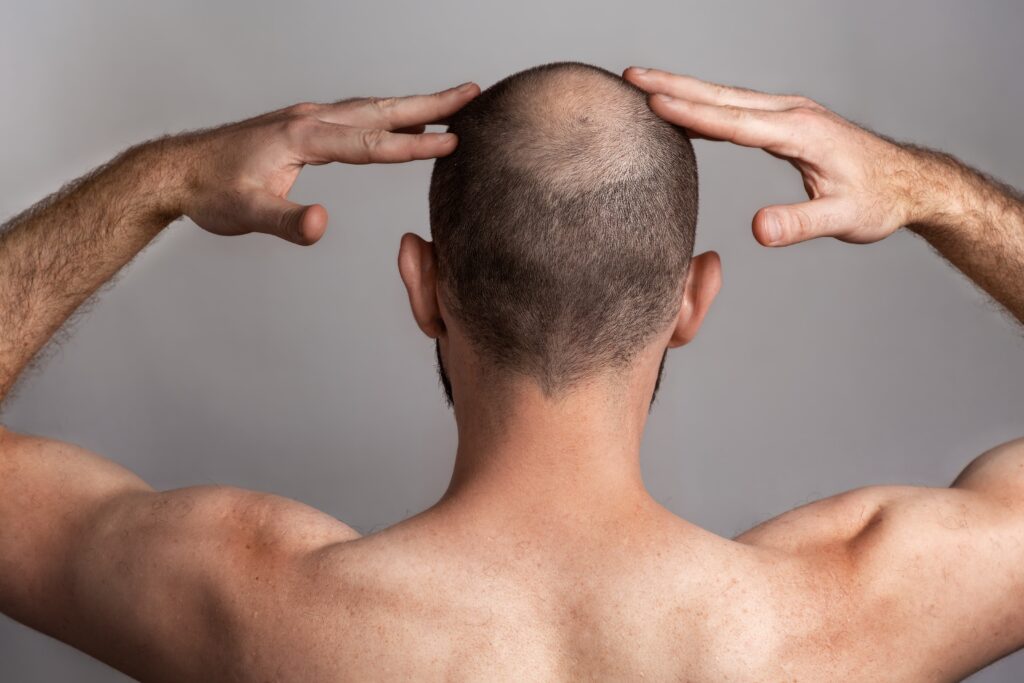
No, current clinical evidence does not show that creatine directly causes hair loss. When people ask whether creatine causes hair loss, they often worry about hormones implicated in genetic baldness. This concern is not about damage to hair follicles.
Research shows no consistent changes in hair density, shedding rate, or growth cycles in healthy users taking standard doses. In most cases, hair thinning that appears during supplementation aligns with the natural timing of male pattern baldness.
The sections below explain what studies show, why this link is often misunderstood, and who may need a medical evaluation.
Key Takeaways
- Clinical research shows no direct link between creatine use and hair loss, and creatine and hair thinning usually reflect genetic male pattern baldness rather than follicle damage.
- Evidence from human studies, including hormone analysis, suggests that creatine does not harm hair follicles or disrupt hair growth cycles when taken at recommended doses.
- Creatine supports physical performance by increasing adenosine triphosphate ATP availability during high-intensity exercise, a process unrelated to hair biology.
- Available data suggests that creatine may slightly influence hormone levels in some individuals, but this does not translate into proven or consistent hair loss outcomes.
Does Creatine Cause Hair Loss?

Current evidence indicates that creatine does not cause hair loss. Research shows no measurable changes in hair density, follicles, or growth cycles in users taking standard doses.
As thinning progresses, it typically follows genetic patterns similar to those observed in Norwood 2 or Norwood 5 hair transplants, which are driven by inherited follicle sensitivity rather than supplementation.
Does creatine make you lose your hair?
Creatine does not damage hair follicles or interrupt the hair growth cycle. Hair loss that appears during supplement use often coincides with the natural onset of male pattern baldness.
If progression continues, understanding what happens to the donor area after a hair transplant becomes more relevant than focusing on supplements as the cause.
How fast does creatine cause hair loss?
Hair growth occurs in cycles lasting months, not weeks. Sudden shedding shortly after starting creatine is unlikely to be biologically linked. Perceived changes usually reflect timing overlap rather than a direct effect.
Creatine and Hair Loss: Study Evidence
Scientific research has not demonstrated a causal link between creatine and hair loss. A recent controlled clinical trial published on PubMed found no changes in hair count, thickness, or density after supplementation.
These findings reinforce that creatine and hair loss are not directly connected.
Does creatine cause hair loss? Study results.
The most cited data involve hormone measurements rather than hair outcomes. Research shows stable hair parameters even when creatine is used during high-intensity exercise programs aimed at increasing muscle mass.
What the 2009 rugby study found
The often-quoted 2009 study on male rugby players observed a rise in dihydrotestosterone DHT after creatine use. The study did not assess hair loss, hair thinning, or scalp changes.
Follicular response to DHT varies among individuals and influences outcomes, such as hair transplant density planning in advanced cases.
Creatine, DHT, and Hair Follicles
DHT plays a central role in androgenetic alopecia. It binds to receptors in susceptible hair follicles and gradually shortens the growth phase. This mechanism explains why some individuals are concerned about supplements that affect hormone balance.
DHT levels and hair thinning
DHT levels vary between individuals and are largely determined by genetics. Research shows that modest hormonal shifts do not automatically lead to hair thinning. Only follicles genetically sensitive to DHT are affected.
Creatine alopecia explained
Creatine alopecia is not a recognized medical diagnosis. The term is used online to describe coincidental hair loss. Clinical evidence does not support creatine baldness as a distinct condition.
Does Creatine Cause Hair Loss in Males and Women?
Sex-specific concerns are common, yet the biological mechanisms differ. Men are more likely to experience androgen-related hair loss, while women often present with diffuse thinning.
Does creatine cause hair loss in males?
In men with a family history of male pattern baldness, hair loss may progress regardless of supplement use. Creatine does not increase follicle sensitivity to DHT. It does not independently lead to hair loss.
Advanced stages may resemble patterns such as the Norwood 7 hair transplant.
Does creatine cause hair loss in women?
Women generally have lower DHT levels. Available data provide no evidence that creatine causes hair thinning in women. Hormonal balance, iron levels, and thyroid function play a larger role.
Why Creatine Gets Blamed for Baldness
Creatine often accompanies lifestyle changes, such as new training routines and dietary adjustments. These factors can change scalp appearance and fuel concern.
Male pattern baldness timing overlap
Many users begin supplements in their twenties, the same period when genetic hair loss often starts. This overlap creates the impression that creatine leads to hair loss.
Water retention and shedding fears
Creatine increases intracellular water retention in muscles. Changes in hydration can affect scalp tension and hair appearance. This does not indicate follicle damage.
Does creatine powder affect your hair?
Powdered creatine does not differ from capsule forms in its effect on hair. The delivery method does not influence hair follicles or growth cycles.
Creatine Safety, Side Effects, and Dosage

Creatine has a strong safety profile when used correctly. Most side effects are unrelated to hair health and are well-documented in clinical literature.
Common side effects unrelated to hair
Typical side effects of creatine include:
- Water retention and temporary weight gain
- Mild gastrointestinal discomfort
- Muscle cramping in dehydrated individuals
These effects do not indicate hair loss or follicle damage.
Long-term use and safety data
Long-term studies have shown no adverse effects on kidney function among healthy users. Research shows stable hormone profiles with recommended doses. Ongoing monitoring is advised for individuals with medical conditions.
How much creatine is needed to avoid hair loss
There is no dose threshold linked to hair loss. Standard recommended doses include:
- Loading phase: 20 g per day for 5 days
- Maintenance: 3–5 g per day
Users concerned about hair should consult a healthcare professional rather than adjust their own dosing.
When to See a Hair Loss Doctor
Hair loss should be evaluated by a physician when changes are progressive or concerning. Supplements are rarely the primary cause.
Signs you should not ignore
Medical evaluation is appropriate when:
- Shedding exceeds normal daily loss
- Thinning progresses rapidly
- A family history of early hair loss exists
What a clinic can test
A clinical assessment may include:
- Scalp examination and density measurement
- Hormone and DHT levels
- Nutritional and metabolic screening
In surgical contexts, physician-led care is essential. In countries such as Greece and Israel, hair restoration procedures, including FUE and DHI, are performed in licensed clinics with certified operating rooms.
For example, a physician-performed FUE procedure in Greece typically ranges from USD 3,500 to USD 6,000 for 2,500 grafts, including anesthesia and structured follow-up. In contrast, high-volume clinics in Turkey may charge USD 1,800–2,800, often with technicians performing most steps and limited physician oversight.
Differences relate to medical supervision, time per patient, and follow-up care.
Understanding financial structures is also important, as detailed in hair transplant costs explained what you’re Really Paying For.
Medical Review and Sources
This article was reviewed by physicians experienced in hair restoration medicine, including Dr. Asi Peretz. Sources include peer-reviewed research, dermatology publications, and patient-reported experiences for context.
Content reflects current evidence and was last updated in 2026.
Why Choose Trichogenics?
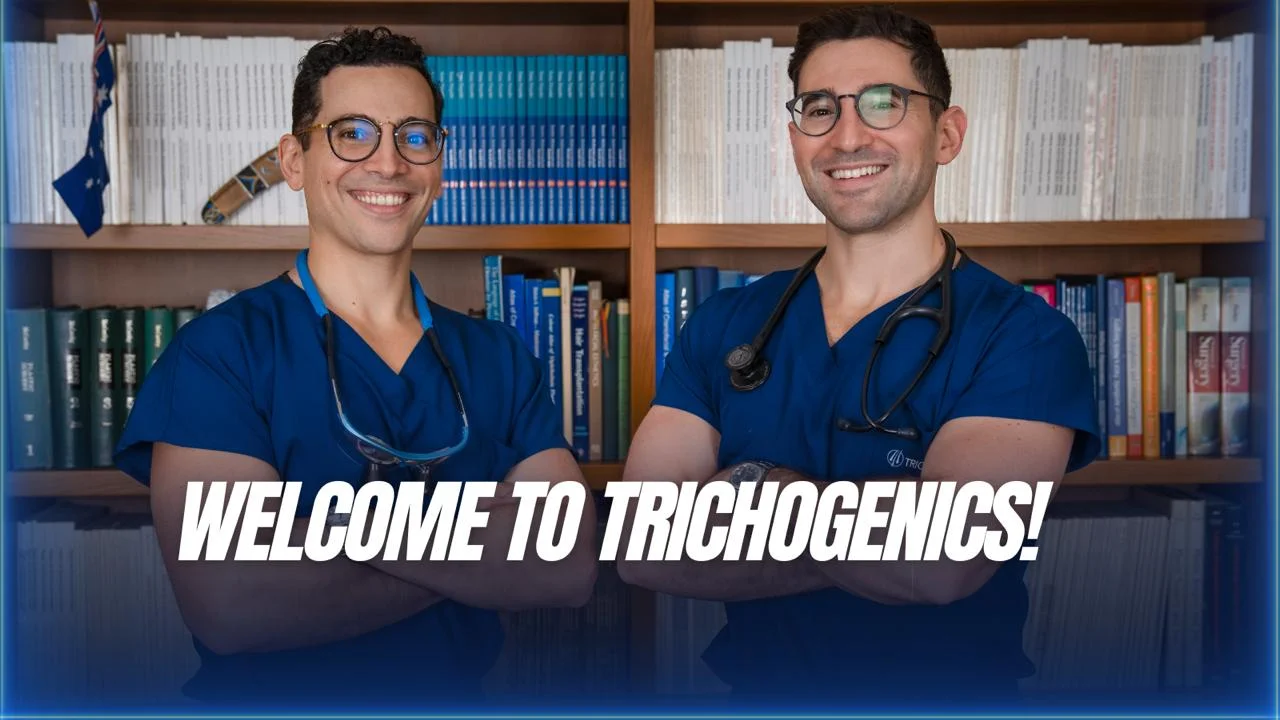
All procedures are performed only by doctors
The uniqueness of Trichogenics lies in its strict medical process; only certified doctors perform every transplant.
No technicians or unqualified assistants are involved. Choosing a clinic with proven experience in hair transplants can make all the difference.
Meet Dr. Asi and Dr. Eric Peretz
The two doctors leading Trichogenics, Drs. Asi and Eric Peretz are recognized leaders in the field. Their extensive experience, attention to detail, and focus on natural results make Trichogenics the best choice.
Contact Trichogenics today to schedule a personal consultation and get a clear, doctor-led plan for your hair restoration.


