
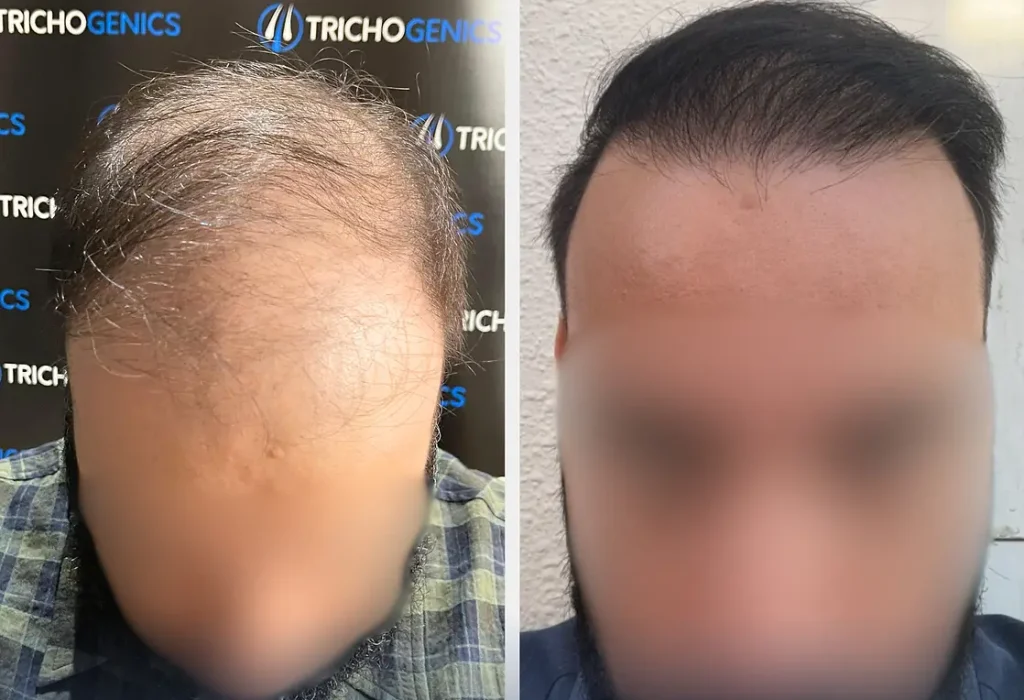
A Norwood 5 hair transplant can enhance your look by adding hair in important areas. However, it cannot create a full head of hair. Results depend on the quality of the donor area, hair traits, and how grafts are spread across the front and middle of the scalp.
Costs vary based on graft count, number of sessions, and whether procedures are doctor-led or clinic-based. Available options usually include FUE or DHI techniques, with planning focused on natural balance rather than full density. The sections below explain how these factors shape realistic outcomes and treatment decisions.
Key Takeaways
- A Norwood 5 hair transplant can improve overall appearance by rebuilding key areas, even though it cannot recreate a full head of hair in advanced hair loss cases.
- Results depend largely on donor area strength and the amount of remaining hair that can be safely redistributed to visible zones.
- Surgical planning usually prioritizes the frontal area and mid scalp to reduce the visual impact of a receding hairline.
- Cost varies based on graft count, technique, and whether the procedure is doctor-led, with these factors shaping both safety and outcomes.
- Hair restoration at this stage focuses on balance and natural proportions rather than density, helping patients look less advanced in their stage of hair loss.
Can a Norwood 5 Hair Transplant Work?
A Norwood 5 hair transplant can work when the donor area contains enough healthy follicles for redistribution. Surgeons typically focus on rebuilding the frontal area and mid-scalp instead of attempting full coverage.
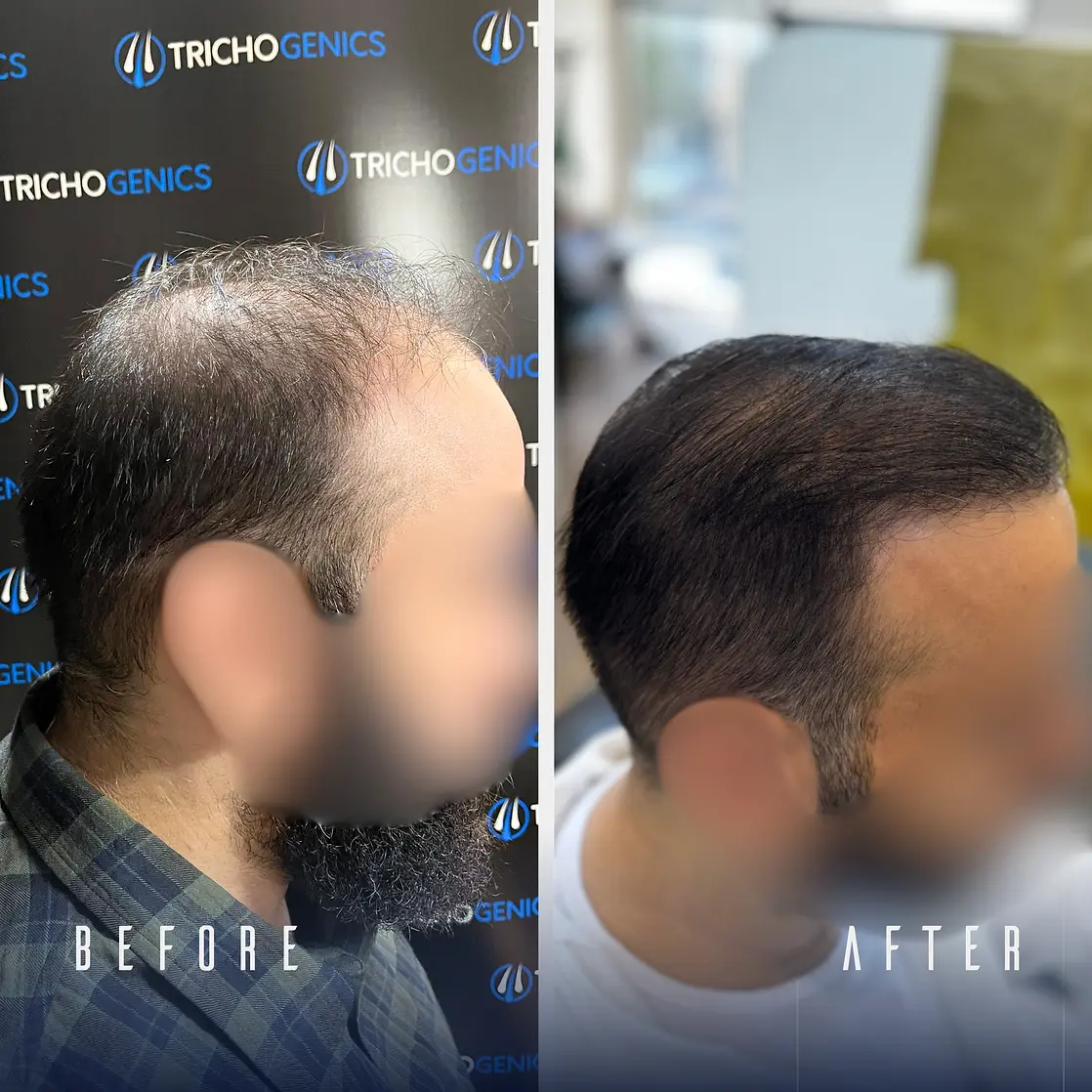
This strategy creates a stronger facial frame, even when the crown remains thinner. Outcomes vary widely, which is why advanced cases are often compared with Norwood 7 hair transplant planning to understand donor limitations.
Is Norwood 5 Too Late or Reversible?
Norwood 5 is not reversible in the biological sense. Hair follicles in bald areas do not regrow on their own once male pattern hair loss reaches this advanced stage.
What Surgery Can Restore
A hair transplant can relocate follicles from the horseshoe-shaped donor area to thinning regions. This can improve coverage in key zones and reduce contrast between bald areas and the remaining hair.
What Cannot Be Reversed?
Surgery cannot restore native follicles that are permanently lost. Density will always be limited by donor availability and scalp surface area.
What Norwood 5 Hair Loss Means
Norwood 5 represents a late stage of male pattern balding. It involves extensive recession and thinning across multiple scalp zones.
Norwood 5 Hairline Pattern
The Norwood 5 hairline shows deep recession at the temples with loss across the frontal area. A thin bridge of hair may separate the front from the crown.
Grade 5 Baldness on the Norwood Scale
On the Hamilton Norwood Scale, this stage reflects progression beyond isolated recession. It indicates widespread hair loss rather than localized thinning.
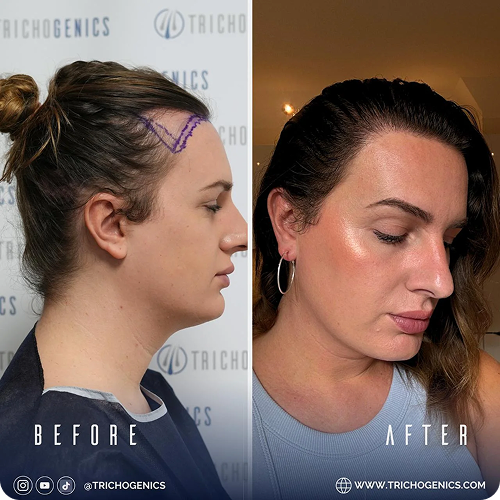
Norwood 5 Hair Transplant Results and Before and After Examples
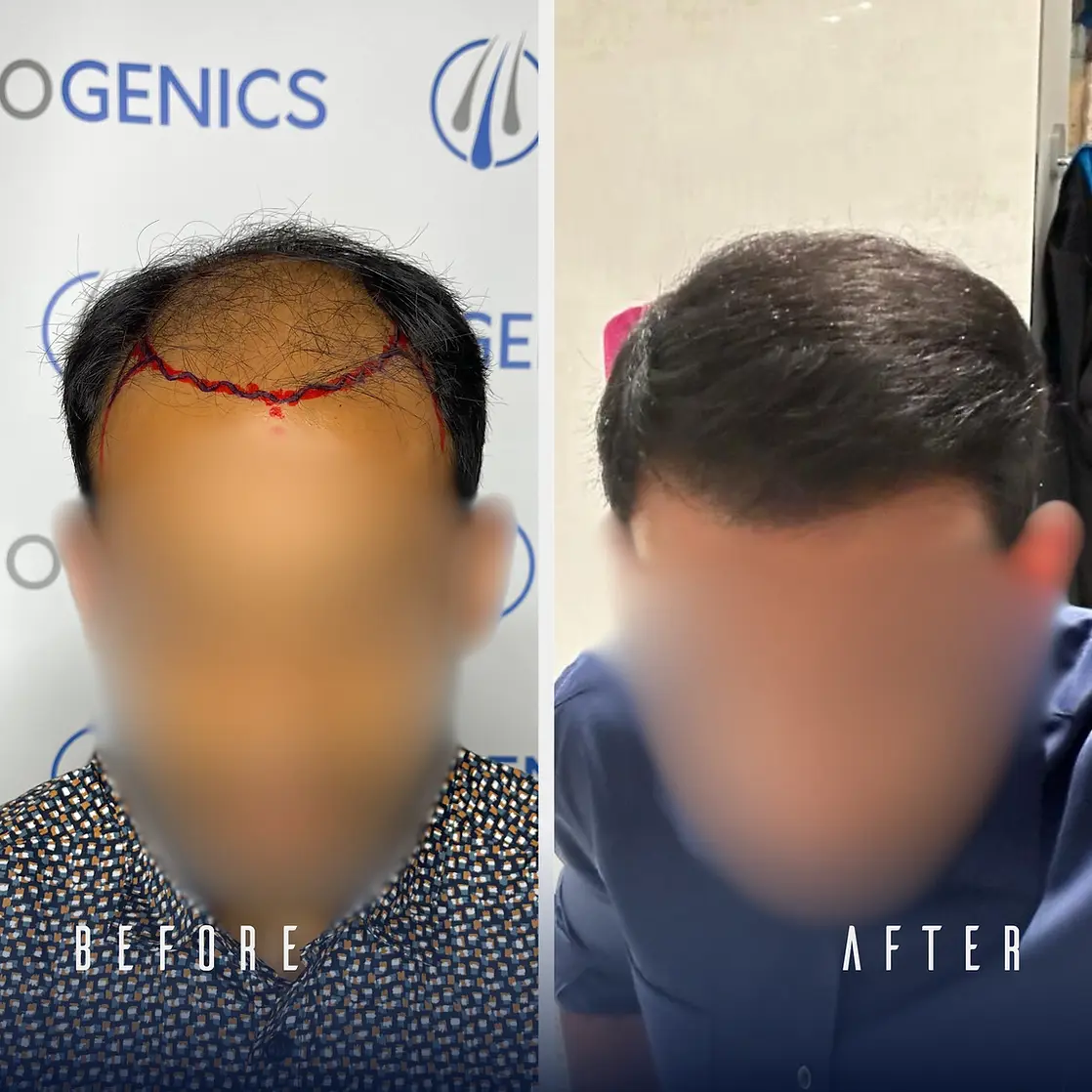
Norwood 5 examples often show improvement in framing rather than total coverage. Before-and-after comparisons typically highlight a reconstructed hairline and improved balance across the scalp.
Results often resemble hair transplant density planning, in which visual balance is more important than graft concentration.
What Results Look Like
Results aim to soften the appearance of bald areas and improve symmetry. Patients often appear less advanced in their hair loss stage after surgery.
Density and Coverage Limits
Coverage is prioritized over density. Creating the illusion of fullness matters more than matching the density of a youthful head of hair.
Hair Transplant Strategy for Norwood 5
Treatment planning for this stage requires careful allocation of grafts.
Key strategy elements include:
- Preserving the donor area for long-term needs
- Prioritizing the frontal area and mid scalp
- Avoiding overharvesting that risks visible thinning
These principles closely align with how hair transplants function in advanced cases.
Donor Area Limits
The donor area provides a finite number of usable follicles. Once depleted, it cannot regenerate.
Frontal and Mid-Scalp Planning
Surgeons often reconstruct the frontal zone first because it most strongly shapes facial appearance.
How Many Grafts Are Needed for Norwood Stage 5?
Most Norwood Stage 5 cases require a high graft count. Numbers vary based on scalp size, hair caliber, and hair remaining.
Common ranges discussed in clinical settings include:
- 4,000 to 6,000 grafts for partial coverage
- More if multiple sessions are planned
@trichogenics 32 year old male 3200 grafts Average: 2.35 hairs/graft FUE 24 months after surgery #trichogenics #hairtransplant #hairtransplantturkey #hairloss #hairlosssolutions
♬ original sound - Trichogenics
Norwood 5 Hair Transplant Cost Factors
Because Norwood 5 involves a larger bald area, a high number of grafts is usually required — often several thousand (commonly ~3,000–5,000 or more). The more grafts needed, the longer the surgery and the more it costs.
Grafts, Sessions, and Technique
Factors include the number of sessions, use of FUE or DHI, and tools such as Choi pen implantation.
Doctor-Performed vs Technician Clinics
In regulated settings such as Greece and Israel, procedures are often doctor-led, with structured follow-up.
Some patients consider traveling abroad to countries such as Turkey, but countries with limited oversight may pose safety risks due to inconsistent regulations and variable training standards.
Hair Growth Timeline After Surgery
Hair growth follows a predictable cycle. Transplanted hair sheds first, then regrows over several months.
Typical phases include:
- Initial shedding within weeks
- Early growth at 3 to 4 months
- Visible improvement by 9 to 12 months
Why Choose Trichogenics?
All procedures are performed only by doctors
The uniqueness of Trichogenics lies in its strict medical process; only certified doctors perform every transplant. No technicians or unqualified assistants are involved. Choosing a clinic with proven experience in hair transplants can make all the difference.
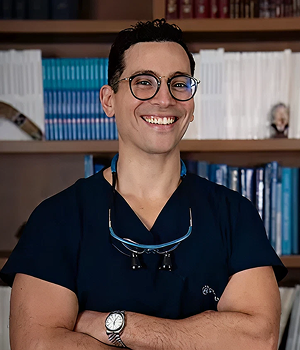
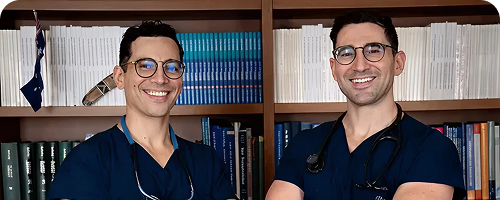
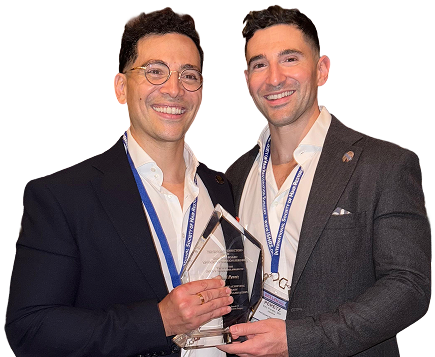
Meet Dr. Asi and Dr. Eric Peretz
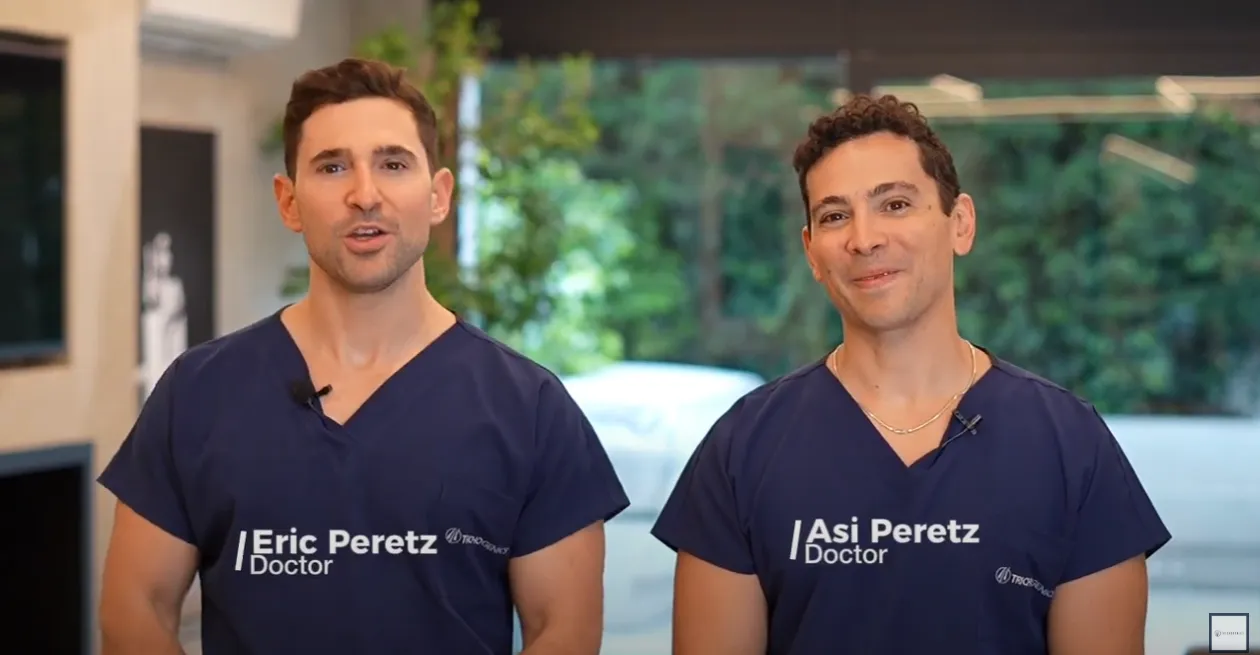
The two doctors leading Trichogenics, Dr. Asi Peretz and Dr. Eric Peretz, are recognized leaders in the field. Their extensive experience, attention to detail, and focus on natural results make Trichogenics the best choice.
Contact Trichogenics today to schedule a personal consultation and get a clear, doctor-led plan for your hair restoration.