

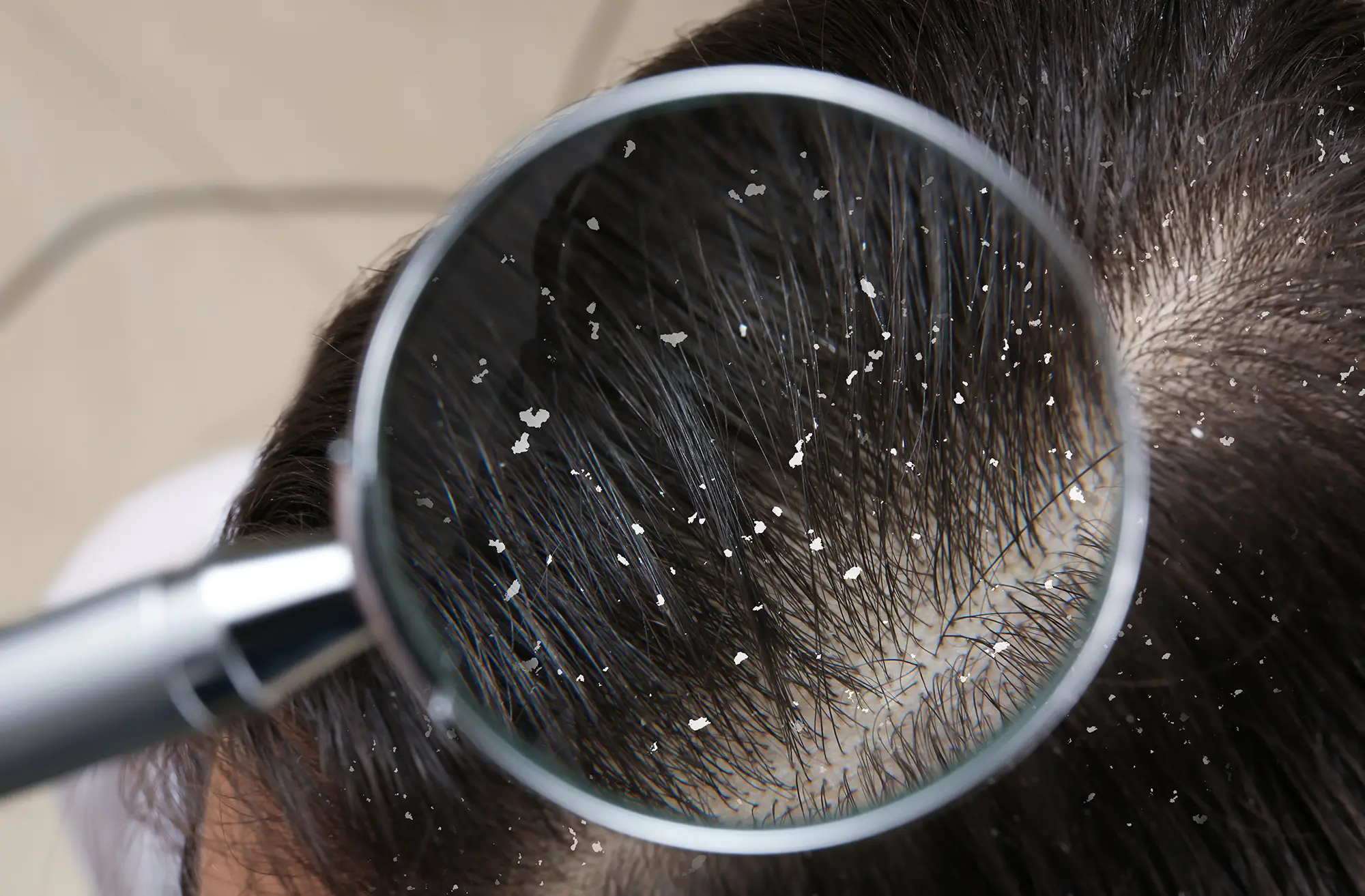
Dandruff does not directly cause permanent hair loss or baldness. Many people ask whether dandruff causes hair loss because flakes, itching, and increased shedding often occur together.
In most cases, dandruff causes temporary hair loss. This happens due to scalp irritation, inflammation, and scratching. It does not damage the hair follicles.
Once scalp conditions are treated and irritation decreases, hair growth usually returns to normal. The sections below explain why this happens and how dandruff-related shedding differs from true hair loss.
Key Takeaways
- Dandruff does not cause permanent hair loss or balding, but it can lead to temporary hair shedding due to scalp irritation, inflammation, and scratching.
- Hair shedding linked to dandruff usually improves once the underlying scalp condition is treated and normal scalp health is restored.
- Dandruff-related shedding differs from the patterned thinning seen in Norwood 5 hair transplant progression.
- Using appropriate medicated shampoos and maintaining gentle scalp care can reduce flakes, itching, and excess shedding in most cases.
Can Dandruff Cause Hair Loss or Thinning?
Dandruff can contribute to hair thinning when the scalp becomes inflamed or irritated. This often leads people to ask whether dandruff can cause hair loss.
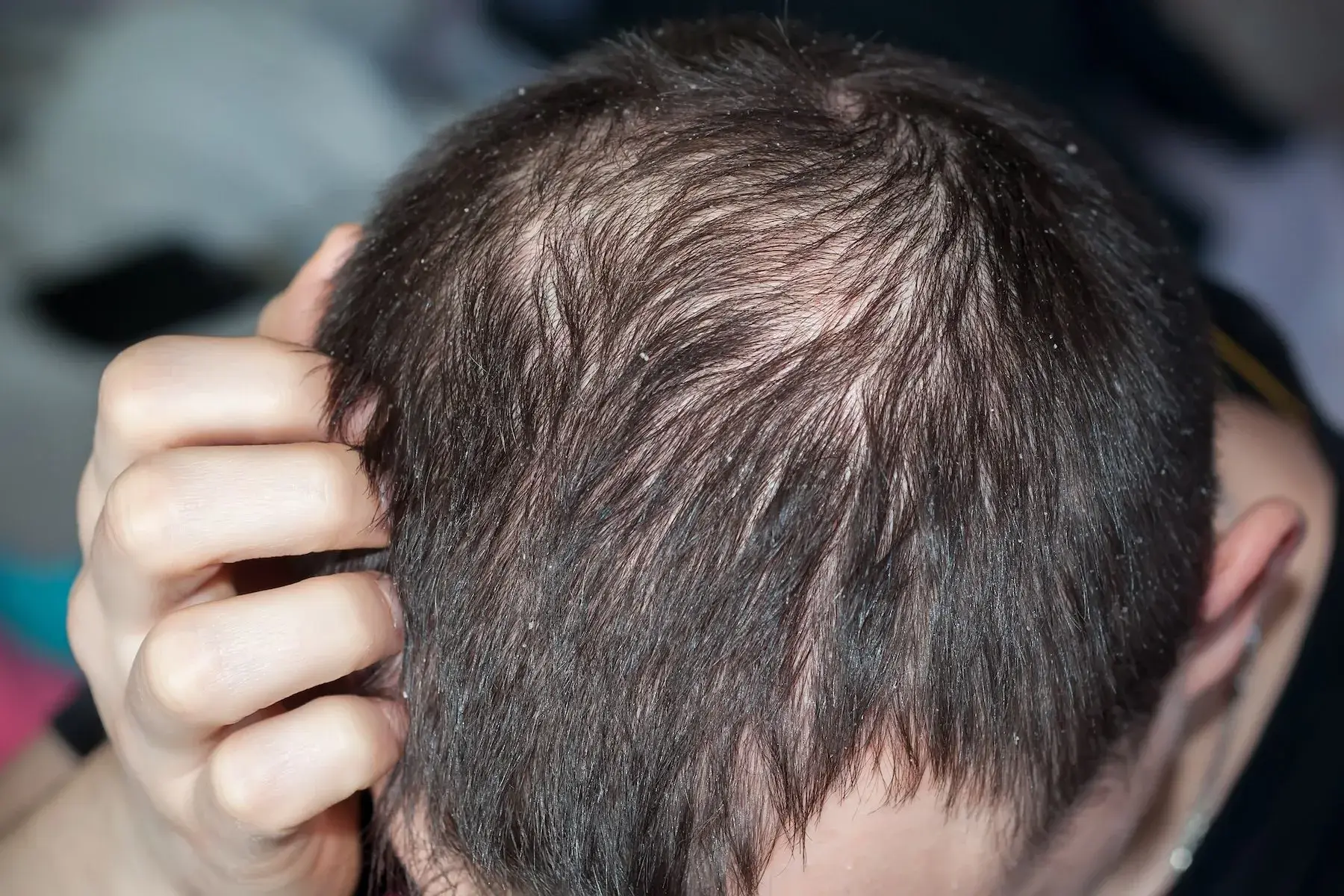
The answer depends on how the scalp reacts rather than on dandruff itself, which does not cause follicle failure. Hair usually regrows once the underlying scalp condition is controlled.
How Dandruff Triggers Hair Shedding
Dandruff is a skin condition linked to excess oil, yeast overgrowth, or dry skin. These factors can cause an itchy scalp, leading to scratching that loosens hairs before their normal shedding phase.
This results in increased shedding, not permanent follicle damage. The association between dandruff and hair loss is mechanical and inflammatory rather than hormonal, unlike the condition treated with finasteride after hair transplantation.
Does Dandruff Damage Hair?
Dandruff does not damage the hair root itself. It can weaken the hair shaft through friction and repeated scratching, which increases breakage.
Flaky skin and inflammation may also disrupt scalp health, resulting in hair appearing thinner. Once dandruff is treated, this type of damage usually improves.
Hair Loss Due to Dandruff: Temporary or Permanent?
Hair loss related to dandruff is almost always temporary. Dandruff and balding are often confused, but they involve different biological processes.
Balding results from follicle sensitivity to hormones and may follow patterns discussed in when you should get hair transplant considerations. Dandruff affects only the scalp surface.
Will Hair Loss Due to Dandruff Grow Back?
In most cases, yes. When dandruff is controlled, hair regrowth resumes because follicles remain intact.
Patients who improve scalp conditions often see reduced shedding within weeks. Persistent thinning beyond several months may indicate an alternative cause.
Dandruff vs Balding: How They Differ
@trichogenics One of the most common causes of itching and flaking scalp is a fungus called Malasezzia. Malasezia usually lives on your scalp and causes no issues at all. But any physical change (like stress, or a new hair care product), can trigger an imbalance in your natural Flora and an overgrowth of Malasezzia fungus. It can also spark an episode of Seborrheic Dermatitis if your body’s immune system over reacts to the fungus. Luckily it can be easily treated with 2% Ketoconazole shampoo that’s found over the counter in most countries. #trichogenics #dandruff #malassezia #ketoconazole #hairloss #hairlossremedy #hairfall #hairfallsolution
♬ original sound - Trichogenics
Dandruff affects the scalp, while balding affects the follicle itself. Hair loss from dandruff appears diffuse and sudden, whereas genetic hair loss follows predictable patterns. Understanding this difference helps avoid unnecessary concern.
Scalp Irritation vs Genetic Hair Loss
Scalp irritation causes shedding across the head. Genetic hair loss causes gradual recession or crown thinning. The presence of flakes, excess oil, or an itchy scalp points toward dandruff rather than androgen-related loss.
Can Treating Dandruff Stop Hair Loss?
Treating dandruff often reduces related shedding by restoring normal scalp function.
Early treatment is important when thinning accompanies flakes, especially before patterns associated with hair transplant success become relevant.
Medicated Shampoos and Active Ingredients
Many anti-dandruff shampoo formulations contain specific active ingredients that reduce yeast and inflammation. Common examples include:
- Salicylic acid to remove scale buildup
- Selenium sulfide to reduce yeast activity
- Zinc pyrithione for antifungal properties
These medicated shampoos help control excess oil, reduce flaky skin, and alleviate irritation when used consistently.
How to Regain Hair Loss Due to Dandruff
Once dandruff is controlled, regrowth usually follows. Patients should:
- Continue gentle washing your hair without over-scrubbing
- Avoid harsh products that worsen dry skin
- Maintain treated dandruff routines for several weeks
These steps support scalp recovery and help treat hair concerns linked to irritation.
Can Dandruff Cause Hair Loss in Kids?
Children can experience dandruff-related shedding, but it is uncommon. Pediatric scalp conditions often include cradle cap or mild fungal imbalance. Hair loss in kids should always be evaluated if it persists, especially if redness or pain appears.
@trichogenics How to treat dandruff 😳 #dandruff #dandrufftreatment #hairloss #balding #itchyscalp #trichogenics #hairtransplant #hairtransplantturkey #finasteride #dutasteride #malepatternbaldness #minoxidil #rosemaryoil
♬ original sound - Trichogenics
When Hair Loss Is Not From Dandruff
If hair loss continues after dandruff improves, another cause may be present.
Conditions such as androgenetic alopecia or autoimmune disorders require medical evaluation. In adults considering surgical options, physician-led care becomes essential.
In hair restoration practice, procedures such as FUE or DHI are performed in certified clinics under licensed physicians. For example:
- Greece: USD 3,500–6,000 for a physician-performed FUE procedure including anesthesia, graft extraction, implantation, and follow-up.
- Israel: Similar ranges with doctor-led DHI using Choi pen implantation and structured post-operative care.
- Turkey: USD 1,800–2,800 in high-volume clinics where technicians often perform most steps with limited physician oversight.
Lower pricing often reflects fewer medical controls, multiple patients per day, and reduced follow-up. For this reason, patients are advised to prioritize regulated medical environments rather than travel to countries with weaker oversight.
As Dr. Asi Peretz has noted in clinical discussions, accurate diagnosis always precedes treatment selection. Not all hair loss relates to dandruff, and not all thinning requires surgery.
Why Choose Trichogenics?
All procedures are performed only by doctors
The uniqueness of Trichogenics lies in its strict medical process; only certified doctors perform every transplant. No technicians or unqualified assistants are involved. Choosing a clinic with proven experience in hair transplants can make all the difference.
Meet Dr. Asi and Dr. Eric Peretz
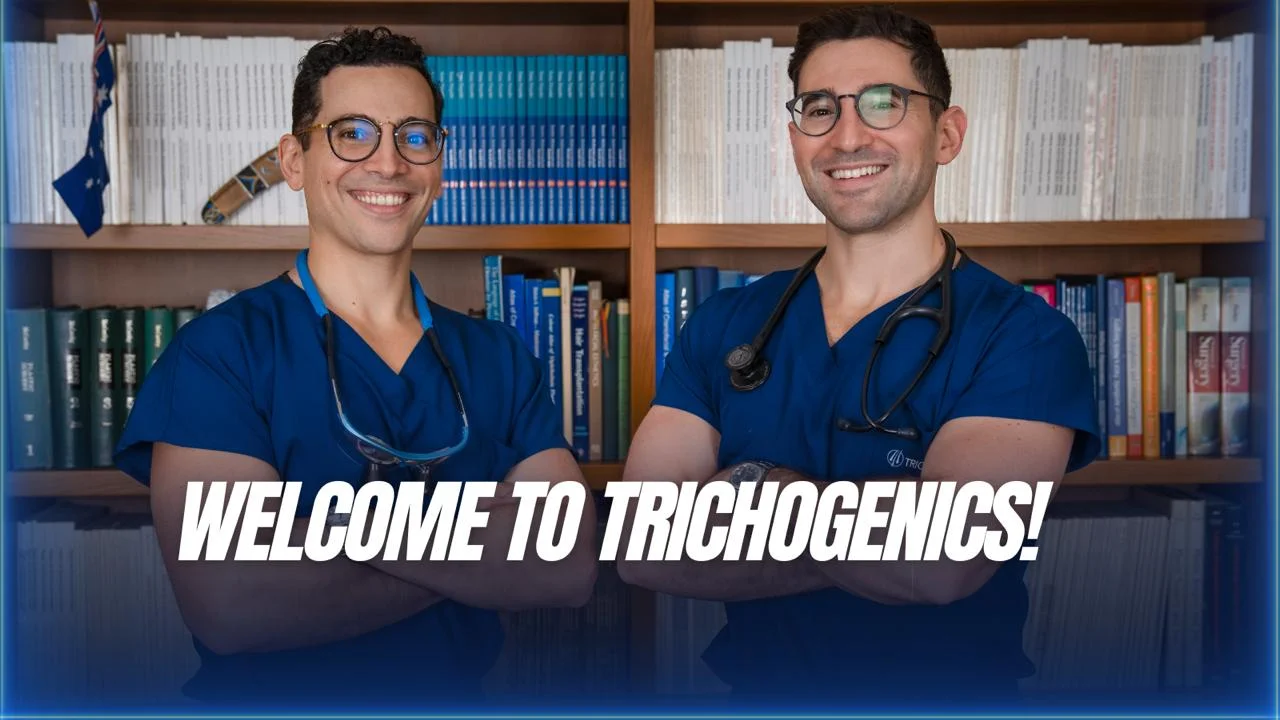
The two doctors leading Trichogenics, Dr. Asi Peretz and Dr. Eric Peretz, are recognized leaders in the field. Their extensive experience, attention to detail, and focus on natural results make Trichogenics the best choice.
Contact Trichogenics today to schedule a personal consultation and get a clear, doctor-led plan for your hair restoration.


