

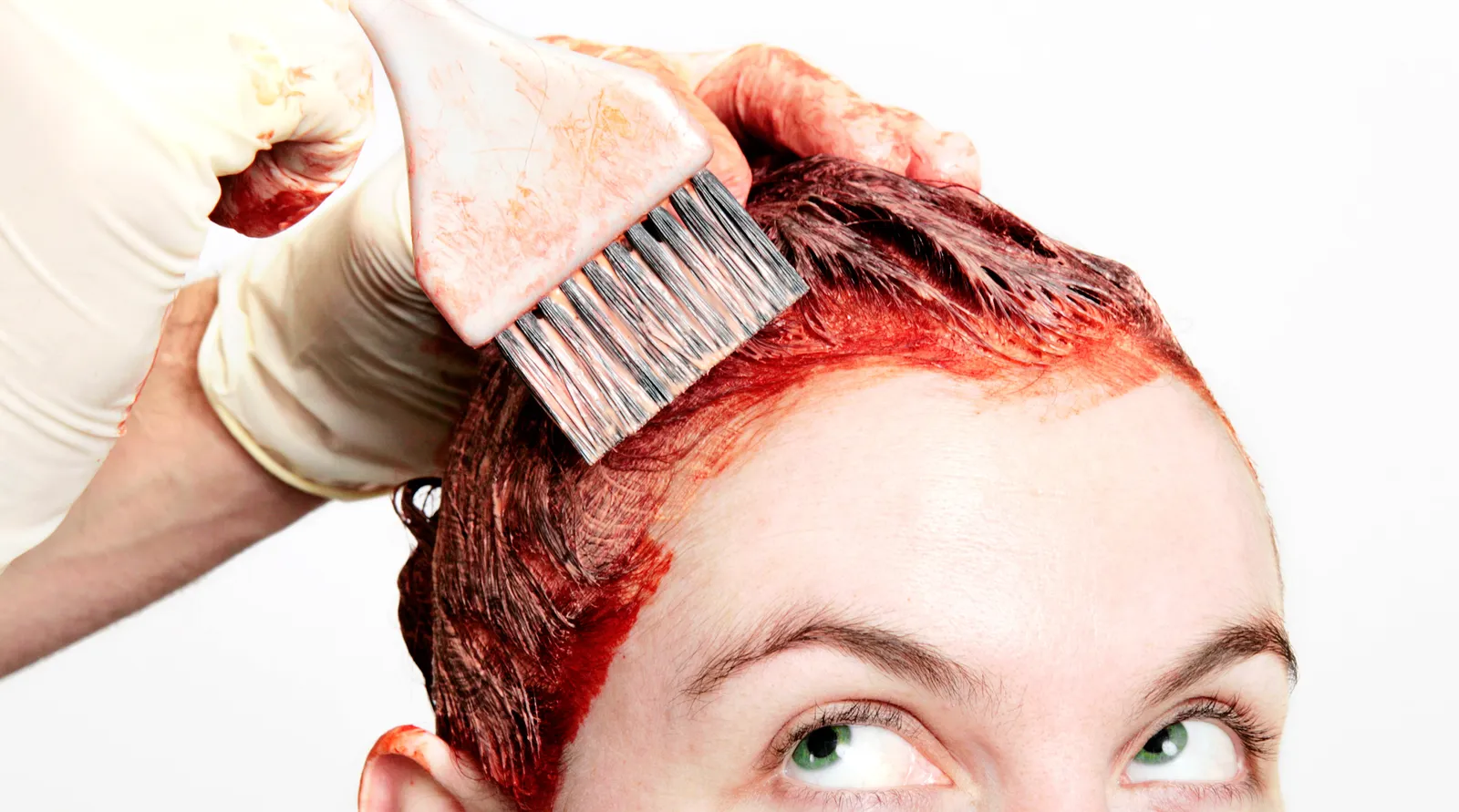
Hair dye does not cause permanent hair loss in most cases. The effect is usually limited to damage of the hair shaft, not the hair follicles, where growth begins. This distinction explains why most issues are temporary and reversible. It also helps separate breakage from true hair thinning.
Hair dye can weaken hair strands and lead to breakage that can look like hair thinning. Many people ask, “Does hair dye cause hair loss?” The answer depends on how the product is used and the condition of the scalp. Chemicals such as hydrogen peroxide in permanent hair dyes can reduce hair strength with repeated use.
Dr. Asi Peretz and Dr. Eric Peretz, founders of Trichogenics, note that true hair loss involves the hair follicles, not surface damage.
Key Takeaways
- Hair dye does not usually cause permanent hair loss because it affects the hair shaft, not the hair follicles responsible for hair growth.
- Most issues linked to hair dye involve breakage or temporary shedding, which can make thinning hair appear worse without indicating true hair loss.
- Frequent use of permanent hair dyes, bleaching, or improper application can weaken hair strands and increase visible damage.
- Hair can grow back after dye-related damage if the follicles remain healthy, though recovery depends on reducing chemical stress.
- Persistent hair thinning may indicate an underlying condition that requires medical evaluation.
Does Hair Dye Cause Hair Loss, Thinning, or Damage?
Hair dye mainly affects the outer layer of the hair, not the hair follicles. This means most cases involve damage to the hair shaft rather than permanent loss. When hair weakens, it breaks more easily, creating the appearance of thinning hair. This explains why people often confuse breakage with true hair loss.
Repeated use of a hair color product can increase dryness and reduce the strength of color-treated hair. Permanent hair dyes and bleaching remove natural hair color and weaken the structure of hair strands. Over time, this can reduce density and increase visible thinning hair.
What Hair Dye Cannot Do
Hair dye does not stop hair growth because it does not reach the hair follicles under the scalp. Most products act only on the surface of the hair strands. Even with repeated use, the follicle structure remains intact in most cases.
This means permanent hair loss from dye alone is unlikely. While damage affects appearance, it does not interfere with the biological process of hair growth.
How to Tell Hair Breakage From Hair Loss
Breakage and hair loss can look similar but have different causes. Breakage affects the hair shaft, while hair loss involves the hair follicles. Understanding this difference helps guide the next steps.
- Breakage, short, uneven hair strands
- Hair loss, shedding from the root
- Breakage is often temporary
- Hair loss may require treatment
If shedding comes from the root and continues, further evaluation may be needed.
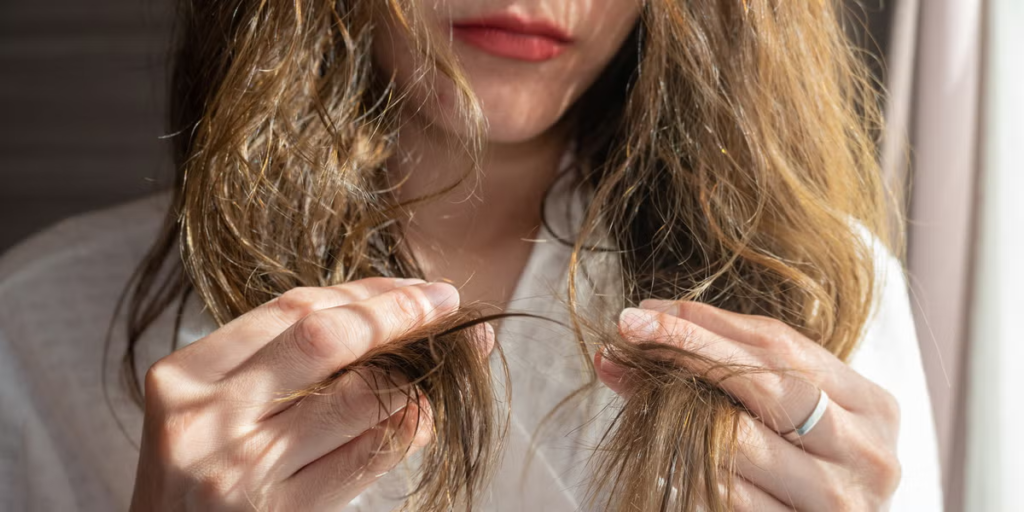
How Often Can You Dye Your Hair Safely
Spacing treatments helps reduce damage and allows the hair shaft to recover. Permanent hair dyes are usually applied every 4 to 6 weeks, while semi-permanent hair dye can be used every 2 to 4 weeks, depending on hair condition.
Frequent coloring can weaken hair strands and increase breakage in color-treated hair. Using semi-permanent dyes between applications can reduce chemical exposure and help maintain strength.
Can Leaving Hair Dye on Too Long Cause Hair Loss
Leaving dye on too long increases chemical exposure. This can weaken hair strands and irritate the scalp. In some cases, allergic reactions may occur and affect scalp health.
Signs such as redness, itching, or burning should not be ignored. These symptoms may indicate irritation that requires attention before further use.
How to Stop Hair Fall After Hair Color
Recovery starts with targeted care that protects the hair shaft and supports scalp health. Use a sulfate-free shampoo or a targeted option like Nizoral shampoo for hair loss 2–3 times per week, and apply a moisturizing conditioner after each wash to reduce breakage in color-treated hair.
Adding a weekly deep conditioning mask or using natural options like coconut oil for hair loss can help restore strength to weakened hair strands.
Limit heat styling and avoid additional chemical treatments for several weeks to prevent further damage. At-home care should also include gentle detangling and avoiding tight hairstyles that stress the hair. If shedding continues for more than a few weeks, a medical evaluation may be needed to assess the hair follicles.

Will Hair Grow Back After Hair Dye Damage
Hair growth continues in most cases because the follicles remain intact. Once damaged hair strands are replaced, density may improve. This is why dye-related thinning hair is often temporary.
Recovery timelines vary, but improvement may appear over several months. If hair thinning persists, it may indicate an underlying condition rather than dye-related damage.
What Treatments Help Hair Loss
Treatment depends on the cause of hair loss. Medical options may support hair growth and improve density when follicles are affected. Evaluation helps determine the correct approach. Modern hair restoration includes doctor-led procedures and structured follow-up, including advanced hair transplant techniques.
Techniques such as FUE (Follicular Unit Extraction) and DHI (Direct Hair Implantation) are widely used, and tools like the Choi pen allow precise implantation. Clinics in Greece and Israel, including Trichogenics, operate within regulated environments, while some regions abroad may have limited oversight.
FAQs About Hair Dye and Hair Loss
Permanent loss is uncommon and usually linked to other conditions, not dye use alone.
No, dyeing your hair does not usually cause it to fall out from the root, but it can weaken hair strands and lead to breakage that looks like shedding.
Coloring can make hair appear thinner due to damage to the hair shaft, not because it reduces the number of hair follicles.


