

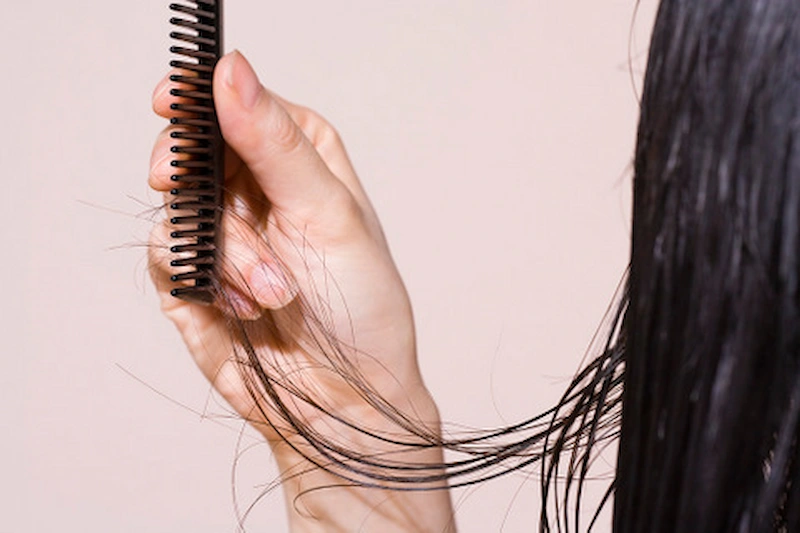
Low potassium can contribute to hair loss in some cases, but it is not considered a direct or primary cause. When people ask, “Does low potassium cause hair loss?” the answer is that very low levels may disrupt how nutrients and oxygen reach hair follicles, especially during stress or illness.
This can push hair into a resting phase called telogen effluvium, which leads to temporary shedding and hair thinning. At Trichogenics, founded by Dr. Asi Peretz and Dr. Eric Peretz, this type of shedding is usually evaluated as part of a broader health imbalance rather than a single cause.
This condition is more likely to cause symptoms such as muscle weakness, fatigue, and irregular heartbeat before affecting the hair. Hair thinning can occur if the imbalance disrupts overall health, but it is rarely the sole cause.
Other factors, such as nutritional deficiencies, hormonal changes, sleep issues like lack of sleep and hair loss, or medical conditions, play a greater role in most cases. A proper evaluation is needed to confirm whether potassium levels are contributing to the issue.
Key Takeaways
- Low potassium is not a direct cause of hair loss, but a severe deficiency can lead to temporary shedding during physical stress.
- Hair loss linked to a potassium imbalance is often reversible, and many people can reverse hair loss once levels return to normal.
- Symptoms such as muscle weakness and irregular heartbeat usually appear before hair changes.
- Most cases of hair loss are linked to nutritional deficiencies (such as iron and zinc), hormonal changes, or telogen effluvium.
- A full medical check is needed to find the real cause, not just potassium levels.
Low Potassium and Hair Loss
Low potassium is not a direct cause of hair loss because hair follicles do not rely on potassium alone to function. Instead, low levels can stress the body, which may push hair into a resting phase called telogen effluvium. This leads to temporary shedding, not permanent damage. Once levels return to normal, hair often grows back.
This type of shedding usually happens alongside other issues, not on its own. The follicles remain healthy, which is why recovery is common. In contrast, conditions such as alopecia areata involve direct damage to the hair follicle. This makes potassium-related hair loss indirect and reversible in most cases.
What Is Potassium Deficiency?
Potassium is an important mineral that supports nerve and muscle function. Low levels can happen from poor diet, dehydration, or illness. Severe deficiency affects the heart and muscles before hair. This shows how the body protects vital systems first.
Can Low Potassium Cause Hair Loss?
Low potassium can affect the body in ways that lead to hair loss, but it is rarely the main cause. It plays a key role in nerve signals and cell balance, which support overall health.
When levels drop, the body may reduce support for nonessential functions such as healthy hair growth. This can lead to short-term shedding and hair thinning rather than permanent loss.
Is Low Potassium a Common Cause?
Low potassium is not a common cause of hair loss compared with hormonal or genetic factors. Most people with hair thinning have issues linked to iron and zinc levels or hormone changes. Hair grows in cycles, and these cycles are more affected by hormones and key nutrients than by potassium alone.
This deficiency often co-occurs with other health problems, so a full check is needed to identify the underlying cause.
Low Potassium Symptoms and Warning Signs
Common signs include:
- Fatigue
- Muscle weakness
- Irregular heartbeat
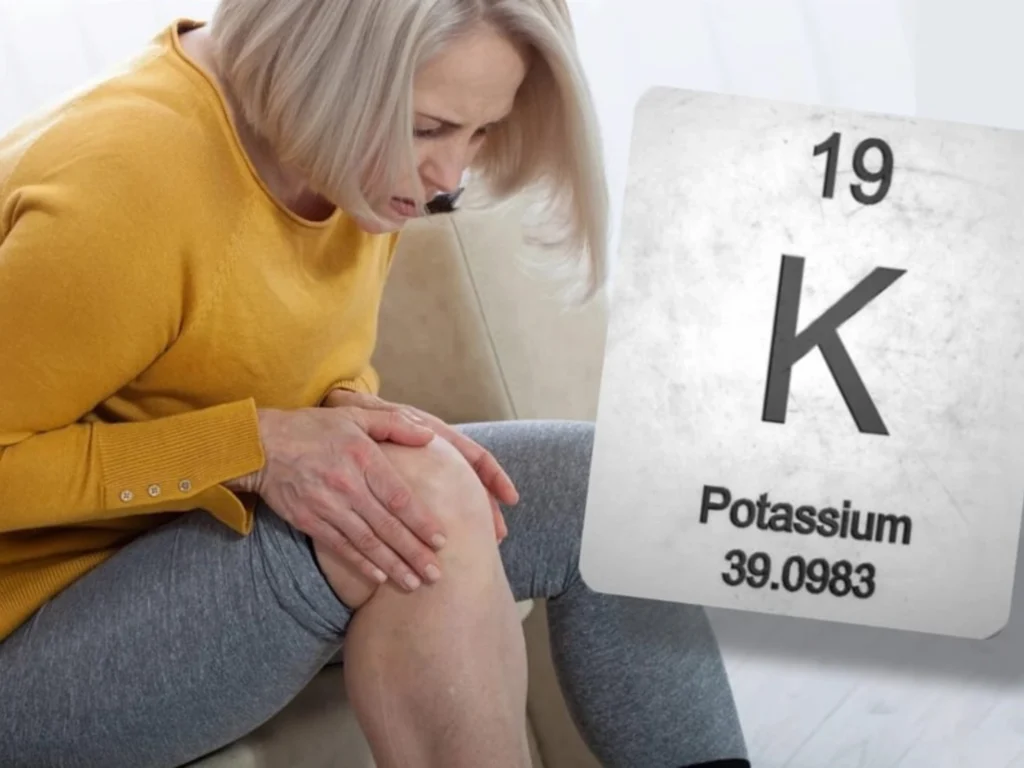
These usually show up before any hair changes since hair loss is not a main sign of low potassium. A proper medical test is needed to confirm the condition.
What Mineral Deficiency Causes Hair Loss?
Hair loss is often linked to nutritional deficiencies in iron and zinc, which help keep hair strong. These nutrients play a more direct role in hair health than potassium does.
Hormonal changes and certain medications, such as amlodipine and hair loss, can also lead to shedding, especially during stress or illness. Potassium imbalance is usually a secondary factor.
How to Diagnose Low Potassium
A blood test is needed to measure potassium levels. Doctors often check it along with iron and zinc, thyroid levels, and other markers. This helps determine whether low potassium is part of the problem. A full check gives a clearer answer.
How to Treat Low Potassium
Treatment often includes:
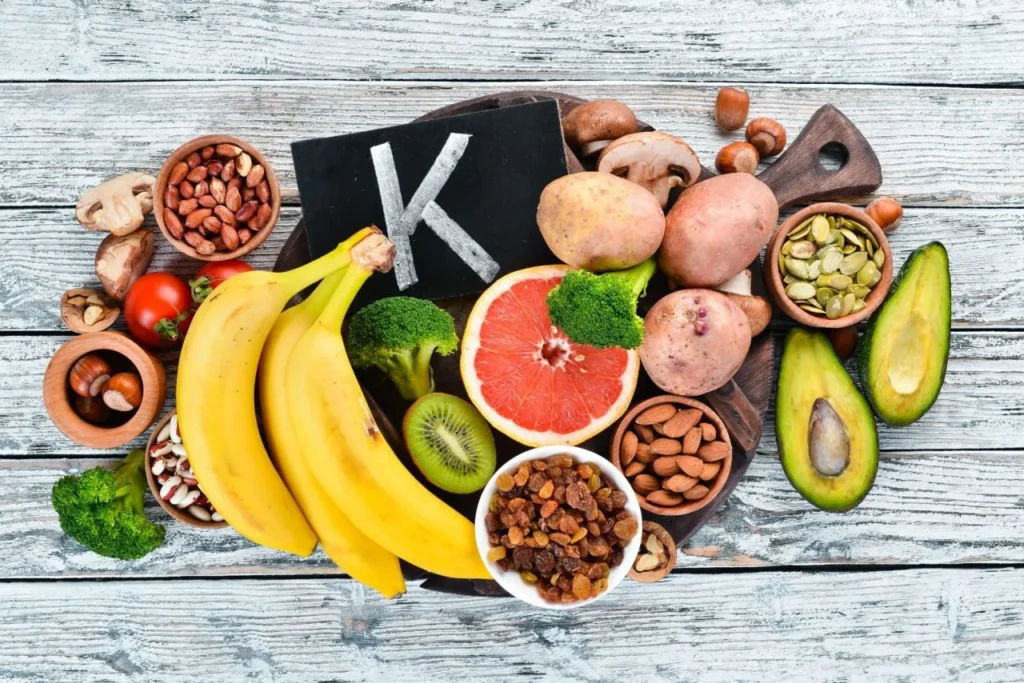
- Eating potassium-rich foods
- Choosing good sources, such as sweet potatoes and leafy greens
- Supporting overall health through balanced nutrition
- Using supplements if recommended by a doctor
Recovery can take days or weeks, based on how low the levels are.
When to See a Doctor
You should see a doctor if you have muscle weakness, irregular heartbeat, or ongoing fatigue. Hair loss accompanied by these symptoms may indicate a more serious issue.
For people considering hair restoration, treatments such as FUE (Follicular Unit Extraction) and DHI (Direct Hair Implantation), including the Choi pen method, are typically performed once health issues are stable, using modern hair transplant techniques.
In places like Greece and Israel, where Trichogenics works, doctor-led care and follow-up are part of standard practice. If you are unsure about your condition or want a clear diagnosis, you can schedule a consultation to review your symptoms and next steps.

