


Ozempic does not directly damage hair follicles or stop hair growth, based on current medical evidence. When people ask if Ozempic causes hair loss, the answer is often unclear. It is usually associated with rapid weight loss, not with the medication itself.
Sudden weight changes can disrupt the hair growth cycle and trigger temporary shedding. This pattern differs from genetic hair loss patterns such as Norwood 2 hair transplant progression, which develop gradually over time.
Key Takeaways
- Ozempic has not been shown to directly cause permanent hair loss; however, rapid weight loss can trigger temporary shedding through a stress-related process.
- When people experience Ozempic side effects of hair loss, it is most often linked to telogen effluvium, a reversible type of hair loss caused by disruption of the hair growth cycle.
- Hair shedding typically begins a few months after significant weight changes and often improves once weight, nutrition, and stress levels stabilize.
- Medical evaluation is recommended if hair loss is severe, prolonged, or accompanied by other symptoms, as this helps rule out nutritional deficiencies or unrelated scalp conditions.
Can Ozempic Cause Hair Loss Directly?
Ozempic is a GLP-1 weight loss drug prescribed for type 2 diabetes and weight management. Studies do not show that it directly damages hair follicles or stops growth at the root. When people ask if ozempic cause hair loss, the answer is usually indirect rather than direct.
Hair changes are more often linked to how the body responds when people lose weight quickly.
Ozempic Hair Loss: Why It Happens
Hair shedding linked to Ozempic often follows rapid weight loss rather than the medication itself. When the body shifts quickly, stress levels rise and energy is redirected to vital organs.
This can affect the hair growth cycle and push more hairs into the resting phase. The result is diffuse hair fall rather than patchy loss.
Common contributing factors include:
- Rapid weight loss over a short period
- Reduced protein or calorie intake
- Increased physical or metabolic stress levels
Unlike androgenetic alopecia, this shedding does not permanently shrink follicles or require interventions such as hair transplant density planning.
Nutritional gaps, such as low iron or protein, may worsen shedding. In some women, hormonal shifts can overlap with issues discussed in whether estrogen causes hair loss.
Hair Loss and Ozempic in Women

Women report concerns more frequently in clinical and online discussions. Hormonal fluctuations can make shedding more noticeable along the part line.
This differs from structural genetic thinning, such as female hair transplant success rate scenarios, where long-term miniaturization plays a role.
Weight loss patterns may increase the likelihood of temporary shedding, but this does not indicate permanent follicle loss.
What Type of Hair Loss Does Ozempic Cause?
The most common type of hair loss reported is called telogen effluvium. This is a temporary condition caused by stress to the body rather than damage to hair follicles.
In telogen effluvium, more hairs shift into the resting phase at once. Shedding often starts two to three months after the trigger.
Key features include:
- Diffuse shedding across the scalp
- No scarring or bald patches
- Gradual recovery over several months
People often notice hair loss when brushing or showering. The scalp usually remains healthy, which helps distinguish this type of hair loss from genetic conditions.
Will My Hair Grow Back If I Stop Ozempic?
In most cases, hair regrowth occurs once weight stabilizes and nutrition improves. Stopping Ozempic is not always required for recovery.
Hair typically regrows within three to six months after shedding slows. Full density can take longer depending on age, health, and stress levels.
A board-certified dermatologist can confirm whether shedding fits this pattern. If hair loss continues beyond six months, further evaluation may be needed. Persistent hair loss may suggest another underlying condition.
How to Stop Hair Loss From Ozempic
Preventing or reducing shedding focuses on supporting the body during weight loss. The goal is to protect the hair growth cycle during treatment.
Helpful steps include:
- Maintaining adequate protein intake
- Monitoring iron, vitamin D, and zinc levels
- Using nutritional supplements only when deficiencies are confirmed
Medical monitoring is also important. Regular follow-up with a prescribing physician helps avoid excessive or rapid weight loss. Gradual weight changes reduce stress on the hair follicles.
Ozempic Side Effects People Worry About
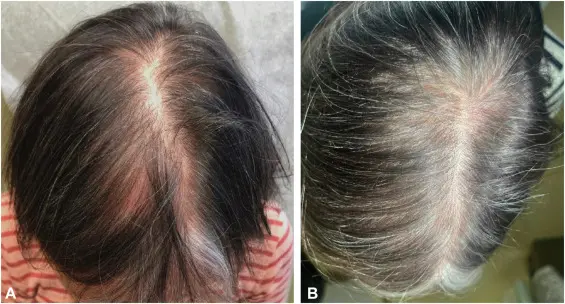
Hair loss is listed among reported side effects of Ozempic, but it is not considered a primary drug reaction. Some people ask whether Ozempic promotes hair growth, but this claim is not supported by evidence.
Any regrowth seen usually reflects recovery from shedding rather than stimulation of new growth.
Another common concern is cancer risk. Current data do not show that Ozempic causes cancer in humans when used as prescribed. These questions highlight why medical guidance matters when interpreting side effects.
When to See a Hair Specialist
Medical evaluation is recommended if shedding is severe, prolonged, or accompanied by scalp symptoms.
A specialist can determine the type of hair loss and rule out other causes. This is especially relevant for people planning hair restoration.
In clinical hair transplant settings, physician-led care is important. In countries like Greece and Israel, procedures such as FUE, DHI, and Choi pen implantation are typically performed by licensed physicians in certified operating rooms. For example:
- Greece: USD 3,500–6,000 for a full physician-performed FUE procedure, including anesthesia, graft placement, and structured follow-up.
- Israel: similar ranges for doctor-led DHI or FUE with regulated oversight.
- Turkey: USD 1,800–2,800 in high-volume clinics, where technicians may perform most steps with limited supervision.
Lower prices often reflect higher patient volume and less physician involvement per case. This can affect graft angle control, density planning, and follow-up care.
Cost transparency is also important, which is detailed in the hair transplant costs explained.
Why Choose Trichogenics?
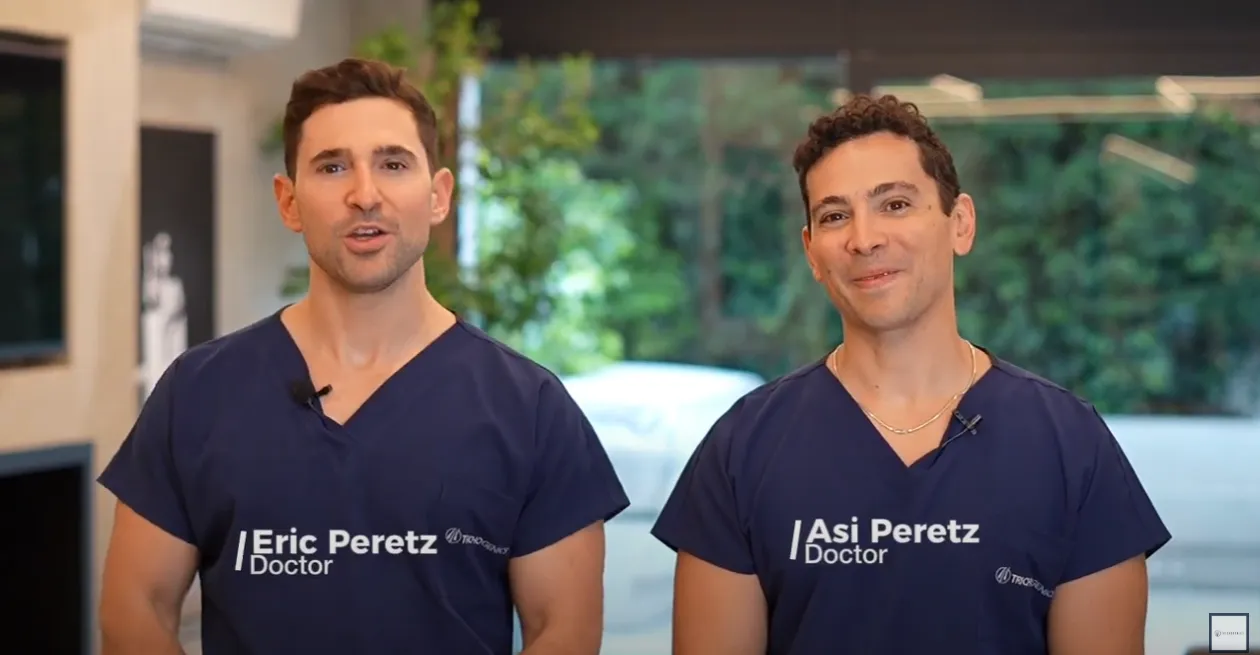
All procedures are performed only by doctors
The uniqueness of Trichogenics lies in its strict medical process; only certified doctors perform every transplant. No technicians or unqualified assistants are involved. Choosing a clinic with proven experience in hair transplants can make all the difference.
Meet Dr. Asi and Dr. Eric Peretz
The two doctors leading Trichogenics, Dr. Asi Peretz and Dr. Eric Peretz, are recognized leaders in the field. Their extensive experience, attention to detail, and focus on natural results make Trichogenics the best choice.
Contact Trichogenics today to schedule a personal consultation and get a clear, doctor-led plan for your hair restoration.


