

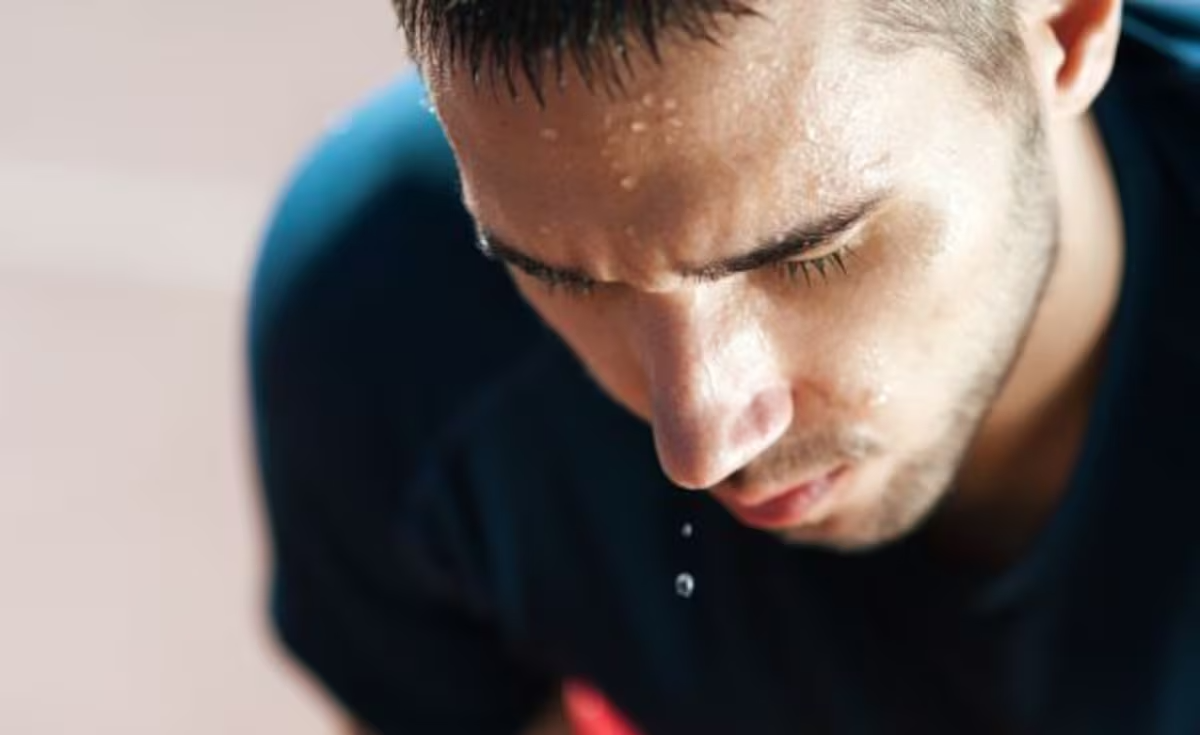
Sweating does not directly cause hair loss, but leaving sweat on the scalp can contribute to irritation and buildup. Salt, bacteria, and residue can affect the scalp and hair if not properly cleaned. Washing your hair after heavy sweating helps maintain a healthy scalp and reduces these risks.
When asking “Does sweat cause hair loss?”, the answer depends on scalp hygiene. Sweat itself is not harmful, but poor care can lead to temporary shedding or hair fall. As noted by Dr. Asi Peretz and Dr. Eric Peretz, founders of Trichogenics, the main issue is how sweat interacts with scalp conditions.
Key Takeaways
- Sweat alone does not damage hair follicles, but buildup from scalp sweating can lead to irritation and temporary shedding.
- Frequent excessive sweating and hair buildup may worsen conditions like seborrheic dermatitis and affect overall hair health.
- Hair loss linked to sweat is usually reversible once the scalp and hair are cleaned and inflammation is controlled.
- Maintaining a healthy scalp by properly washing your hair after intense workouts helps prevent buildup and irritation.
- If symptoms such as redness, itching, or thinning persist, a medical evaluation is recommended.
Does Excessive Sweat Cause Hair Loss?
Each sweat gland produces moisture that helps regulate temperature and support physical activity. Sweat does not damage hair follicles or directly stop hair growth. A healthy scalp can handle sweating without affecting hair health. Problems begin when sweat remains on the scalp for long periods.
How Sweat Affects the Scalp and Follicles
Scalp sweating can mix with oil and debris on the scalp and hair. This may lead to a buildup that affects follicle function. People who sweat a lot during intense workouts may notice more residue. Over time, this can disrupt the balance of a healthy scalp and contribute to mild hair fall.
Does Sweat Cause Hair Thinning or Permanent Hair Loss?
Can Sweat Clog Hair Follicles?
Sweat alone does not clog follicles, but buildup from oil and debris can block them. This is more likely when you do not wash your hair after sweating. Using dry shampoo without proper cleansing can increase residue. These factors may affect normal hair shedding cycles.
Is Hair Loss From Sweat Reversible?
Hair loss caused by scalp inflammation or buildup is often temporary. Cleaning the hair and scalp helps restore normal conditions and reduce irritation. In some cases, conditions like seborrheic dermatitis can develop from excess oil and moisture, which may worsen shedding. Early care helps control these issues and supports long-term hair health.
Why Excessive Sweating Can Worsen Hair Loss
Scalp Buildup and Irritation
When you sweat a lot, residue can remain on the hair and scalp. This may lead to discomfort and imbalance if not removed. Excess moisture combined with oil can affect scalp health. Keeping the scalp clean helps prevent irritation.
Bacteria and Scalp Conditions
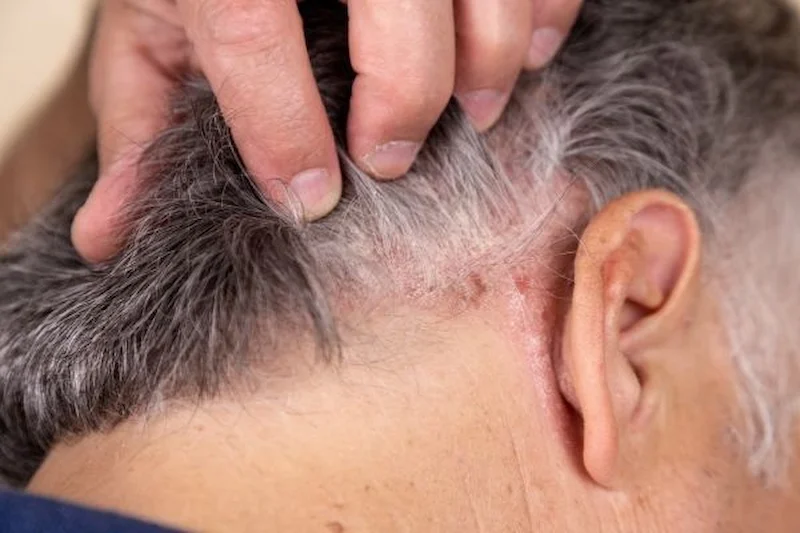
Moist environments caused by excessive sweating and hair buildup can support bacterial and fungal growth. This may worsen dandruff or seborrheic dermatitis, which is why some people consider treatments like Nizoral shampoo for hair loss.
These conditions can trigger scalp inflammation and increase hair fall. Managing hygiene helps reduce these risks.
When Overactive Sweat Glands Add to the Problem
People with overactive sweat glands may deal with more persistent moisture on the scalp. This can increase the likelihood of buildup, irritation, and discomfort, especially in hot weather or after frequent exercise.
The scalp environment may become harder to manage. Consistent cleansing and scalp care are important in these cases.
How to Prevent Hair Loss Due to Sweating
Proper Scalp Hygiene Habits
Maintaining a healthy scalp requires regularly washing your hair after physical activity. This helps remove salt, oil, and debris from the scalp and hair.
Gentle products support balance without causing dryness, and some people explore options like coconut oil for hair loss as part of their routine. Consistency is important for hair health.
What to Do Right After Sweating
Taking action after sweating helps reduce buildup and irritation. Leaving sweat on the scalp for too long may affect scalp balance. Simple habits can support a healthy scalp and reduce risk.
- Rinse or wash your hair after intense workouts
- Avoid leaving sweat on the scalp overnight
- Use products that support the hair and scalp
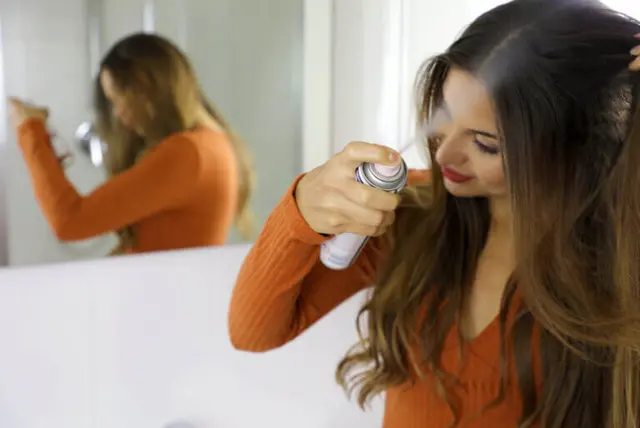
- Limit excessive use of dry shampoo
When Hair Loss Is Not Caused by Sweat
Other Common Causes
Most hair loss is linked to genetics, hormones, or medical conditions, and factors like poor sleep can also play a role, as explained in Can Lack of Sleep Cause Hair Loss.
These factors affect the hair growth cycle independently of sweating. Sweat is rarely the main cause of ongoing thinning. Proper evaluation helps identify the real cause.
When to See a Hair Specialist
Signs of Scalp Issues
Persistent itching, redness, or visible thinning may indicate scalp inflammation. These symptoms can affect both the scalp and hair over time. A specialist can evaluate the condition and recommend the next steps. Early assessment improves outcomes.
Treatment Considerations
Hair restoration depends on the cause of hair loss. Options may include medical treatments or procedures such as FUE (Follicular Unit Extraction) and DHI (Direct Hair Implantation), which are explained in detail under the hair transplant techniques section.
Doctor-led care focuses on proper planning and follow-up. Clinics like Trichogenics in Greece and Israel use structured approaches to support patient care.
If you are experiencing ongoing hair thinning or shedding, you can schedule a consultation to receive a personalized evaluation and understand your treatment options.

