

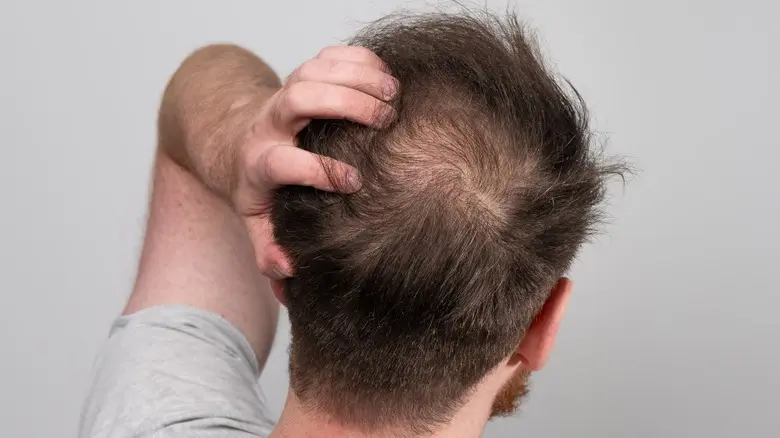
Folliculitis after a hair transplant is a common condition where hair follicles become inflamed during the healing process. It usually appears as small red bumps, pimples, or mild swelling on the scalp and is often temporary.
In many cases, folliculitis after hair transplant is linked to blocked follicles, new hair growth, or mild infection rather than damage to the transplant itself. Most people see improvement with proper hygiene and basic aftercare. More detailed causes, treatment options, and prevention steps are explained in the sections below.
Key Takeaways
- Folliculitis after a hair transplant is a common and usually temporary reaction during healing, often linked to blocked follicles, new hair growth, or mild infection rather than graft damage.
- Small red bumps, pimples, or pus-filled blisters can appear weeks or even months after surgery, and most mild cases improve with proper hygiene and basic aftercare.
- Bacterial infection and ingrown hairs are the most frequent causes, which is why keeping the scalp clean and following clinic-provided aftercare instructions is essential.
- Popping pimples is not advised, as it can worsen inflammation and raise infection risk, so ongoing or painful symptoms should be reviewed by a hair transplant doctor.
What Is Folliculitis After a Hair Transplant?
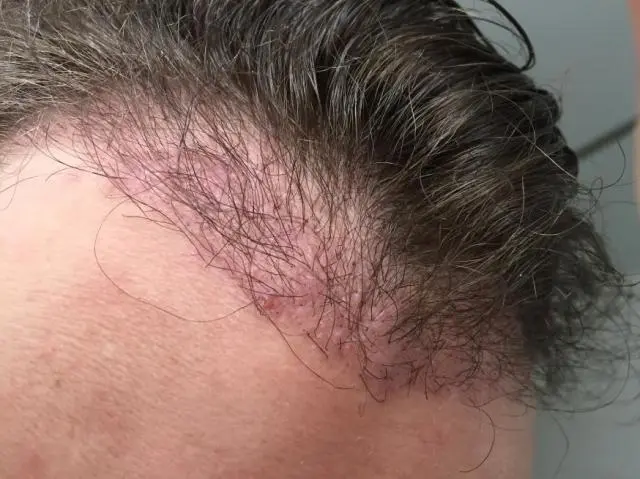
Folliculitis after hair transplant surgery happens when hair follicles swell or become irritated. This inflammation of the hair usually affects newly transplanted follicles. It can look like small red bumps on the scalp.
Folliculitis post hair transplant is common during healing. In most cases folliculitis do not cause long-term problems. The condition often improves with basic care and time.
When Folliculitis Appears After Hair Transplant Surgery
Folliculitis can appear at different stages of recovery. Timing often depends on how the scalp heals and how new hair begins to grow.
Seeing bumps at different moments does not always mean something went wrong. Understanding the hair transplant recovery timeline helps set realistic expectations.
Early folliculitis may develop within the first few weeks as the skin heals and pores adjust. Later on, folliculitis can appear months after surgery when new hair pushes through the skin, sometimes leading to ingrown hairs.
Common timing patterns include:
- Early folliculitis during the first 2–4 weeks
- Mid-stage folliculitis around 1–3 months
- Late folliculitis several months after surgery, often linked to ingrown hair
Most reactions are mild and temporary when aftercare is followed.
Symptoms of an Infected Hair Transplant Follicle
Symptoms are usually visible around the grafts or donor area. The scalp may feel sore, itchy, or tender.
Common signs include:
- Small red bumps near hair follicles
- Pus-filled blisters in more inflamed areas
- Tender or warm skin around grafts
Some symptoms may look similar to scabs after hair transplant, which is why monitoring changes matters. Spreading redness, pain, or persistent discharge should be evaluated.
Main Causes of Folliculitis Post Hair Transplant
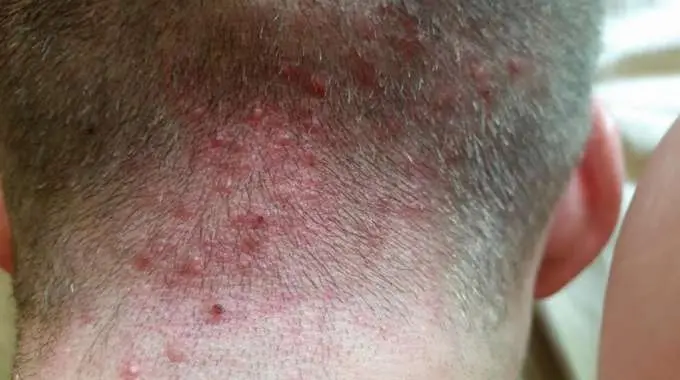
Several factors can cause folliculitis after hair transplant surgery. A bacterial infection is the most common reason. Bacteria can enter follicles when pores are blocked.
Other causes include ingrown hair after hair transplant and skin irritation. In rare cases, a fungal infection may be involved. Each cause requires a slightly different approach.
Folliculitis After Hair Transplant Treatment
Treatment depends on severity. Mild cases often resolve without medication.
Common treatment options include:
- Antibacterial shampoos
- Warm compresses to reduce swelling
- Prescribed medication if infection is confirmed
Following a structured hair transplant aftercare guide helps manage symptoms without risking graft damage.
How to Treat Ingrown Hair After Hair Transplant
Ingrown hairs form when new hair grows back into the skin. This can cause swelling and redness. It is common during regrowth.
Patients should avoid scratching or squeezing bumps. Keeping the scalp clean helps reduce irritation. A doctor may help if ingrown hairs do not improve.
Can Folliculitis Affect Hair Transplant Results?
In most cases, folliculitis does not affect final hair growth. Hair follicles are placed deep enough to stay protected. Temporary swelling does not damage grafts.
Severe infection can slow growth in the affected area. Early care lowers this risk. Proper follow-up supports healthy healing.
Will Scalp Folliculitis Go Away?
Yes, scalp folliculitis often goes away on its own. As healing continues, swelling usually fades. Many people see improvement within weeks.
Long-lasting cases need medical review. With proper care, outcomes are usually good. Permanent issues are uncommon.
Is It OK to Pop Pimples After Hair Transplant?
No, popping pimples is not advised. It can push bacteria deeper into the skin. This increases infection risk.
Patients should:
- Wash your hair only as instructed
- Avoid touching healing areas
- Contact a doctor if bumps worsen
Leaving pimples alone helps protect hair follicles.
How to Prevent Folliculitis After a Hair Transplant
Prevention focuses on hygiene and routine care. Patients should follow all aftercare instructions. Simple habits reduce risk.
Helpful steps include:
- Using antibacterial shampoos as directed
- Keeping the scalp clean and dry
- Avoiding pressure or tight hats
These steps help prevent folliculitis during recovery.
When to Contact Your Hair Transplant Doctor
Patients should call their doctor if pain increases. Spreading redness or ongoing pus needs attention. These signs may point to infection.
Doctor-led follow-up is important in surgical care. Structured checkups help catch issues early. This is standard practice in regulated systems like Greece and Israel.
Safety and Care Location Considerations
@trichogenics You got a hair transplant… now what? Here are some recommendations for your hair transplant recovery and aftercare. #hairtransplant #hairtransplantturkey #balding #malepatternbaldness #finasteride #minoxidil #hairtransplantresult #hairloss #trichogenics #hairtransplantmexico
♬ original sound - Trichogenics
Hair transplantation is a medical procedure that affects both the scalp and underlying hair follicles, so safety and regulation matter.
Treating post-surgical issues like folliculitis or any related skin condition requires proper medical oversight, clear protocols, and structured follow-up.
When care is rushed or poorly regulated, the risk of infection, delayed healing, or unnecessary hair loss can increase.
Some patients travel abroad for surgery, including to Turkey or other countries where medical regulations and post-operative standards may vary. Limited follow-up and inconsistent oversight can make it harder to manage complications if they arise.
Receiving treatment in regulated medical systems, such as Israel or Greece, supports safer care, physician accountability, and proper management of recovery-related conditions.
Why Choose Trichogenics?
All procedures are performed only by doctors
The uniqueness of Trichogenics lies in its strict medical process; only certified doctors perform every transplant. No technicians or unqualified assistants are involved. Choosing a clinic with proven experience in hair transplants can make all the difference.
Meet Dr. Asi and Dr. Eric Peretz
The two doctors leading Trichogenics Dr. Asi Peretz and Dr. Eric Peretz are recognized leaders in the field. Their extensive experience, attention to detail, and focus on natural results make Trichogenics the best choice.


