

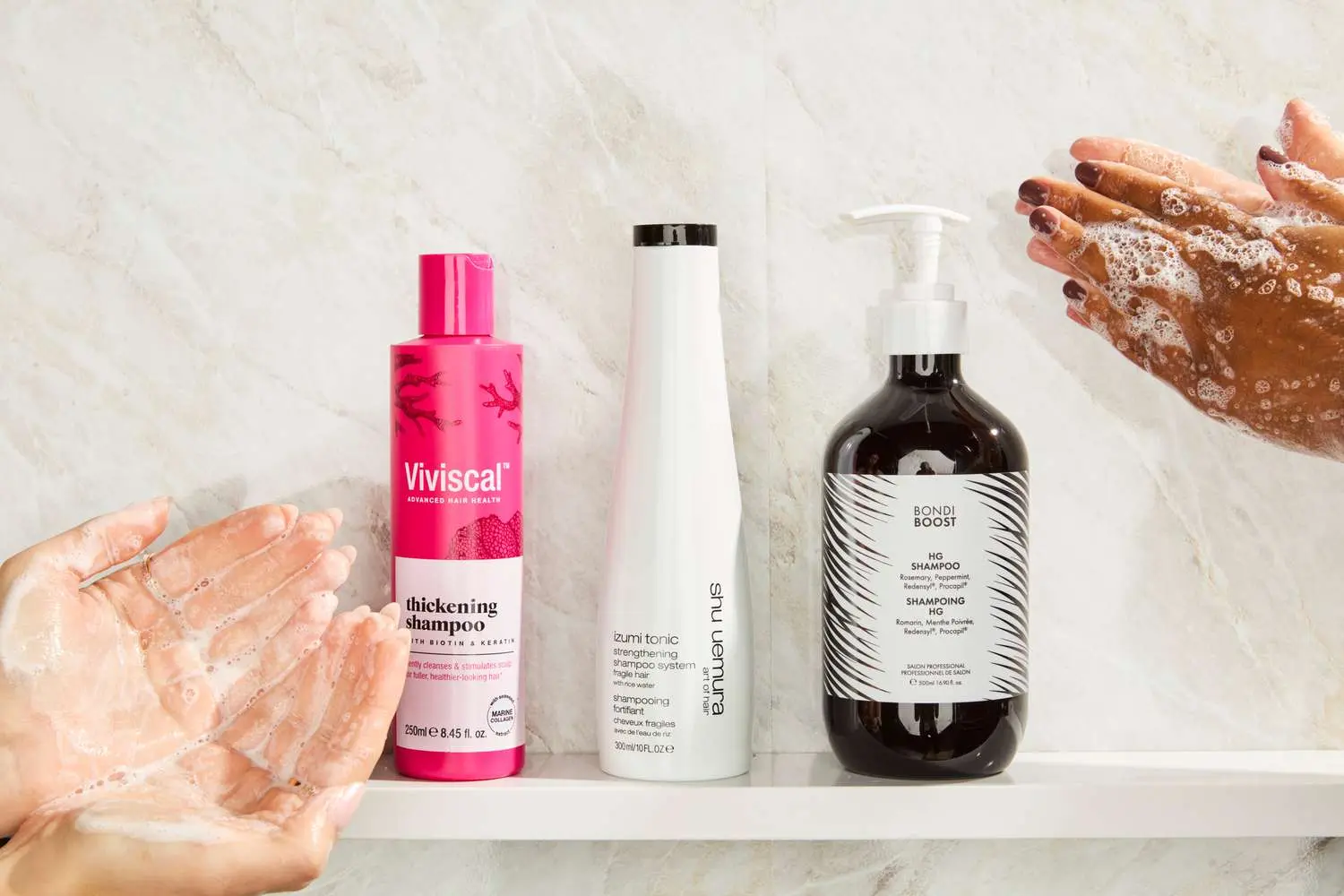
A hair loss shampoo can help improve scalp health, reduce breakage, and make hair look fuller, but it cannot stop or reverse all types of hair loss. These products work on the scalp surface and hair shaft, not on the deeper biological processes that drive pattern hair loss.
For people experiencing shedding due to irritation, dryness, or damage, a hair loss shampoo can be a useful part of routine care. It does not regrow hair or reactivate inactive follicles.
Understanding this difference helps you choose the right next steps, especially when comparing cosmetic care with treatments explained in do hair transplants work?.
Key Takeaways
- A hair loss shampoo can reduce breakage and improve scalp comfort, but it cannot stop pattern hair loss or regrow inactive follicles.
- Products marketed as the best shampoo for hair fall or anti-hair loss shampoos primarily protect the hair shaft, resulting in stronger-looking hair rather than true regrowth.
- Ingredients such as tea tree scalp care and rosemary oil may support scalp balance and cleanliness, helping limit irritation-related shedding.
- When thinning persists despite proper hair care, shampoos should be combined with a medical evaluation and evidence-based treatments to achieve meaningful, long-term results.
Do Hair Loss Shampoos Actually Work?
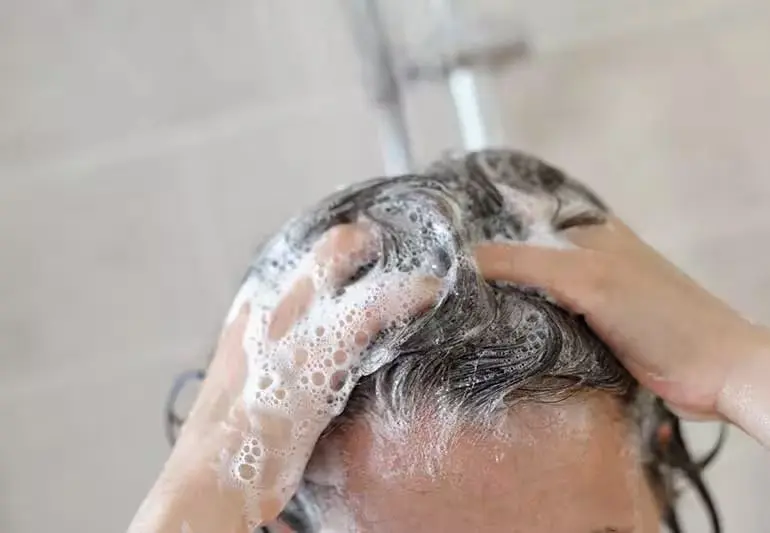
Hair loss shampoos can be effective in specific situations, but their impact is limited. They mainly reduce breakage, improve scalp conditions, and support healthier-looking hair.
This makes them useful for people experiencing shedding associated with irritation, dryness, or cosmetic damage.
They do not treat follicle miniaturization, which drives androgenetic alopecia, as discussed in diffuse thinning hair transplant cases.
Understanding this difference helps you avoid relying on a single product when medical care is needed.
What Is the Best Shampoo for Hair Loss?
The best shampoo for hair loss depends on the cause of the hair appearing thinner. A board-certified dermatologist usually looks for formulas that clean the scalp without irritation and support scalp health.
These shampoos often aim to reduce inflammation and maintain a stable scalp environment.
When people ask which shampoo is best for hair growth and thickness, the answer often focuses on cosmetic improvement rather than true regrowth.
Many products marketed as the best shampoo for hair loss claim to increase volume by coating the hair shaft.
For readers exploring ingredient-focused formulations and clinical scalp support, options discussed in anti-hair loss shampoos may provide additional perspective alongside a medical evaluation.
True regrowth is addressed through therapies such as finasteride after a hair transplant or other medical interventions
Hair Loss Shampoo vs Hair Fall
Hair fall often refers to breakage, while hair loss involves changes inside the scalp. Breakage-related hair fall usually comes from chemical treatments, heat styling, or rough handling.
In these cases, shampoos for thin hair and products formulated to strengthen hair can help reduce breakage.
Follicle-driven hair loss is different. It involves changes in hair follicles that shorten the growth cycle and reduce hair density over time.
Shampoos do not penetrate deeply enough to alter this process, which is why a medical evaluation is important when thinning continues.
Who Benefits From Hair Loss Shampoo
Hair loss shampoos for women often target diffuse thinning, where hair appears less dense across the scalp. These shampoos can support healthy hair and reduce visible shedding when stress, hormonal shifts, or styling-related damage are present.
They are also useful for color-treated hair, which tends to break more easily.
Hair loss shampoo for men may help in early thinning stages before structural recession appears, similar to when you should get a hair transplant.
It may also benefit individuals in the early stages of thinning who want to support scalp health. These products are most helpful before a clear pattern of hair loss develops.
People who benefit most often share these traits:
- Early thinning without clear recession.
- Fragile or chemically treated hair.
- Scalp irritation or buildup.
- A need to reduce breakage rather than regrow hair.
Best Shampoo and Conditioner for Hair Loss
@trichogenics Can yoy use a shampoo that will help your hairloss? #trichogenics #hairloss #hairtransplant #hairtransplantturkey #hairtransplantmexico #hairfall #hairlosssolutions #hairlossshampoo #hairfallsolution #hairtransplantmexico
♬ original sound - Trichogenics
Using the best shampoo and conditioner for hair loss together can improve results at the hair shaft level. Shampoo cleans the scalp and removes buildup, while conditioner helps reduce friction and breakage.
This pairing is especially helpful when hair feels dry or brittle.
Conditioners do not block follicles when used correctly. Instead, they protect hair length and improve manageability, which can make hair look stronger. For people looking to treat their hair gently, pairing products often helps maintain healthier-looking hair.
Hair Loss Shampoo vs Minoxidil
Hair loss shampoo and minoxidil serve very different roles. Shampoo focuses on cleansing and scalp comfort, while minoxidil is a topical medication that affects the hair growth cycle.
Minoxidil is often recommended when thinning and hair loss continue despite good hair care.
In practice, shampoo can be used alongside medical treatments. For example:
- Shampoo supports scalp health.
- Minoxidil targets follicle activity.
- Both are part of a broader plan.
Understanding when topical therapy is appropriate helps prevent reliance on cosmetic care alone.
What Are the Big 3 for Hair Regrowth?
In clinical discussions, the “big 3” for hair regrowth usually refers to three categories of care.
Shampoo support helps maintain a clean, calm scalp, which in turn supports other treatments. Medical therapies, such as minoxidil or prescription options, address follicle behavior.
Surgical restoration is the third category. Techniques like FUE, DHI, and Sapphire FUE are used when hair follicles no longer produce visible hair. Each category plays a different role, and shampoo is only one part of this structure.
How to Use Shampoo for Hair Loss
Correct use matters more than product choice alone. Most shampoos for hair loss are most effective when used a few times a week, depending on scalp type. Washing too often can dry the scalp, while washing too little can cause buildup.
When applying, gently lather shampoo into the scalp. Scrubbing aggressively can increase breakage. Focusing on the scalp, not the hair length, helps support scalp health and reduce irritation.
When Hair Loss Shampoo Is Not Enough

There are signs that shampoo alone will not solve the issue. Pattern hair loss often shows as a receding hairline or thinning at the crown. In these cases, hair density continues to drop even with good hair care.
Other signs include:
- Visible scalp through hair.
- Thinning that progresses over months.
- Family history of pattern hair loss.
When these appear, a medical evaluation helps identify the next step.
Doctor-Performed Solutions Beyond Shampoo
Doctor-performed procedures address hair loss at the follicle level. In modern practice, FUE and DHI are widely accepted techniques performed in licensed medical clinics.
Choi pen implantation is a DHI method used to place grafts with controlled angle and depth.
In Greece, a physician-performed FUE procedure for around 2,500 grafts may cost USD 3,500–6,000. This often includes physician fees, anesthesia, the graft count, and structured follow-up.
In Israel, similar pricing reflects comparable medical oversight and certified operating room standards.
In contrast, some high-volume clinics in Turkey advertise prices ranging from USD 1,800 to USD 2,800. These often involve multiple patients per day and significant technician involvement.
The price difference reflects who performs the procedure, how much time is allocated per case, and the level of medical supervision, not a cosmetic promise.
For readers comparing options, understanding these clinical differences matters more than headline pricing.
Doctor-led care, clear follow-up, and regulated medical settings reduce risks such as overharvesting, poor graft angle control, and uneven density.
This context helps explain why shampoo plays a role but cannot replace medical decision-making as hair loss progresses.
Why Choose Trichogenics?
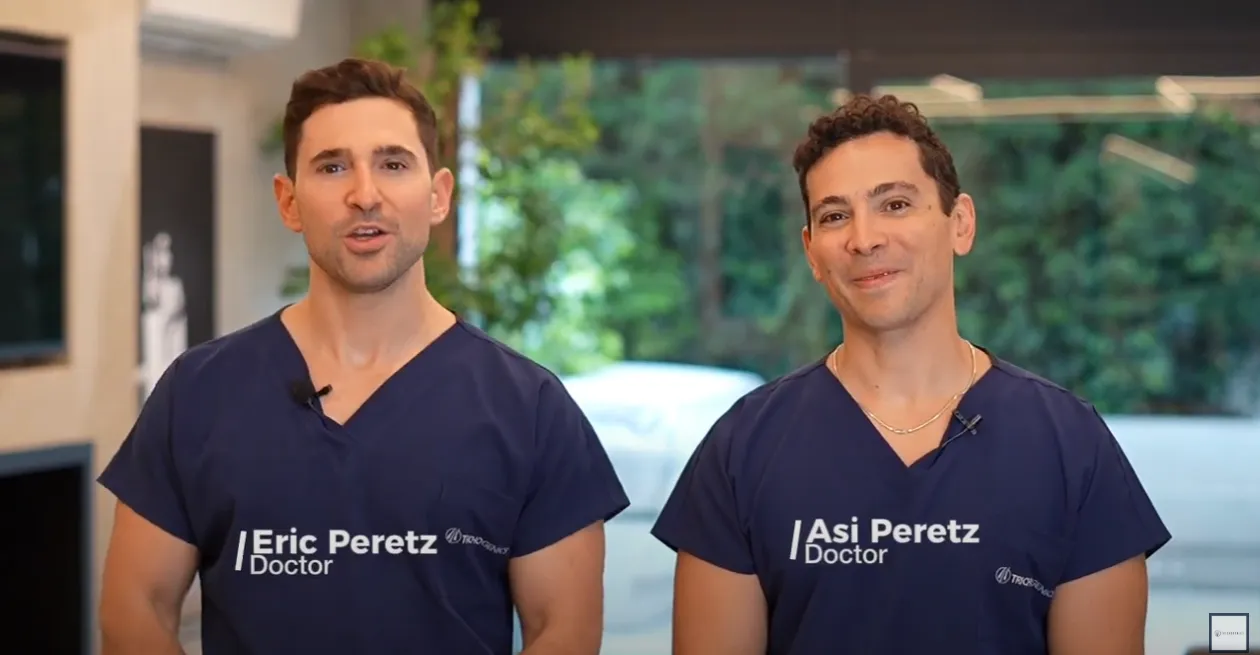
All procedures are performed only by doctors
The uniqueness of Trichogenics lies in its strict medical process; only certified doctors perform every transplant. No technicians or unqualified assistants are involved. Choosing a clinic with proven experience in hair transplants can make all the difference.
Meet Dr. Asi and Dr. Eric Peretz
The two doctors leading Trichogenics, Dr. Asi Peretz and Dr. Eric Peretz, are recognized leaders in the field. Their extensive experience, attention to detail, and focus on natural results make Trichogenics the best choice.
Contact Trichogenics today to schedule a personal consultation and get a clear, doctor-led plan for your hair restoration.


