

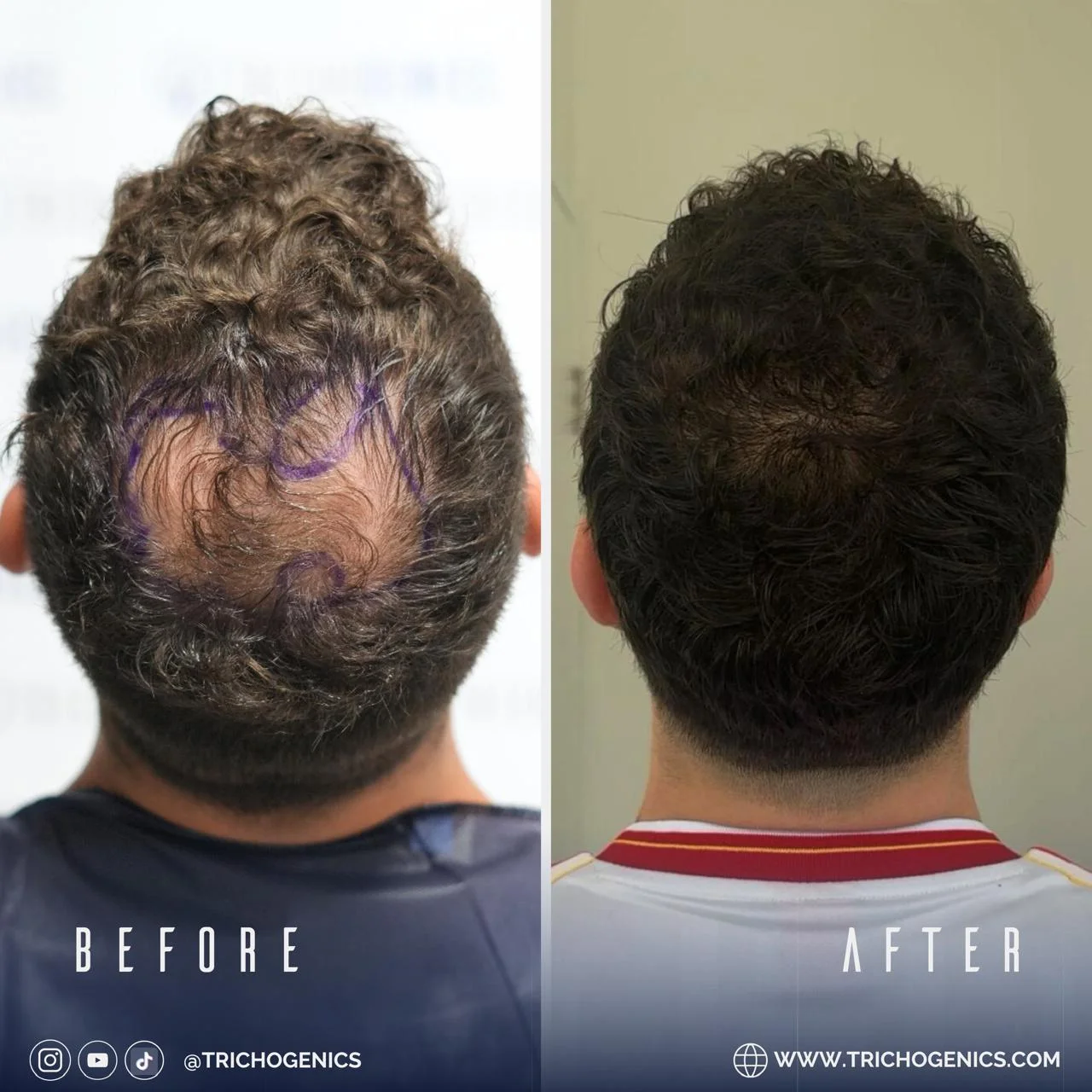
In some cases, a hair transplant can be performed without shaving the head. This means using methods that keep visible hair during the surgery. These no-shave options use grafts placed between existing hair. This means trimming is limited or hidden, not done on the whole scalp.
The approach is most effective for patients with long hair, smaller treatment areas, and sufficient donor hair quality. A hair transplant without shaving your head offers privacy during recovery.
However, it has some technical limits. These limits decide if this option is suitable. The following sections explain this in detail.
Key Takeaways
- A hair transplant without shaving the head is possible in select cases and relies on placing grafts between existing hair to limit visible trimming during recovery.
- An unshaven hair transplant works best for patients with long hair, smaller treatment areas, and realistic expectations about graft numbers and density.
- No-shave techniques use the same biological limits as traditional methods, so results depend on donor hair quality, surgeon skill, and careful planning.
- Choosing a qualified, doctor-led clinic and understanding the full hair restoration journey are more important than the technique itself for achieving safe and reliable outcomes.
Do You Need to Shave Your Head for a Hair Transplant?
A hair transplant does not always require shaving the entire scalp. In many cases, partial trimming or selective shaving is enough to complete the hair transplant procedure safely.
The decision depends on hair length, hair density, and access to the donor and recipient areas. Patients with long hair often ask whether shaving is mandatory, and the answer varies by technique and treatment plan.
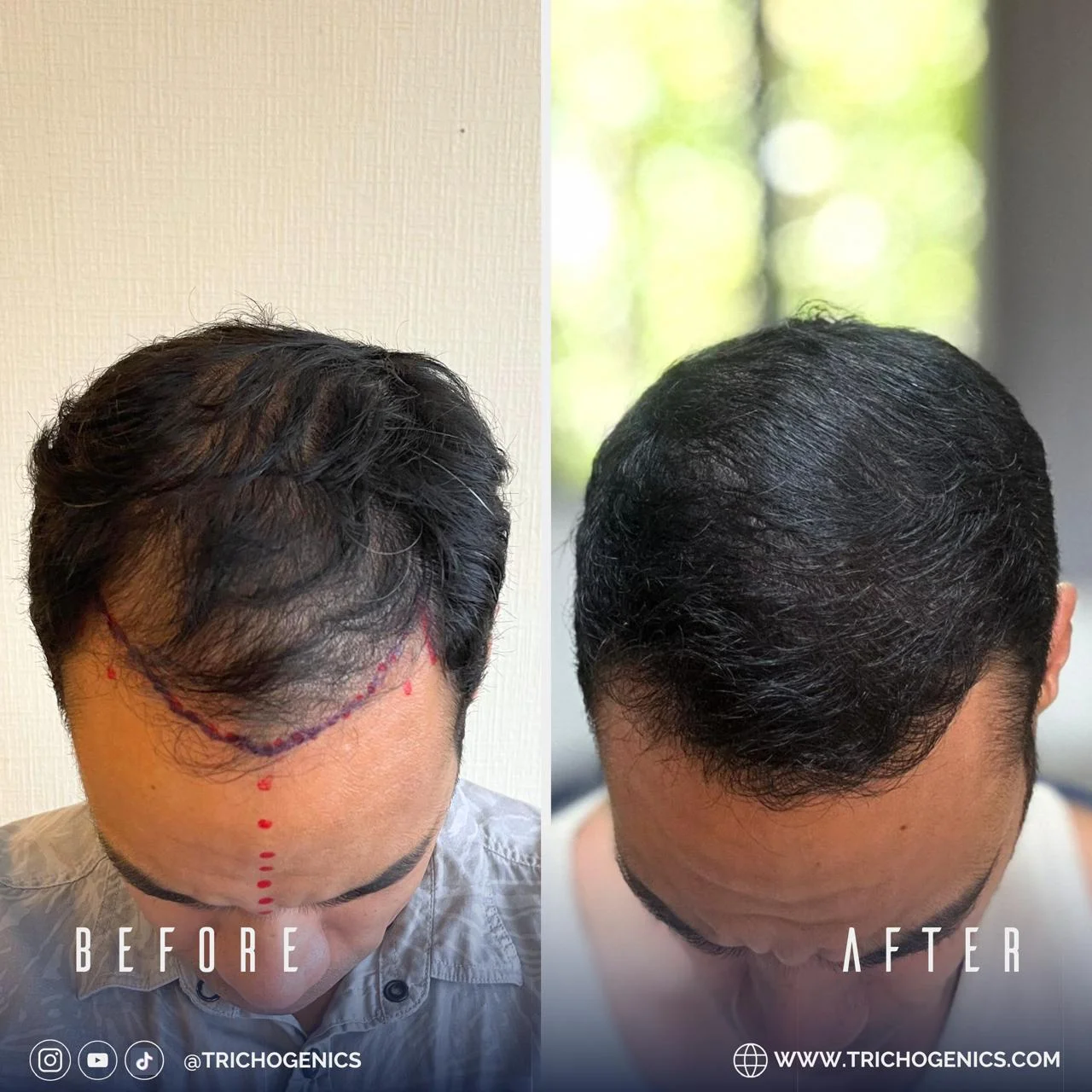
Many clinics still rely on methods that require shaving for speed and visibility. A no-shave approach focuses instead on working between existing hair to reduce visible changes during recovery.
This option works best when graft numbers are limited and surgical access remains clear.
No Shave Hair Transplant: What It Means
A no-shave hair transplant refers to techniques that avoid shaving the visible scalp. Hair remains long enough to cover graft sites and surrounding hair during healing. This approach is often chosen by patients who want discretion during recovery.
The term hair transplant no-shave does not mean zero trimming in all cases. Some minimal cutting may still occur in the donor area, but it is usually hidden by longer hair. The goal is to blend seamlessly with the patient’s natural hairstyle.
No Shave FUE Hair Transplant: How It Works
A no shave FUE hair transplant uses follicular unit extraction with selective trimming. Individual grafts are removed without shaving the full donor zone. This method requires careful planning and slower extraction.
During implantation, grafts are placed carefully between existing hair. Precision is critical to maintain natural angles and protect surrounding follicles.
This method follows the same principles described in fue hair transplant everything you need to know, but with greater technical difficulty.
Key technical steps include:
- Isolating donor hair without shaving the full scalp
- Extracting follicular units individually
- Placing grafts between the surrounding hair
Hair Transplant Without Shaving the Recipient Area
In this approach, the recipient area is left unshaved. Long hair helps hide redness and scabbing after surgery. This is useful for patients concerned about visible recovery signs.
Minimal Donor Area Shaving
Some trimming in the donor area may still be required. The trimmed section is kept small and concealed by surrounding hair, reducing visible signs and supporting healing, similar to guidance in post hair transplant care.
Unshaven FUE Hair Transplant: Best Uses
@trichogenics Do you need to shave your hair to get a hair transplant? Dr Asi Peretz explains. #trichogenics #hairtransplant #hairtransplantsurgery #hairtransplantturkey #hairtransplantgreece #hairloss #hairlosssolutions #hairlossremedy #hairfall #hairfallsolution #fyp
♬ original sound - Trichogenics
An unshaven FUE hair transplant works best for targeted restoration. It suits patients with small areas of thinning rather than advanced hair loss. The method is often used along the hairline or crown.
This option may not suit large sessions requiring thousands of grafts. Dense packing across wide areas often requires shaving to maintain accuracy. Careful evaluation helps avoid poor outcomes.
Is No Shave FUE Effective?
Many patients ask if a hair transplant without shaving can still produce strong results. In properly selected cases, yes.
Graft survival and density can match traditional approaches when donor quality and planning are appropriate. A no-shave method does not increase growth beyond donor limits, which are explained in how hair transplants work and what they cost.
Benefits, Limits, and Risks
No-shave techniques offer clear advantages, but they also have limits. Understanding both sides supports informed decisions.
Potential benefits include:
- Less visible change after surgery
- Faster return to daily routines
- Preserved appearance during healing
Important limits and risks include:
- Longer procedure time
- Lower maximum graft numbers
- Higher technical difficulty
Crown Hair Transplant Without Shaving the Head
A crown hair transplant without shaving the head is possible in select cases. The crown often has swirling patterns that require careful graft placement. Long hair can help conceal the treated area during recovery.
This option works best for early thinning rather than complete loss. Surgeons must balance coverage and direction, often discussed in crown hair transplant planning.

Who Should Choose Hair Transplant No Shave
Not every patient is a good candidate for a no-shave approach. Hair length, donor area quality, and treatment goals all matter. Patients seeking subtle improvement often benefit most.
Common candidate traits include:
- Long hair that covers the donor and recipient areas
- Limited graft needs
- Desire for discreet recovery
A hair transplant surgeon should assess these factors before recommending surgery.
How Much Does a Hair Transplant Cost Without Shaving the Head?
Cost varies based on graft count, surgical time, and technique. A no-shave hair transplant often costs more than traditional FUE due to added complexity. Longer operating time and precision increase clinical resources.
Prices also vary by country and clinic standards. Transparent pricing and clear follow-up plans matter more than low upfront quotes.
Hair Transplant Without Shaving the Head in Turkey
Many patients research hair transplant without shaving head Turkey due to advertised pricing. However, Turkey and other countries abroad often operate under limited medical oversight.
Regulatory standards and continuity of care can vary widely.
In contrast, countries such as Greece and Israel follow stricter medical frameworks. Clinics like Trichogenics operate within these systems, offering clearer accountability and structured patient follow-up.
No Shave vs Traditional FUE: Key Differences
Traditional FUE often requires shaving the scalp for speed and access. It allows higher graft counts and faster extraction. No shave techniques prioritize discretion instead.
Key differences include:
- Traditional FUE requires shaving; no shaving does not
- No-shave sessions are usually smaller
- Traditional FUE is more time-efficient
Both methods rely on the same biological limits of donor hair.
Recovery Timeline and Results
Recovery timelines are similar across techniques. Redness and scabbing resolve within weeks, while hair growth develops over months. Long hair helps hide early healing signs.
Long hair helps hide early healing signs. Final outcomes depend on graft survival and patient biology, following the hair transplant recovery timeline.
@trichogenics Hair transplant before and after 🤩 #hairloss #trichogenics #hairtransplant #hairtransplantturkey #finasteride #minoxidil #malepatternbaldness #balding #dutasteride #hairlossremedy #minoxidil
♬ original sound - Trichogenics
Choosing a Hair Transplant Surgeon
Choosing a qualified hair transplant surgeon matters more than technique choice. Doctor-led procedures reduce variability and improve planning accuracy. Training, certification, and experience guide safe outcomes.
Dr. Asi Peretz is referenced in clinical discussions for his experience in modern FUE and DHI techniques. Patients should focus on medical standards, not marketing claims.
Why Choose Trichogenics?
All procedures are performed only by doctors
The uniqueness of Trichogenics lies in its strict medical process; only certified doctors perform every transplant. No technicians or unqualified assistants are involved. Choosing a clinic with proven experience in hair transplants can make all the difference.
Meet Dr. Asi and Dr. Eric Peretz
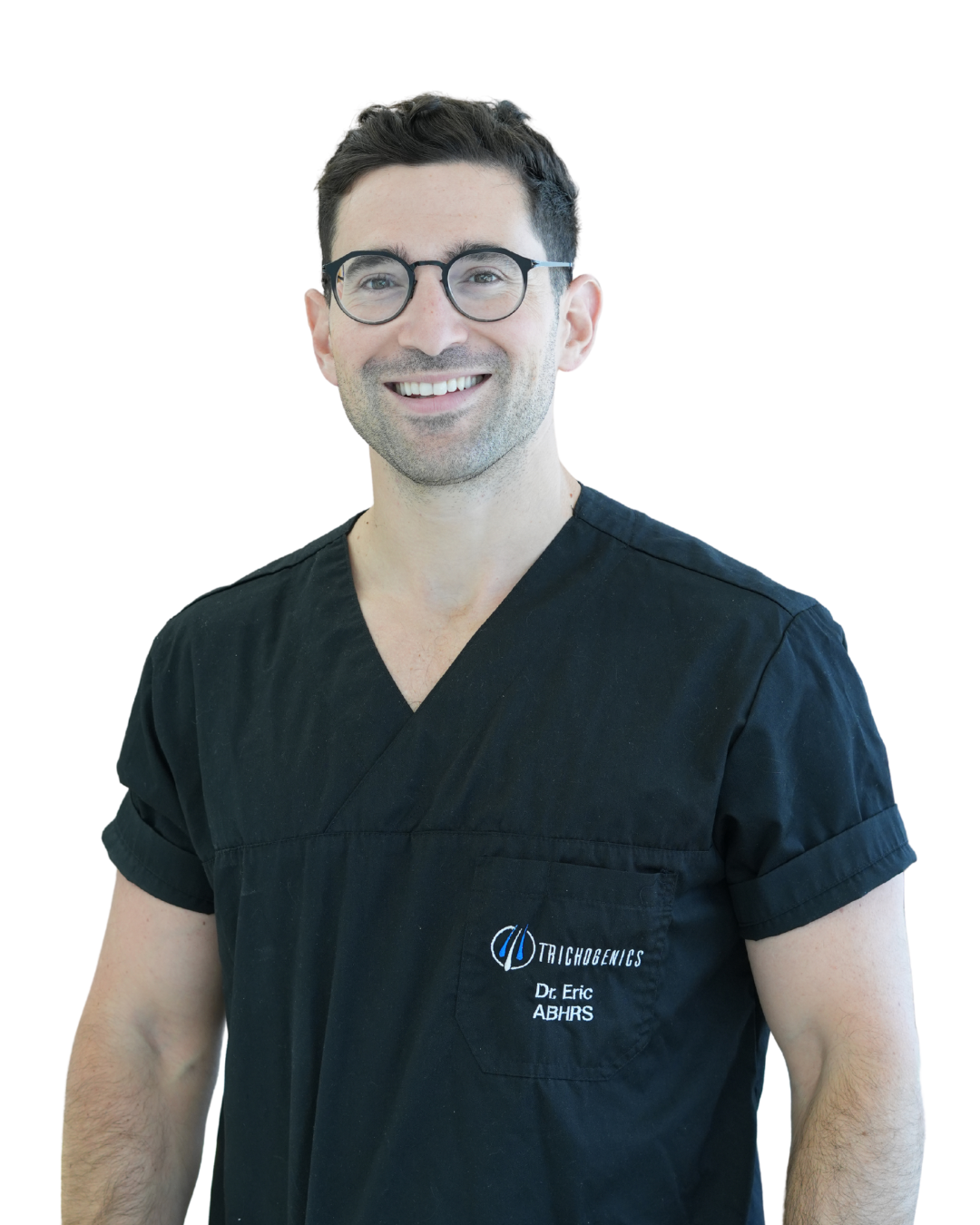
The two doctors leading Trichogenics, Dr. Asi Peretz and Dr. Eric Peretz, are recognized leaders in the field. Their extensive experience, attention to detail, and focus on natural results make Trichogenics the best choice.
Contact Trichogenics today to schedule a personal consultation and get a clear, doctor-led plan for your hair restoration.


