

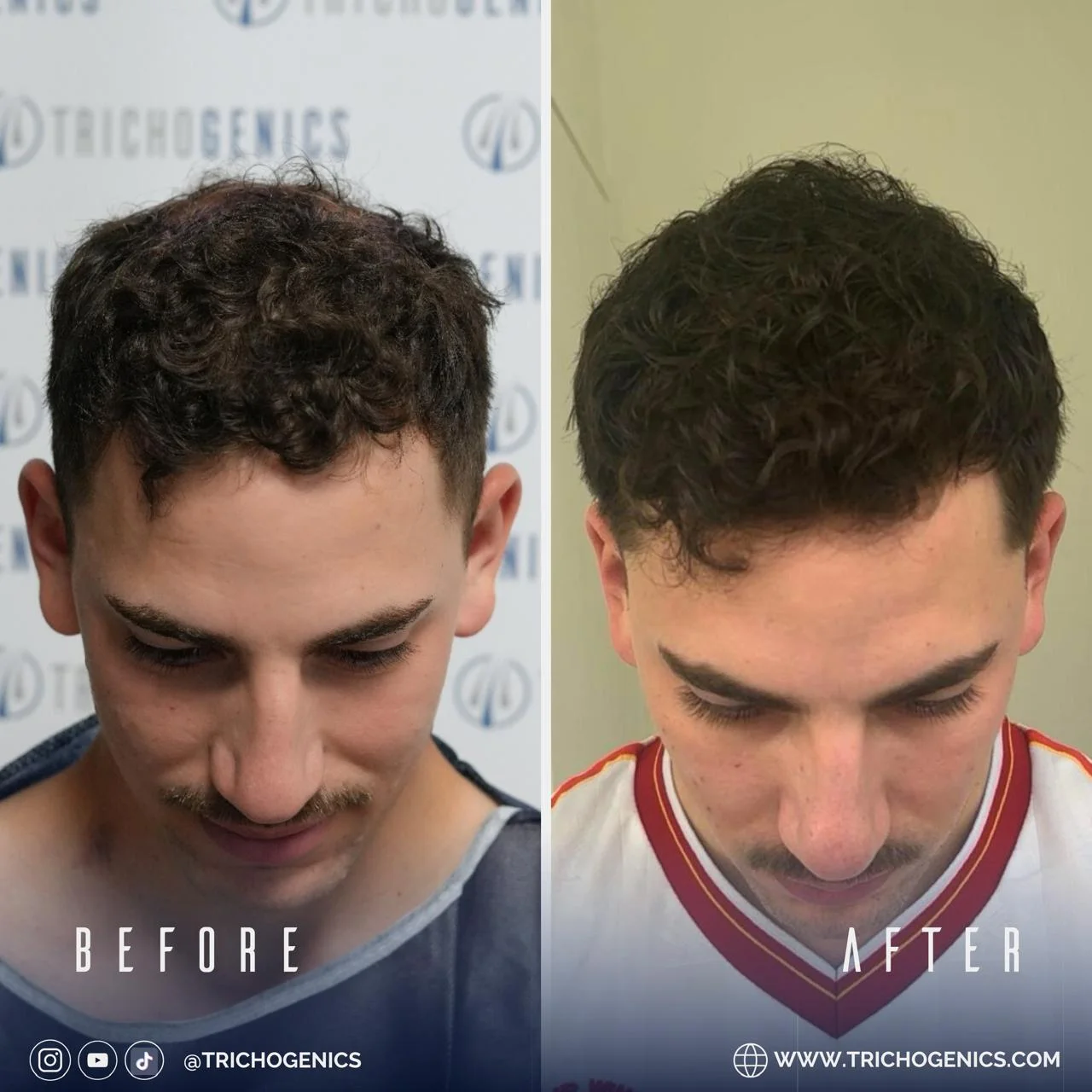

Donor Hair Quality
The donor area is usually the back or sides of the scalp. Hair from this area resists future loss. Strong donor hair improves coverage. Overuse of the donor area can limit future options.
Surgeon Experience
An experienced surgeon controls how grafts are removed and placed. Small errors can affect growth. Doctor-led procedures help reduce mistakes. Training and certification matter for safety.
FUE vs FUT Techniques
Follicular unit extraction FUE and follicular unit transplantation FUT are both accepted methods. FUE hair transplantations remove follicles one by one. FUT removes a strip of tissue. Each method has different healing and scarring patterns.
@trichogenics FUT or the strip method vs FUE, which is better? Which method is best for you? #hairtransplant #hairloss #fue #fut #stripmethod #hairtransplantturkey
♬ 提示音 - unknown
How Successful Are Hair Transplants for Men?
Men are the most common candidates for hair restoration. Many ask how successful hair transplants are for men because male hair loss follows clear patterns.
Results are often strong when donor supply is good. Long-term planning is important for younger men.
Male Pattern Baldness Outcomes
Male pattern baldness follows known stages. This helps with hairline and crown planning. Transplanted hair can restore these areas. Designs must consider future loss.
Donor Area Strength
Most men have a stable donor area. This allows for good graft supply. However, donor hair is limited. Careful use protects future options.
How Are Hair Transplants Done?
Hair transplant surgeries follow clear medical steps. These steps aim to protect each follicle. Modern clinics use fine tools and controlled rooms. The goal is to reduce trauma.
Procedure Overview
The procedure includes:
- Donor hair removal
- Graft preparation
- Implantation into thinning areas
Local anesthesia is common. Some clinics use the Choi pen implantation for placement. Follow-up visits help track healing.
Donor and Recipient Areas
The donor area provides healthy follicles. The recipient area is prepared with small openings. Proper angle and depth help create a natural look. Both areas heal at the same time.
Is a Hair Transplant Painful?
Most patients report mild discomfort. Severe pain is uncommon. Modern methods have improved comfort. Recovery symptoms are usually short-term.
Pain During the Procedure
The scalp is numbed with local anesthesia. Patients may feel pressure but not sharp pain. Doctors monitor comfort during surgery. Sedation may be used in some cases.
@trichogenics How painful is a hair transplant? Dr Asi Peretz explains. #hairtransplant #trichogenics #hairtransplantturkey #hairtransplantsurgery #hairtransplantation #hairloss #hairlosssolutions #hairfall
♬ original sound - Trichogenics
Recovery and Healing
After surgery, mild soreness may occur. Swelling can appear for a few days. These effects usually fade within two weeks. Care instructions help reduce discomfort.
Risks and Side Effects of Hair Transplants
Hair restoration surgery carries some risks. Most are mild and temporary. Clear discussion of risks supports informed decisions.
Common risks include:
- Swelling and redness
- Shock loss
- Minor scarring
Common Hair Transplant Side Effects
Itching and scabbing are common during healing. These signs are normal. Good hygiene lowers infection risk. Most side effects improve within weeks.
Shock Loss and Scarring
Shock loss is temporary hair shedding near treated areas. Hair often grows back later. Scarring depends on technique. FUE leaves small dot scars; FUT leaves a thin line.
Hair Transplant Death Rate and Safety
The hair transplant death rate is extremely low. Serious problems are rare in medical clinics. Risks increase in places with weak rules and poor oversight. Safety depends on regulation and supervision.
How Long Do Hair Transplants Last?
Transplanted hair usually lasts for life. This is because donor hair resists hair loss. However, nearby natural hair may still thin. Planning must consider this.
Permanent Transplant Hair
Once grafts heal, they grow like normal hair. They follow normal growth cycles. Permanent does not mean unchanged forever. Aging still affects hair.
Ongoing Hair Loss and Maintenance
Native hair can continue to thin. Some patients use medical treatments to slow the loss. Maintenance plans help keep the balance. Long-term results depend on follow-up.
How Successful Are Hair Transplants in Turkey?
Many people search for information on how successful hair transplants in Turkey are because of low prices and high volume. Results vary widely between clinics. Some centers operate with limited rules and technician-led models. This can affect safety and outcomes.
High-Volume Clinics
High-volume clinics may focus on speed. Surgeons may not handle all steps. This can lead to uneven results. Aftercare may also be limited.
Why Results Can Vary
Rules and follow-up standards differ between countries. Traveling abroad can make aftercare harder. Regulated systems in Israel and Greece focus on physician involvement and patient follow-up. This supports more consistent care.
Realistic Expectations and Final Results
Hair transplants improve appearance but have limits. They do not stop aging or future hair loss. Understanding how often hair transplants are successful helps patients make informed choices. Clear expectations support long-term satisfaction.
Why Choose Trichogenics?
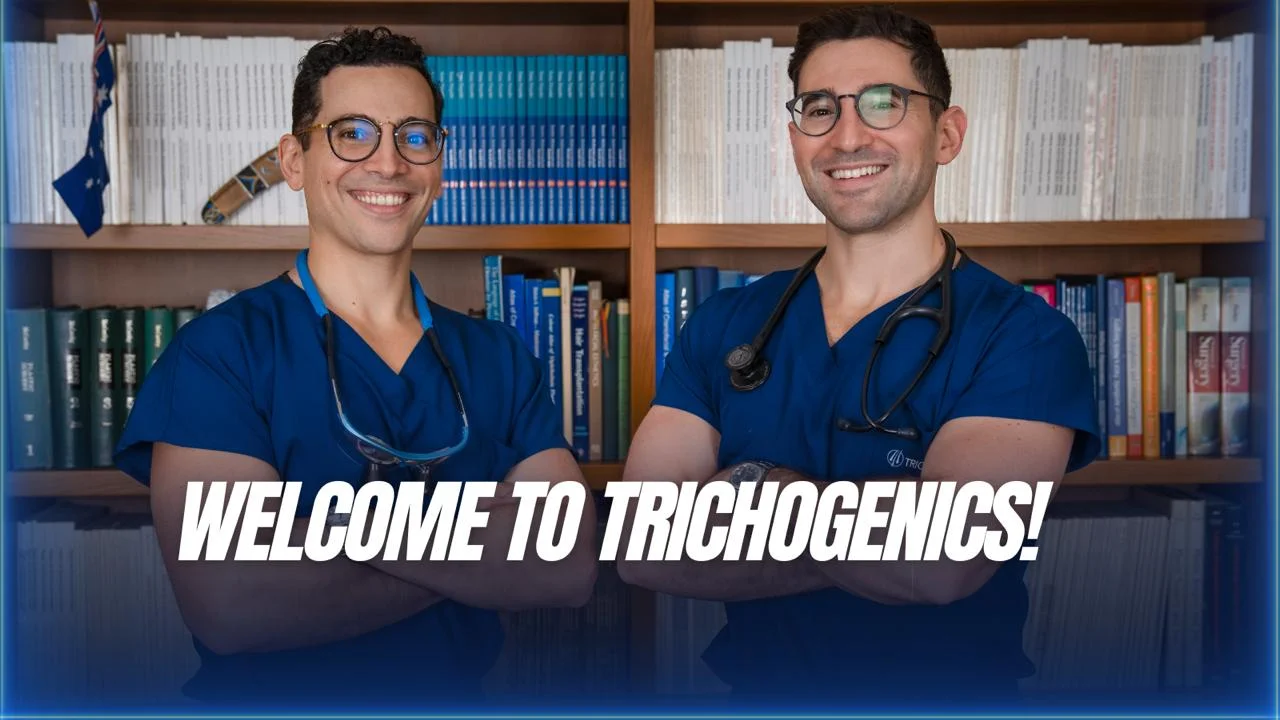
All procedures are performed only by doctors
The uniqueness of Trichogenics lies in its strict medical process; only certified doctors perform every transplant. No technicians or unqualified assistants are involved. Choosing a clinic with proven experience in hair transplants can make all the difference.
Meet Dr. Asi and Dr. Eric Peretz
The two doctors leading Trichogenics, Dr. Asi Peretz and Dr. Eric Peretz, are recognized leaders in the field. Their extensive experience, attention to detail, and focus on natural results make Trichogenics the best choice.
Contact Trichogenics today to schedule a personal consultation and get a clear, doctor-led plan for your hair restoration.


