

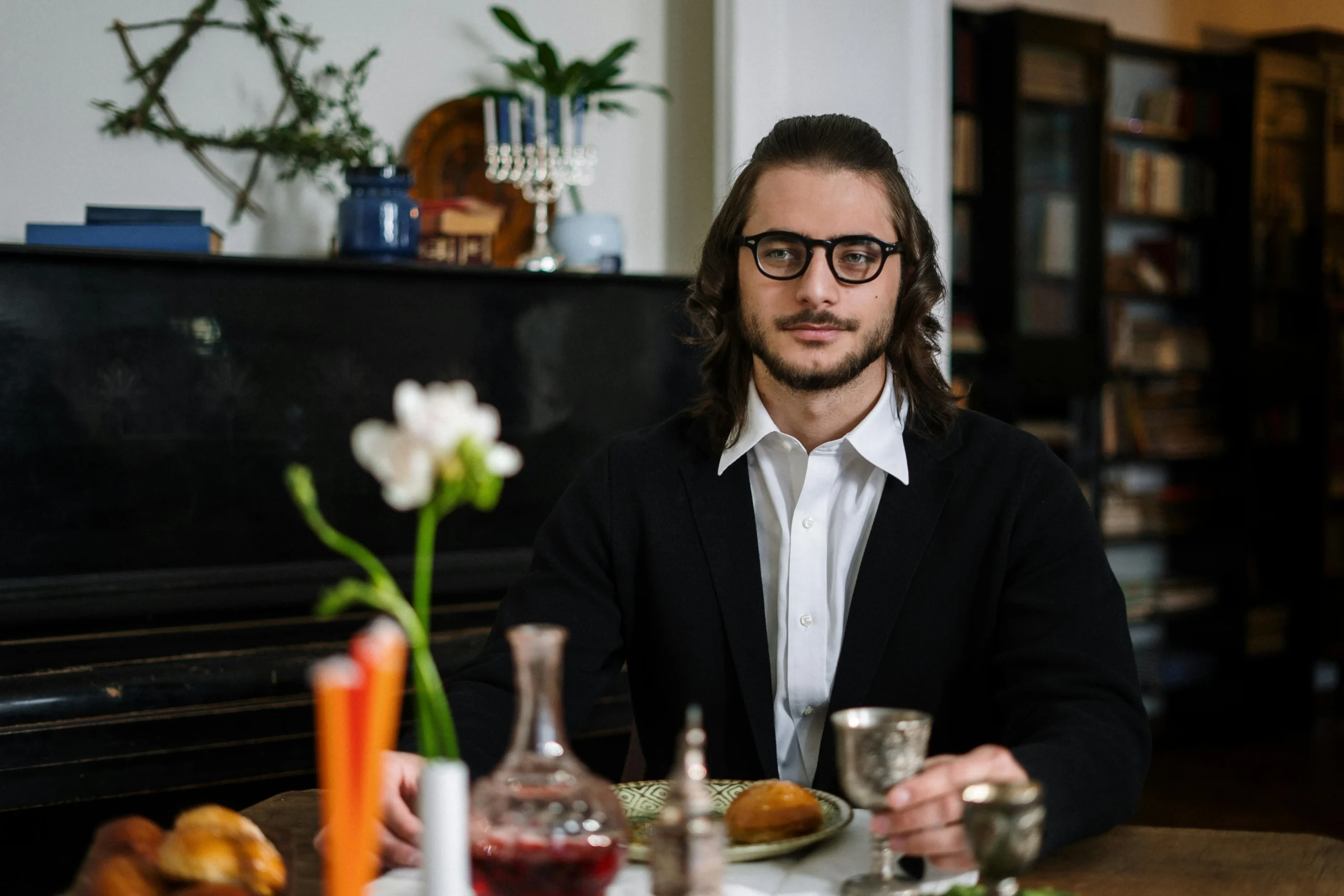
Jewish hair encompasses many textures, curl patterns, and colors among people of Jewish ancestry.
It is shaped by genetics and regional history, not by religion alone. It can appear as tight curls, loose waves, or straight strands, and may include brown hair or blonde hair, depending on family background.
Discussions of Jewish hair often link physical traits to cultural identity and historical migration, especially in regions such as Eastern Europe and the Mediterranean.
Hair also carries symbolic meaning in religious texts and traditions, adding cultural depth beyond its biological function. The sections below explain these genetic, cultural, and clinical aspects in more detail.
Key Takeaways
- Jewish hair includes a wide range of textures and colors, shaped by genetics and regional ancestry rather than religion alone.
- Jewish curly hair is common, but not universal, and texture varies across communities from Eastern Europe to the Middle East.
- Hair carries cultural and religious meaning in some orthodox Jewish traditions, including practices such as payot and hair covering.
- Hair loss affects Jewish men and Jewish women at similar rates as other populations, and physician-led procedures in regulated medical systems help support safer and more controlled restoration planning.
What Is Jewish Hair?
Jewish hair refers to the various textures and colors observed among Jewish populations. Jewish communities formed in many regions. Those regions shaped hair thickness, curl pattern, and color. Hair texture depends on follicle shape, not faith.
Jewish Hair Texture and Genetics
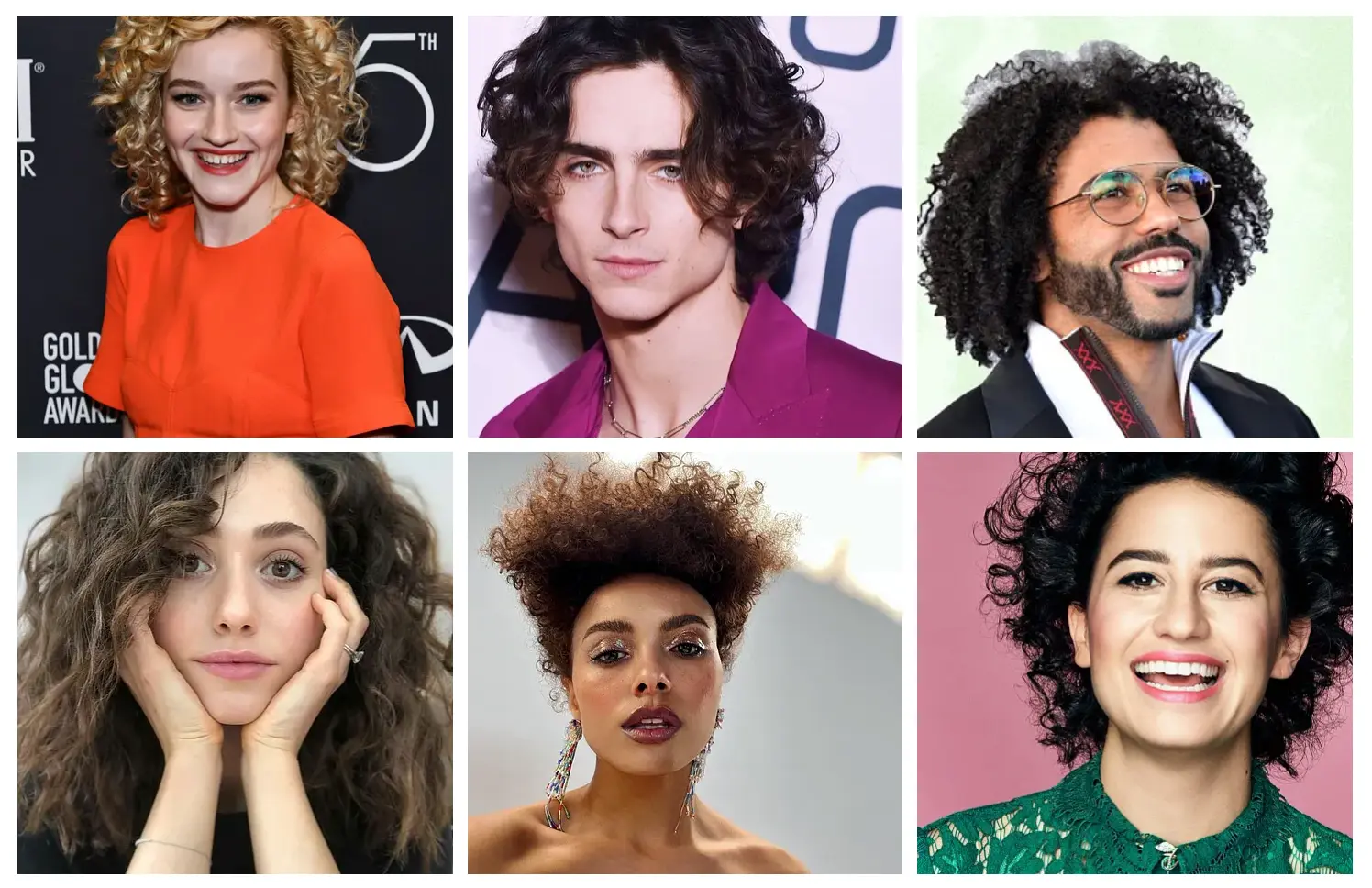
A round follicle makes straight hair. An oval follicle makes curls. Many Ashkenazi families from Eastern Europe show Jewish hair curls or loose waves. Sephardic and Mizrahi groups may have thicker or darker hair. These traits are genetic.
Jewish hair texture may include:
- Tight curls
- Loose waves
- Straight strands
- Thick coarse hair
- Fine soft hair
This range shows normal genetic variation within the Jewish community.
Patients with textured or curly hair who later consider surgical restoration often ask about graft survival and angle control, which is explained in detail in the curly hair transplant.
Is Jewish Hair Naturally Curly?
Jewish curly hair is common but not universal. Some people have strong curls. Others have straight or wavy hair. Climate and styling can change how hair looks. It is incorrect to assume that all Jewish people share the same texture.
Jewish Hair Styles and Traditions
Hair style often reflects culture and belief. Orthodox Jewish communities follow rules linked to Orthodox Judaism. Secular families follow modern trends. Regional history also shapes style.
What is the Jewish hairstyle?
There is no single Jewish hairstyle. In orthodox Judaism, some men follow specific grooming rules. In other communities, people wear modern cuts. Style depends on belief and personal choice.
Jewish Hair Curls and Jewish Curly Hair
Jewish hair curls often appear in films and media. Thick curls create volume. Some link curls to Jewish identity, but this does not apply to everyone. Straight and wavy hair are also common.
For individuals experiencing thinning around the curls or temple recession, long-term density planning is discussed in the hair transplant density section.
Jewish Hair Locks – Payot
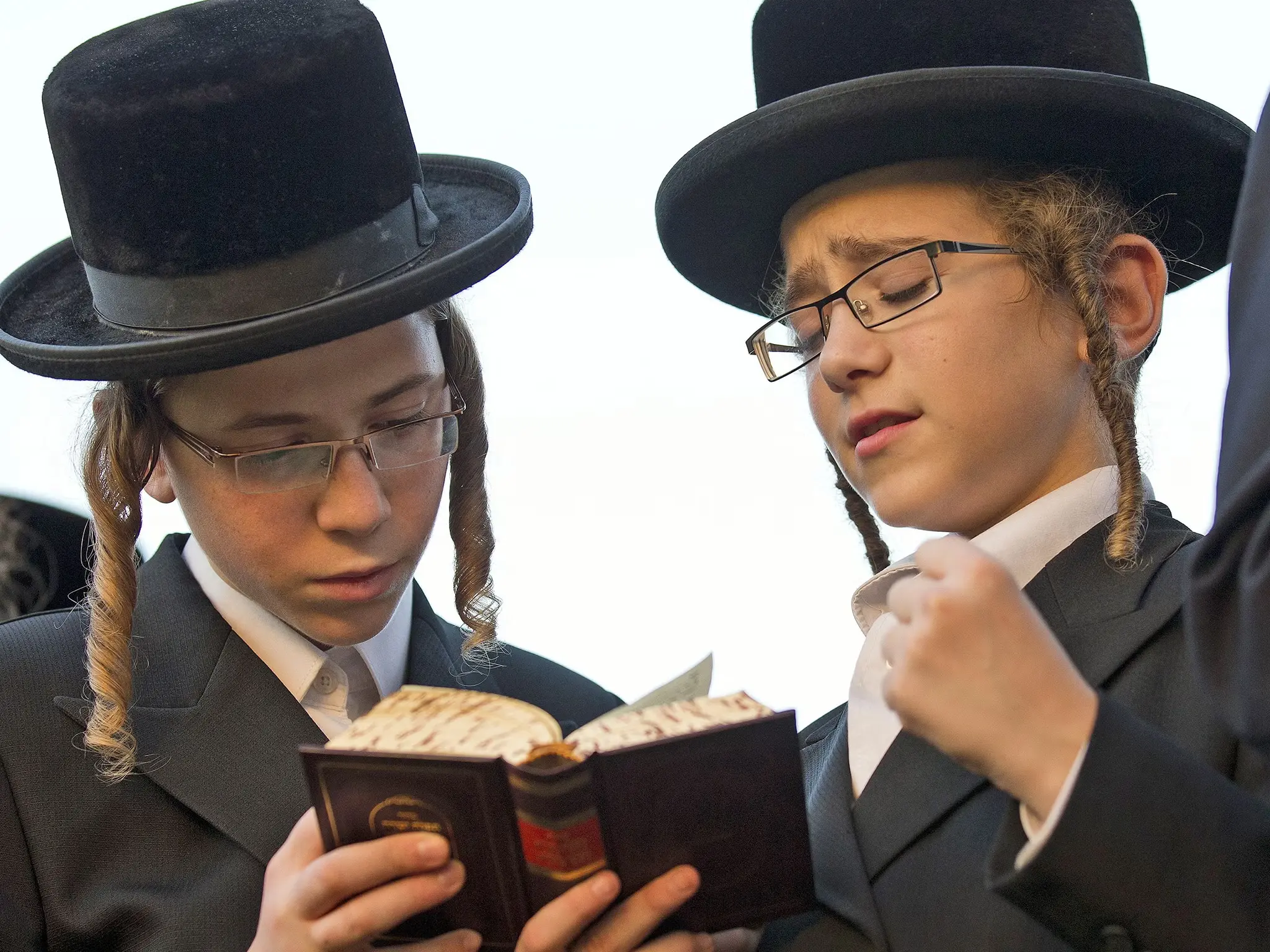
Payot are side locks worn by some Orthodox Jewish men. This practice comes from a religious interpretation of scripture. Length and shape vary by community. It relates to faith, not genetics.
When hairline recession affects the temple region, some men explore surgical options similar to those explained in the widow’s peak hair transplant.
Jewish Hair Braids
In parts of Eastern Europe, Jewish women wore braids to manage long hair. Braids supported modesty and daily work. Today, braids are usually a style choice. Jewish women may wear braids, curls, straight hair, brown hair, or blonde hair.
Jewish Men’s Hair and Jewish Hair Female Traditions
Jewish men’s hair practices differ by observance. Some orthodox Jewish men grow beards or avoid shaving certain areas. Others follow modern grooming styles.
Jewish women in religious communities may cover their hair after marriage. Others wear their hair uncovered.
What Is the Significance of Hair in Jewish Culture?
Hair holds meaning in Jewish history. Religious texts mention hair in stories about strength and devotion. These stories influenced cultural habits.
Biblical and Religious Symbolism
The story of Samson links strength to uncut hair. Nazirite vows required people to refrain from cutting their hair during periods of devotion. These examples show symbolic value. Modern practice differs between communities.
Identity, Stereotypes, and Modern Views
Jewish identity has sometimes been reduced to stereotypes about Jewish hair curls. Media images often repeat this idea. In reality, the Jewish community shows wide diversity in texture and color. Identity is based on culture and belief, not hair type.
Hair Loss and Medical Considerations
Hair loss affects Jewish men and Jewish women at similar rates as other groups. The main cause is androgenetic alopecia. This condition leads to gradual thinning. Curl patterns do not prevent hair loss.
Patients often ask how successful surgery really is, and this is often assessed by the success of hair transplants.
Genetic Patterns and Common Concerns
Androgenetic alopecia happens when follicles react to a hormone called dihydrotestosterone. The hormone shrinks follicles over time. Both curly-haired and straight-haired people can develop thinning.
Early signs include:
- Receding hairline
- Thinning at the crown
- Shedding for more than six months
- Visible scalp in bright light
Early action improves long-term planning.
When to See a Hair Doctor
@trichogenics This is what you need to look out for when it comes to world class hair transplants. Dr Asi Peretz explains #hairtransplant #trichogenics #hairtransplantturkey #hairtransplantsurgery #hairtransplantation #hairloss #naturalhair #hairfall #hairlosssolutions #FUE #fy
♬ original sound - Trichogenics
A consultation should be done by a licensed physician. The doctor checks donor density and scalp health. Certified operating rooms and proper anesthesia reduce risk.
A standard medical review may include:
- Digital scalp imaging
- Donor area measurement
- Family history review
- Discussion of future hair loss pattern
This helps decide if medication, monitoring, or surgery is best.
Advanced Hair Restoration Options
Modern surgery uses FUE, DHI, and Sapphire FUE. FUE removes single follicular units. DHI uses a Choi pen to place grafts directly. Sapphire FUE uses sharp blades to create clean channels.
In Greece and Israel, a physician-performed FUE procedure for 2,000 to 3,000 grafts usually costs USD 3,500–6,000. This often includes physician fees, anesthesia, certified operating room use, and follow-up visits at 1, 6, and 12 months.
In Turkey, some clinics offer packages ranging from USD 1,800 to USD 2,800. In many high-volume centers:
- Technicians perform most of the procedure
- One physician supervises several patients
- 6 to 10 patients may be treated daily
- Follow-up care may be limited
The lower cost reflects the structure. In clinics where the physician performs the full procedure, more time is spent on hairline design and graft angle control.
Lower daily patient volume reduces the risk of donor overharvesting. Israel and Greece operate under regulated medical systems.
Dr. Asi Peretz has explained that removing too many grafts can permanently thin the donor area. Careful planning protects long-term density.
Results usually appear over 9 to 12 months. Treatment decisions should follow medical advice, not be driven by price alone.
Why Choose Trichogenics?
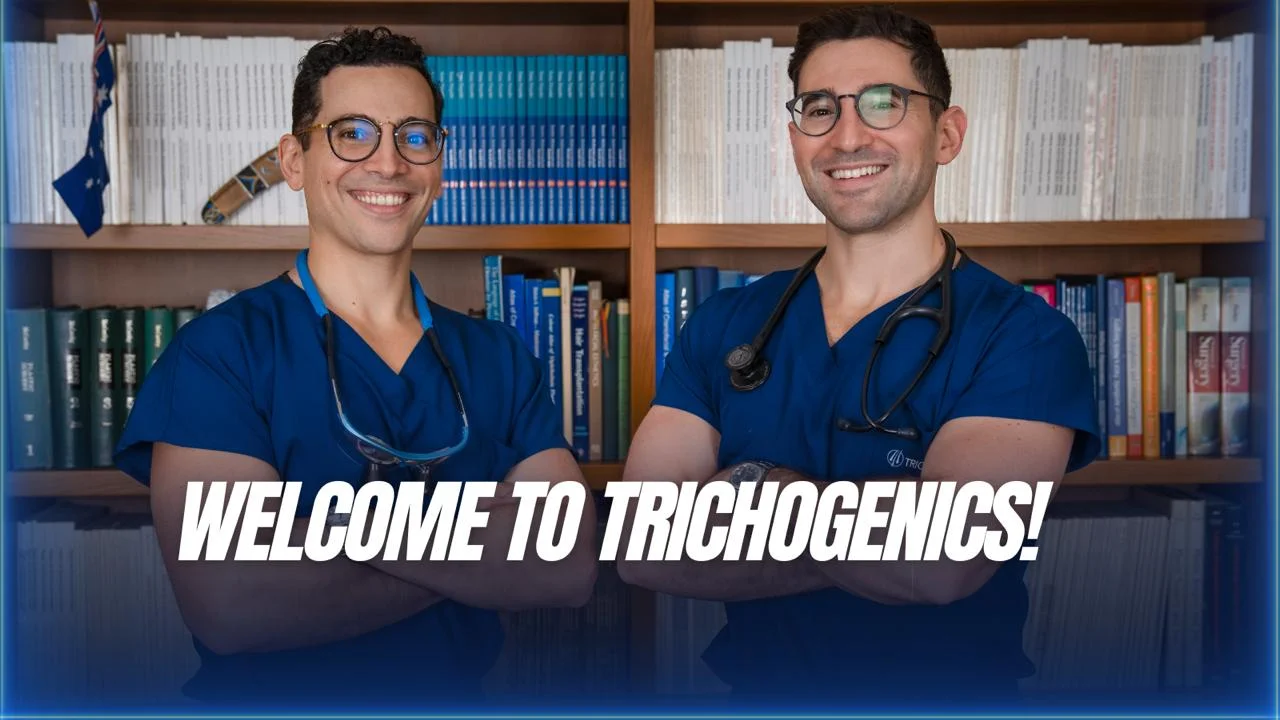
All procedures are performed only by doctors
The uniqueness of Trichogenics lies in its strict medical process; only certified doctors perform every transplant. No technicians or unqualified assistants are involved. Choosing a clinic with proven experience in hair transplants can make all the difference.
Meet Dr. Asi and Dr. Eric Peretz
The two doctors leading Trichogenics, Dr. Asi Peretz and Dr. Eric Peretz, are recognized leaders in the field. Their extensive experience, attention to detail, and focus on natural results make Trichogenics the best choice.
Contact Trichogenics today to schedule a personal consultation and get a clear, doctor-led plan for your hair restoration.


