

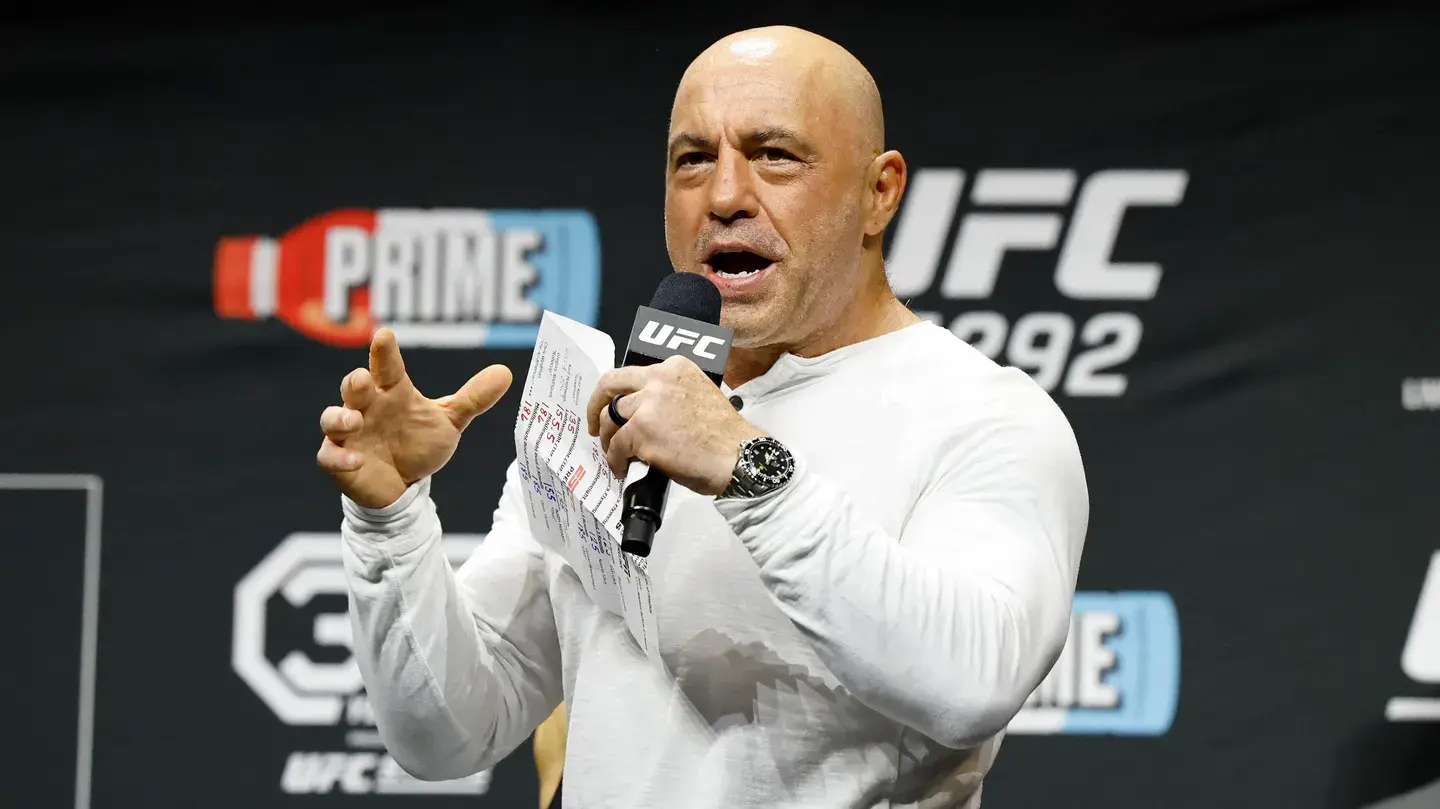
Joe Rogan did have hair transplant surgery early in his adult life, and he has spoken openly about the outcome.
The procedures resulted in a visible scar and outcomes that did not persist as his hair loss progressed. Over time, continued thinning made the outcome less practical to maintain. This is why he eventually chose to shave his head rather than pursue further surgery.
His case is often cited alongside other celebrities who underwent hair transplants, particularly when discussing early techniques and long-term planning failures.
Key Takeaways
- Joe Rogan confirmed he had hair transplant surgery early in life, using older methods that carried higher risks and less predictable outcomes.
- The procedures resulted in a visible donor area scar, and ongoing hair loss reduced the long-term cosmetic benefit of the surgery.
- His case shows how male pattern baldness can continue after surgery, making early intervention without long-term planning less effective.
- Modern hair transplant procedures rely on doctor-led care, improved techniques, and structured follow-up to reduce scarring and manage expectations.
Did Joe Rogan Get a Hair Transplant?
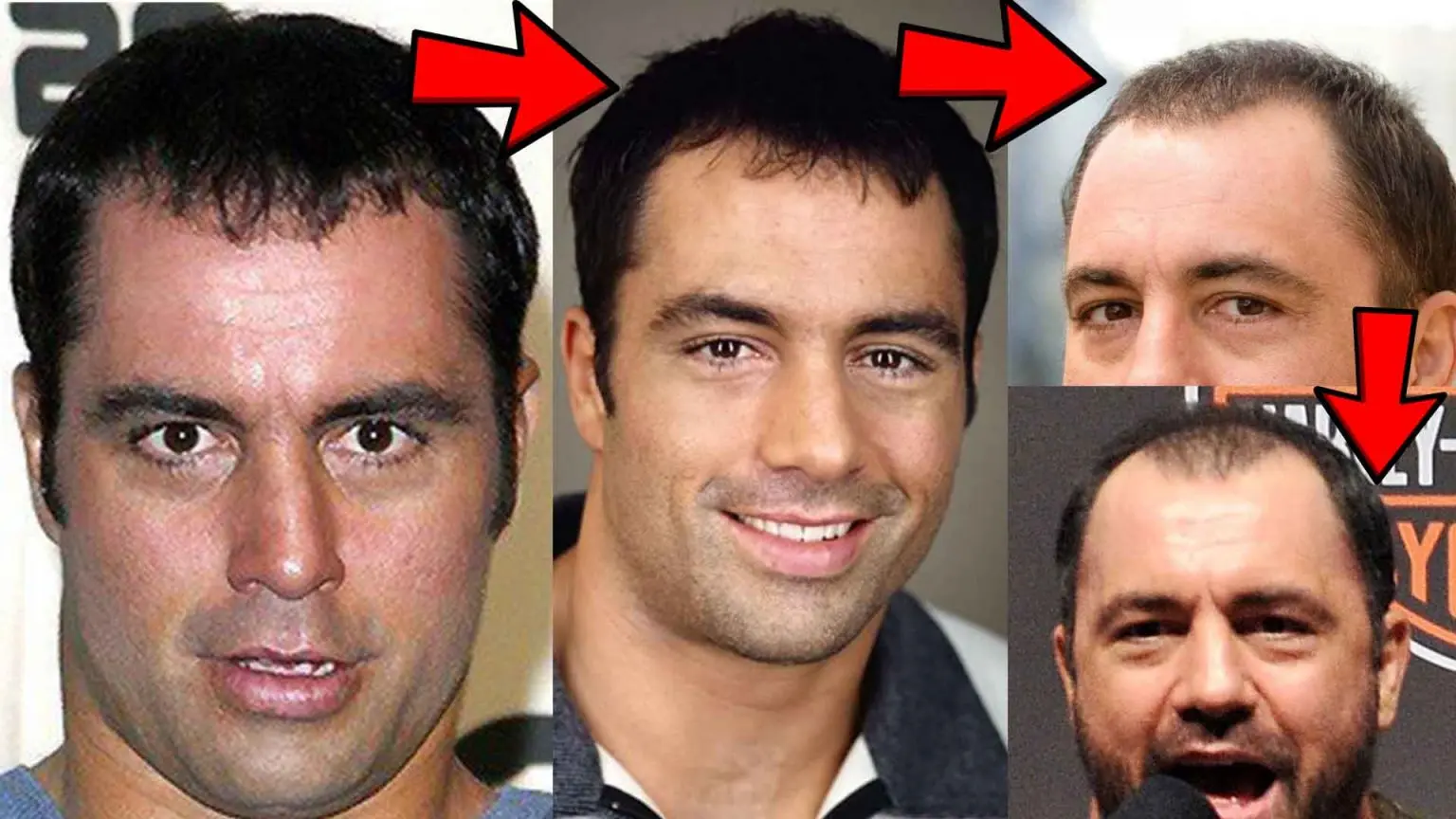
Yes. Joe Rogan confirmed that he underwent hair transplant surgery early in his adult life. When people ask whether Joe Rogan got a hair transplant, the answer comes directly from his own public comments.
At the time, hair restoration relied heavily on strip-based methods rather than the modern FUT and FUE approaches used today. This context accounts for many of the outcomes observed in his case.
His openness has made the Joe Rogan hair transplant a reference point for patient education rather than a subject of speculation.
Joe Rogan Hair Loss Before Surgery
Joe Rogan began losing hair at a relatively young age. He described a receding hairline and thinning patterns consistent with male pattern baldness.
Early hair loss often prompts patients to seek intervention before the loss stabilizes. In his case, that decision played a major role in later outcomes.
Receding Hairline and Hair Loss Progression
A receding hairline was the most visible sign of his hair loss. Over time, thinning continued across the scalp. Progressive loss can reduce the chance of maintaining a full head of hair after surgery.
This pattern is common in men who seek treatment early.
Why He Sought Hair Surgery
Joe Rogan sought hair surgery to slow or reverse visible thinning. Like many young patients, he wanted quick improvement. At the time, education around long-term planning was limited. This context helps explain why Joe Rogan’s hair surgery did not deliver lasting results.
Joe Rogan Hair Surgery Explained
Joe Rogan underwent hair transplant procedures that were common decades ago. These methods relied on strip harvesting rather than modern approaches.
The goal was to move hair from the donor area to the thinning zones. The process carried a higher risk of scarring.
Hair Transplant Methods Used
The primary method used was an early form of follicular unit extraction alternatives, often grouped under strip-based surgery.
Hair was removed in a linear section and then implanted. Hair restoration techniques were still evolving. Precision tools and implantation controls were limited.
Common characteristics of these procedures included:
- Linear donor removal
- Manual graft placement
- Limited density planning
Why Older Techniques Failed
Older hair transplant techniques often failed due to poor long-term planning. Hair loss continued around the transplanted areas.
Scarring became more visible as hair thinned. These limitations explain why multiple hair transplants were sometimes needed.
Joe Rogan Hair Transplant Scar and Results
One of the most discussed aspects is the Joe Rogan hair transplant scar. Rogan described the outcome as disappointing.
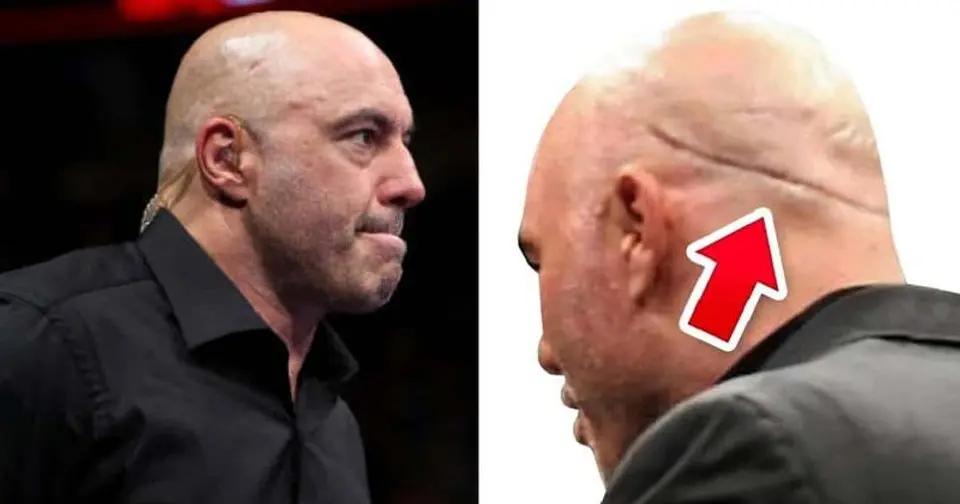
Linear scars can widen over time, especially as density decreases. Similar issues are discussed in cases involving hair transplant scars.
Visible Donor Area Scarring
A visible scar formed at the donor area. Linear scars can widen over time. As hair density drops, coverage decreases. This makes scars harder to conceal.
Why Results Did Not Last
Hair transplant results depend on stable hair loss patterns. In Rogan’s case, loss continued. Transplanted hair did not blend well in the long term. This led to uneven density and cosmetic frustration.
Joe Rogan After Hair Transplant
After a hair transplant, Joe Rogan shows a clear shift in appearance and mindset. Over time, he chose simplicity over repeated procedures. Continued thinning made coverage less predictable. His response was practical.
Continued Hair Loss and Decision to Shave
Hair loss progressed after surgery. Maintaining coverage became difficult. He eventually decided to shave his head. This choice removed concern about scars and density.
Key reasons he decided to shave include:
- Ongoing hair loss
- Visible scar concerns
- Desire for a low-maintenance look
Hair Transplant Joe Rogan vs Modern Methods
Comparing Joe Rogan’s hair transplant with current care highlights how the field has changed. Today, modern follicular unit extraction and DHI are widely accepted. Procedures are more controlled and predictable.
FUT vs Doctor-Performed FUE
FUT relied on strip harvesting. Modern FUE uses individual graft extraction. Doctor-led procedures improve planning and graft survival. Tools such as the Choi pen allow controlled implantation depth and angle.
@trichogenics FUT or the strip method vs FUE, which is better? Which method is best for you? #hairtransplant #hairloss #fue #fut #stripmethod #hairtransplantturkey
♬ 提示音 - unknown
How Results Differ Today
Modern hair transplant techniques focus on natural density and long-term planning. Follow-up care is structured. Outcomes vary, but the risk of a visible scar is lower. This shift explains why many clinics now emphasize medical oversight.
Some patients consider traveling abroad for low-cost surgery. In countries like Turkey, regulation and physician involvement can vary. Greece and Israel follow stricter medical standards, which reduce risk and improve patient safety.
Hair Transplant Costs and Celebrity Cases
Celebrity hair transplants raise curiosity about pricing and frequency. Costs vary widely based on graft count and medical supervision. Public cases often lack clinical detail.
How Much Do 3,000 Hair Grafts Cost?
The cost of 3,000 hair grafts varies widely depending on location, clinic standards, and the surgeon performing the procedure. Pricing usually reflects medical oversight, technique, and long-term follow-up rather than just the number of grafts.
Typical price ranges by region:
- United States
- $12,000 to $18,000 USD
- Higher costs reflect doctor-only procedures, regulated clinics, and long-term follow-up
- Turkey
- $3,000 to $5,000 USD
- Lower prices often involve technician-led surgeries and limited follow-up
- Greece / Israel
- $7,000 to $11,000 USD
- Mid-range pricing with strong medical regulation and doctor-performed procedures.
What drives the price difference:
- Surgeon vs technician involvement
• Graft handling and survival rates
• Hairline design and density planning
• Post-operative care and follow-up
• Clinic regulation and accountability
A lower upfront price does not always mean better value. Many patients focus on long-term outcomes, safety, and graft survival rather than cost alone.
Which Actor Has Had the Most Hair Transplants?
Many public figures undergo more than one procedure. Celebrity hair transplants often involve staged planning. Results differ due to hair loss pattern and expectations. Public visibility increases scrutiny.
What Patients Can Learn From Joe Rogan’s Case
Joe Rogan’s hair restoration story offers practical lessons. It highlights the importance of planning and medical oversight. Patients benefit from understanding limits and risks.
Timing and Expectations
Early surgery carries risk if hair loss continues. Patients should plan for progression. Education helps set realistic goals.
Choosing the Right Surgeon
Choosing a qualified physician matters. Training, certification, and follow-up reduce complications. Doctor-led care supports safer outcomes and a better understanding of hair loss.
Why Choose Trichogenics?
All procedures are performed only by doctors
The uniqueness of Trichogenics lies in its strict medical process; only certified doctors perform every transplant. No technicians or unqualified assistants are involved. Choosing a clinic with proven experience in hair transplants can make all the difference.
Meet Dr. Asi and Dr. Eric Peretz
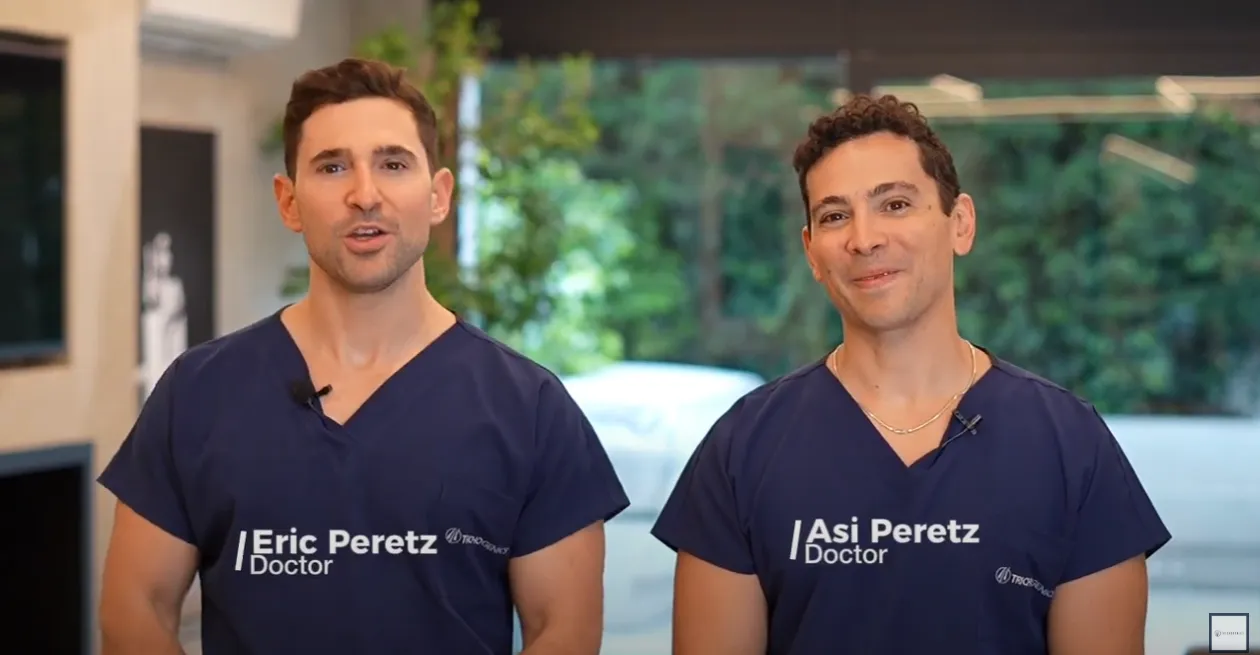
The two doctors leading Trichogenics, Drs. Asi and Eric Peretz are recognized leaders in the field. Their extensive experience, attention to detail, and focus on natural results make Trichogenics the best choice.
Contact Trichogenics today to schedule a personal consultation and get a clear, doctor-led plan for your hair restoration.


