

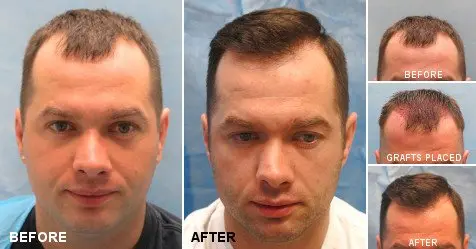
A Norwood 2 hair transplant is a treatment for early male pattern hair loss. This stage mainly affects the temples and the front hairline.
At this stage, surgery is not always needed. Many patients can manage hair loss with monitoring or medical treatment. This depends on how stable the condition is and how it progresses.
A Norwood 2 hair transplant may be appropriate when the hairline has clearly changed, and the pattern appears consistent over time. The goal is usually subtle hairline refinement rather than restoring large areas of loss.
The sections below explain how Norwood 2 is defined, who may be a candidate, and what results and planning typically involve.
Key Takeaways
- A Norwood 2 hair transplant is an option for early hair loss, but many patients can manage this stage with medical treatment and monitoring if the pattern remains stable.
- Norwood 2 hair loss mainly affects the frontal hairline and temples, with limited impact on the top of the head or crown, making careful diagnosis important before choosing surgery.
- Treatment decisions at Norwood 2 should consider long-term progression, donor hair preservation, and realistic expectations rather than immediate cosmetic change.
- When surgery is performed, results focus on subtle hairline refinement, with graft count and cost varying based on individual anatomy and clinical planning.
Should You Get a Hair Transplant at Norwood 2?
A hair transplant at Norwood 2 depends on how stable the hair loss pattern appears over time. This stage of male pattern baldness is defined by mild recession of the hairline, often without significant hair loss elsewhere on the scalp.
Some patients benefit from early intervention, while others maintain good coverage using non-surgical treatment options. The decision should be based on clinical evaluation rather than cosmetic urgency.
Norwood 2 is often a transitional stage. Many individuals remain stable for years. Proper diagnosis and planning help avoid unnecessary procedures and preserve donor hair, a topic explored further in what is the best age for a hair transplant.
Is Norwood 2 Too Late?
Norwood 2 is not considered too late for treatment. It represents an early stage of male pattern within established classification systems such as the Hamilton-Norwood scale.
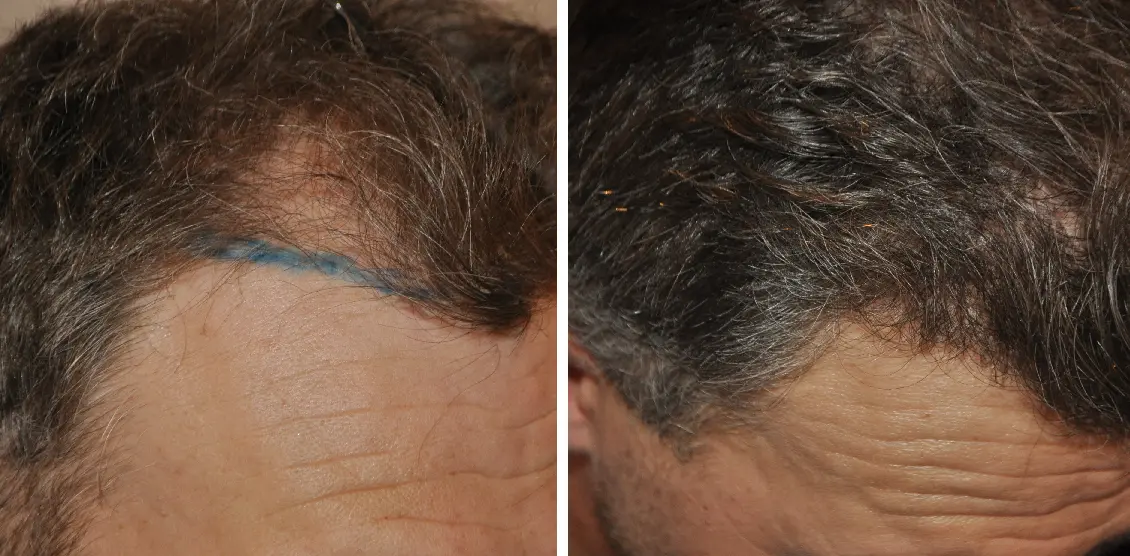
Hair loss usually appears at the side of the head near the temples, not in a large bald area. Doctors focus on the progression of hair loss rather than age alone.
Patients often worry they have waited too long. In reality, Norwood 2 is rarely associated with being completely bald, and many individuals remain stable for years.
Who Is a Good Candidate
A good candidate for hair transplant, Norwood 2 usually shows a consistent receding hairline without rapid progression.
Donor hair quality, scalp health, and family history of androgenetic alopecia are all important. Patients who experience hair loss gradually often have more predictable outcomes.
Doctors typically review several factors before recommending surgery:
- Stability of the receding hairline over time
- Family history of male pattern baldness
- Donor hair density and quality
- Signs of ongoing progression of hair loss
- Overall scalp and skin condition
Candidates should understand that early procedures focus on hairline refinement rather than full density restoration.
What Norwood 2 Hair Loss Means
Norwood 2 hair loss is defined by mild recession of the frontal hairline, often forming a subtle M shape. This change usually affects the temples while the central frontal hairline remains intact.
It is one of the early stages of hair loss within the Norwood scale. Hair thinning stages at this level are usually limited and localized.
This stage does not usually involve the crown. Most patients retain strong density behind the frontal hairline, allowing flexible treatment planning, as seen in how successful hair transplants are when done conservatively.
Norwood 2 Hairline Changes
The Norwood 2 hairline shows a visible but modest recession at the temples. The recession of the hairline is often symmetrical and gradual.
Hair follicles in this area may miniaturize rather than disappear completely. This allows for both medical and surgical options.
Unlike advanced stages, Norwood 2 does not involve significant thinning across the scalp. The frontal hairline remains mostly preserved.
Norwood 2 Examples
Clinical examples of Norwood 2 often show good overall density with mild temple recession. Patients may notice changes when styling their hair or comparing older photos.
These examples help distinguish Norwood 2 from later stages of male pattern hair loss.
Examples also show that progression varies. Some individuals remain stable, while others move slowly into later stages.
Norwood Scale and Early Hair Loss Stages
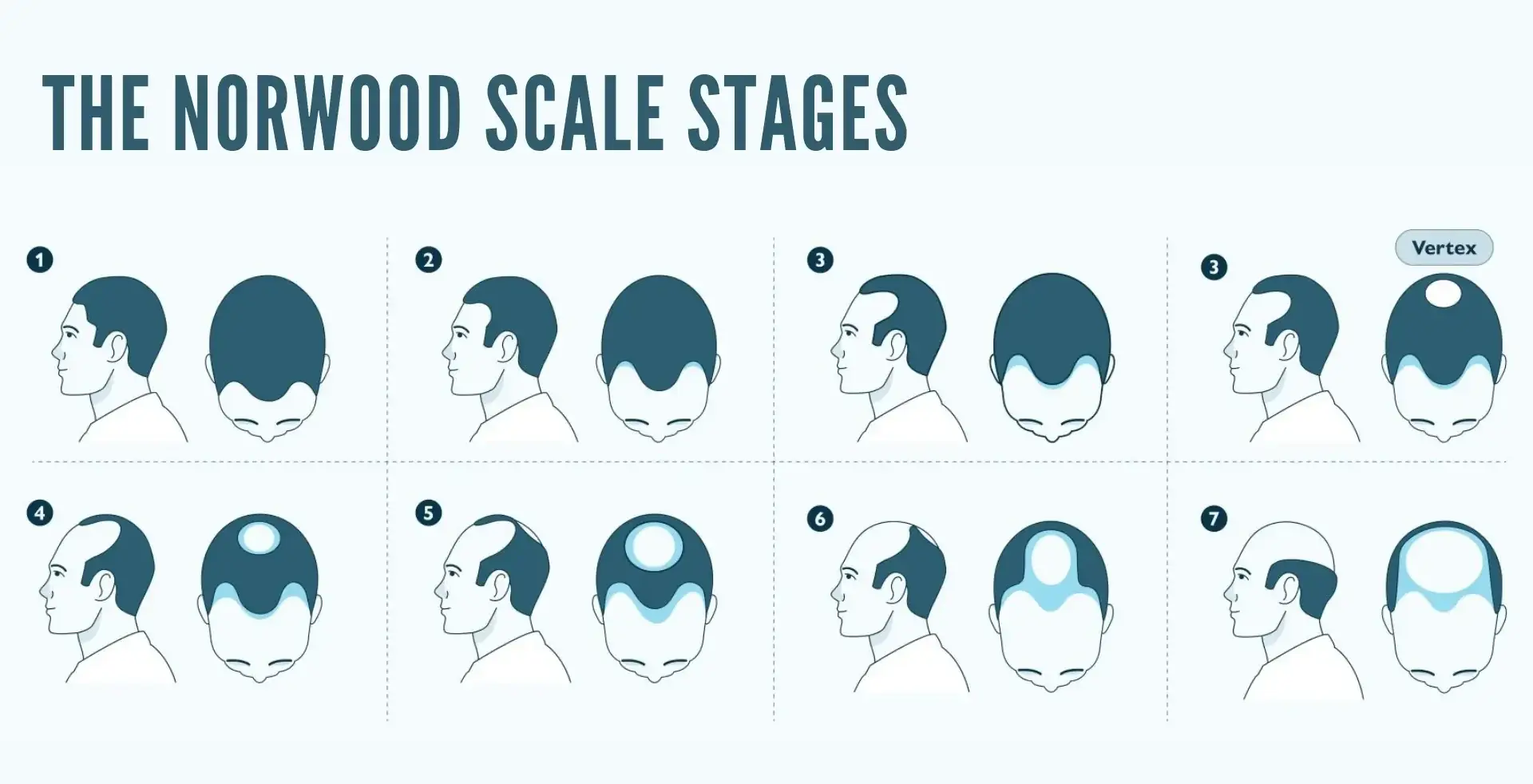
The Norwood hair scale is one of the most widely used classification systems for male pattern baldness. It categorizes hair loss from minimal recession to advanced stages involving the crown and frontal scalp.
Norwood 2 is considered an early stage of male pattern. Understanding this scale helps set realistic expectations.
The Norwood balding scale is used in both research and clinical settings. It helps compare current hair loss to expected progression.
Norwood Hair Scale Explained
The Norwood scale begins with minimal hairline change and progresses through several stages. Each stage reflects changes in the frontal hairline, crown, or both. Norwood 2 sits between a juvenile hairline and a more pronounced recession.
This classification helps explain why not all hair loss requires immediate surgery.
Stages of Hair Loss at Norwood 2
Norwood 2 represents an early point in the stages of hair loss. It does not indicate severe thinning or advanced baldness. Most patients still have strong donor areas at this stage.
Recognizing this stage helps avoid overtreatment and supports long-term hair restoration planning.
Norwood 2 Hair Loss Treatment Options
Treatment options for Norwood 2 hair loss range from medical therapy to surgical intervention. The right approach depends on stability, goals, and long-term planning. Treatment decisions should be based on clinical findings rather than appearance alone.
Early treatment often focuses on slowing the progression of hair loss.

Medical Treatment Options
Medical treatment options aim to support hair follicles and slow miniaturization. These approaches are often recommended before surgery at early stages. Medical care can help maintain existing density along the frontal hairline.
Common non-surgical approaches discussed at this stage include:
- Medications used to slow male pattern hair loss
- Topical treatments that support hair follicles
- Monitoring hair thinning stages over time
- Follow-up evaluations to assess response
Medical therapy often continues even if surgery is later chosen, as discussed in hair transplant without finasteride what you need to know.
Hair Transplant for Norwood 2
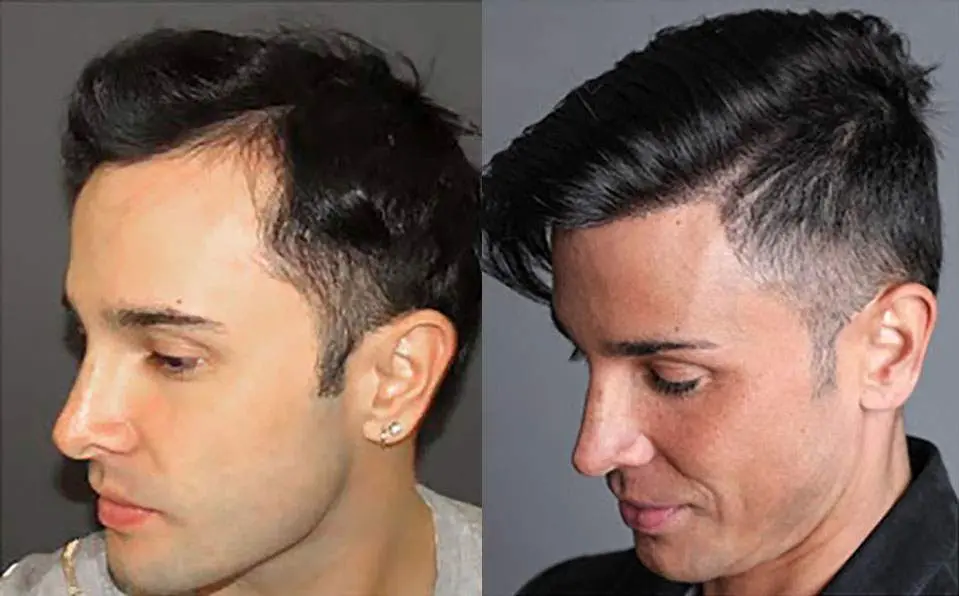
A hair transplant for Norwood 2 focuses on refining the frontal hairline and temple angles. Techniques like FUE and DHI are commonly used, with controlled placement methods.
Understanding technique differences, such as those outlined in fut vs fue hair transplant key guide, helps patients make informed decisions.
Norwood 2 Hair Transplant Results
Norwood 2 hair transplant results are usually subtle and natural when planned conservatively. The goal is balance, not dramatic density change.
Results depend on graft placement, hair characteristics, and ongoing management of male pattern hair loss.
Patients should expect gradual changes rather than immediate improvement.
Norwood 2 Hair Transplant Before and After
Before and after comparisons often show improved symmetry of the frontal hairline. Changes are typically modest but noticeable. The treated area is usually small.
These comparisons help set realistic expectations and highlight the importance of conservative design.
What Results Look Like Over Time
Hair growth follows a gradual timeline. Transplanted hair may shed before new growth begins. Final appearance can take up to twelve months.
Ongoing follow-up helps track results and manage future progression.
Grafts and Cost for Norwood 2
Graft numbers and cost vary at Norwood 2. These factors depend on hairline design, donor density, and the technique used. Early-stage procedures generally require fewer grafts than advanced cases.
Cost should be viewed as part of long-term planning.
How Many Grafts Are Needed
Most Norwood 2 cases require a limited number of grafts. The focus is on the frontal hairline rather than the top of the head. Hair characteristics also influence graft needs.
Factors that influence graft count include:
- Shape and width of the frontal hairline
- Degree of temple recession
- Hair thickness and curl pattern
- Desired density in the treated area
- Planning for future stages of hair loss
A clinical evaluation determines the appropriate range.
Long-Term Planning After a Norwood 2 Transplant
Long-term planning is essential after any hair restoration procedure. Norwood 2 patients often continue to experience hair thinning stages over time. A transplant does not stop androgenetic alopecia.
Planning focuses on preservation and flexibility.
Managing Future Hair Loss
Managing future hair loss involves monitoring progression and adjusting treatment when needed. Medical therapy may continue after surgery. This helps protect surrounding hair.
A long-term plan reduces uneven outcomes.
Protecting the Donor Area
The donor area is finite. Conservative use at Norwood 2 preserves options for later stages, an issue also discussed in what happens to donor areas after a hair transplant.
Why Choose Trichogenics?
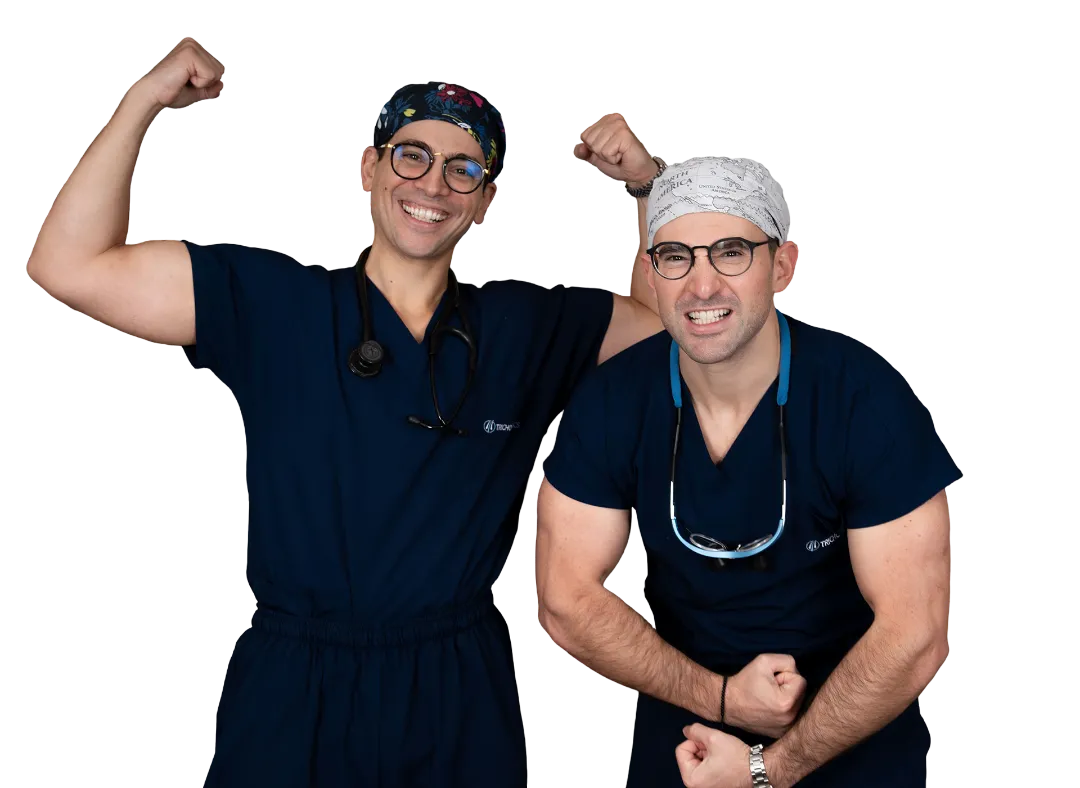
All procedures are performed only by doctors
The uniqueness of Trichogenics lies in its strict medical process; only certified doctors perform every transplant. No technicians or unqualified assistants are involved. Choosing a clinic with proven experience in hair transplants can make all the difference.
Meet Dr. Asi and Dr. Eric Peretz
The two doctors leading Trichogenics, Dr. Asi Peretz and Dr. Eric Peretz, are recognized leaders in the field. Their extensive experience, attention to detail, and focus on natural results make Trichogenics the best choice.
Contact Trichogenics today to schedule a personal consultation and get a clear, doctor-led plan for your hair restoration.


