

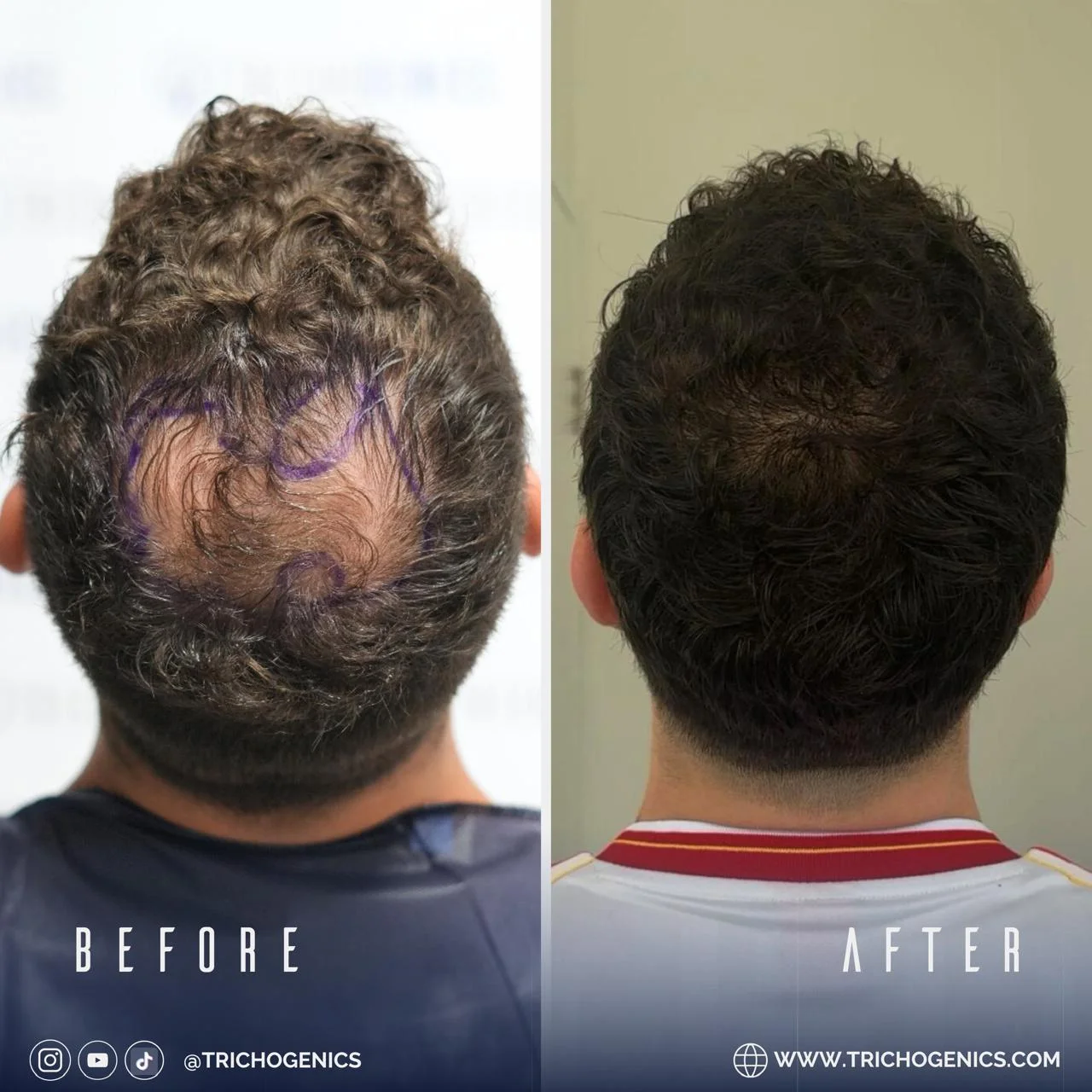
You should consider treatment when hair loss is stable enough for a surgeon to predict future changes and plan long-term coverage. When Should You Get a Hair Transplant depends on clear hair loss patterns, a healthy donor area, and realistic expectations about future recession.
Most patients benefit from a procedure once styling no longer hides thinning and medical treatments are no longer enough. Timing also improves when your overall health supports healing and hair growth. If these factors align, you are likely ready for a safe and effective transplant.
Key Takeaways
- Choosing when you should get a hair transplant depends on stable hair loss patterns, a healthy donor area, and a clear understanding of future progression.
- The best time for a FUE hair transplant is when your hair loss has slowed enough for the surgeon to predict long-term changes and design a natural result.
- Patients in their 30s often have the most predictable patterns, but individuals of any age can be good candidates when overall health, hair density, and goals align.
- Treating hair loss too early or too late may limit results, making medical evaluation and preparation essential for long-term hair growth and balanced coverage.
- Selecting a regulated clinic like Trichogenics in Greece or Israel offers safer outcomes compared to Turkey, where many clinics lack proper oversight and medical supervision.
Best Time to Get a Hair Transplant

Understanding when you should get a hair transplant depends on hair loss stability and how predictable your pattern appears. Most patients seek help when thinning becomes visible, and daily styling no longer hides gaps.
A stable phase allows the surgeon to see your hair loss patterns clearly. This leads to safer planning and more natural results.
Knowing when is the best time to get a hair transplant helps avoid rushed decisions. Many choose a moment that fits their personal or work schedule so recovery feels comfortable.
Stable periods also help your surgeon understand long-term changes. This reduces the need for unexpected revisions.
Common signs it may be time to consider surgery:
- You see visible thinning in the hairline or crown.
- Styling no longer maintains coverage.
- Hair loss has slowed for several months.
Patients also ask when to get a hair transplant based on the season, but timing mainly depends on personal routine.
Recovery is easier when you have quiet days and can follow aftercare steps. This helps protect new grafts. Clear planning creates smoother results.
Age Factors and Hair Transplant Age Limit
@trichogenics How to treat hairloss at different ages? Here i discusses how to treat hairloss from the ages of 16-22. Excuse my baby in the background. #hairtransplant #hairloss #trichogenics #hairfall #hairtransplantturkey #hairtransplantgreece #hair #hairlosssolutions #finasteride #minoxidil #fyp
♬ original sound - Trichogenics
Age affects when hair becomes predictable and stable. The age for a hair transplant depends on how clearly your male pattern baldness has formed.
There is no strict hair transplant age limit, but younger patients need careful analysis because hair may continue to recede. Older patients often have more stable patterns.
Transplants in Your 20s
A young age makes timing harder because the early stages are unpredictable. Treating too soon can place grafts in zones that may thin later. This creates an imbalance that requires additional surgery. Careful timing protects long-term outcomes.
Patients in their 20s should begin with hair loss treatments to stabilize progression. These options help preserve density and offer a clearer roadmap.
Useful treatments at this stage include:
- Medications for male pattern baldness
- PRP to support hair follicles
- Lifestyle adjustments
Transplants in Your 30s
Many candidates for hair transplantation find their 30s to be a strong time for surgery. Hair loss is more stable, and donor area quality is usually high. This gives the surgeon more flexibility in design. It also creates predictable long-term results.
People in their 30s often have a clear view of the extent of hair loss. This helps create balanced plans. Fewer unpredictable changes occur at this stage. The time for a hair plan becomes easier to define.
Transplants After 50
Patients over 50 often have mature and stable patterns. This helps map long-term coverage. Many achieve excellent results as long as the donor area density is strong. Good overall health helps support healing and growth.
Surgeons check the donor area and overall health carefully. These factors show whether you are a good candidate. With the right plan, most patients over 50 still benefit from a natural improvement. Clear patterns make planning easier.
Early Timing Risks Explained
Getting a procedure too early can harm long-term results. Early stages are hard to predict, and grafts may be placed in zones that later thin. This creates uneven density. Patients may need more sessions than necessary.
Future hair loss is harder to predict at young ages. Surgeons must understand long-term patterns before placing grafts. Donor area overuse at a young age limits future options. Careful timing protects the donor zone.
Patients in the early stages often use treatments to stabilize hair first. This approach slows progression and supports balanced planning. It also gives the surgeon time to observe your pattern. Stable patterns lead to better long-term results.
When It’s Too Late for a Hair Transplant
Patients often ask when it is too late for a hair transplant. It is rarely too late, but donor strength becomes the key factor. If the donor zone is weak, grafts may not provide enough coverage. Early evaluation helps avoid unrealistic goals.
Low donor density limits how many grafts can be used safely. Overharvesting can create visible thinning in the donor region.
Patients in advanced stages may benefit from combined approaches, including non-surgical solutions. These can still help improve appearance.
Scalp elasticity also affects the results in late stages. Low elasticity makes placement more difficult. Surgeons evaluate scalp health, donor strength, and expectations to confirm suitability. A safe plan prevents unnecessary risks.
Medical Criteria to Determine the Right Timing
Selecting the right moment depends on medical evaluation. Surgeons assess donor area quality, hair density, and the extent of hair loss. These factors show how well grafts may grow. Combined, they determine the safest plan.
A good candidate has stable hair loss for at least one year. This stability helps surgeons predict future hair loss. Your overall health also affects healing and final outcomes. Safe planning requires reviewing each factor carefully.
Here are key medical criteria specialists evaluate:
- Strength of your hair follicles
- Predictability of future hair loss
- Condition of the donor area
- Overall health and lifestyle habits
These indicators guide long-term decisions. They also help determine when hair transplant procedures will offer the most natural results. Medical analysis protects long-term balance.
Alternatives Before Surgery and Preparation Steps
@trichogenics What you need to know before you go for a hair transplant. #trichogenics #hairloss #hairtransplant #hairtransformation #hairtransplantsurgery #hairtransplantgreece #hairlosssolutions #hairtransplantturkey #balding #hairloss #fyp
♬ original sound - Trichogenics
Many patients try hair loss treatments before surgery to slow progression. These treatments maintain density and help stabilize future hair loss. They also improve how the scalp responds after surgery. This supports long-term growth.
Topical medications, oral medications, and PRP sessions are common choices. These options strengthen hair follicles and help maintain coverage.
For younger patients, treatments help stabilize early stages. Combined approaches support stronger outcomes.
Preparation includes reviewing health habits and recovery plans. Improving sleep, lowering stress, and avoiding smoking can support healing. These steps help graft survival. Good preparation creates a more comfortable recovery.
Turkey is often promoted as a low-cost option, but it carries major risks. Many clinics operate without medical supervision and rely on untrained technicians.
Safety regulations are weak, leading to poor outcomes. Choosing Trichogenics in Greece or Israel ensures regulated care and full doctor involvement.
Choosing the Right Specialist for Safe, Lasting Results
Results depend heavily on choosing the right specialist. At Trichogenics in Greece and Israel, every procedure is doctor-performed under safe medical standards.
Patients receive personalized plans based on long-term patterns. This supports natural and lasting results.
Why Choose Trichogenics?

All procedures are performed only by doctors
The uniqueness of Trichogenics lies in its strict medical process—only certified doctors perform every transplant. No technicians or unqualified assistants are involved. Choosing a clinic with proven experience in hair transplants can make all the difference.
Meet Dr. Asi and Dr. Eric Peretz
The two doctors leading Trichogenics—Dr. Asi Peretz and Dr. Eric Peretz—are recognized leaders in the field. Their extensive experience, attention to detail, and focus on natural results make Trichogenics the best choice.
Celebrity Hair Transplants
Who has undergone the procedure at Trichogenics? The answer is clear: a safe, professional clinic that delivers results that look great even under camera lights.
Contact Trichogenics today to schedule a personal consultation and get a clear, doctor-led plan for your hair restoration.


