

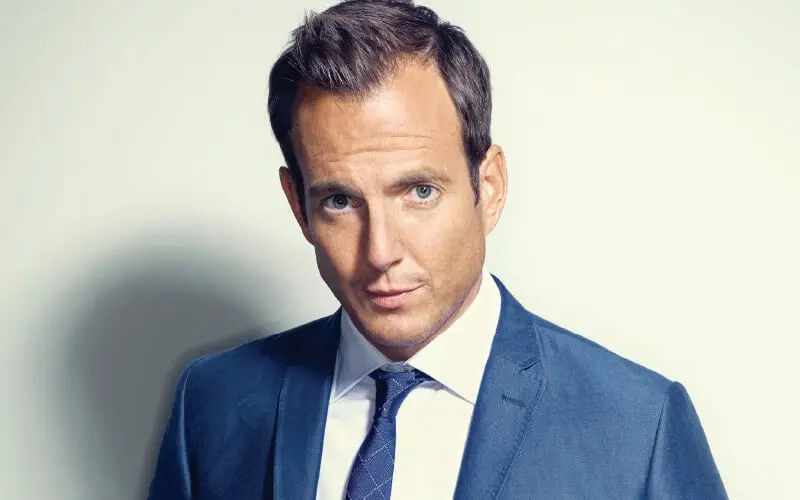
Will Arnett has never said publicly that he had a hair transplant. There is no proof that he has had one. The discussion about Will Arnett’s hair transplant comes from changes in his photos over the years. There are no official statements on this topic.
Some images suggest fuller hair, while others can be explained by styling, hair length, lighting, or normal aging. Because there is no confirmation, the most accurate view is that any claim remains speculative. The sections below explain what can be observed, what cannot be confirmed, and how experts usually assess similar cases.
Key Takeaways
- There is no public confirmation that Will Arnett has had a hair transplant, and discussions are based on photo comparisons rather than verified medical information.
- Changes in hair appearance can result from styling, hair length, lighting, or natural aging, not only from hair transplant surgeries.
- Celebrity cases highlight common hair restoration topics such as FUE techniques, donor areas, and why natural-looking results are often subtle.
- For patients, the main lesson is to focus on personal hair loss patterns and medical evaluation rather than using celebrity photos as proof or guidance.
Did Will Arnett Get a Hair Transplant?
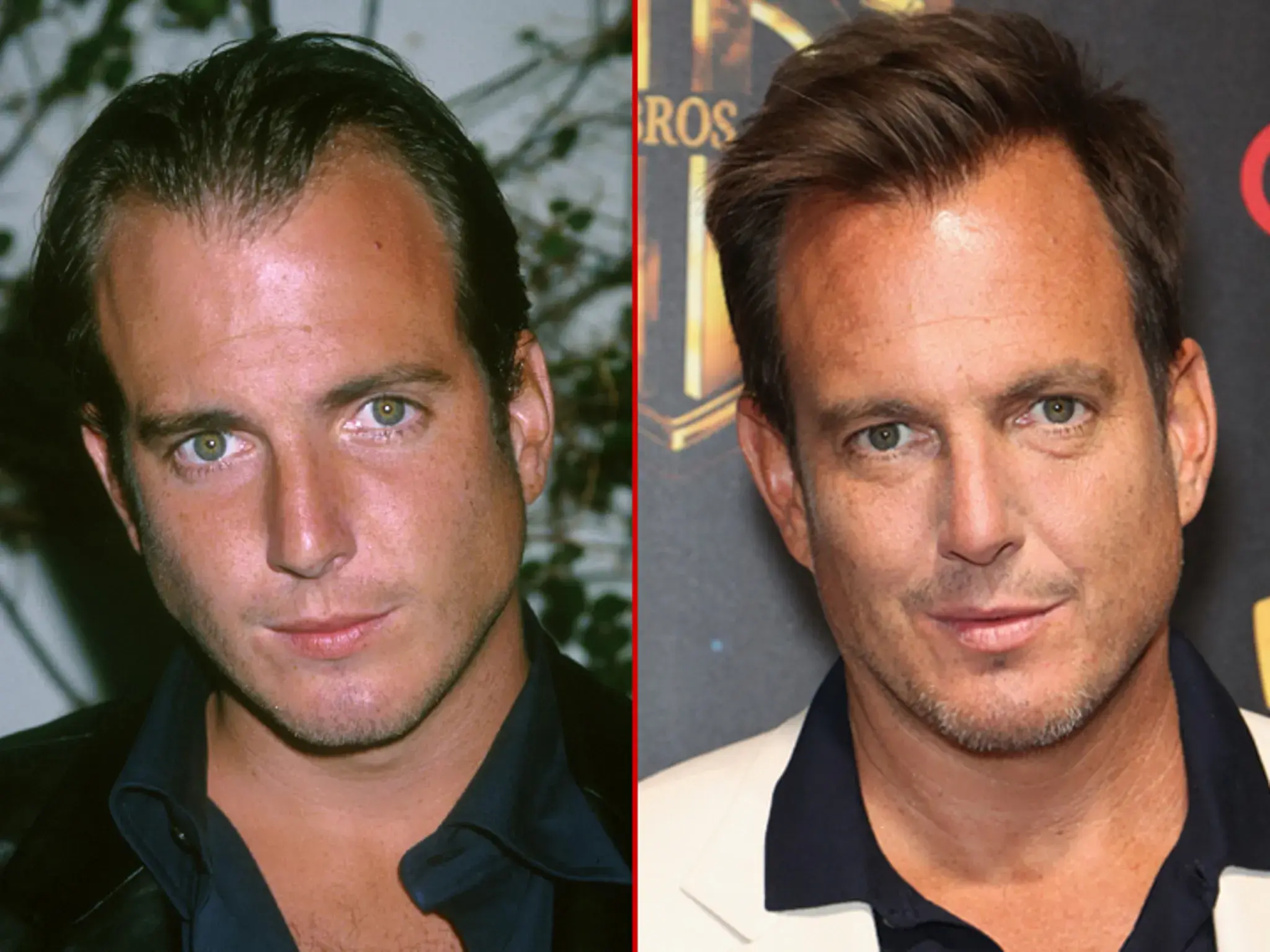
There is no public statement or verified report confirming that Will Arnett has had a hair transplant. Most discussions about a possible Will Arnett hair transplant come from comparing photos taken years apart.
Photo comparisons can be misleading because hair appearance often changes for reasons unrelated to surgery. Without confirmation, it is not accurate to state that he has undergone a hair transplant. This cautious approach is consistent with how doctors analyze celebrity cases.
When specialists review cases like this, they focus on visual patterns rather than assumptions. This same approach is used when evaluating whether celebrities with hair transplants truly show signs of surgical intervention or simply styling changes.
Factors experts typically consider include:
- Hairline shape and whether it changes abruptly or gradually
- Density patterns across the scalp and temples
- Signs of work in donor areas at the back or sides of the scalp
- Consistency of hair growth across different time periods
In Will Arnett’s case, these signs do not clearly point to a confirmed hair transplant procedure. The available information supports a neutral conclusion based on observation, not proof.
Will Arnett Hair Loss and Appearance Changes
Public photos show that Will Arnett’s hair has changed over time, which often leads to discussion about a possible Will Arnett hair transplant.
In earlier roles, his hairline appeared higher, with mild temple recession that fits common male pattern baldness. In later appearances, his hair sometimes looks denser, especially when styled differently.
In later appearances, his hair sometimes looks denser. These shifts explain why his appearance is compared to other public figures discussed in articles such as Steve Carell.
Hair appearance can change for many non-surgical reasons. Will Arnett long hair styles can create the look of more volume and coverage.
Lighting, camera angles, and professional grooming also affect how thick hair appears in photos. These factors make visual comparisons unreliable on their own.
Common reasons hair appearance may change include:
- Longer hair styles that add visual density
- Professional styling for film or public events
- Natural changes in hair growth cycles
- Temporary variations caused by lighting and angles
In this case, the available images support careful observation rather than firm conclusions. Changes in appearance alone do not confirm a hair transplant or any specific hair restoration procedure.
Early career vs recent years
In his early career, Will Arnett appeared with more visible temple recession. This is typical for many men. Over time, his hair has looked more even in some public appearances. This change does not prove treatment.
Hair growth can vary due to age, health, and grooming. Some men keep a full head of hair longer than expected. Others see slow changes. Photos alone do not show the full picture.
Will Arnett before hair transplant comparisons
Many websites label older photos as “before hair transplant.” These labels are not confirmed. True before-and-after images require the same lighting and angles.
Celebrity photos often come from events with professional styling. Hair products and camera angles can change appearance. These factors limit how reliable comparisons can be.
Does Will Arnett Wear a Hair Piece or Wig?
Some people ask if Will Arnett wears a hair piece. There is no evidence to support this idea. Wigs and hair systems often show sharp changes in density or edges.
In most photos, his hairline looks even and consistent. Changes appear gradual, not sudden. This makes a hair piece less likely. Styling remains a simpler explanation.
Understanding the difference between surgical restoration and external systems helps clarify confusion. This distinction is often discussed when comparing hair plugs vs hair transplants.
Hair Transplant, Hair Restoration, or Hair Replacement?
The terms hair transplant, hair restoration, and hair replacement are often mixed together in online discussions, including those about a possible Will Arnett hair transplant.
Each term refers to a different approach, and confusing them can lead to incorrect assumptions.
This confusion is common when people compare public figures to celebrities with hair transplants without clear evidence. Understanding the differences helps readers interpret these cases more accurately.
Hair transplant procedures involve moving a person’s own hair follicles from donor areas to thinning areas. Hair restoration is a broader term that can include surgery, medication, and other medical care.
Hair replacement uses external systems, not natural hair growth. These approaches work in very different ways.
Key differences between these options include:
- Hair transplants rely on existing hair follicles and natural regrowth
- Hair restoration may combine surgical and non-surgical care
- Hair replacement uses wigs or systems and requires ongoing maintenance
- Styling choices, such as Will Arnett long hair, can be mistaken for treatment
In celebrity cases, subtle changes often lead to speculation. Without confirmation, it is not possible to know which approach, if any, was used. Clear definitions help separate medical facts from visual assumptions.
@trichogenics Hair transplant vs hair restoration medication like finasteride, minoxidil and Dutasteride. What is best? And which one should you do? Dr Asi Peretz explains. #hairtransplant #trichogenics #hairtransplantturkey #hairtransplantsurgery #hairtransplantgreece #finasteride #minoxidil #dutasteride #fyp #hairloss #hairfall #hairlossremedy #hairlosssolutions
♬ original sound - Trichogenics
How these options differ
A FUE hair transplant uses a follicular unit to move individual hair follicles. This method aims for natural placement. DHI and Choi pen implantation are also used in modern care.
Hair replacement does not involve surgery. It needs regular upkeep. Each option suits different needs. Doctors review hair loss and goals before advising treatment.
Why celebrity results look natural
Celebrities who do undergo treatment often seek subtle results. Doctor-led procedures focus on conservative hairlines and natural density. This approach explains why changes may be difficult to detect.
Modern techniques such as FUE hair transplant are designed to avoid obvious signs of surgery, especially under close public scrutiny.
Celebrities With Hair Transplants Before and After
Many public figures are discussed in hair restoration topics. Examples include Wayne Rooney, John Travolta, and discussion around Steve Carell hair transplant. Wayne Rooney has openly said he opted for a hair transplant early.
These cases shape public views on hair transformation. Some celebrities have undergone a hair transplant and shared their experience. Others have not. This mix leads to ongoing debate.
Common patterns seen in celebrity cases:
- Early treatment before heavy hair loss
- Conservative hairline design
- Focus on natural density
Because of these limits, before-and-after claims should be viewed carefully. Visual similarity to other celebrities does not confirm that a hair transplant or restoration procedure has taken place.
@trichogenics #onthisday throwback to Dr Eric and Celebrity hair transplants. #trichogenics #hairtransplant #hairtransplantturkey #fypage
♬ original sound - Trichogenics
What Can Be Confirmed vs Speculated
There is no verified proof that confirms a Will Arnett hair transplant, and no public statement supports that he has had any surgical procedure. Most claims are based on visual comparisons rather than medical records or direct confirmation.
This places the topic firmly in the area of speculation, not fact. Clear separation between what is known and what is assumed is essential.
What can be confirmed comes from observable information only. Photos show changes in hairstyle and density across different years.
Will Arnett long hair styles, grooming, and professional styling can strongly affect how his hair appears. These factors are often overlooked when speculation begins.
Key differences between confirmation and speculation include:
- Confirmed information relies on public statements or verified sources
- Speculation is based on photos, opinions, or online discussion
- Visual similarity to celebrities with hair transplants does not equal proof
- Hair appearance alone cannot confirm medical treatment
Because no confirmation exists, any claim remains uncertain. Treating speculation as fact can mislead readers. A careful, evidence-based approach helps maintain accuracy when discussing public figures and hair restoration topics.
How Doctors Evaluate a Receding Hairline Before Treatment
This section helps readers understand what professionals look for before recommending a hair transplant procedure. It adds medical context without claiming that Will Arnett had any treatment. It also supports readers who are researching options for themselves.
Doctors first assess whether a receding hairline is stable or still progressing. This step matters because active hair loss can affect long-term results. Evaluation focuses on pattern, age, and family history rather than appearance alone.
Key factors doctors usually review include:
- Degree and pattern of a receding hairline
- Density and quality of hair in donor areas
- Signs of ongoing hair loss versus stabilization
- Overall scalp health and hair growth potential
This process explains why not everyone is a good candidate for surgery at the same time. A hair transplant procedure works best when hair loss patterns are clearly defined.
Including this section educates readers while keeping the article factual, neutral, and clinically focused.
What Will Arnett’s Case Shows Patients
This case shows how photos can lead to assumptions. It also shows why medical review matters more than images. People should focus on their own hair loss pattern.
Hair restoration results depend on:
- Degree of hair loss and hair growth potential
- Strength of donor areas
- Chosen hair transplant techniques
Some people choose to opt for a hair transplant abroad. Countries like Turkey are often mentioned due to low cost. Reports often note weak regulation and limited follow-up in some countries abroad.
Clinics in Greece and Israel operate under stricter medical rules, which supports patient safety and ongoing care.
Anyone who has undergone a hair transplant or is undergoing a hair transplant should rely on medical advice, not celebrity photos. Education helps set realistic expectations. Celebrity stories can inform interest, but they should not guide treatment decisions.
Why Choose Trichogenics?
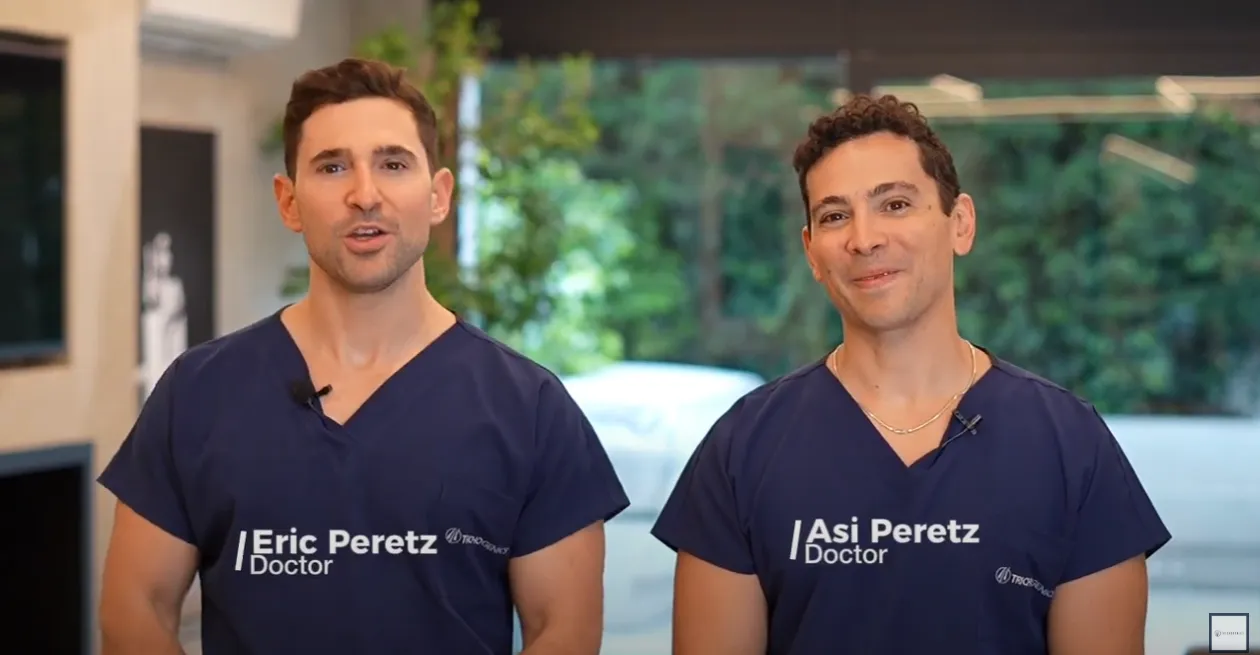
All procedures are performed only by doctors
The uniqueness of Trichogenics lies in its strict medical process; only certified doctors perform every transplant. No technicians or unqualified assistants are involved. Choosing a clinic with proven experience in hair transplants can make all the difference.
Meet Dr. Asi and Dr. Eric Peretz
The two doctors leading Trichogenics Dr. Asi Peretz and Dr. Eric Peretz are recognized leaders in the field. Their extensive experience, attention to detail, and focus on natural results make Trichogenics the best choice.
Contact Trichogenics today to schedule a personal consultation and get a clear, doctor-led plan for your hair restoration.


