

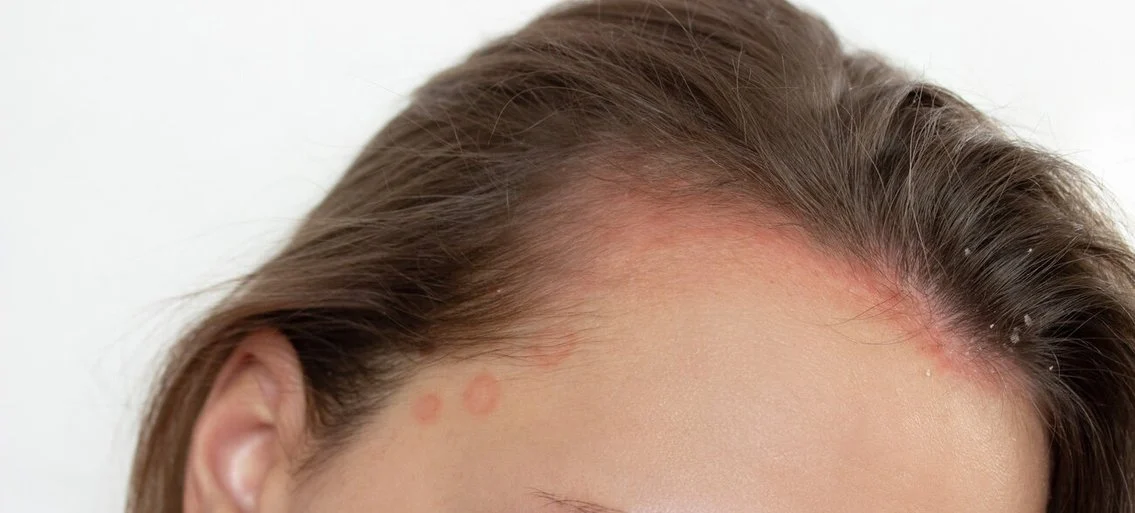
It can also lead to itching and scratching, which may weaken hair strands and increase shedding. In most cases, hair follicles remain intact, so regrowth is possible once the scalp improves.
To stop the shedding, treatment focuses on reducing inflammation and controlling the fungal activity with medicated shampoos, topical treatments, and consistent scalp care.
Early treatment helps prevent prolonged irritation and supports faster recovery. More severe or long-lasting cases may need medical evaluation to restore a healthy scalp environment.
Key Takeaways
- Seborrheic dermatitis can cause temporary hair shedding, but it rarely leads to permanent damage because hair follicles usually remain intact.
- The condition affects the scalp through inflammation, excess sebum, and malassezia yeast, which disrupt normal hair growth cycles.
- Effective treatment for seborrheic dermatitis focuses on reducing inflammation and controlling fungal infection with dandruff shampoos and topical therapies.
- Hair regrowth typically occurs once the scalp condition is controlled, though recovery time depends on severity and consistency of treatment.
- Long-term management is important because seborrheic dermatitis is a chronic condition that can recur without ongoing scalp care.
Can Seborrheic Dermatitis Cause Hair Loss?
Yes, this condition and hair loss can happen at the same time, but the shedding is usually short-term. The condition irritates the scalp and affects how hair grows.
Hair loss in this case is linked to inflammation, not damage to the hair follicles. Once the scalp gets better, hair often grows back.
This is why early symptom control plays a key role in limiting hair shedding. You can explore other common factors that affect hair shedding to better understand how different conditions may impact hair growth.
What Is Seborrheic Dermatitis
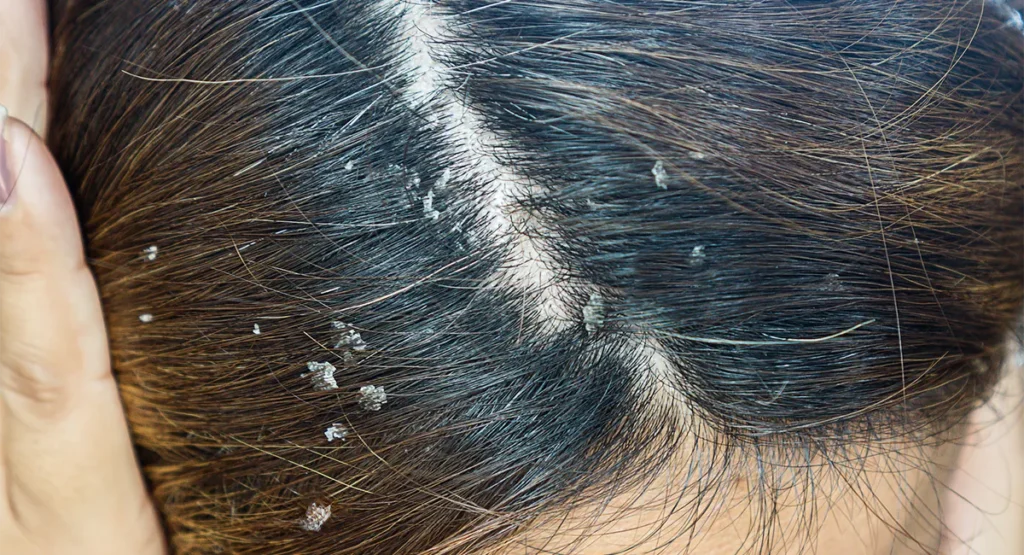
This inflammatory skin condition affects the scalp and other oily areas of the body. It is also called seborrheic eczema and often shows as flakes, redness, and itching.
The condition is linked to excess sebum, malassezia yeast, and the immune system. It is not contagious, but it can come and go over time. Other health-related factors, such as circulation issues, may also play a role, as explained in this guide on how blood pressure can affect hair shedding.
This also explains why the condition often returns if triggers are not managed.
How It Is Diagnosed
Doctors usually diagnose this scalp condition by examining the scalp and reviewing symptoms. They may also rule out similar conditions, such as psoriasis or contact dermatitis.
This step helps ensure the correct treatment is used. Accurate diagnosis reduces unnecessary irritation and supports better recovery.
Why Seborrheic Dermatitis Causes Hair Loss
Hair shedding happens because the scalp is irritated, not because the follicles are destroyed. The condition creates an environment that is poor for normal hair growth.
How the Immune System and Yeast Affect the Scalp
This scalp issue is a chronic condition caused by an interaction between Malassezia yeast and the immune system. The yeast feeds on excess sebum and triggers inflammation that affects the scalp.
This inflammation can disrupt hair follicles and lead to more shedding. Reducing inflammation and controlling fungal infection are key parts of treatment.
The immune system’s response also increases skin cell turnover, leading to visible flakes and buildup. This buildup can block hair follicles and further disrupt normal hair growth cycles.
When this process continues, it can extend the shedding phase and delay regrowth. Controlling both inflammation and buildup helps restore a healthier scalp environment.
Symptoms and Dermatitis Hair Thinning
The symptoms include flaking, redness, and itching. These can resemble dandruff but are often more persistent.
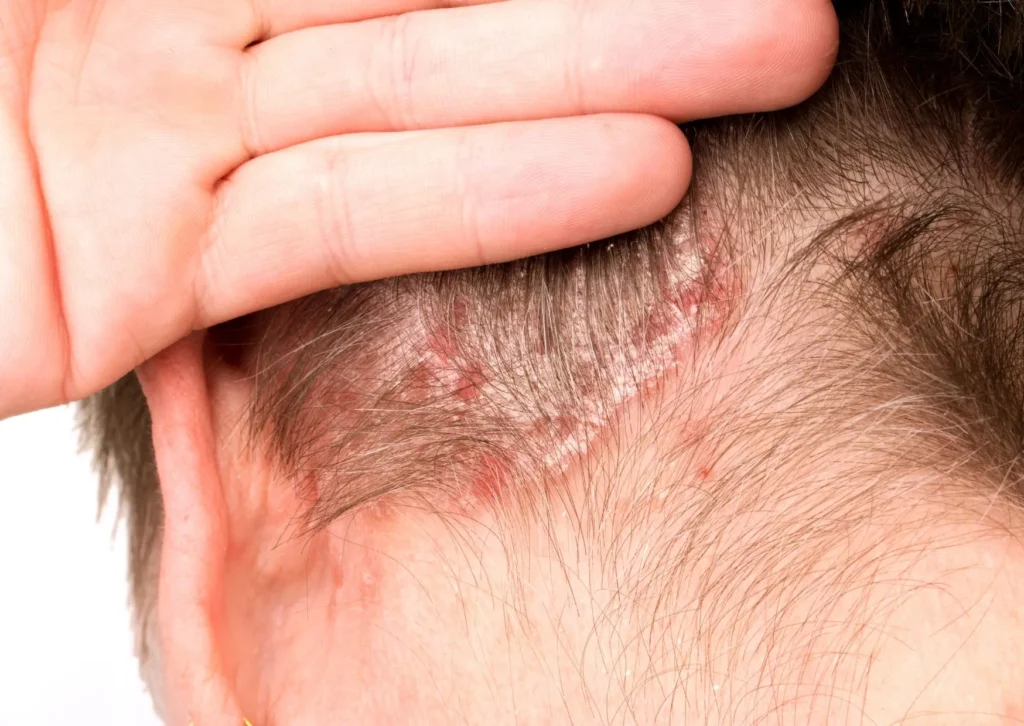
Hair thinning is usually spread across the scalp and not in patches. Once the irritation improves, shedding often slows down.
Tracking these signs early can help prevent more noticeable shedding over time.
Is Seborrheic Dermatitis Hair Loss Permanent?
Hair loss from scalp dermatitis is rarely permanent because hair follicles are not destroyed. The condition affects the scalp surface, not the deeper parts of the hair.
Hair shedding may increase if inflammation continues or if scratching damages the scalp. Early care helps prevent prolonged thinning.
Seborrheic Dermatitis Hair Loss Treatment and Prevention
Treatment aims to reduce inflammation and control fungal infection. This helps restore a healthy scalp and supports hair growth.
Common options include dandruff shampoos with selenium sulfide and antifungal treatments such as Nizoral shampoo for scalp conditions. In more severe cases, doctors may use treatments such as a calcineurin inhibitor.
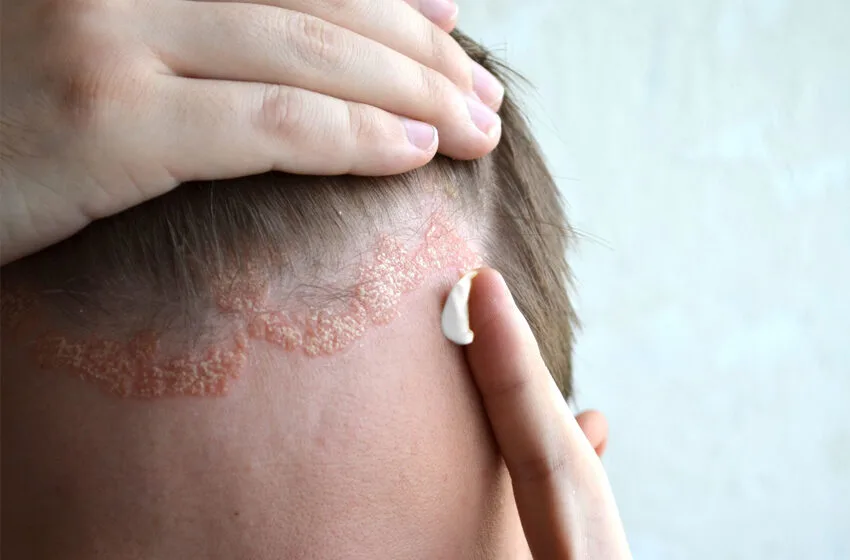
Simple habits like regular washing and gentle care can help prevent flare-ups. Some people also use natural options like coconut oil for scalp care to support moisture and reduce irritation. These steps support long-term control of the condition.
Seborrheic Dermatitis Hair Loss Recovery Time
Recovery time depends on how severe the condition is and how consistently it is treated. Many people notice less flaking, redness, and itching within 2 to 4 weeks after starting treatment. This early improvement helps create a better environment for hair follicles to function normally.
Hair shedding often begins to slow within 4 to 8 weeks as inflammation is reduced. Visible regrowth usually takes 2 to 4 months because hair follicles need time to return to a normal growth cycle.
Consistent use of treatment and proper scalp care are key to maintaining progress and preventing setbacks.
Results vary, but steady treatment often leads to gradual improvement.
When to See a Specialist
You may need medical care if symptoms do not improve or get worse. This is important if basic treatments do not work.
A specialist can guide treatment for seborrheic dermatitis and assess scalp health before procedures like a hair transplant. Regular follow-up helps support safe care.
If your symptoms persist or hair shedding does not improve, a specialist can assess your scalp and guide you on the next steps. Scheduling an evaluation helps clarify the cause, review treatment options, and set realistic expectations for recovery.

