
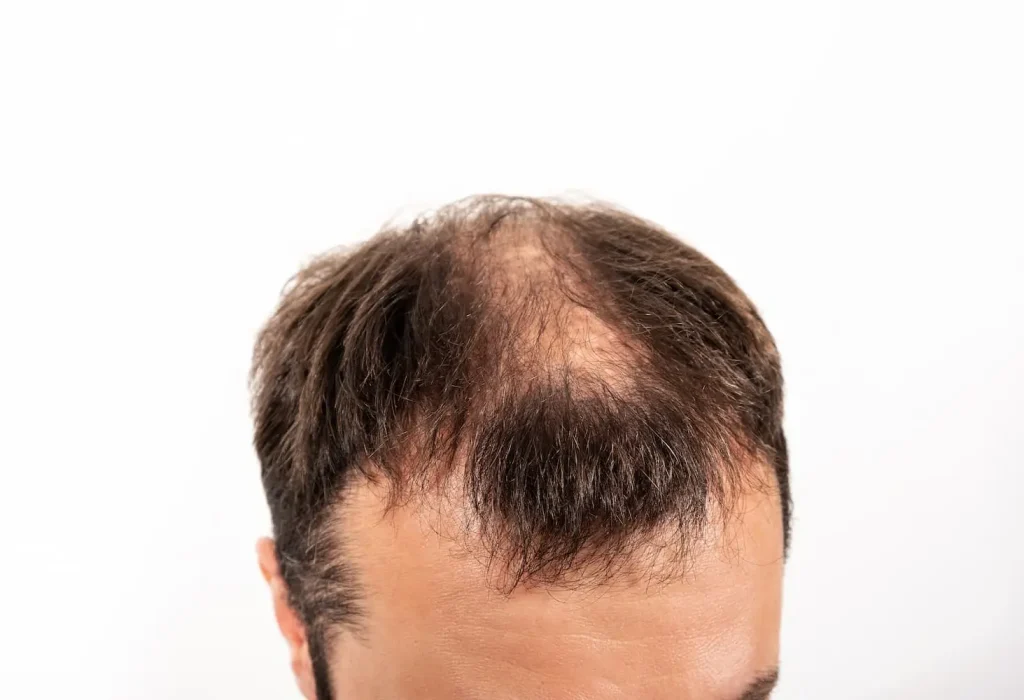
Yes, transplanted hair can appear to fall out after two years, but this usually does not mean the transplanted follicles have failed. In most cases, hair that is transplanted falls out after 2 years due to factors explained in long-term follow-up guides, such as whether hair transplants are permanent.
This is usually due to ongoing loss of nearby natural hair. It can also be caused by changes in the hair growth cycle or medical issues. The loss is not usually from the grafts themselves.
Transplanted follicles are typically resistant to pattern baldness, but they can still be affected by stress, hormonal imbalances, or scalp conditions. This change often creates the impression of thinning even when the transplanted hair remains intact. Understanding what type of hair is shedding is the first step before assuming a transplant problem.
Key Takeaways
- Transplanted hair falling out after 2 years usually does not mean the transplanted follicles have failed, as the most common cause is continued thinning of the surrounding native hair or changes in the hair growth cycle.
- Shedding years after a transplant can be triggered by stress, telogen effluvium, hormonal imbalances, or scalp conditions, similar to issues discussed in shock loss hair transplant.
- Pattern baldness continues after surgery, so untreated areas may keep thinning and create the impression that transplanted hair is being lost when the grafts remain stable.
- Signs of a true transplant failure are uncommon but include poor growth in transplanted areas, uneven density, or visible scarring, which should be evaluated by a qualified hair transplant surgeon.
Can Transplanted Hair Fall Out After 2 Years?
Can transplanted hair fall out after 2 years? In most patients, transplanted hair follicles are resistant to pattern baldness. Still, they are not protected from every possible cause of loss of hair.
When people ask if transplanted hair falls out after 2 years, the answer depends on what hair is shedding.
Many cases of hair falling out 2 years after transplant involve native hair around the grafts. Hair transplant shedding can also happen as part of the normal hair growth cycle. This type of shedding does not mean the transplant failed.
Why Transplanted Hair Falls or Thins Over Time
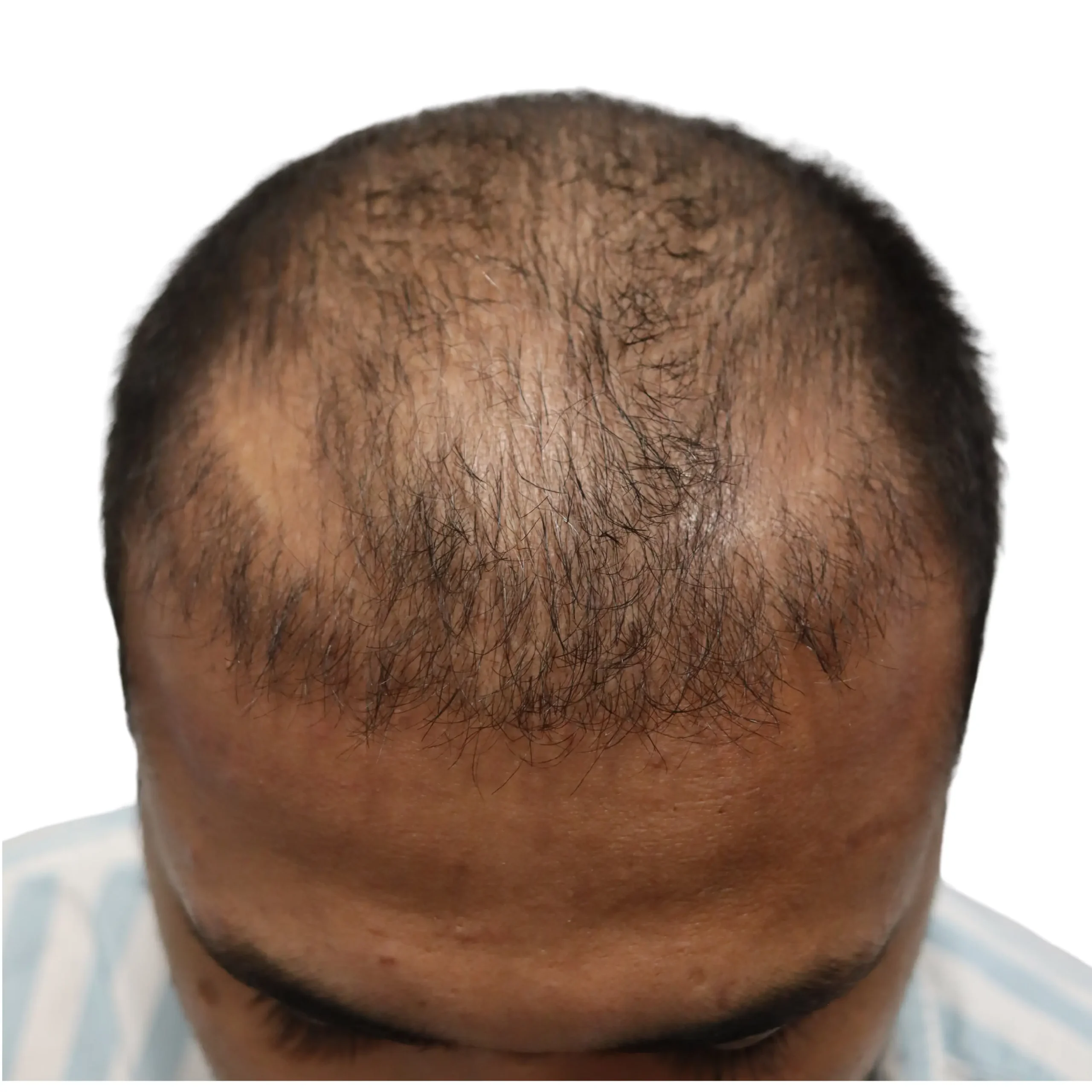
Patients often ask why my transplanted hair falls out after 2 years when the results once looked stable. A common reason is that transplanted and non-transplanted hair react differently over time.
Native hair can keep thinning while transplanted hair stays stable. This contrast can make the area look thinner overall.
Common reasons include:
- Ongoing pattern baldness in untreated hair
- Changes in scalp health or blood flow
- Medical or lifestyle factors
These issues affect appearance more than graft survival.
@trichogenics Hair transplant Fail. #trichogenics #finasteride #hairtransplant #hairtransplantturkey #hairtransplantgreece #hairfall #hairlosssolutions #foryou #hairtransformation #dutasteride #hairloss #greenscreen
♬ original sound - Trichogenics
Telogen Effluvium, Stress, and Shock Loss
Telogen effluvium is a common cause of sudden shedding. It can affect both transplanted areas and other parts of the scalp.
Stress, illness, surgery, or major life events can push hairs into a resting phase. Shedding usually starts months later and is often temporary.
This process is commonly confused with graft loss without proper evaluation, similar to cases discussed in the ugly duckling phase hair transplant.
Shock loss can also occur after physical stress. While it usually improves, it may reveal areas that were already thinning. This can be confusing without medical guidance.
Hormonal Imbalances and Systemic Factors
Hormonal imbalances can affect hair health even years after hair transplantation. Thyroid problems, hormone shifts, or metabolic conditions may slow growth or reduce density.
Low iron or vitamin levels can also weaken hair without damaging follicular units.
Doctors often review:
- Thyroid function
- Iron and vitamin levels
- Overall health history
Treating these issues can improve hair stability.
Scalp Inflammation and Local Conditions
Scalp inflammation can affect how hair grows and feels. Conditions such as dermatitis or folliculitis may cause redness, itching, or discomfort.
These problems rarely destroy transplanted hair follicles, but long-term inflammation can affect the hair growth cycle.
Early treatment helps calm the scalp and support healthier growth.
@trichogenics What to do if you have some burning or itching after a hair transplant. Dr Eric Peretz explains. #hairtransplant #trichogenics #hairtransplantturkey #hairtransplantsurgery #hairtransplantgreece #hairlosssolutions #hairloss #hairfall #hairtransformation#fyp
♬ original sound - Trichogenics
Density Change vs True Graft Loss
Not all thinning means graft loss. Hair density often changes when native hair continues to thin around stable transplanted hair. This can exaggerate the look of loss. A medical exam can confirm whether follicular units are still present.
Transplanted vs Native Hair Loss
Telling transplanted hair from native hair loss requires careful review. Transplanted hair follicles are placed in planned patterns and depths. Loss outside those zones often involves native hair.
Doctors look at:
- Where thinning occurs
- Whether the pattern matches the genetic loss
- Photos from early post-transplant stages
This helps avoid wrong assumptions.
Signs of a Failed Hair Transplant
Signs of a failed hair transplant are rare but important to catch early. Poor growth or uneven density may raise concern. These signs are different from slow thinning caused by genetics.
Warning signs include:
- Little or no growth in transplanted areas
- Patchy or uneven density
- Ongoing redness or visible scarring
These findings should be reviewed by a specialist.
Does Surgical Technique Affect Long-Term Results?
Surgical technique affects how well grafts survive. Follicular unit extraction FUE depends on careful handling of follicular units during removal and placement. Too much trauma during the hair transplant process can lower survival.
Hair transplant surgeons follow strict steps to protect transplanted hair follicles and support healing.
For Men: Hair Loss After Transplant
Men often see continued thinning due to hormone sensitivity. Transplanted hair falling out after 2 years in men is often linked to male pattern baldness in the surrounding hair. This reflects genetics, not transplant failure.
Understanding this process helps set realistic long-term expectations.
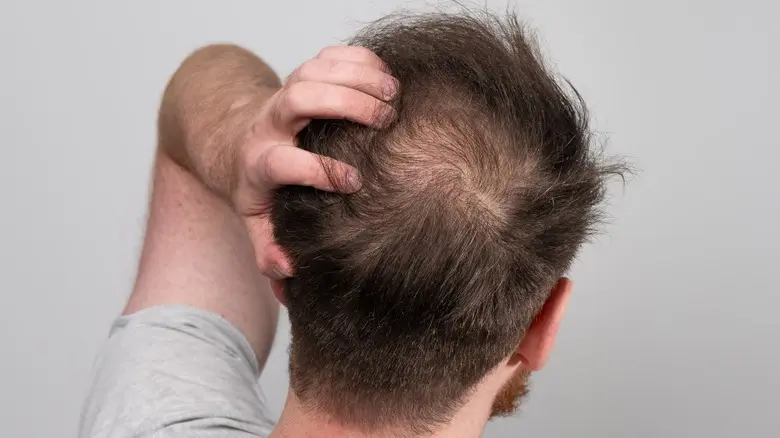
How to Prevent Hair Loss Years After Transplant
Prevent hair loss plans focus on keeping existing hair healthy and stable. Medical maintenance may involve treatments guided by a physician and regular follow-up.
Long-term care often includes:
- Tracking changes in hair and scalp
- Managing health-related triggers
- Following structured postoperative care
Consistency plays a key role.
Choosing Where to Receive Care
Some patients travel to Turkey or other countries abroad for procedures. In many cases, these places have limited regulation and weak follow-up systems.
This can increase medical risk. Israel and Greece operate within regulated healthcare systems, which support physician oversight and safer long-term care.
When to See a Hair Transplant Surgeon
Medical review is advised when shedding lasts too long, density drops quickly, or scalp symptoms appear.
Hair transplant surgeons review medical history, hair patterns, and prior surgery details. This approach helps determine whether changes are temporary or need treatment.
Early evaluation supports better decisions and long-term hair health.
Why Choose Trichogenics?
All procedures are performed only by doctors
The uniqueness of Trichogenics lies in its strict medical process; only certified doctors perform every transplant. No technicians or unqualified assistants are involved. Choosing a clinic with proven experience in hair transplants can make all the difference.
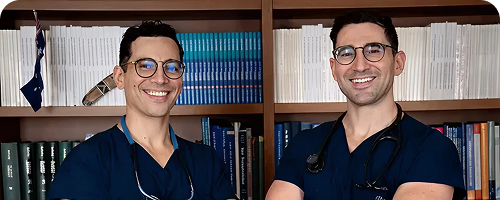
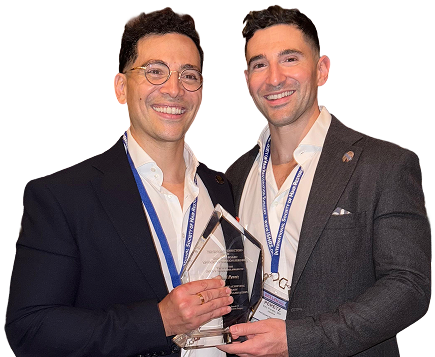
Meet Dr. Asi and Dr. Eric Peretz
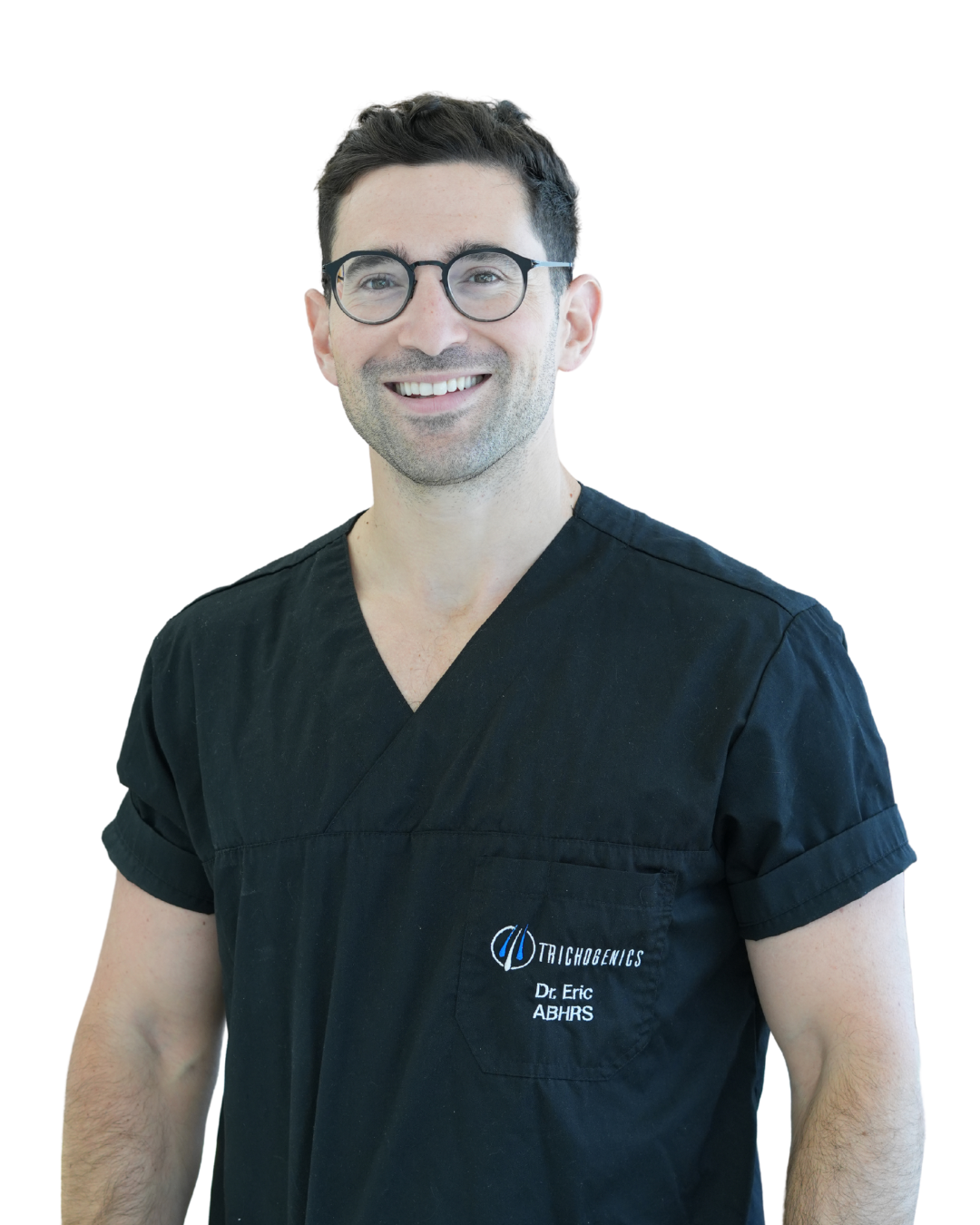
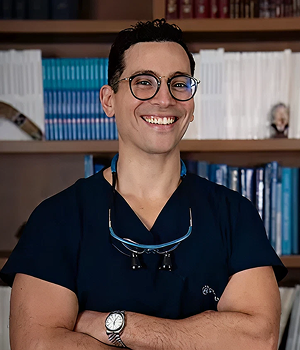
The two doctors leading Trichogenics, Dr. Asi Peretz and Dr. Eric Peretz, are recognized leaders in the field. Their extensive experience, attention to detail, and focus on natural results make Trichogenics the best choice.
Contact Trichogenics today to schedule a personal consultation and get a clear, doctor-led plan for your hair restoration.