
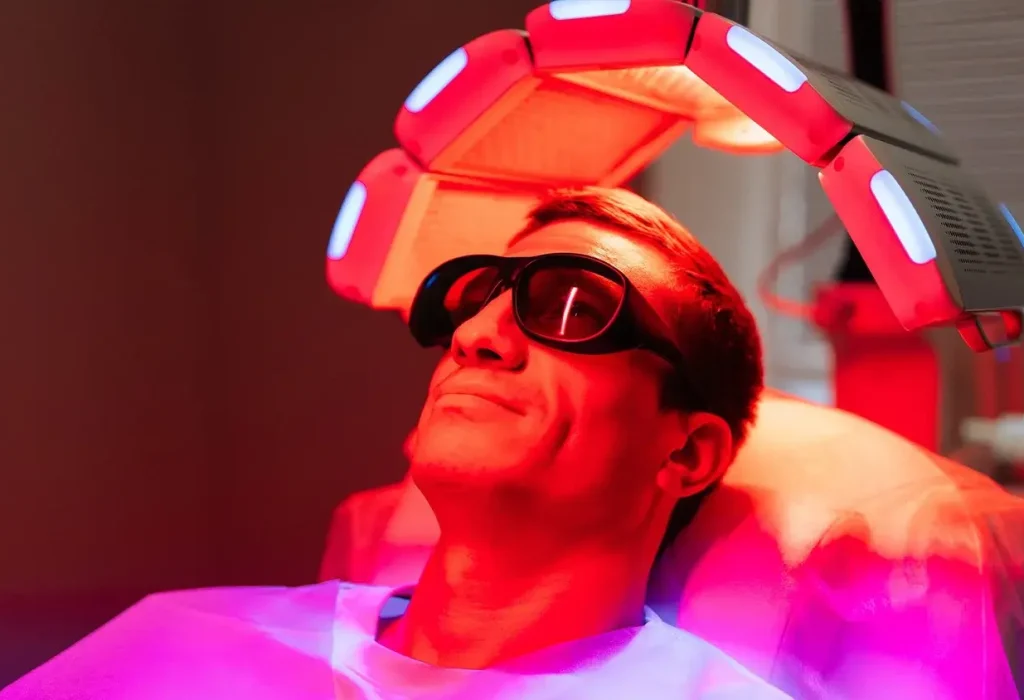
Red light therapy for hair loss is a non-invasive treatment. It helps support existing hair follicles but does not replace lost hair. Current evidence indicates that it may help increase hair thickness and reduce shedding in some patients. This is especially true for those with early-stage hair loss, such as Norwood 2 hair transplant patterns.
It works by using low-energy light to support cellular activity in the scalp, which may improve the hair growth environment. Results vary based on hair loss type, consistency of use, and individual response. The sections that follow explain how it works, its benefits and limitations, and when medical guidance is warranted.
Key Takeaways
- Red light therapy for hair loss may support existing hair follicles and slow thinning in early-stage hair loss, but it does not regrow hair in areas where follicles are no longer active.
- The treatment works through photobiomodulation, using specific wavelengths of red and infrared light to improve cellular activity, blood flow, and scalp conditions that affect hair growth.
- Clinical studies of low-level laser therapy show modest, gradual improvements that require consistent use over several months and are most effective under medical supervision.
- Safety data suggest that the treatment is generally well tolerated, with mild side effects, and there is no evidence linking it to skin cancers when used according to established protocols.
Does Red Light Therapy Work for Hair Loss?
Many patients ask whether red light therapy works. Clinical trials show it may help slow thinning in early hair loss. The therapy supports follicle activity but does not restore hair in bald areas. Results depend on the hair loss stage and regular use.
Can red light therapy regrow hair?
Red light therapy does not regrow hair where follicles are inactive. Clinical studies show small gains in hair thickness in early androgenetic alopecia. These changes take months to appear. Advanced hair loss usually requires surgery.
Red light therapy for hair growth
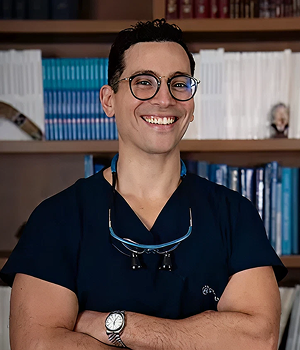
@trichogenics Red light therapy for hair loss does it work? And what is its mechanism of action? Dr Eric Peretz Explains. #lowlevellasertherapy #LLLT #redlighttherapy #hairloss #hairlosssolutions #hairfall #hairfallsolution #hairtransplant #hairtransplantgreece #hairtransplantturkey #trichogenics #fyp
♬ original sound - Trichogenics
Red light therapy for hair growth is most effective on living follicles. Skin types affect how light is absorbed. Specific wavelengths help balance depth and safety.
Medical guidance improves appropriate use, particularly when patients are also considering when to undergo a hair transplant.
Red Light Therapy Benefits
The benefits of red light therapy have been studied in both hair and skin care. The treatment is non-invasive and painless. It is most appropriate for early intervention rather than for advanced thinning, as seen in diffuse thinning hair transplant cases.
Common benefits reported in clinical studies include:
- Support for follicle activity
- Improved scalp circulation
- Reduced inflammation
- Adjunct support with other treatments
Follicle stimulation
Light exposure supports cell metabolism in follicles. Clinical trials show modest density changes. These changes may slow visible thinning. They do not replace transplanted hair.
Reduced inflammation and scalp health
Studies show red light therapy may reduce inflammation. This can improve scalp comfort and hair environment. Reduced inflammation supports healthier follicles. It may help sensitive scalps.
How Often to Use Red Light Therapy
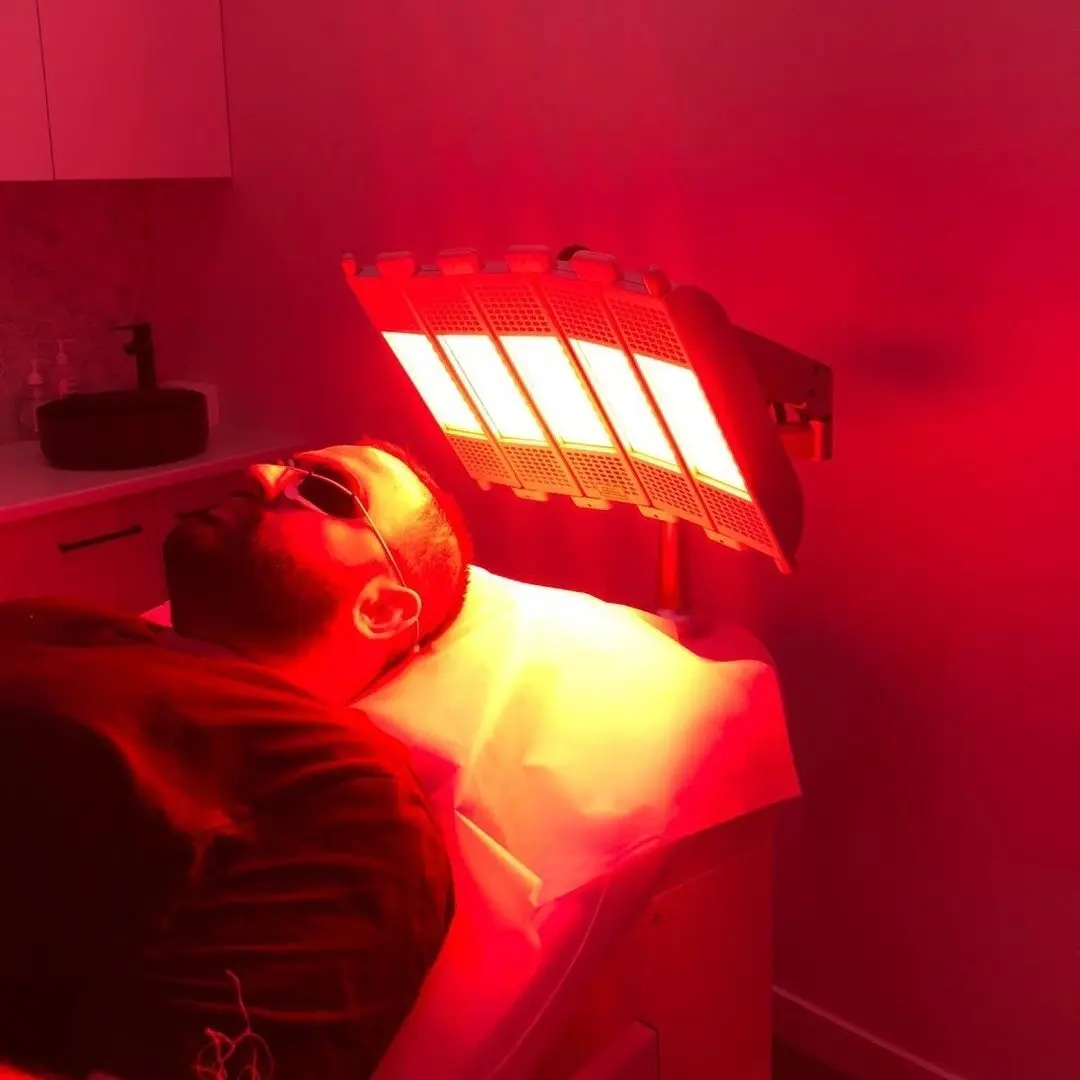
Treatment schedules depend on the device used. Most level light therapy LLLT protocols follow fixed routines. Consistency matters more than intensity. Overuse does not improve results.
Common clinical schedules include:
- 2–4 sessions per week
- 15–30 minutes per session
- 16–26 weeks before review
- Ongoing use if results appear
How often should you do red light therapy for hair?
Most clinical studies follow weekly plans. Changing frequency without guidance can reduce benefit. Medical supervision improves adherence, particularly among patients managing conditions such as finasteride after hair transplant therapy.
Can you overdo red light therapy for hair growth?
Too much exposure may irritate the scalp. The safety profile of red light therapy remains strong when used correctly. More sessions do not speed results. Structured plans reduce risk.
Red Light Therapy Safety and Side Effects
Safety is a common concern with any light treatment. The risks of red light therapy are low when protocols are followed. The therapy does not use ionizing radiation. Side effects are usually mild.
Reported side effects include:
- Temporary redness
- Mild scalp dryness
- Warmth during treatment
These effects usually resolve on their own. Clinical studies show no long-term harm. Proper device use is important. Eye protection is still recommended.
Can red light therapy cause cancer?
Patients often ask if it can cause skin cancers. Current evidence indicates no association with cancer. The light used is different from UV radiation. Ongoing studies continue to monitor safety.
Clinical Evidence and Research
Clinical evidence helps guide treatment decisions. Research includes clinical trials and clinical studies. Results differ across patient groups. Evidence quality is moderate.
What clinical studies show
Some trials show improved hair counts after several months. Most studies use FDA-cleared devices. Gains are modest but measurable. Results apply mainly to early hair loss.
Limits of current evidence
Many studies have small sample sizes. Long-term data is limited. This limits broad conclusions. Therapy should be viewed realistically.
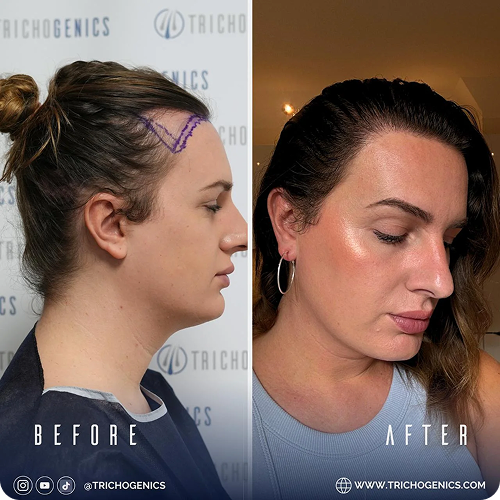
Red Light Therapy for Hair Loss Before and After
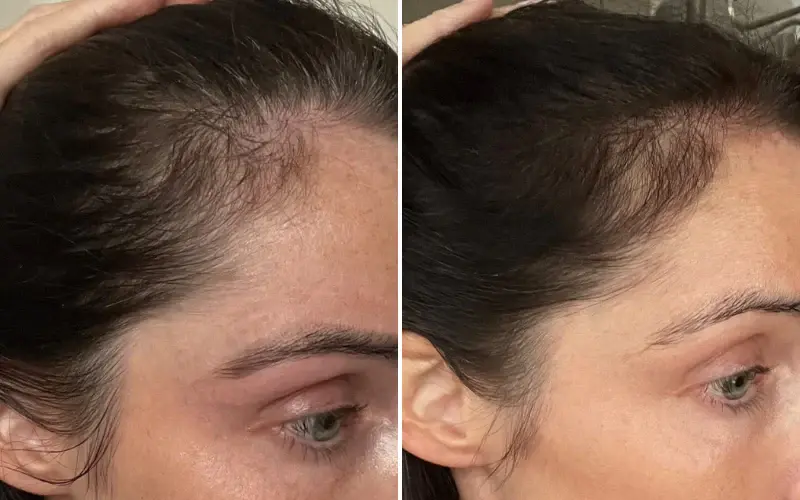
Before-and-after images help set expectations. Changes are often subtle rather than dramatic. Lighting and styling affect appearance. Clinical measurements offer better accuracy.
What results typically show
Patients may first notice less shedding. Density changes take time. Results vary between individuals. Regular use is required.
Factors that affect outcomes
Results depend on several factors:
- Genetics
- Hair loss duration
- Hormonal status
- Skin types
- Scalp condition
Medical evaluation improves candidate selection, particularly when comparing non-surgical therapies with hair transplants, which yield permanent outcomes.
Best Red Light Therapy for Hair Growth
Choosing the optimal red light therapy for hair growth requires medical oversight. Red light therapy devices range from home helmets to clinic systems.
Medical-grade devices use calibrated laser lights and specific wavelengths. Supervision improves safety.
Medical-grade vs at-home devices
Key differences include:
- Power consistency
- Treatment monitoring
- Protocol adjustment
- Medical documentation
Why doctor supervision matters
Doctors assess response and suitability. This follows medical standards used in surgery. Supervision reduces misuse. It supports safe and effective care.
Who Is a Good Candidate?
Not all patients respond the same way. Early thinning responds best. Advanced hair loss often needs surgery. Evaluation is essential.
Hair loss types that respond best
More responsive conditions include:
- Early androgenetic alopecia
- Diffuse thinning with active follicles
Scarring alopecia does not respond.
When a medical evaluation is needed
Patients comparing surgical options should understand clinical differences:
- Greece: USD 3,500–6,000 for physician-performed FUE, including anesthesia and follow-up
- Israel: Similar ranges with licensed physicians and certified operating rooms
- Turkey: USD 1,800–2,800 in high-volume clinics, often technician-driven with limited regulation
Lower costs often reflect less physician involvement, higher daily patient volume, and limited follow-up, which increases risks such as overharvesting and poor graft placement.
Why Choose Trichogenics?
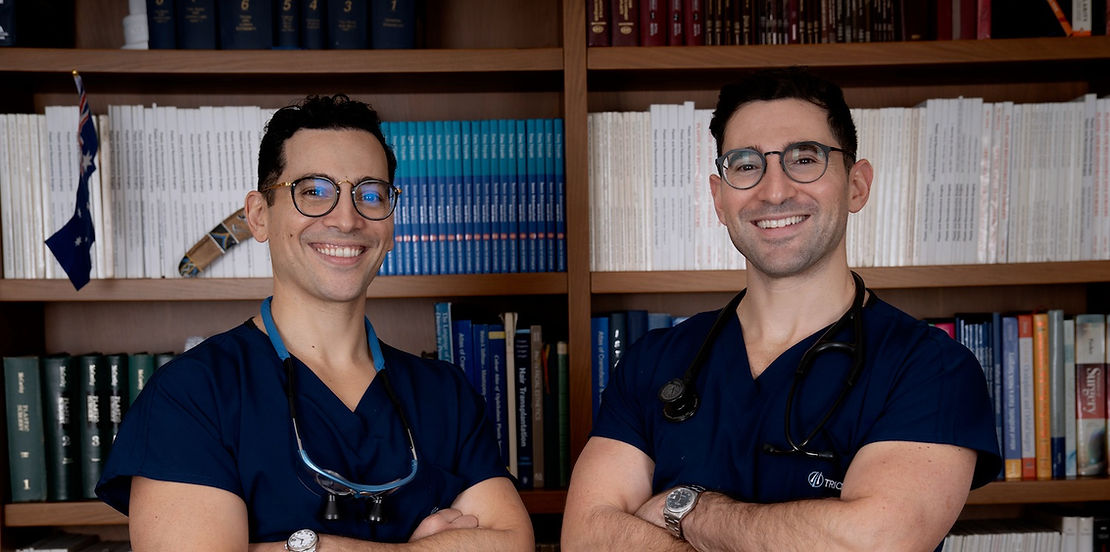
All procedures are performed only by doctors
The uniqueness of Trichogenics lies in its strict medical process; only certified doctors perform every transplant. No technicians or unqualified assistants are involved. Choosing a clinic with proven experience in hair transplants can make all the difference.
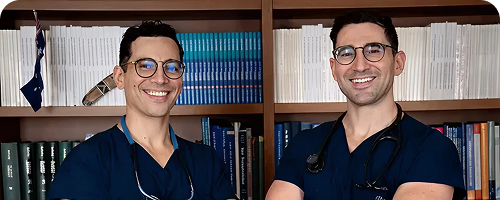
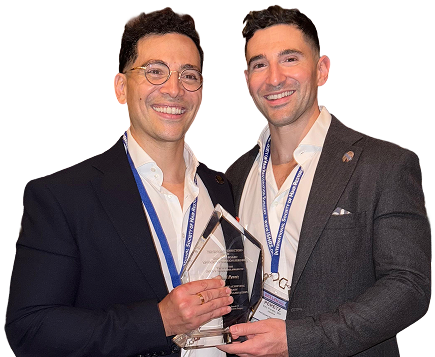
Meet Dr. Asi and Dr. Eric Peretz
The two doctors leading Trichogenics, Dr. Asi Peretz and Dr. Eric Peretz, are recognized leaders in the field. Their extensive experience, attention to detail, and focus on natural results make Trichogenics the best choice.
Contact Trichogenics today to schedule a personal consultation and get a clear, doctor-led plan for your hair restoration.