

Hair loss linked to nutrition most often results from deficiencies in iron, vitamin D, vitamin B12, or zinc. Low iron levels are the most common cause. Iron helps red blood cells carry oxygen to hair follicles.
Vitamin D and zinc help keep the immune system balanced and support normal follicle activity. Vitamin B12 is important for cell growth and renewal. When people ask which vitamin deficiency causes hair loss, the answer usually depends on blood test results rather than a single vitamin for everyone.
The sections that follow explain how each deficiency affects the hair growth cycle and when hair loss may be reversible.
Key Takeaways
- Hair loss related to nutrition most often involves deficiencies of iron, vitamin D, vitamin B12, or zinc, with iron deficiency being the most commonly identified cause on blood tests.
- Vitamin deficiency hair loss usually causes diffuse thinning and shedding rather than patterned recession like Norwood 5 hair transplant stages.
- Hair loss due to a vitamin deficiency can grow back if follicles remain active, but long-term deficiencies or genetic hair thinning may limit recovery.
- Supplements are beneficial only when a true deficiency exists; therefore, blood testing and medical guidance are essential before starting treatment or considering hair restoration.
Vitamin deficiencies that cause hair loss

Some vitamin and mineral deficiencies are closely linked to hair loss. These deficiencies affect blood flow, scalp balance, and follicle repair.
When levels remain low for an extended period, this can lead to diffuse shedding rather than the patterned thinning observed in diffuse thinning hair transplant cases.
Common deficiencies linked to hair loss include:
- Iron deficiency
- Low vitamin D levels
- Vitamin B12 deficiency
- Zinc deficiency
Each one affects hair follicles in a different way.
Iron deficiency and hair shedding
Iron deficiency is a leading cause of nutritional deficiency and hair loss. Iron supports red blood cells, which carry oxygen to hair follicles. When iron levels fall, follicles receive less oxygen, leading to shedding and thinning hair.
Correcting ferritin levels can improve shedding when follicles remain active. If thinning persists despite correction, a density assessment similar to that used in hair transplant evaluation may be required.
Vitamin D deficiency and thinning hair
Vitamin D levels help control immune activity in the scalp. Low vitamin D levels have been associated with hair thinning and slower regrowth. In some people, correcting vitamin D levels reduces shedding over time.
Vitamin D deficiency alone rarely explains severe hair loss.
Vitamin B12 and red blood cells
Vitamin B12 helps produce red blood cells and supports nerve health. Low B12 can reduce oxygen delivery to follicles and slow cell renewal.
This can cause hair loss, signs of vitamin deficiency, and fatigue. Early treatment often improves hair shedding.
Zinc deficiency and scalp health
Zinc levels play a role in immune balance and protein building. Zinc deficiency may cause brittle hair, scalp irritation, and increased shedding.
It is also linked to hair loss and dandruff in some cases. Restoring zinc levels supports healthy follicles but does not reverse permanent loss.
What your body lacks when hair falls out
When people ask what vitamin deficiency causes hair fall, the answer is often more than one nutrient. Hair loss rarely comes from a single missing vitamin. Several deficiencies may act together.
Signs of nutritional deficiency hair loss include:
- Thinning hair across the scalp
- Increased hair shedding during washing
- Slow regrowth after shedding
These patterns differ from the hereditary recession patterns discussed in the section on when to get a hair transplant.
Multiple deficiencies at once
Low iron levels often co-occur with low vitamin D or B12 levels. In these cases, deficiencies play a role together. Treating only one may not stop hair shedding. Treating all deficiencies improves results.
Vitamin deficiency hair loss in men
@trichogenics What vitamin deficiencies cause hairloss? #vitaminhair #hairloss #hairlossremedy #hairlosssolutions #hairfall #biotin #biotinhair #vitaminb12 #vitamind #vitamins #hairtransplant #hairtransplantturkey
♬ original sound - Trichogenics
Many men ask which vitamin deficiency causes hair loss in men because thinning often overlaps with genetics. Nutritional issues can worsen existing hair thinning. Testing helps show what may improve.
Iron and vitamin D levels in men
Iron deficiency is less common in men, but still possible. Low vitamin D levels appear more often and may speed up hair thinning. Correcting vitamin D may reduce shedding, but does not stop genetic loss. Blood tests guide next steps.
Why men notice thinning earlier
Men often have shorter hair cycles and clear recession areas. When deficiencies disrupt the hair growth cycle, changes are observed more quickly. This explains why men often seek help earlier. Early checks support better planning.
How vitamin deficiency affects hair growth
Vitamins support basic follicle function, not cosmetic appearance. When nutrients are low, follicles cannot work as they should. This explains how vitamin deficiency and hair loss develop.
Disruption of the hair growth cycle
The hair growth cycle relies on fast cell turnover. Deficiencies slow this process and push follicles into resting phases. Over time, this results in increased shedding. Restoring nutrients helps reset the cycle.
Cell growth and oxygen delivery
Cell growth needs oxygen and protein building. Iron and B vitamins support oxygen flow. Zinc supports enzyme activity. When these systems fail, follicles weaken. Recovery takes time.
Hair loss from vitamin deficiency: will it grow back
Many people ask whether hair loss due to a vitamin deficiency will regrow. In many cases, regrowth is possible if follicles remain active. Timing matters.
Regrowth is more likely when:
- Deficiencies are corrected within one year
- Follicles are not scarred
- Other causes are ruled out
Shedding often slows before visible regrowth begins.
Factors that limit recovery
Long-term deficiencies can cause lasting follicle damage. Genetics and inflammation can also limit regrowth. In these cases, supplements alone may not help. Medical care may be needed.
Vitamin D hair loss: reversible or permanent
Vitamin D hair loss reversible results depend on how long the levels stayed low. Vitamin D affects immune balance more than direct growth. This affects outcomes.
Reversible cases and timelines
Mild deficiency corrected early often reduces shedding within three to six months. Hair density may improve later. Ongoing testing helps keep levels stable.
Signs that hair loss will not return
If thinning continues after correction, another cause is likely. Genetic hair thinning or scarring may be present. Supplements cannot reverse these cases.
Vitamin deficiency, hair loss, and dandruff
Scalp symptoms may appear with hair shedding. Zinc deficiency is often involved. Inflammation links the two issues.
Zinc deficiency and scalp inflammation
Low zinc levels weaken the skin barrier. This can exacerbate flaking and itching, potentially increasing hair shedding. Correcting zinc deficiency improves scalp health and supports healthy follicles.
Vitamins for hair growth and thickness
Many people search for vitamins for hair growth and thickness. Supplements can support healthy hair, but do not cure hair loss. Knowing their limits avoids false hopes.
Common supplements discussed include:
- Iron supplements for low iron levels
- Vitamin D for deficiency-related shedding
- Biotin, vitamin B7, for hair structure
- Supplements should match lab results.
If thinning continues despite correction, options described in how successful hair transplants may become relevant.
Why vitamins alone fail
Vitamins cannot reverse genetic hair thinning or scarring. They also cannot fix surgical damage. If hair thinning continues, other options may be discussed.
Treating hair loss caused by a deficiency
Treatment starts with diagnosis and may lead to medical care. This section explains when restoration is discussed.
@trichogenics Do you need to supplement with vitamins if you are experiencing hairloss? Dr Asi Peretz explains that for most people the answer is probably no. But it’s always a good idea to get checked out for certain deficiencies that can cause hair loss. Remember to always chat to a doctor who is knowledgeable in hairloss before starting or considering any treatments. #vitamins #hairloss #hairlosssolutions #hairfall
♬ original sound - Trichogenics
Blood tests before treatment
Doctors test iron, vitamin D, B12, and zinc levels. Results guide treatment and timing. Without testing, care lacks direction.
When medical restoration is needed
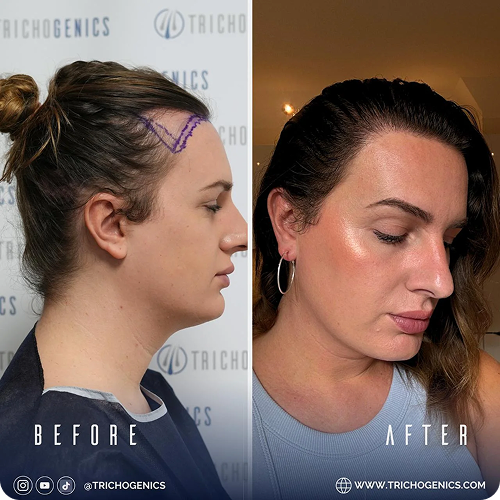
If density does not return, surgery may be considered. Techniques such as FUE and DHI, including Choi pen implantation, are used in licensed clinics.
In Greece, physician-performed FUE typically costs USD 3,500–6,000 for 2,500 grafts, including anesthesia and follow-up care. In Israel, similar standards apply. In Turkey, many clinics advertise rates of USD 1,800–2,800, during which technicians may perform much of the work with minimal supervision.
Differences relate to who performs the procedure, time per patient, and follow-up care.
Why Choose Trichogenics?
All procedures are performed only by doctors
The uniqueness of Trichogenics lies in its strict medical process; only certified doctors perform every transplant. No technicians or unqualified assistants are involved. Choosing a clinic with proven experience in hair transplants can make all the difference.
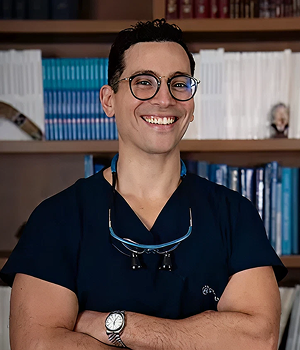
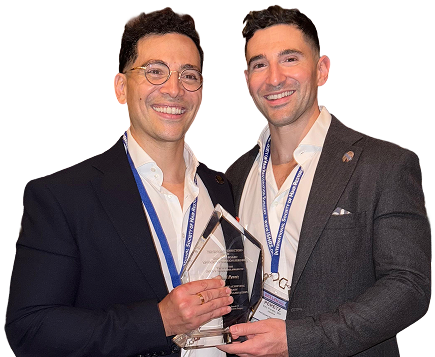
Meet Dr. Asi and Dr. Eric Peretz
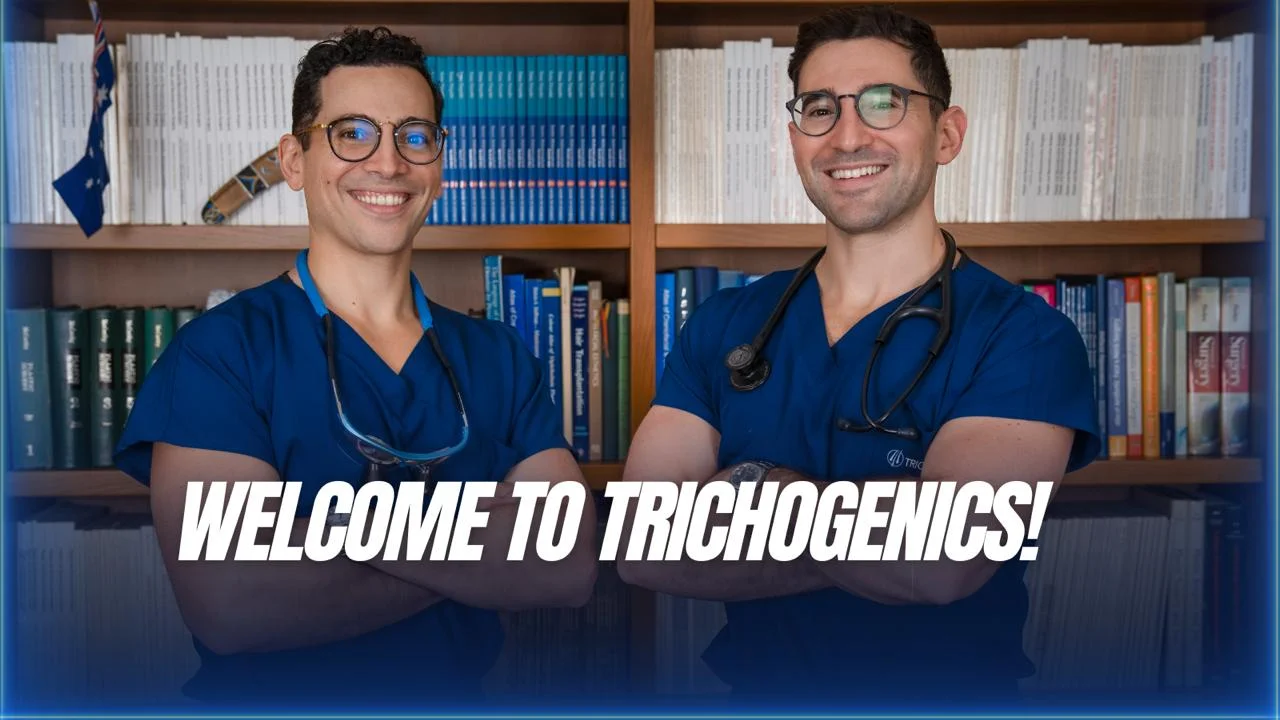
The two doctors leading Trichogenics, Dr. Asi Peretz and Dr. Eric Peretz, are recognized leaders in the field. Their extensive experience, attention to detail, and focus on natural results make Trichogenics the best choice.
Contact Trichogenics today to schedule a personal consultation and get a clear, doctor-led plan for your hair restoration.