
A hair transplant can restore hair in small bald areas when healthy donor follicles are available. In a hair transplant for a bald patch, doctors move hair follicles from the donor area, usually the back or sides of the scalp, to the bald spot.
The transplanted follicles keep their growth traits and can grow hair in the new area over the long term. Trichogenics, founded by Dr. Asi Peretz and Dr. Eric Peretz, operates clinics in Greece and Israel where doctors perform hair restoration procedures.
Key Takeaways
- A hair transplant for a bald patch moves healthy hair follicles from the donor area to a bald region, allowing hair to grow again because the follicles keep their natural growth traits.
- The success of a hair transplant for a bald spot depends on donor hair density, stable hair loss, and careful planning during a medical consultation.
- The hair transplant procedure allows doctors to place grafts carefully so hair grows in a natural direction and blends with existing hair.
- Hair growth after a transplant takes time. Shedding often occurs first, and new hair usually appears a few months later.
Can a Hair Transplant Fix a Bald Patch?
In many cases, a hair transplant for a bald spot can restore hair coverage when the donor area has strong follicles. The procedure moves existing hair instead of creating new follicles. Small bald patches often respond well because they require fewer grafts. Doctors often recommend this treatment for men and women who want to restore a natural-looking head of hair.
Why Transplanted Hair Grows Permanently
Hair taken from the donor region keeps its natural traits. Hair at the back of the scalp often resists the hormone that causes male pattern hair loss. When these hair follicles move to a bald patch, they continue to grow hair in the new location over the long term.
This effect is called donor dominance, which is one reason many patients ask whether hair transplants are permanent.
When a Bald Spot Can Be Restored
A transplant works best when hair loss has slowed, and the donor area has strong follicles. Many patients first notice thinning hair before a bald patch appears. The type of hair a person has, such as thickness and texture, can also influence how well the transplant blends with existing hair.
Causes of Hair Loss and Bald Patches
A bald patch can appear for different reasons. Identifying the cause helps doctors choose the right treatment.
Several issues can lead to localized hair loss:
- Androgenetic alopecia, often called male pattern hair loss
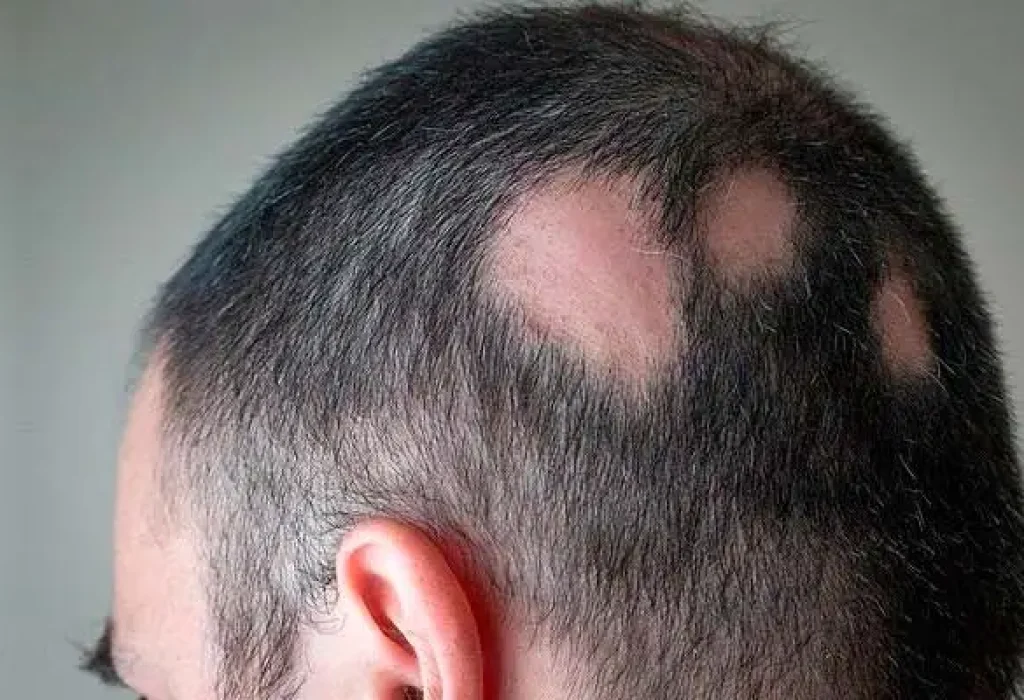
- Alopecia areata
- Tight hairstyles that pull hair
- Scars from injury
Hair loss may begin with mild thinning hair before a clear bald area develops.
Medical Evaluation Before a Hair Transplant
Doctors perform a scalp evaluation before recommending surgery. This step helps confirm that a hair transplant for a bald spot is appropriate. Physicians review donor hair density, scalp health, and the pattern of hair loss. Hair type and thickness can affect how much coverage a transplant provides.
Doctors usually examine:
- donor hair density
- hair thickness
- scalp health
- progression of hair loss
These details help estimate how many grafts may be needed.
How a Hair Transplant for a Bald Patch Works
Hair transplant surgery moves follicular units from the donor area to the bald region, as explained in this detailed hair transplant process guide.
During the hair transplant procedure, the surgeon removes small groups of hair follicles from the donor area and prepares them for placement. Each graft may contain a single hair or several hairs.
Procedure Setting and Surgical Preparation
The hair transplant procedure usually takes place under local anesthesia. Patients remain awake while the scalp is prepared. Smaller bald patches may require only a few hours of surgery. Careful surgical planning helps support long-term hair growth.
Donor Hair Extraction
The donor area is usually at the back of the scalp, where hair loss is less common. During extraction, the surgeon removes follicular units containing 1 to 4 hairs. Each graft may include a single hair or several hairs, depending on the natural hair type and follicle grouping.
Graft Placement in a Bald Spot
Doctors create small openings in the bald patch and place grafts to match the natural hair direction. Some clinics use tools like the Choi pen to guide placement. Careful positioning helps the transplanted hair blend with existing strands.
Hair Transplant Techniques Used for Bald Patches
Modern hair restoration commonly uses two main methods to move healthy hair follicles to areas of hair loss, which are explained in this FUT vs FUE hair transplant guide.
FUE Hair Transplant Method
Follicular unit extraction (FUE) removes small follicle groups one at a time from the donor area. Each graft may contain a single hair or several hairs. This method leaves very small marks that usually heal quickly.
FUT Hair Transplant Method
Follicular unit transplantation (FUT) involves removing a thin strip of skin from the donor area. The strip of skin is then divided into grafts that contain healthy follicles. Each graft may contain one individual hair or multiple hairs.
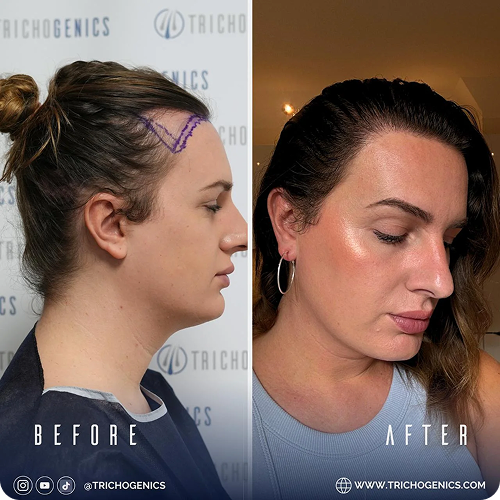
Hair Transplant Bald Spot Before and After Results
Hair growth after a transplant occurs in stages. Early shedding often occurs before new hair begins to grow, as seen in documented hair transplant results.
What Happens During the First Month
During the first weeks, transplanted hairs may shed as follicles enter a resting phase. The grafts remain alive under the skin. Mild redness or swelling can occur during healing. These temporary side effects usually improve quickly.

When Final Results Appear
New hair growth usually begins about three to four months after surgery. Hair becomes thicker as follicles mature. Many patients see improvement between nine and twelve months. The final appearance can depend on hair type, donor density, and overall scalp health.

Who Is a Good Candidate
Hair transplant surgery is not suitable for everyone. Doctors review scalp health, hair loss patterns, and donor hair supply before recommending treatment. The procedure may help men and women who want to restore fuller hair.
Limits and Risks of a Hair Transplant
A hair transplant redistributes existing follicles and does not stop future hair loss. Hair may continue to thin in untreated areas over time. The donor region also contains a limited number of grafts.
Some patients may experience temporary side effects such as swelling, redness, or mild discomfort. These reactions usually resolve as the scalp heals. Proper planning and follow-up help maintain stable results over the long term.
If you are considering a hair transplant for a bald patch or a bald spot, a consultation can help determine whether the procedure is appropriate for you.
A physician can evaluate your scalp, donor hair, and hair type to plan treatment and discuss long-term results. You can schedule a consultation to learn more about your options.