
A hair transplant procedure is not painful for most patients because a local anesthetic numbs the scalp during surgery. Many people worry that a hair transplant will be very painful, but patients report only mild discomfort. This usually happens during the first injections and in the early recovery period.
Dr. Antonio Aguilar, a hair transplant surgeon at Hair Transplant Mexico in San Pedro, Monterrey, explains that modern hair restoration methods are minimally invasive and controlled. Sensations vary, but most discomfort is short-lived and easy to manage with proper pain management.
Key Takeaways
- A hair transplant procedure is not painful for most patients because a local anesthetic numbs the scalp, though brief discomfort may occur during injections.
- Patients report mild discomfort, not pain, with sensations of pressure or tightness during the procedure and in the early recovery period.
- Hair transplant pain is usually short-lived, with the most noticeable symptoms in the first 24 to 72 hours, after which it improves steadily.
- Normal recovery includes mild discomfort, swelling, itching, and scabbing, while worsening or lasting pain may need medical evaluation.
- Factors such as technique, number of grafts, and individual pain tolerance affect the overall experience.
Is Hair Transplant Surgery Painful?
What the Anesthesia Injections Feel Like
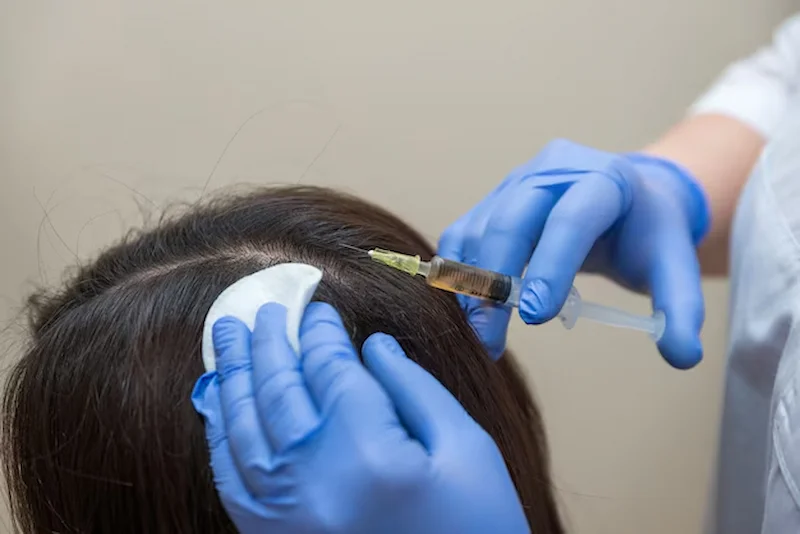
The first step is applying a local anesthetic to the donor and recipient areas. Patients often describe this as a brief stinging or pressure sensation rather than pain. The feeling lasts a few seconds and fades as numbness develops.
Once the anesthetic works, the scalp becomes numb. This allows the procedure to continue without strong discomfort. The injections can cause slight discomfort, but they are usually the most noticeable part.
Pain During Extraction and Implantation
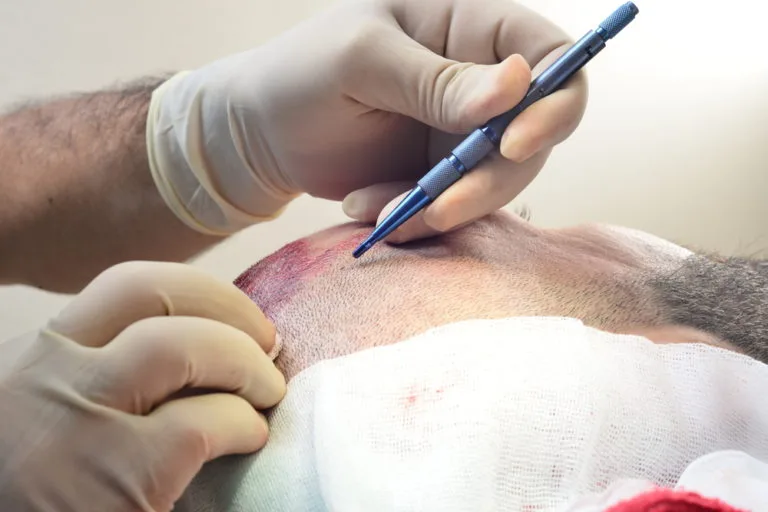
After numbing, the procedure moves to extraction and implantation. During the FUE (Follicular Unit Extraction) method, individual hair follicles are removed and placed into the recipient area. Patients stay awake but do not feel sharp pain.
Some patients notice pressure or movement, but not pain. These sensations are normal in minimally invasive medical procedures and reflect how the tissue is handled.
What the Procedure Feels Like
Patients often describe three main sensations:
- Brief stinging during injections
- Pressure or vibration during extraction
- Tightness in the recipient area
These feelings are expected and part of normal medical procedures. They are usually short-lived and controlled.
Hair Transplant Hurt Level Explained
What Most Patients Feel
Hair transplant pain is usually described as mild discomfort rather than severe pain. Most patients report that the procedure is easy to tolerate and similar to minor medical procedures. Discomfort often comes from injections or staying in one position for a long time.
During recovery, the donor and recipient areas may feel tender or sensitive. This is part of normal healing and improves with basic pain management.
Why FUE and FUT Feel Different
The FUE method is minimally invasive and does not require a large incision. This often leads to less postoperative discomfort. FUT (Follicular Unit Transplantation) involves removing a strip of scalp, which can cause more soreness during recovery.
Both methods are used in hair restoration. The difference in technique can affect healing and long-term comfort. At Trichogenics, procedures are performed using the FUE method, which focuses on individual hair follicles and avoids linear incisions.
Hair Transplant Hurt After Surgery and Recovery
How Long Does Your Head Hurt After a Hair Transplant?
Mild discomfort can start after the anesthetic wears off. Most patients report soreness in the first 24 to 72 hours, then steady improvement.
Other symptoms may include swelling, itching, and tightness in the recipient area. These are normal and usually go away on their own.
First 7 Days After a Hair Transplant
The first week is when most symptoms appear and improve. Understanding this timeline helps set clear expectations.
- Day 1–2: mild discomfort, swelling, and tightness
- Day 3–4: sensitivity decreases, scabs begin to form
- Day 5–7: itching may appear as healing progresses
Patients report that symptoms improve quickly. Most return to normal routines within a few days.
What Pain Is Normal During Healing
Normal recovery symptoms include:
- Mild discomfort in the donor area
- Slight discomfort in the recipient area
- Sensitivity or tightness in the scalp
Patients may also feel itching or temporary numbness as healing continues. These are not complications and improve over time.
When Pain May Signal a Problem
Pain that gets worse or does not improve may need medical attention. Signs include swelling, redness, or lasting tenderness.
Mild discomfort that improves each day is normal. Pain that increases should be checked by a hair transplant surgeon.
Is Hair Transplant Safe?
Why Medical Oversight Matters
Hair transplantation is a medical procedure that needs careful planning. Doctor involvement helps ensure hair follicles are placed correctly and safely.
Patients often compare Mexico, Turkey, and the United States when researching options. Differences in regulation, doctor involvement, and follow-up care can affect safety and results. Understanding whether it is safe to get a hair transplant in Mexico helps clarify how medical oversight and regulation can vary between locations.
Hair Transplant Mexico is in San Pedro, Monterrey, an area known for strong medical infrastructure. In this setting, procedures are usually doctor-led, which supports consistent care.
Many patients also review differences between care models, as explained in “hair transplant Mexico vs Turkey,” including physician involvement and follow-up.
How Doctors Manage Discomfort
Pain management is part of the procedure and recovery. Surgeons use local anesthetics and may suggest medication to reduce swelling and discomfort.
The process includes anesthesia, extraction, placement in the recipient area, and post-hair transplant care, which supports steady healing and long-term results. This helps support steady healing and long-term results.
Factors That Affect Pain
Pain Tolerance and Graft Count
Each patient feels pain differently. Some patients report slight discomfort, while others experience greater sensitivity depending on their tolerance.
The number of grafts also affects recovery. Larger procedures can lead to more tenderness during healing.
Technique and Donor Area
The technique and condition of the donor area can affect comfort. The fue method often allows faster recovery because it is minimally invasive.
Careful planning helps reduce unnecessary damage and supports stable long-term results in hair loss treatment.
If you are considering a hair transplant and want clear, medical guidance based on your specific case, you can schedule a consultation to review your options, candidacy, and expected recovery in detail.