

Yes, Wellbutrin (bupropion) can cause hair loss, but it is an uncommon and usually temporary side effect.
Hair shedding may occur a few months after starting treatment and is often linked to disruptions in the hair growth cycle rather than permanent follicle damage.
The risk varies depending on individual sensitivity and underlying conditions. In most cases, the hair follicle remains intact, and regrowth occurs once the body adjusts or the cycle stabilizes.
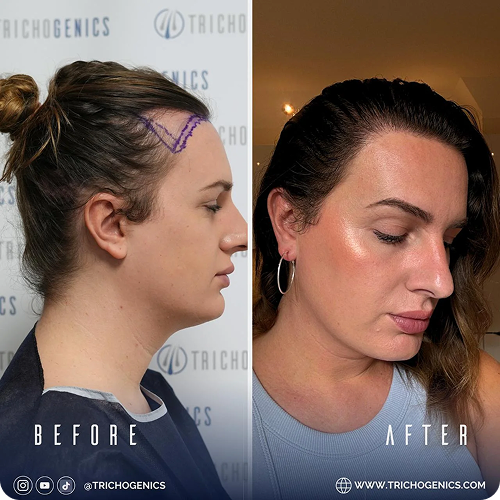
At Trichogenics, founded by Dr. Asi Peretz and Dr. Eric Peretz, this type of shedding is assessed within a clinical framework that considers both medical and hair-related factors. A healthcare professional can help determine the cause and guide the next steps.
Key Takeaways
- Wellbutrin can cause hair loss in some individuals, but it is considered an uncommon side effect and is usually linked to temporary changes in the natural hair cycle rather than permanent damage.
- Hair shedding often begins 2 to 3 months after starting or adjusting the medication and typically resolves as the hair cycle stabilizes.
- The most common mechanism is telogen effluvium, in which more hairs simultaneously enter the resting phase, leading to visible hair shedding without damaging the hair follicle.
- Most cases are reversible, and patients can often continue treatment with monitoring and guidance from a healthcare professional.
Can Wellbutrin Cause Hair Loss?
Wellbutrin, also known as bupropion, is used to treat mental health conditions such as depression and bipolar disorder, and it is also prescribed for smoking cessation. It is not part of the serotonin reuptake inhibitors SSRIs class, but it still affects neurotransmitters that may influence the natural hair cycle. Hair shedding is considered a possible but uncommon side effect, and most cases are temporary.
The risk of hair thinning depends on individual sensitivity and underlying conditions. Some patients may notice increased shedding within a few months of starting treatment. In most cases, the follicle remains intact, and regrowth occurs once the cycle stabilizes.
How Common Is Hair Loss With Bupropion
Hair shedding is not among the most frequently reported side effects of bupropion, but it has been documented in clinical observations and in sources such as International Clinical Psychopharmacology. The exact frequency is unclear because mild shedding is often underreported.
Unlike selective serotonin reuptake inhibitors, Wellbutrin acts on dopamine and norepinephrine pathways, which may affect the way side effects present. Some individuals may tolerate one class better than another, depending on their biology.
What Causes Hair Loss With Wellbutrin?
Hair shedding linked to medication often results from changes in the hair cycle rather than direct damage to the hair follicle, as seen with other medications that affect hair growth cycles.
In simple terms, more hairs enter the resting phase simultaneously, leading to visible shedding. This process is commonly associated with telogen effluvium.
Telogen Effluvium Explained
Telogen effluvium occurs when a larger number of hairs enter the resting phase of the hair cycle. This leads to increased hair shedding during washing or brushing. It is often triggered by stress, illness, or medication changes.
The follicle remains active during this process, which means regrowth is possible. Once the trigger stabilizes, the hair cycle gradually returns to normal.
Impact on the Hair Growth Cycle
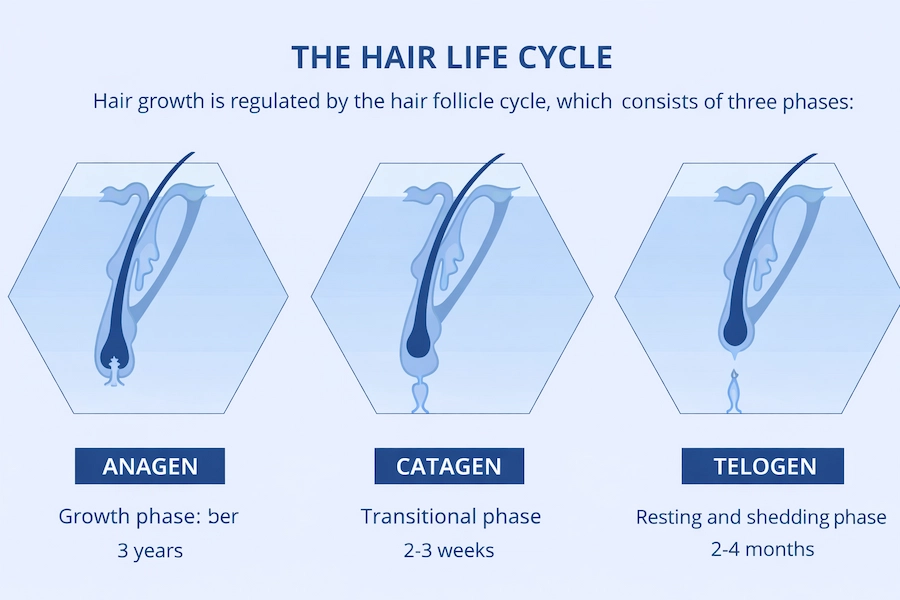
The follicle cycle includes the anagen, catagen, and telogen phases. Wellbutrin may shift hairs out of the anagen phase earlier than expected. This creates a temporary imbalance, resulting in shedding.
This disruption does not mean permanent damage. Recovery depends on how quickly the cycle stabilizes.
When Does Wellbutrin Hair Loss Start?
Hair shedding usually begins 2 to 3 months after starting or adjusting the medication. This delay reflects the natural timing of the hair cycle rather than an immediate reaction.
Some patients may notice earlier changes, while others may not experience any shedding. The timeline varies depending on individual factors.
What to Do if Hair Shedding Starts
If shedding increases, it’s important to monitor patterns over time before making changes. Many cases stabilize without intervention.
- Track shedding for 2 to 3 months
- Avoid stopping medication abruptly
- Consult a healthcare professional if shedding worsens
Is Wellbutrin Hair Loss Permanent or Reversible
Hair shedding linked to Wellbutrin is usually not permanent and is considered a possible, though uncommon, side effect. The most common mechanism is telogen effluvium, in which hairs shift from the anagen phase into a resting state earlier than expected.
This leads to visible hair shedding, but the hair follicle remains intact and capable of regrowth. The good news is that once the internal trigger stabilizes, the hair cycle can return to its normal pattern.
Recovery takes time because hair growth follows a biological cycle rather than an immediate response. New hairs must re-enter the anagen phase before visible regrowth occurs, a process that can take several months.
Patients often notice reduced shedding first, followed by gradual improvement in density over time. With proper monitoring and guidance from a healthcare professional, most individuals see gradual recovery without permanent thinning.
How Long Does Shedding Last
Shedding from telogen effluvium typically lasts 3 to 6 months. The duration depends on how quickly the trigger is resolved.
Who Is at Higher Risk
Certain individuals may be at higher risk of hair loss, including those with a history of thinning hair, nutritional deficiencies, or hormonal changes, particularly when poor nutrition and dietary imbalances are present.
These factors can increase sensitivity to medication-related shedding.
Reduced Hair Density With Wellbutrin in Women
Women may notice shedding more easily due to longer hair cycles and hormonal influences. Changes in density may appear gradually over time.
Reduced Hair Density With Wellbutrin in Men
Men may already have underlying thinning, which can make shedding more visible. Medication effects may overlap with existing patterns.
Signs of Hair Loss With Wellbutrin
Reduced hair density from medication usually appears as diffuse shedding rather than patchy loss. It becomes noticeable during daily routines such as washing or brushing.
Increased Shedding Patterns
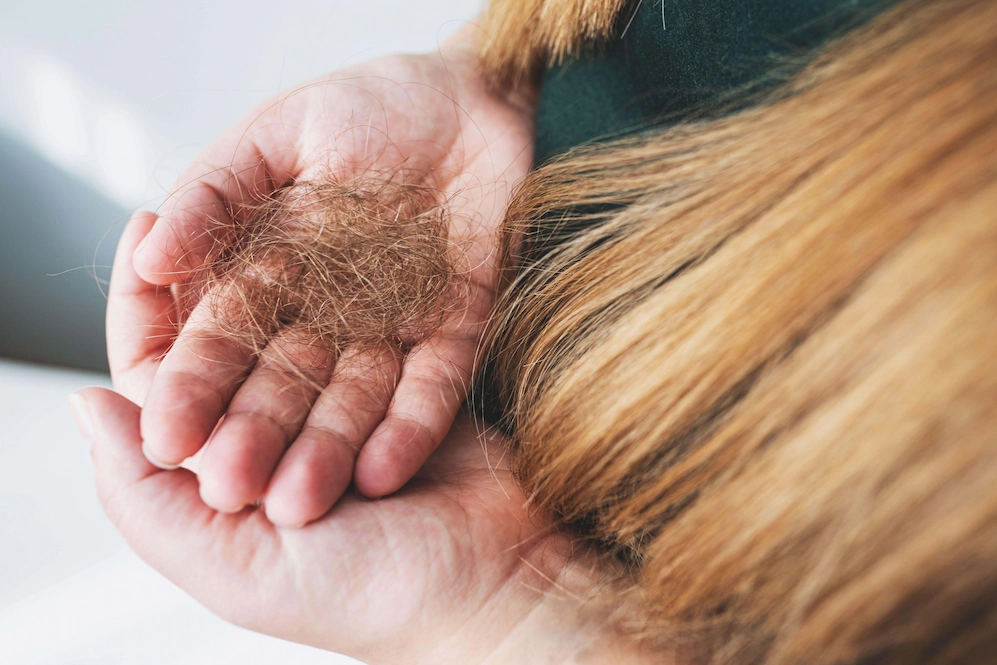
Patients may notice more hair in the shower, on brushes, or on pillows. This type of shedding is usually diffuse, meaning it affects the entire scalp rather than specific patches. In most cases, this pattern is consistent with temporary shedding and does not indicate permanent hair loss.
Changes in Hair Density
Hair may appear progressively thinner over time rather than falling out in specific areas. This type of change is usually gradual and diffuse, making the scalp more visible without creating distinct bald patches. In most cases, it reflects a temporary shift in the hair growth cycle rather than permanent hair loss.
How to Prevent Hair Loss While on Wellbutrin
Preventing hair shedding involves maintaining scalp health and monitoring for side effects. A healthcare professional can help assess whether changes are needed.
Adjusting Medication Safely
Any changes to medication should always be guided by a healthcare professional. If hair loss or other side effects become noticeable, a provider may evaluate whether to adjust the dose, switch medications, or continue monitoring symptoms.
These decisions are based on balancing mental health needs with side effect management to ensure safe and effective treatment.
Supporting Hair Regrowth
Support may include proper nutrition, stress management, and topical treatments to help stabilize the natural hair cycle. Nutrients like iron, zinc, vitamin D, and protein support hair follicle health and overall growth, especially when addressing issues such as vitamin B12 deficiency and related hair shedding.
Topical options such as minoxidil can help extend the anagen phase and improve density over time. A healthcare professional can guide the most appropriate treatment option based on individual needs.
Minoxidil Treatment for Wellbutrin Hair Shedding
Minoxidil is a common treatment option that supports hair regrowth by helping more hairs remain in the anagen phase longer. This can reduce visible hair shedding over time and improve overall density, even while the underlying trigger remains present.
It does not stop the initial cause of shedding, but it helps the hair follicle recover more efficiently during the reset of the natural hair growth cycle.
Results vary between individuals, and consistent daily use is required to maintain benefits. Most patients first see reduced shedding, followed by gradual regrowth over several months. A healthcare professional can help determine if minoxidil is appropriate based on the pattern and severity of hair thinning.
Alternative Medications to Consider
Some patients may consider switching antidepressant medication if reduced hair density becomes a concern. Different drugs, including serotonin reuptake inhibitors SSRIs, have different side effect profiles.
A healthcare professional can help determine the best treatment option based on individual needs, including non-surgical hair restoration approaches.
When to See a Specialist
Patients should seek evaluation if shedding persists or worsens over time. A specialist can determine whether the cause is medication-related or due to another condition.
Hair restoration approaches may include doctor-led procedures, structured follow-up, and techniques such as FUE (Follicular Unit Extraction), DHI (Direct Hair Implantation), and Choi pen implantation. Clinics in Israel and Greece operate within regulated medical frameworks, while some international markets may have less consistent oversight.
If you are experiencing hair shedding or have concerns about your treatment, a clinical evaluation can help clarify the cause. You can schedule a consultation to review your case and discuss appropriate options.