
Lack of sleep can affect hair growth by disrupting internal processes that support follicle function. When people ask, “Can lack of sleep cause hair loss?”, the answer is that poor sleep can contribute to hair thinning by increasing stress hormone levels and interfering with normal hair cycles.
Over time, this imbalance may lead to more hair entering the shedding phase earlier than expected. At Trichogenics, founded by Dr. Asi Peretz and Dr. Eric Peretz, sleep and hair health are assessed as part of a broader clinical evaluation.
Key Takeaways
- Lack of sleep does not directly cause hair loss, but it can disrupt hormone balance and the hair growth cycle, leading to increased shedding over time.
- Sleep deprivation and hair loss are linked through elevated stress hormone levels, which can push hair follicles into the shedding phase and reduce hair density.
- Most sleep-related hair loss is temporary, and hair regrowth typically begins once sleep patterns improve and stress levels stabilize.
- Chronic sleep issues, combined with other factors like genetics or medical conditions, can worsen thinning hair and delay recovery.
- Improving sleep quality, managing stress, and seeking medical evaluation when needed are key steps in protecting hair health and supporting long-term regrowth.
Can Lack of Sleep Cause Hair Loss Directly?
Lack of sleep and hair loss are linked, but the relationship is usually indirect. Hair follicles depend on stable signals to stay in the growth phase, and sleep supports that balance. When sleep patterns are disrupted, the body may shift more hairs into the shedding phase.
Sleep deprivation and hair loss are often connected through increased stress hormone activity. Elevated cortisol can interfere with the hair cycle and contribute to hair thinning. Over time, this imbalance may reduce hair density and slow hair regrowth.
How Sleep Loss Leads to Hair Shedding
Poor sleep affects the body through a clear sequence of events. When sleep is disrupted, stress hormone levels rise, affecting the hair cycle. This process can lead to excessive shedding and visible hair thinning.
- Poor sleep → increased stress hormone
- Increased stress hormone → disrupted hair cycle
- Disrupted cycle → excess shedding
Clinical observations link chronic stress with telogen effluvium. Studies show elevated cortisol levels are associated with increased shedding and slower hair regrowth.
How Sleep Affects Hair Growth Cycle
Hair grows in phases, and sleep helps regulate this cycle. When sleep patterns are stable, follicles stay longer in the growth phase. This supports better hair density and consistency.
Disrupted sleep patterns can push follicles into the shedding phase earlier. This leads to thinning hair and reduced volume. Over time, repeated disruption may affect recovery.
Telogen Effluvium and Sleep Loss
Telogen effluvium occurs when more hair follicles shift into the shedding phase at the same time. This is often triggered by: chronic stress, etc., which increases stress hormone levels and disrupts the normal hair cycle. As a result, people may notice excess shedding and reduced hair density.
Hair changes do not appear immediately, especially when combined with lifestyle factors such as alcohol use and hair loss.
Hair loss usually becomes visible several weeks after the trigger due to the delay in the hair cycle. In most cases, it is temporary, and hair regrowth begins once sleep patterns and overall health improve.
Does Sleeping Late Cause Hair Loss?
Sleeping late does not directly cause hair loss, but irregular sleep patterns can affect internal rhythms. These disruptions may contribute to hair thinning over time.
Inconsistent sleep patterns can lead to sleep issues and increased stress hormone levels. This combination contributes to hair loss when sustained.
Does 5 Hours of Sleep Cause Hair Loss?
Getting five hours of sleep regularly can affect overall health and hair condition. Short sleep duration increases stress and reduces recovery. Over time, this may contribute to hair thinning.
Hair changes do not appear immediately. Shedding often becomes noticeable after weeks of disrupted sleep patterns.
Who Is Most at Risk
Some individuals are more affected by changes in sleep and hair health. People with chronic stress, sleep disorders, or existing hair conditions may notice thinning hair sooner.
Doctors evaluate patterns such as timing and distribution to identify causes, including factors like blood pressure and hair loss. This helps determine if sleep issues are contributing to hair loss.
Hair Loss in Men vs Women
Hair loss appears differently in men and women:
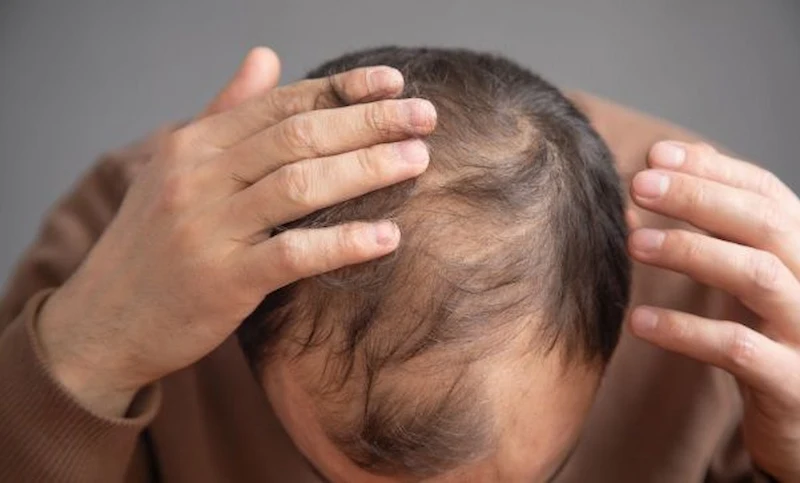
- In men, Hair loss often follows a pattern at the hairline or crown due to sensitivity to androgens. Poor sleep may increase stress hormone levels and accelerate thinning in these areas.
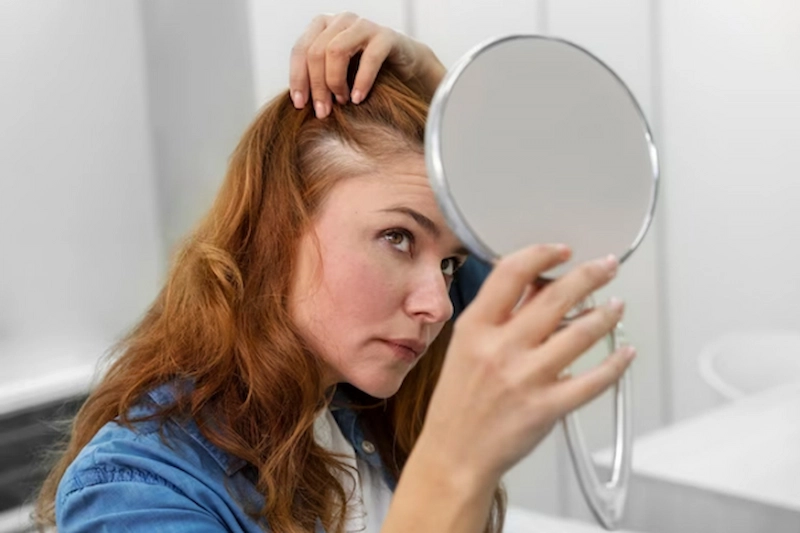
- In women, Hair loss usually appears as diffuse thinning hair across the scalp, as explained in hair loss in women. Sleep issues and overall health changes can contribute to excess shedding and reduced hair density.
- Shared effects: Poor sleep can disrupt the hair growth cycle in both, leading to hair thinning and slower regrowth. Conditions like Alopecia Areata may also worsen with stress and sleep imbalance.
Can Lack of Sleep Cause Permanent Hair Loss?
In most cases, lack of sleep does not cause permanent hair loss. The effects are usually temporary and related to shifts in the hair cycle. Once sleep improves, recovery can begin.
However, other illnesses may cause hair loss as well as sleep issues. For instance, thyroid conditions might make your hair shed significantly.
Both hypothyroidism (underactive thyroid) and hyperthyroidism (overactive thyroid) are linked to hair issues, though the link between the thyroid and hair loss isn’t fully understood. The thyroid can also affect sleep quality and energy levels.
Other factors, such as genetics or medical conditions, may also contribute. Identifying the cause is important for proper care.
Will Hair Loss From Lack of Sleep Grow Back?
Hair loss linked to sleep issues often reverses once balance returns. Hair regrowth may begin within 3 to 6 months after sleep stabilizes. Full recovery of hair density may take longer.
Recovery depends on overall health and how long the disruption lasted. Monitoring progress helps set realistic expectations.
How to Reverse Sleep-Related Hair Loss
Improving sleep patterns and managing stress are key steps. Addressing these factors can reduce excess shedding and support hair regrowth.
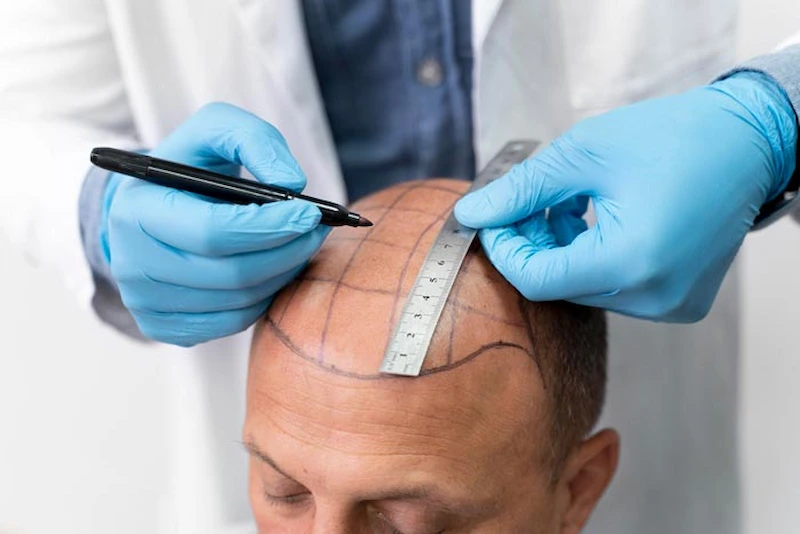
Clinical approaches may include Follicular Unit Extraction (FUE) and Direct Hair Implantation (DHI), both of which are explained in detail under hair transplant techniques.
FUE extracts individual follicles, while DHI uses a Choi pen to implant them directly. These procedures are performed by trained physicians with structured follow-up.
Treatment depends on stability and underlying causes. Hair restoration is considered once contributing factors are controlled.
Improve Sleep Quality and Sleep Timing
Improving sleep patterns supports sleep and hair health. Simple adjustments can help regulate the body and reduce stress.
- Maintain a consistent schedule
- Reduce screen exposure before bed
- Create a calm sleep environment
- Manage stress through routine
Better sleep supports recovery and long-term hair regrowth.
What Are the Best Supplements for Hair
Some supplements may support hair health when deficiencies exist. Nutrients like iron, vitamin D, and biotin for hair loss are often discussed.
Supplements should be used based on individual needs. Supporting overall health helps maintain hair density.
When to See a Specialist
A medical evaluation is needed when hair loss persists or worsens. A specialist can determine whether sleep issues are the cause or a symptom of another condition.
Doctor-led care and structured follow-up help ensure safe and appropriate treatment. If you are experiencing ongoing hair thinning or excessive shedding, you can schedule a consultation to receive a personalized clinical assessment and guidance on next steps.