
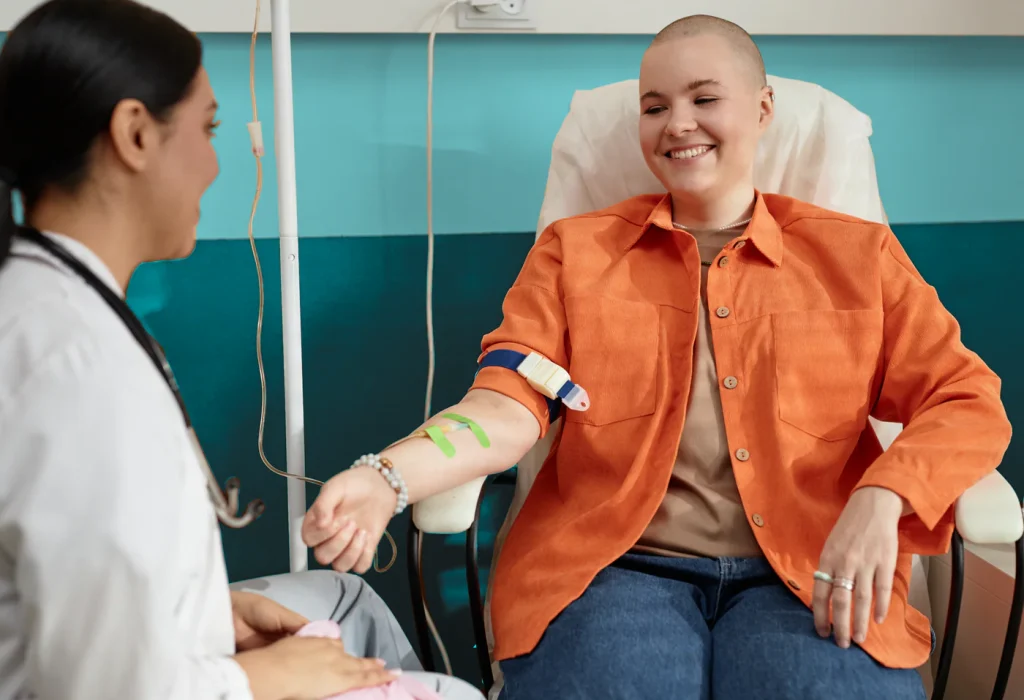
As these cells are disrupted, the hair becomes weak and falls out, usually starting within two to four weeks after treatment begins. This process can affect scalp hair as well as body hair, including eyebrows and eyelashes.
In most cases, hair does grow back after chemotherapy once treatment ends and the follicles recover. Hair regrowth often begins within a few weeks, though it may take several months for hair to grow back fully.
The new hair may initially appear with a different texture or color, but these changes are often temporary. Recovery depends on factors such as the type of treatment, dosage, and individual response, which means outcomes can vary from person to person.
At Trichogenics, founded by Dr. Asi Peretz and Dr. Eric Peretz, understanding these biological mechanisms is essential when evaluating hair regrowth and long-term outcomes after treatment.
Key Takeaways
- Chemotherapy causes hair loss because it targets rapidly dividing cells, including hair follicles, which disrupts the normal hair growth cycle.
- Hair loss does not affect all patients the same way, as outcomes vary depending on the type of drugs, dosage, and individual response.
- Shedding usually begins within a few weeks of treatment and may affect both scalp and body hair, with hair regrowth typically starting after therapy ends.
- Methods like scalp cooling, including cold caps, can help reduce hair loss, but they do not work for everyone, and results depend on the treatment plan.
- Hair typically grows back after chemotherapy, though changes in texture or color may occur. Follow-up care helps monitor recovery and guide next steps.
Why Chemotherapy Causes Hair Loss?
How Chemotherapy Targets Fast-Growing Cells
Chemotherapy drugs are designed to attack cells that divide quickly. This includes cancer cells, which grow and spread rapidly, as well as other fast-growing cells in the body. Hair follicles rely on constant cell division to maintain normal hair growth, so they become an unintended target.
These are highly active, with about 85% to 90% of scalp hairs in the growth phase at any time. This explains why chemotherapy often affects a large portion of the hair at once.
The medications travel through the bloodstream and reach many tissues, including the scalp, where they impact follicle activity. As a result, the normal hair growth cycle is interrupted, and the hair shaft weakens. This is why many cancer patients notice shedding soon after starting treatment.
Why Hair Follicles Are Affected
Hair follicles have a network of blood vessels that supply nutrients and oxygen. Chemotherapy interferes with this process, reducing the ability of follicles to function normally. When follicle cells stop dividing, the hair strand becomes fragile and eventually falls out.
This effect is not limited to scalp hair. Body hair, including eyebrows and eyelashes, can also be affected. The extent of loss varies depending on how sensitive the follicles are to treatment, as well as other factors that influence hair thinning.
Will Chemotherapy Make You Lose Your Hair
Hair Falling Out With Chemotherapy Explained
Hair falling out during chemotherapy occurs because the treatment weakens the hair’s structure at the root. As the follicle slows down or stops producing new cells, the existing hair becomes loose and sheds. This can occur gradually or in larger amounts over a short period.
Some patients notice hair on their pillow or in the shower, while others experience more sudden thinning. The pattern can differ depending on the type of treatment.
What Patients Notice First
Many patients begin to notice early signs of shedding in daily routines. Hair may appear on pillows, in the shower, or on clothing before visible thinning occurs. These early changes can feel sudden, even though they develop over time.
Recognizing these patterns helps patients understand what is happening and reduces uncertainty during treatment.
What Chemo Drugs Cause Hair Loss
Some chemotherapy drugs are more likely to cause loss of hair because they strongly affect rapidly dividing cells. Common examples include anthracyclines like doxorubicin and taxanes such as paclitaxel, which often lead to noticeable shedding.
Other drugs may cause only mild thinning depending on the type and dose. Doctors usually explain your specific treatment plan so you can understand what to expect, especially when reviewing which medications can cause hair shedding.
Why Some Patients Do Not Lose Hair
Not every patient experiences the same level of shedding. This can happen due to differences in drug type, dose, or individual biology.
The stage of hair growth at the time of treatment can also influence how the hair responds.
What To Expect During Treatment
Hair changes usually begin within a few weeks of starting therapy. Patients may experience scalp sensitivity before shedding begins, and the care team often provides guidance on how to protect the scalp.
It is common to avoid heat tools, such as a curling iron, during this period to reduce stress on the hair.
Chemotherapy Hair Loss Timeline
When Hair Loss Starts
Loss of hair usually begins 2 to 4 weeks after starting treatment and may peak around 4 to 8 weeks. Hair regrowth often starts 3 to 6 weeks after chemotherapy ends, although full recovery takes longer.
This timing reflects the disruption of the hair growth cycle caused by chemotherapy. Patients may notice increased hair on brushes or clothing during this early phase.
When Hair Shedding Peaks
The baldness is usually most noticeable 4 to 8 weeks after starting chemotherapy, often after the first or second cycle. The amount of shedding can range from thinning to near-complete loss depending on the treatment.
Loss of Hair Beyond the Scalp
Chemotherapy can affect more than just scalp hair. Body hair, including eyebrows and eyelashes, may also shed.
This broader impact occurs because many hair follicles share similar growth patterns.
How To Prevent Hair Loss During Chemotherapy
Scalp Cooling And Medical Options
Scalp cooling is one of the most studied methods to reduce hair loss during chemotherapy. Cold caps work by narrowing blood vessels in the scalp, which limits how much medication reaches hair follicles.
This method can help preserve hair in some cases, though results vary by treatment type.
Natural Ways And Supplements
Some patients use simple habits to support scalp health during treatment. These include using mild shampoo, avoiding heat tools like a curling iron, and keeping the scalp clean and moisturized to protect it.
Some supplements, such as biotin, vitamin D, and zinc, are often discussed, but their effectiveness for preventing hair loss during chemotherapy is limited. The care team should review any supplement use to avoid interactions with treatment.
Simple Care Routine
Patients can follow basic steps to reduce discomfort during treatment. These include using mild shampoo, avoiding tight hairstyles, and keeping the scalp clean.
Additional care tips include:
- Avoid heat tools like a curling iron
- Protect the scalp from sun exposure
- Use soft fabrics or coverings
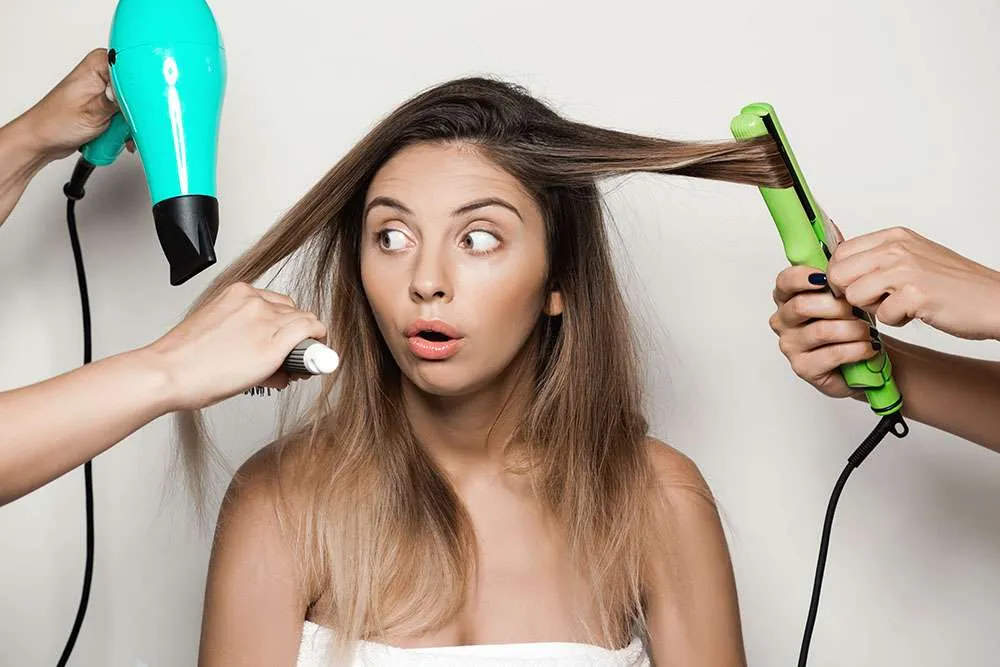
These steps help maintain comfort and protect your scalp during treatment.
Does Hair Loss From Chemo Grow Back?
Permanent Hair Loss After Chemo
Yes, in most cases, hair does grow back after chemotherapy. Hair regrowth usually begins about 3 to 6 weeks after treatment ends, as the hair follicles recover and restart normal hair growth. Over the next few months, the hair becomes thicker and more visible, although full recovery can take 3 to 6 months or longer.
The new hair may look or feel different at first, with changes in texture or color, but these changes are often temporary. In rare cases, especially with certain high-dose treatments, hair regrowth may be delayed or incomplete.
Signs of Slower Recovery
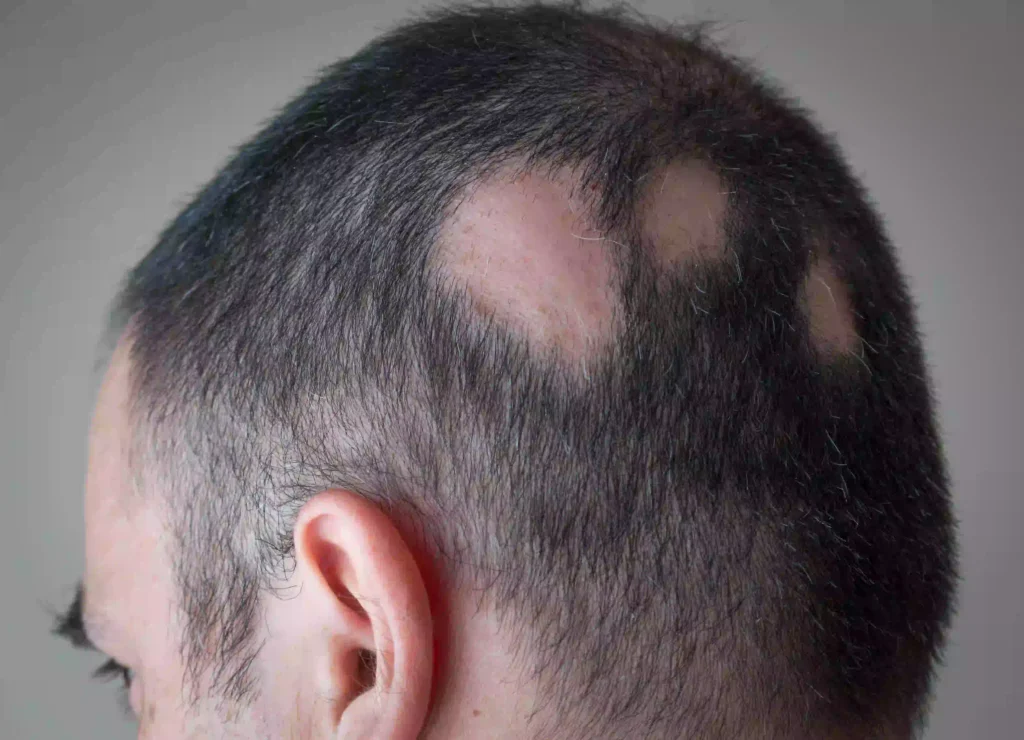
Hair regrowth does not always happen at the same pace for every patient. Some individuals may notice slower hair growth, patchy areas, or uneven density after treatment ends.
This can occur depending on the type of chemotherapy and how the follicles respond. In many cases, improvement continues over time, but medical evaluation may help assess recovery.
Does Everyone Lose All Their Hair During Chemotherapy?
Not everyone loses all their hair during chemotherapy, and the outcome varies depending on the type of drugs, dose, and treatment schedule. Some chemotherapy medications strongly affect rapidly dividing cells, which can lead to complete hair loss, while others cause only thinning.
Individual factors also play a role, including hair follicle sensitivity, the stage of hair growth at the time of treatment, and conditions such as menopause-related hair changes.
In some cases, patients may keep most of their hair or notice only mild shedding. Methods like cold caps may also help reduce hair thinning in certain patients, though results are not guaranteed.
Emotional And Practical Impact
Coping With Appearance Changes
Hair thinning can affect how patients see themselves. Changes in appearance may lead to emotional stress during treatment.
Support from family, healthcare providers, and counseling services can help patients adapt.
Wigs And Head Covering Options
Many patients explore wigs, scarves, or hats to manage visible changes. These options can provide comfort and help maintain confidence.
Choosing the right solution depends on personal preference and lifestyle. Understanding how chemotherapy affects hair helps patients prepare for changes and recovery.
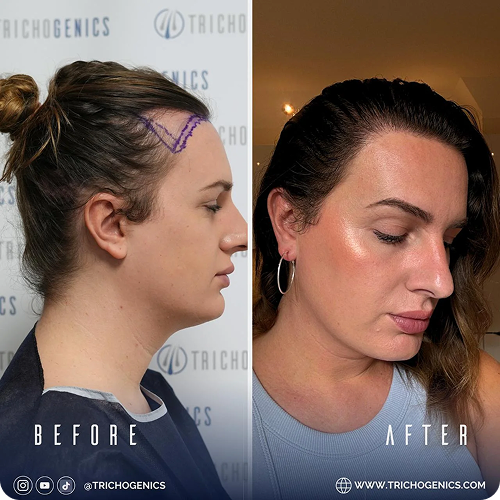
In cases of incomplete hair regrowth, modern hair transplant techniques such as FUE and DHI, along with tools like the Choi pen, are subjects of ongoing clinical discussion.
Clinics like Trichogenics in Greece and Israel focus on doctor-led procedures, structured follow-up, and evidence-based care.
When to Contact Your Care Team
Warning Signs to Watch
Most of the loss of hair during chemotherapy is expected, but some symptoms may require medical attention. Persistent scalp pain, severe redness, or signs of infection should be evaluated by the care team.
Hair regrowth that does not begin within several months after treatment may also require follow-up. These signs can help identify whether the follicles are recovering as expected.
Importance of Medical Follow-Up After Hair Loss
Follow-up care plays a key role in monitoring hair regrowth after chemotherapy. Doctors assess follicle recovery and identify any delays or changes in hair growth patterns.
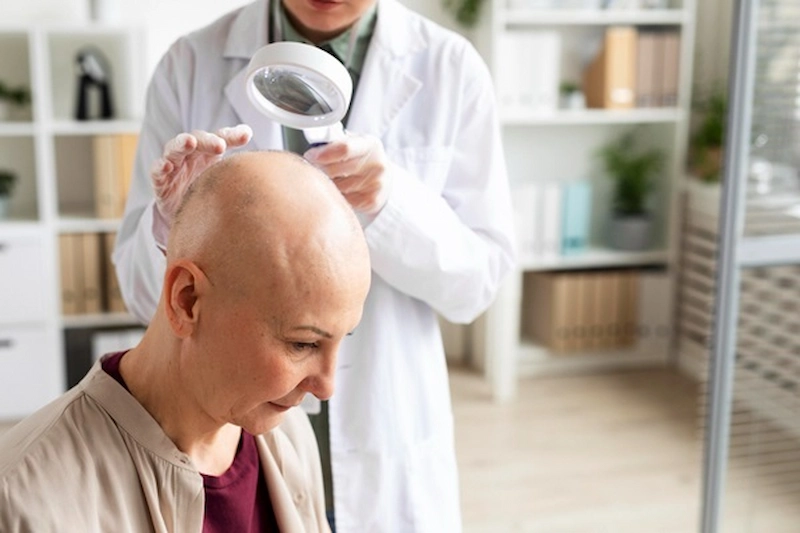
Structured follow-up is also important when discussing long-term options such as FUE or DHI, which are widely used in modern hair restoration.
Doctors assess hair regrowth by examining follicle activity and scalp condition. This may include evaluating density, distribution, and the visibility of new hair growth.
The care team may also review treatment history to understand how different drugs affected the follicles. This helps determine whether hair regrowth is progressing normally.
If you are exploring options after chemotherapy or want guidance on hair regrowth, a medical evaluation can help clarify your next steps. Scheduling a consultation allows your case to be reviewed in light of your treatment history and current hair condition.