

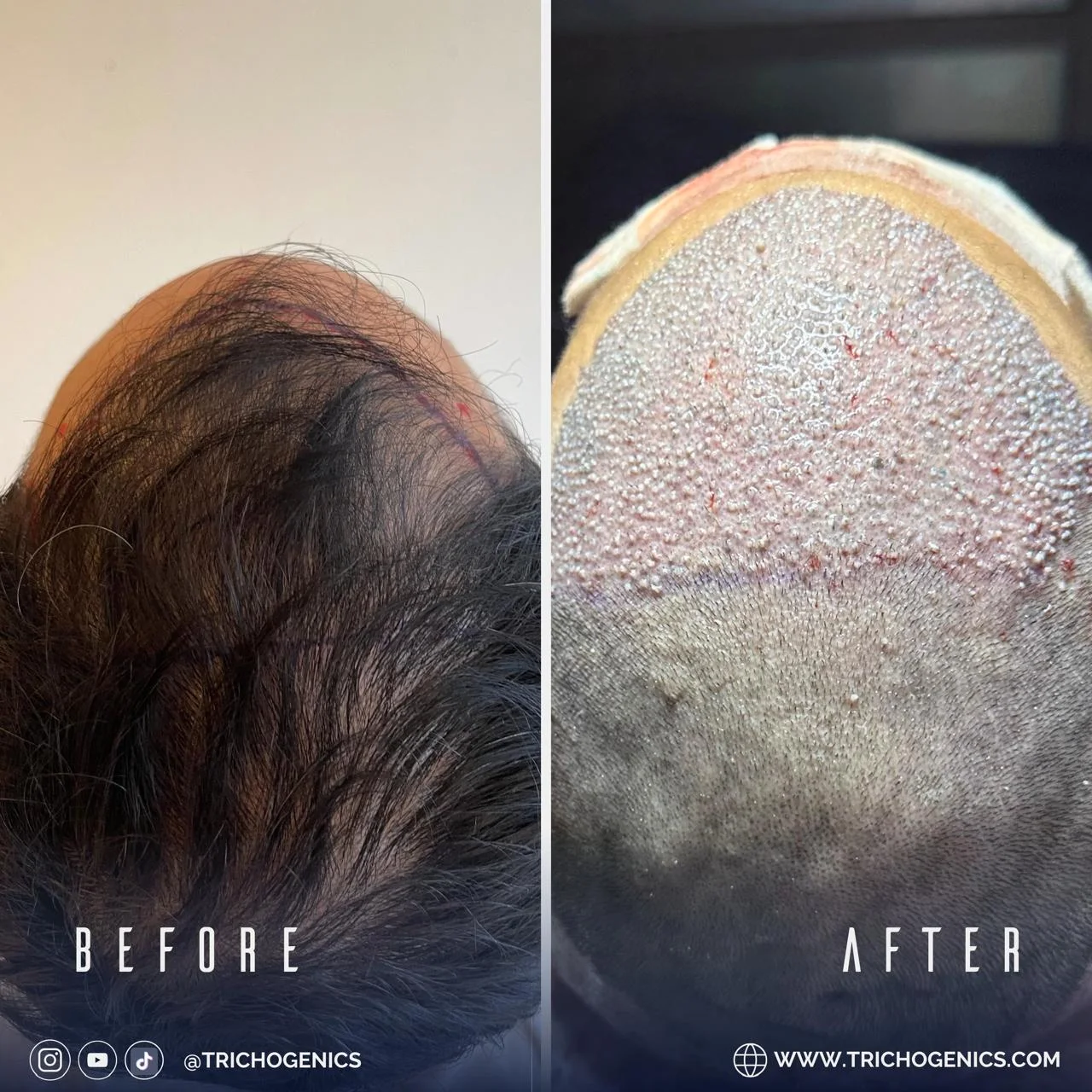
One week after a hair transplant, most patients have moved past the surgical phase and entered early healing. At this point, appearance, daily care, and graft stability become the main concerns. Swelling usually improves, scabs begin to loosen, and patients often want reassurance about how their scalp looks and feels.
This stage is an important checkpoint, but it does not reflect final results. Understanding where week one fits within the broader hair transplant recovery timeline helps set realistic expectations and reduces unnecessary concern about early visual changes.
Trichogenics was founded by Dr. Asi Peretz and Dr. Eric Peretz, both physicians specializing in hair restoration surgery. Procedures are performed in Greece and Israel, where structured follow-up care is part of the treatment process.
The sections below explain what typically happens one week after surgery and what you should expect.
Key Takeaways
- One week after a hair transplant, most patients see reduced swelling and stable grafts, but visible healing does not reflect the final outcome of the procedure.
- During hair transplant after 1 week, mild redness, scabbing, and itching are common and are considered a normal part of the healing process rather than signs of a problem.
- Daily care remains important at this stage, including gentle washing and continuing to sleep with your head elevated to support comfort and reduce residual swelling.
- Early recovery focuses on protecting the donor and recipient areas, understanding normal changes, and setting realistic expectations for long-term growth over the coming months.
What Happens 1 Week After Hair Transplant Surgery
One week after a hair transplant surgery, the scalp is usually transitioning from immediate post-operative healing to early recovery. Most patients notice reduced swelling and less tenderness compared to the first few days after the procedure.
The transplanted area may still show small scabs, mild redness, or dryness, which are considered part of the healing process. These changes reflect the body’s response to the hair transplant procedure rather than early hair growth.
Common changes seen at this stage include:
- Reduced swelling around the forehead and scalp
- Scabs are beginning to loosen naturally
- Mild redness in the donor and recipient areas
- Less pain compared to the first days after the procedure
During this stage, the newly transplanted hair remains in place, but visible growth has not started. Hair follicles are settling beneath the skin, where they continue healing over the days after the procedure.
Sensations such as tightness or itching can occur and are usually temporary. This phase sets the foundation for long-term results, even though progress may feel subtle.
@trichogenics @Munzfitness Post hair transplant swelling is a very common side effect. It typically resolves at about day 7 and doesnt have a known impact on the growth of follicles. #greenscreenvideo #hairtransplant #hairloss #trichogenics #hairtransplantturkey #hairtransplantgreece #hairlosssolutions #hairfall #hairfallsolution #hairfail #fyp
♬ Witch Familiar (Classical) [Classic](143628) - dice
How Should a Hair Transplant Look After 1 Week?
By one week after hair transplant surgery, the scalp often looks improved but not fully healed. Small scabs may still be present, especially in the recipient area where grafts were implanted.
Redness can vary based on skin type, surgical technique, and individual healing response. These visual changes do not predict the full result.
Patients often expect a uniform appearance, but early healing is uneven. At this stage, it is normal to see:
- Patchy redness across the transplanted area
- Short visible hair shafts attached to grafts
- Dry or flaky skin as scabs begin to fall off
Recipient Area 7 Days After Hair Transplant
The recipient area is often the main focus at this stage. 7 days after hair transplant surgery, scabs may begin to loosen naturally, and redness may start to fade.
The newly transplanted hair shafts are visible but appear fragile, which can cause concern. This does not mean the grafts are unstable.
The implanted follicles are already anchored below the skin surface. Although the hair strands may shed later, the follicles remain part of the transplanted area. Gentle care is vital to protect healing tissue during this time.
Donor Area Healing After One Week
The donor area often heals faster than the recipient area. One week after hair transplant surgery, most patients notice reduced soreness and fewer visible marks.
Short haircuts can still reveal mild redness or small dots, especially after follicular unit extraction FUE. These marks usually continue fading over the following weeks.
How Strong Are Hair Grafts After 7 Days?
By 7 days after hair transplant surgery, hair grafts are generally secure beneath the skin. The follicles have begun integrating into the surrounding tissue, reducing the risk of displacement during regular daily activity.
Gentle contact, such as light washing, is usually safe at this stage. Strong pulling or friction should still be avoided.
At this point:
- Grafts are no longer easily dislodged
- Normal head movement is safe
- Gentle washing does not affect graft survival
- Direct trauma should still be avoided
Although the grafts are stable, the hair shafts attached to them are temporary. Many patients experience shedding in the coming weeks, which is expected and does not affect the long-term outcome.
This phase can feel concerning, but it is a regular part of the hair growth cycle.
1 Week Post FUE Transplant Recovery
Recovery after follicular unit extraction FUE often follows a predictable pattern during the first week. Tiny extraction sites in the donor area close quickly, while the recipient area continues forming protective scabs.
One week post-FUE transplant recovery focuses on maintaining cleanliness and minimizing irritation. The technique itself does not change early healing expectations.
FUE is commonly used in modern hair restoration surgery due to its minimally invasive nature.
Even so, careful follow-up remains essential to monitor healing. Structured patient follow-up helps identify issues early and supports consistent recovery.
1 Week After FUE Hair Transplant Results
At 1 week after FUE hair transplant surgery, visible results are limited to surface healing. Density, direction, and final coverage cannot be evaluated at this stage.
The appearance may look uneven due to scabbing and redness. This does not reflect the full result.
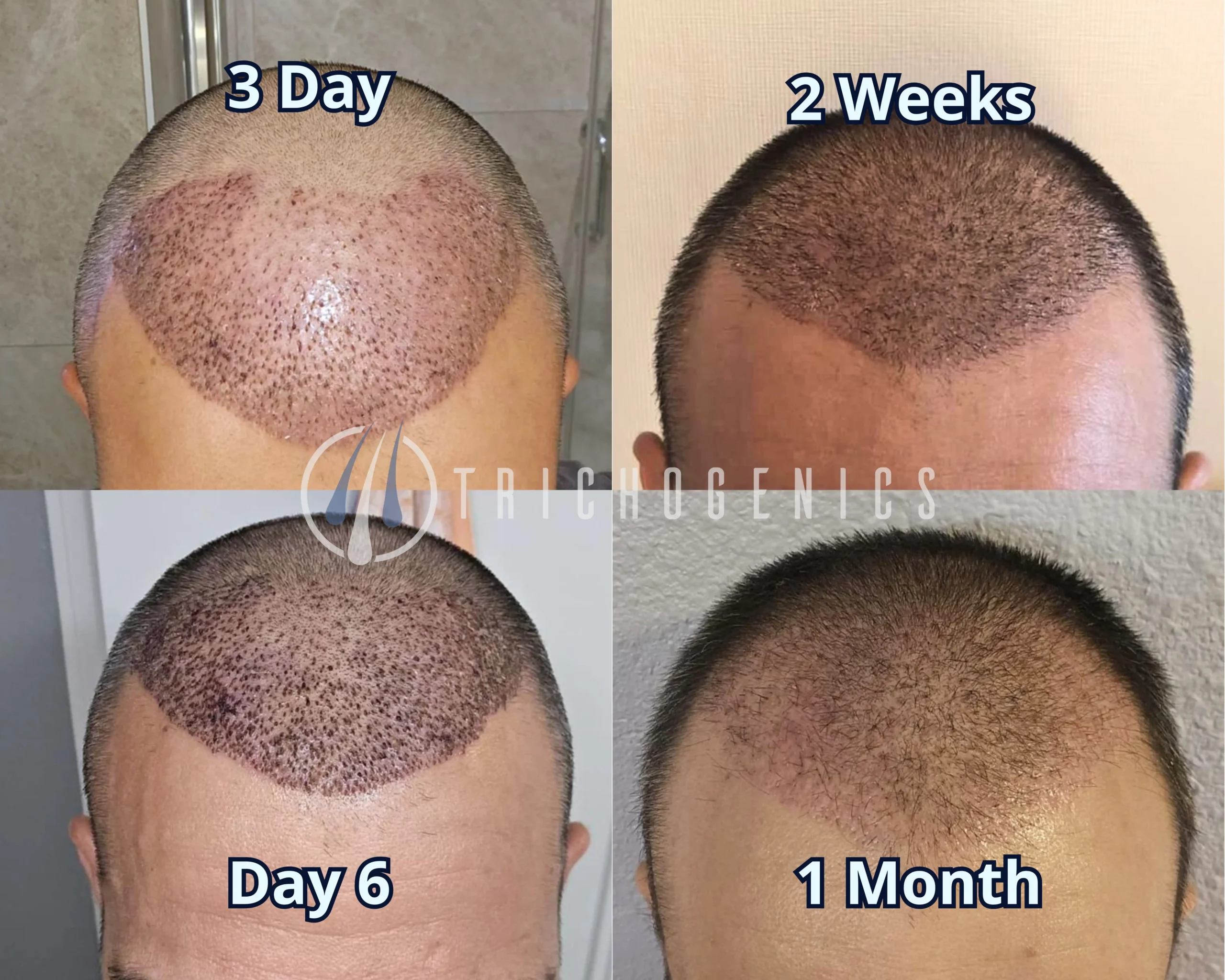
7 Days After Hair Transplant Pictures Explained
Photos taken 7 days after hair transplant surgery often show scabs, redness, and short hair stubble. These images reflect a healing phase rather than progress toward visible growth.
Comparing photos can be misleading because each patient heals differently.
Pictures usually highlight:
- Early scab formation
- Redness in the transplanted area
- Differences in healing speed between patients
Images should be viewed as educational references, not benchmarks. They help explain what is common at this stage, but cannot predict individual outcomes.
What Is Normal One Week After Hair Transplant
Several symptoms are considered normal at this stage, including mild redness, itching, and residual scabbing. These signs indicate healing.
A helpful resource that explains these changes in more detail is this guide on scabs after hair transplant, which outlines why scabbing and sensitivity are expected during early recovery.
Scabs, Redness, and Sensitivity
Scabs protect healing skin and usually fall off naturally within the second week. Redness can persist longer in some patients, especially those with lighter skin.
Sensitivity often decreases as nerves recover from surgery. These symptoms are temporary.
Signs of Healthy Healing
Signs that healing is progressing normally include:
- Gradual reduction in swelling
- No increasing pain
- No signs of infection
- Improving comfort each day
What to Avoid 7 Days Post-Transplant
Seven days after hair transplant surgery, certain activities should still be avoided to protect the healing tissue.
These include:
- Intense exercise or heavy sweating
- Swimming pools, saunas, or hot tubs
- Scratching or rubbing the scalp
- Alcohol consumption
Travel to destinations with limited medical regulation can increase risk during recovery. Questions about follow-up care and accountability are common, especially when considering treatment abroad.
These concerns are addressed when examining whether hair transplants in Turkey are safe, which explains why consistent medical oversight matters during recovery.
Can You Go Out After 7 Days of Hair Transplant?
Many patients can resume light social activities one week after hair transplant surgery. Going out briefly is usually acceptable if the scalp is protected and clean. Redness or scabbing may still be visible, which is a personal comfort consideration.
Sun Exposure, Hats, and Public Settings
When going out:
- Avoid direct sun exposure
- Use loose, breathable headwear if approved
- Avoid crowded or dusty environments
@trichogenics For common misconceptions people have about hair transplants. #trichogenics #hairloss #hairtransplant #hairtransplantturkey #hairtransplantgreece #hairfall #hairfallsolutions #hairlosssolutions #hairlossshampoo
♬ original sound - Trichogenics
Daily Care After One Week
Daily care becomes more routine one week after hair transplant surgery. Patients can usually wash their hair using gentle washing techniques.
Lukewarm water and mild shampoo are often recommended. Hair care should remain cautious and straightforward.
Good daily care habits include:
- Using fingertips instead of nails
- Patting the scalp dry instead of rubbing
- Avoiding styling products
When to Contact Your Hair Transplant Doctor
Contact a hair transplant doctor if the pain increases rather than improves. Signs such as swelling, discharge, or fever require prompt evaluation. These symptoms are uncommon but should not be ignored.
What Happens After the First Week
After the first week, healing continues beneath the surface. The scalp often looks calmer, even as internal repair continues. Changes may seem slow, but progress is ongoing.
Shedding Phase After Hair Transplant After One Week
Shedding often begins several weeks after surgery. Hair shafts fall out while follicles remain active.
This phase is often called the ugly duckling phase hair transplant, and it reflects everyday follicle cycling rather than graft failure.
Early Stage of the Hair Growth Cycle
After shedding, follicles enter a resting phase before producing new hair. Visible growth usually starts several months later, and the full result may take up to 12 months.
This timeline is typical for hair transplant patients and part of normal recovery.
Why Choose Trichogenics?
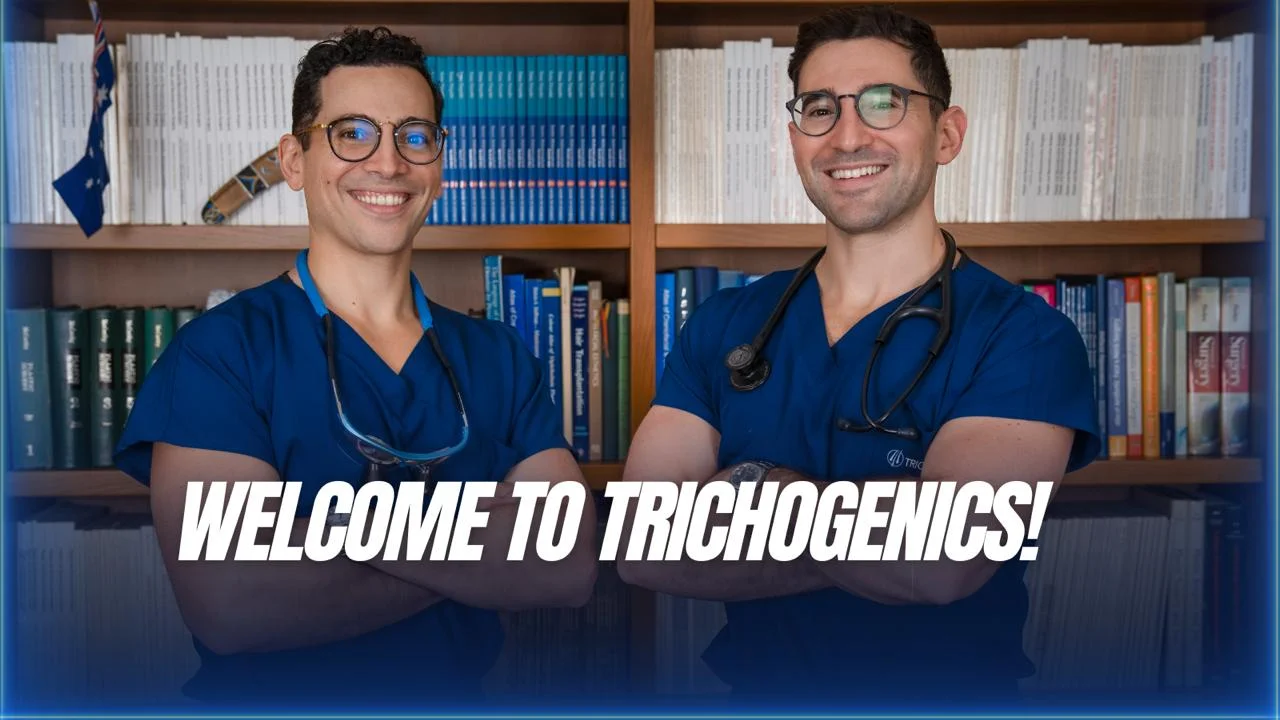
All procedures are performed only by doctors.
The uniqueness of Trichogenics lies in its strict medical process; only certified doctors perform every transplant. No technicians or unqualified assistants are involved.
Choosing a clinic with proven experience in hair transplants can make all the difference.
Meet Dr. Asi and Dr. Eric Peretz
The two doctors leading Trichogenics, Dr. Asi Peretz and Dr. Eric Peretz, are recognized leaders in the field. Their extensive experience, attention to detail, and focus on natural results make Trichogenics the best choice.
Celebrity Hair Transplants
Who has undergone the procedure at Trichogenics? The answer is clear: a safe, professional clinic that delivers results that look great even under camera lights.
Contact Trichogenics today to schedule a personal consultation and get a clear, doctor-led plan for your hair restoration.


