

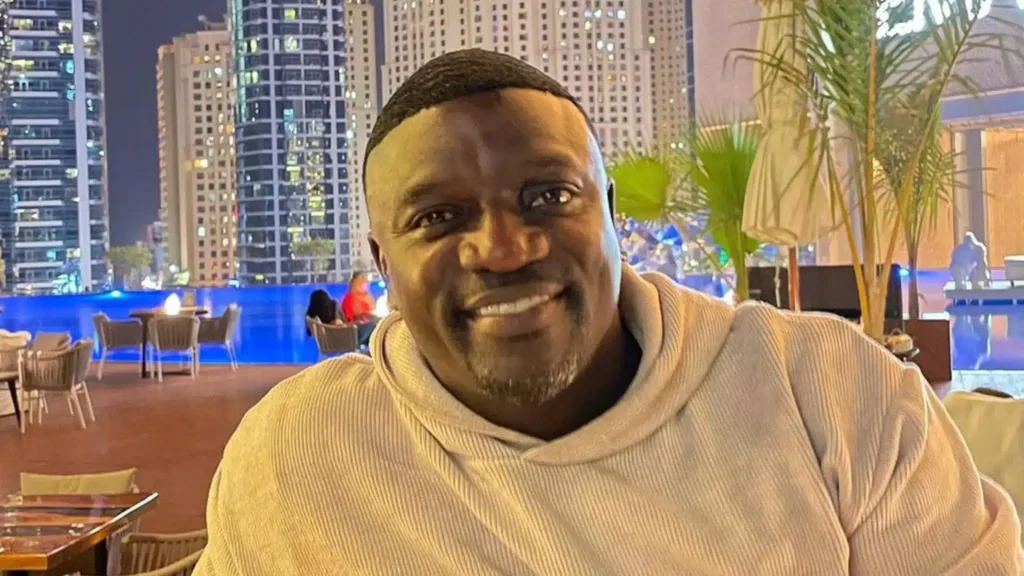
Public talk about the Akon hair transplant began after people noticed changes in the singer’s hairline in interviews and videos. Akon has spoken in interviews about getting a hair transplant to improve a receding hairline linked to androgenetic alopecia, a common form of male pattern hair loss.
Fans compared older photos with newer ones and noticed a fuller hairline, prompting many to analyze the procedure’s results. Hair transplant surgery moves hair from one part of the scalp to areas with thinning hair.
Doctors such as Dr. Asi Peretz and Dr. Eric Peretz, founders of Trichogenics, explain that modern akon hair restoration focuses on natural hairlines and careful placement of follicles.
Key Takeaways
- Many people believe the Akon hair transplant restored density along the front of his hairline using modern hair restoration techniques.
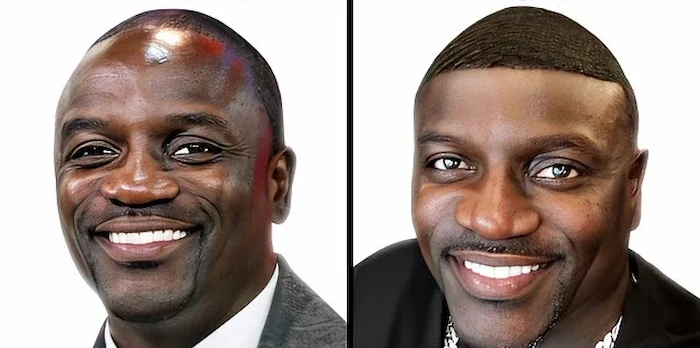
- Before-and-after photos show that the early temple recession and a receding hairline were replaced by a straighter, fuller hairline.
- Hair transplant surgery moves hair follicles from a donor area to parts of the scalp with thinning hair.
- Hairline design matters because doctors must match the natural direction and pattern of hair growth.
Did Akon Get a Hair Transplant and Why
Yes, Akon has spoken in interviews about getting a hair transplant to address a receding hairline. Like many men, he likely experienced androgenetic alopecia, the most common cause of hair loss. This condition, also called pattern baldness, is a form of male hair loss and often begins with thinning at the temples or the crown.
Hair transplant surgery can restore density by moving healthy follicles from the back of the scalp to areas of thinning. Doctors evaluate the stage of hair loss and the strength of the donor area before recommending treatment. Hair thickness also matters because patients with finer hair may need more grafts to create visible density.
Akon Hair Transplant Before and After
Photos online show a clear change in Akon’s hairline over time. Older images show mild recession at the temples, which is common in male pattern hair loss. In many cases of androgenetic alopecia, this stage appears before more visible thinning.
Expert Analysis of Akon’s Hairline
Hair restoration specialists often study celebrity hairlines to understand how surgery may have been performed, as in cases discussed for celebrities who have had hair transplants.
In Akon’s case, observers noticed a straight, well-defined hairline compared with earlier photos. This suggests that follicles may have been placed along the frontal scalp.
Hairline analysis often looks at:
- Temple recession patterns
- Frontal hairline shape
- Hair density
- Presence of finer hair near the front
These indicators help specialists estimate how the transplant may have been designed.
Why Some Observers Criticized the Hairline
Some viewers say the hairline looks too straight. Natural hairlines usually contain small, irregular areas rather than a single straight line. When a transplant creates a sharp edge, it may look unusual in photos, a concern sometimes seen in celebrity hair transplant cases that went wrong.
Hairline design requires careful planning. Doctors balance density, growth direction, and facial proportions to create natural results.
Akon Hair Transplant Procedure
Hair transplant surgery moves follicular units from the donor area to parts of the scalp with thinning hair, following steps similar to those described in the hair transplant process guide.
This treatment is commonly used for androgenetic alopecia and other forms of male pattern hair loss. Modern methods allow doctors to control the angle and direction of implanted hair.
Doctors often discuss two techniques – FUE (Follicular Unit Extraction) and DHI (Direct Hair Implantation). Both methods aim to restore hair growth naturally and are often used in Akon hair restoration procedures.
FUE Hair Transplant Method
Akon explained that the procedure involved removing follicles from the back of his scalp and placing them in the hairline area. This description matches the FUE technique used in many modern hair transplant procedures.
Some reports suggest Akon traveled to Turkey for the procedure, a destination often mentioned in medical tourism discussions. Lower prices in some clinics attract international patients.
Estimated Graft Count
Experts often estimate graft numbers by analyzing hairline density in photos. In cases similar to Akon’s hair transplant, estimates often range from 2,000 to 3,000 grafts.
Doctors plan graft numbers based on several factors:
- Size of the thinning area
- Strength of the donor hair
- Presence of finer hair in the frontal scalp
- Future hair loss progression
These factors explain why graft counts vary between patients.
Limitations of Hair Transplant Surgery
Hair transplant surgery can restore density, but it has limits. Doctors rely on the donor area to supply healthy follicles. If donor hair is limited, surgeons must distribute grafts carefully.
Doctors also evaluate:
- Donor hair strength
- Stage of hair loss
- Scalp health
These factors help determine whether someone is a good candidate for hair restoration.
How the Akon Haircut Changed After Surgery
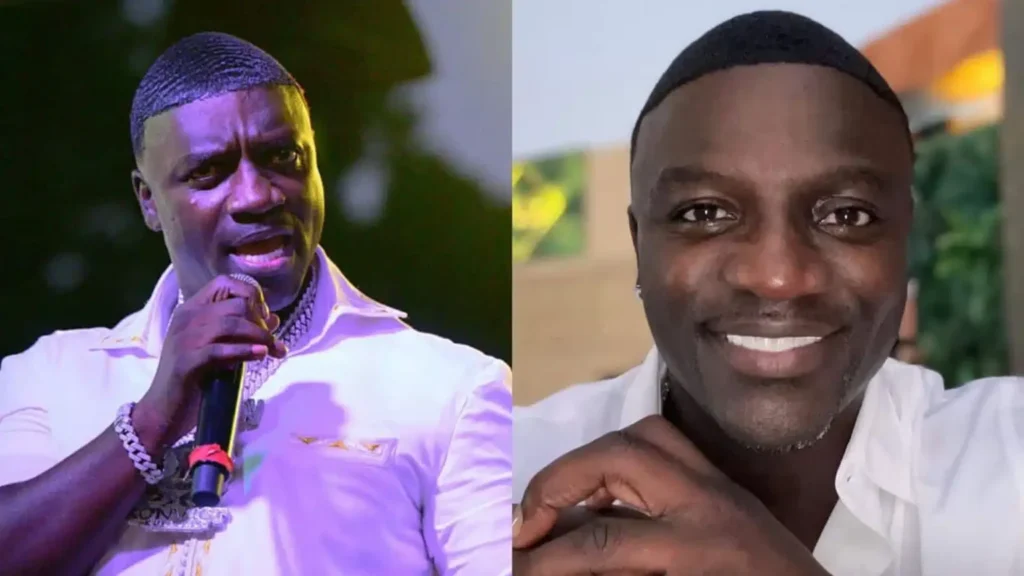
The Akon haircut appears more structured in recent appearances. A fuller hairline allows stylists to shape hairstyles more easily.
Hairline design remains an important part of transplant planning. Doctors consider face shape and natural hair direction to maintain a realistic look.
Cost of Akon Hair Transplant
Akon said in interviews that he traveled to Turkey for his hair transplant and paid about $7,500 for the procedure. Clinics there often offer lower prices than clinics in the United States, where the same treatment can cost around $15,000, depending on the number of grafts.
Lower prices can reflect differences in regulation and how procedures are performed. In some countries, parts of the surgery may be carried out by technicians rather than physicians.
In medically regulated environments such as Israel and Greece, hair transplant procedures are typically performed under direct doctor supervision with structured follow-up care. Prices in these regions often range between $5,000 and $18,000, depending on the number of grafts and the complexity of the surgery.
If you are considering hair restoration, scheduling professional consultation can help you understand your options. A qualified doctor can evaluate hair loss patterns, donor hair availability, and the most appropriate treatment approach.

