

Some observers point to subtle options such as Follicular unit extraction (FUE), PRP therapy, laser treatments, or long-term maintenance programs. Dr. Asi Peretz and Dr. Eric Peretz, founders of Trichogenics, a clinic in Greece and Israel, note that density can change over time through genetics, medical care, or modern restoration techniques.
Key Takeaways
- Has Tom Cruise had a hair transplant? No confirmed evidence says so, and most claims rest on speculation, not medical proof.
- Film stills from different eras seem to show hairline changes, but lighting, styling, and grooming change how hair looks on camera.
- A steady hairline can come from genetics, medical treatment, or professional styling, so thick hair does not always mean surgery.
- Nothing public shows he is bald or balding.
- Transplants move follicles from the back of the scalp to thinning areas. Those follicles resist the hormone behind pattern baldness, and results appear over several months.
Does Tom Cruise Have a Hair Transplant?
There is no confirmed proof that Cruise has had a transplant. His hairline has stayed close to the same for years, so some people suspect treatment. Medical visits are private, so no one outside his care team can verify it either way.
Some observers guess that subtle methods such as FUE micro-grafting, PRP therapy, or laser treatments help maintain density. Those are guesses, not documented facts.
Doctors also warn against judging a scalp from photos. Lighting, camera angles, and styling can make hair look thicker or thinner, so pictures alone cannot show whether surgery happened.
Tom Cruise Hairline Before and After
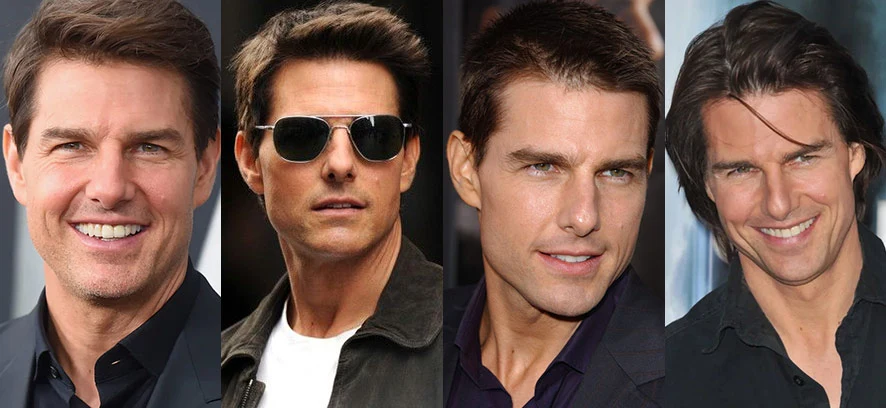
Searches for a Tom Cruise hair transplant before and after usually compare film stills from different decades. Every still has its own lighting, styling, and camera angle, so these comparisons only go so far. For a real surgical comparison, see the patient results on our before and after page.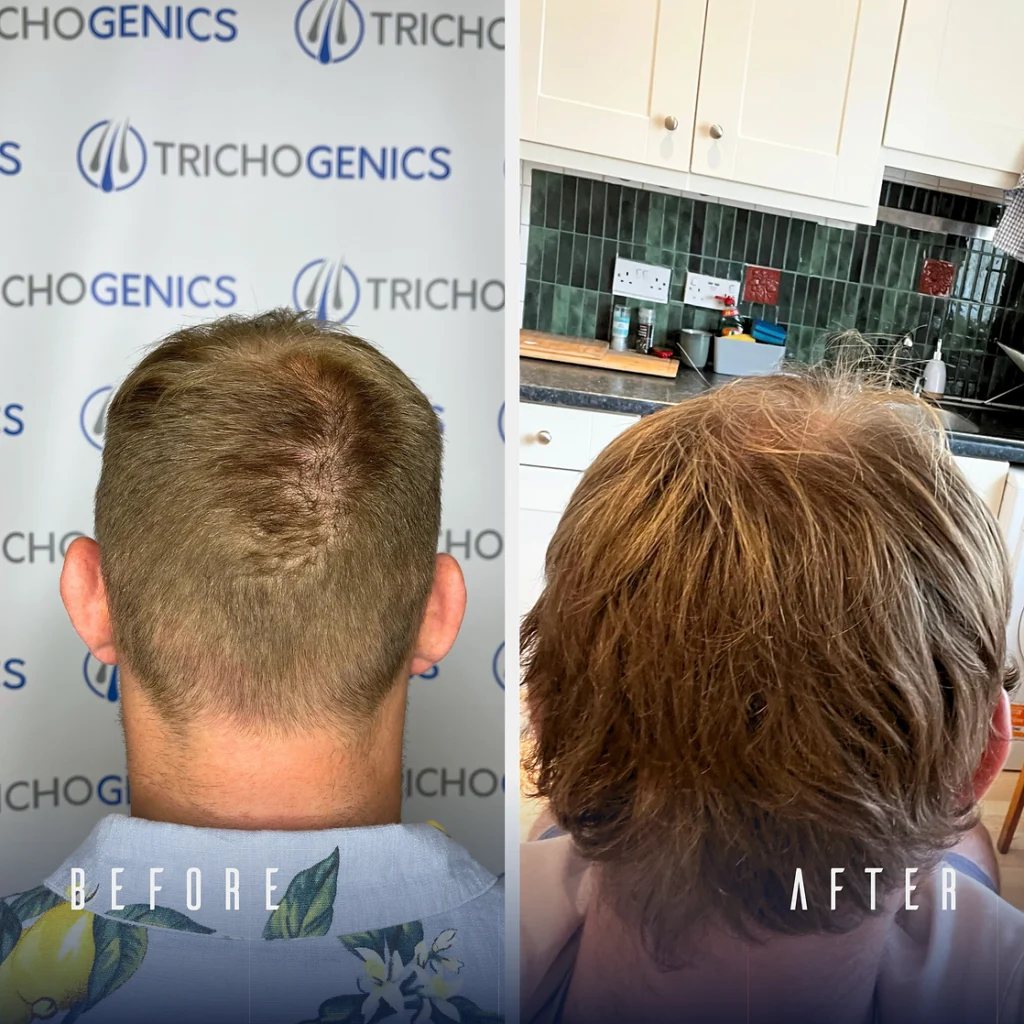
Hairline in Early Films
In movies from the 1980s and early 1990s, Cruise had thick hair and a strong, straight hairline with little recession at the temples. Plenty of men keep full hair at that age, especially without a strong genetic tendency toward thinning.
These early films are the usual starting point for later comparisons. Studio lighting and styling change how hair looks on screen, so stills make weak medical evidence.

Hair in the 2000s
By the 2000s, Cruise was in his late thirties and early forties, an age when many men notice early thinning. No Tom Cruise hair loss has ever been confirmed, and his hairline often looked much like it did in earlier films. That consistency is why some viewers wonder about restoration treatments.
During this period, he also drew the kind of appearance chatter that follows other public figures, including those covered in our look at celebrities who have undergone hair transplants. Most of that talk rests on visual guesses, not confirmed medical information.
Is Tom Cruise Balding?
No. Tom Cruise is not bald, and neither public photos nor his recent films show any sign of balding. He still has a full head of hair in his sixties.
A hairline that sits a little higher at 60 than at 20 is normal, because most men see some change with age. Mild change alone does not mean balding. Whether his density comes from genetics, treatment, or styling is not public.
Signs of Possible Hair Restoration
Surgeons look for specific patterns when they study transplant outcomes. These signs can show up in photos, but they do not prove surgery happened.
Common signs include:
- A hairline that sits lower or looks more defined
- Thicker coverage in areas that once looked thin
- A smooth blend between new and existing hair
Each of these can also come from styling or lighting, so photos stay inconclusive.
Why Celebrity Hair Procedures Are Hard to Confirm

octors rarely discuss whether a public figure had a cosmetic procedure, and they cannot do so without permission. Medical privacy rules bar clinics from sharing patient information, and that includes hair surgery.
Because of that, most celebrity talk rests on visual estimates. Specialists such as Dr. Asi Peretz explain that photos alone cannot confirm surgery. Without records or a direct statement, a rumor stays a rumor.
The same goes for stories about plastic surgery and other cosmetic work, including cases where a celebrity’s hair transplant has gone wrong and become public. Without confirmed medical information, those claims stay unproven. Ethical practice means respecting patient confidentiality and avoiding assumptions.
Other Theories About Tom Cruise’s Hair
Does Tom Cruise Wear a Hairpiece?
There is no confirmed evidence that he does. Some people believe he uses a hairpiece or hair replacement system instead of surgery. These systems attach natural or synthetic hair to the scalp to cover thin areas, and they add density right away.
Modern systems look far more natural than older ones, and productions sometimes use them for styling on set. So is Tom Cruise’s hair real? Nothing public shows otherwise, but only he and his team know for sure.
Does Tom Cruise Dye His Hair?
Cruise has never said whether he colors his hair. Gray is common in men in their sixties, and his hair reads as consistently dark on screen. That look could come from lighting, styling products, or hair dye, and actors often change color to fit a role.
Hair dye changes color only, not growth. Darker hair can make the scalp less visible and look thicker, but dye cannot restore lost follicles.
How Hair Transplant Surgery Works
Transplant surgery moves follicles from one part of the scalp to another. Surgeons usually take donor follicles from the back of the head, where hair resists thinning, and place them in thinning areas.
Trained physicians perform modern procedures, and careful planning and medical supervision matter. Structured follow-up lets doctors monitor healing and growth.
Trichogenics provides doctor-led procedures in Greece and Israel. Care is led by Dr. Asi I. Peretz and Dr. Eric Peretz, both ABHRS Diplomates and Fellows of the World FUE Institute, a small group of surgeons worldwide. The clinic performs only FUE and DHI.
People researching treatment often weigh physician training, clinic standards, and follow-up care before choosing where to have surgery.
The FUE Technique
Follicular Unit Extraction (FUE) is one of the most common techniques. Surgeons remove individual follicles from the donor area and place them in thinning areas of the scalp.
Some clinics also use tools such as the Choi pen to implant follicles with precise control. Techniques like FUE and DHI are widely used in modern restoration practice.
Is a Hair Transplant Permanent?
Yes, in most cases. Follicles from the back and sides of the scalp resist DHT, the hormone linked to pattern baldness, and they keep that resistance after they move.
A transplant does not stop thinning in the native hair around it, so some patients need medication or a second session later. This also shows how a steady hairline over decades could come from surgery, though genetics could explain it just as well.
Growth and Recovery Timeline
Hair transplant recovery takes time. Transplanted hairs may shed for a short period after surgery before new growth begins. This stage is normal in the growth cycle.
New growth usually starts around three to four months after the procedure. Full results can take nine to twelve months as follicles mature. Results vary with hair type, donor supply, and the person’s long-term loss pattern.
If you are considering restoration, a consultation with a qualified physician can help determine the right approach. Trichogenics in Greece and Israel offers doctor-led evaluations and treatment planning.
Scheduling a consultation lets you discuss your concerns, review available techniques, and get guidance for your own loss pattern.