


Public figures often receive attention not only for their work but also for changes in their appearance. The topic of a Benny Gantz hair transplant appears online when people compare photos from different years. Some viewers believe his hairline looks fuller in recent images.
There is no public proof that he had a hair transplant. Still, the discussion helps explain how modern hair restoration works and why people choose it. Clinics such as Trichogenics, founded by Dr. Asi Peretz and Dr. Eric Peretz, perform physician-led hair restoration procedures in Greece and Israel.
Key Takeaways
- There is no confirmed evidence that Benny Gantz has had a hair transplant, and most discussions about one stem from comparisons of public photos.
- Hair can appear different in photos due to lighting, hairstyle, camera angles, or natural aging. These factors make it hard to know whether hair restoration took place.
- Modern treatments such as FUE hair transplant surgery and PRP therapy help address hair thinning and improve hair density.
- Hair transplant surgery moves follicles from a stable donor area to thinner areas, allowing hair to grow again.
- Anyone thinking about hair restoration should speak with a qualified doctor who can review hair loss patterns and treatment options.
Who Is Benny Gantz
Benny Gantz is an Israeli political and military leader. He served as Chief of the General Staff of the Israel Defense Forces and later became Israel’s Minister of Defense. In Israeli politics, he has also worked closely with the prime minister and other senior leaders on national policy. Because he often appears in the media, there are many photos of him. This public visibility makes small changes in appearance easier to notice.
Gantz has also played a role in high-level government decisions. During periods of conflict, he participated in discussions with Israel’s leadership and members of the war cabinet. Because of these responsibilities, he frequently appears on televised briefings and at official events. This constant media presence makes changes in hairstyle or hair density more noticeable to the public.
Public figures often face questions about cosmetic treatments. A different hairstyle, lighting, or age can change how hair looks. These changes sometimes lead people to talk about hair restoration. That is one reason why searches about a Benny Gantz hair transplant appear online.
Benny Gantz Hair Restoration Explained
There is no verified proof that Benny Gantz has had a hair transplant. Most discussions come from photo comparisons taken years apart. Some observers think his hairline looks slightly fuller today. However, photos alone cannot confirm whether surgery or another form of hair restoration occurred.
Hair changes naturally as people age. Lighting, hairstyle, and camera angles also change how hair looks in images. Because of these factors, doctors do not rely on photos to confirm medical procedures. A clinical exam is usually needed to determine whether hair restoration has taken place.
Benny Gantz Hair Before and After
Online discussions about the Benny Gantz hair transplant often compare older photos with newer ones. In some images, the front hairline appears thicker than in earlier years. This leads some people to believe hair restoration may have happened. Still, photos alone cannot prove medical treatment.
Hair thickness can change for many reasons. Stress, age, and genetics can affect hair growth. A haircut or styling product can also make hair look fuller. For these reasons, doctors avoid making medical claims based only on pictures.

Hairline Changes in Public Photos
Hairlines often change slowly with age. Many men develop mild recession near the temples over time. Doctors call this a common pattern of male hair loss. People sometimes mistake these natural changes for the results of surgery.
Photos of public figures can make these differences look larger. Lighting and camera quality can affect how dense hair appears. A hairstyle that moves hair forward may hide some recession. Because of these factors, it is hard to draw medical conclusions from photos alone.
Evidence vs Speculation About a Benny Gantz Hair Transplant
Many conversations about Benny Gantz’s hair transplant stem from visual guesses rather than medical facts. Public photos can show hair in many lighting conditions and styles. These changes may affect how thick hair appears in images. Because of this, visual comparison cannot confirm surgery.
Doctors consider several clinical factors when evaluating hair restoration. They review donor hair density, scalp health, and the pattern of hair loss. Without these details, it is not possible to confirm whether a transplant occurred. Responsible medical discussions separate speculation from verified information.
Possible Hair Restoration Methods
Hair restoration includes several treatments for thinning hair. Doctors review the patient’s hair pattern and donor hair before suggesting a plan. Some treatments involve surgery, while others do not. These methods are widely used in dermatology and hair restoration medicine.
Two common approaches are Follicular Unit Extraction (FUE) and Platelet-Rich Plasma therapy (PRP). These treatments often appear in discussions about celebrity hair care. Even though there is no proof of a hair transplant, these techniques are common in modern clinics.
FUE Hair Transplant Method
FUE is a common hair transplant method. In this procedure, doctors remove single hair follicles from a donor area of the scalp. They then place these follicles into areas where hair is thin. The donor area usually contains hair that does not fall out easily.
This technique requires careful planning and skill. Doctors choose the angle and direction of each graft. Some clinics also use tools such as the Choi pen to place follicles precisely. Dr. Asi Peretz has explained that physician involvement helps maintain accuracy in hair restoration surgery.
PRP Hair Treatment for Hair Loss
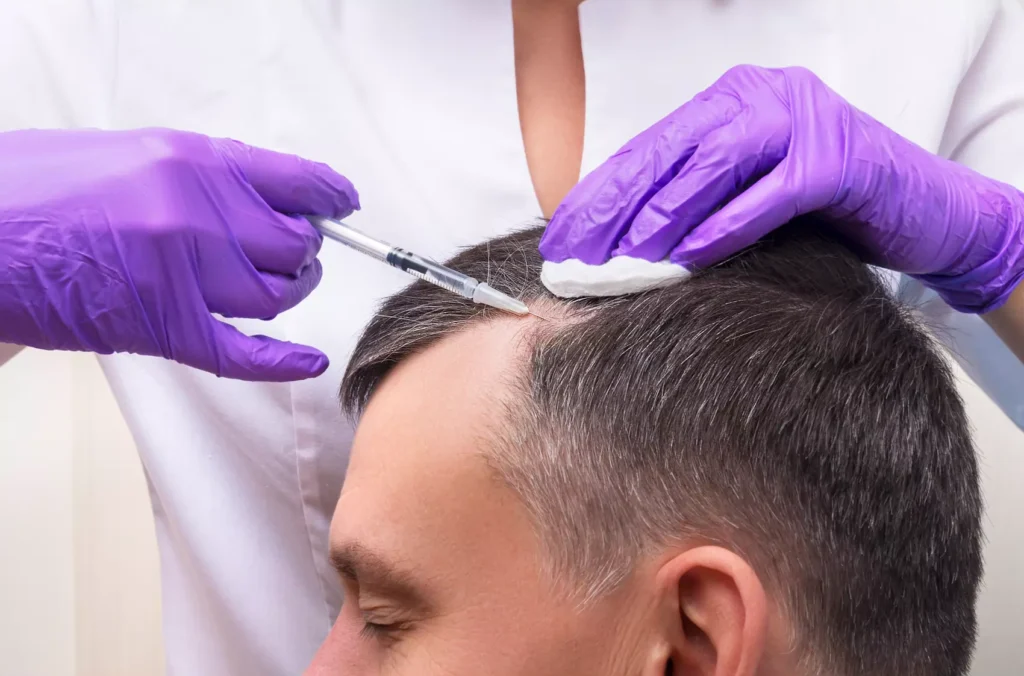
Platelet-rich plasma therapy, known as PRP, is a non-surgical hair treatment. Doctors take a small sample of the patient’s blood and separate the platelet-rich part. They then inject this plasma into the scalp. These platelets contain growth factors that may support hair growth.
PRP treatments usually happen in several sessions. Doctors may suggest them to support other hair treatments. Sometimes PRP is used after surgery to support healing. Patients should speak with qualified doctors to see whether PRP is appropriate.
How Hair Transplants Work
Hair transplant surgery relies on a concept called donor dominance, and understanding the steps involved can help patients better grasp the hair transplant process.
Hair from the donor area keeps its genetic traits after being moved. When doctors place these follicles into thinning areas, the hair can grow again, which is why many patients ask whether transplanted hair grows naturally.
. This principle supports modern hair transplant surgery.
The procedure often includes several stages:
- Finding a stable donor area
- Removing hair follicles
- Preparing grafts
- Placing follicles into the recipient area
Hair growth after surgery takes time, and patients often want to understand what hair transplant results typically look like during recovery.
Transplanted hairs may shed first. Over the next few months, new hair growth begins.
Why Public Figures Choose Hair Transplants?
Hair restoration is not limited to celebrities. Many people seek treatment because hair loss affects how they feel about their appearance. However, public figures receive greater attention when their appearance changes. Because they appear often in the media, small hair changes become noticeable.
The discussion surrounding Benny Gantz’s hair transplant reflects this visibility. People sometimes connect fuller hairlines with transplant procedures. In reality, treatment decisions depend on medical factors and personal choice. Doctors evaluate donor hair and hair loss patterns before recommending surgery.
Hair Restoration Treatments Today
Hair restoration today combines surgery and medical treatments. Doctors review each patient’s scalp health and hair pattern before suggesting care. Donor hair density also affects treatment choices. This evaluation helps doctors design plans that match patient goals.
Hair transplant clinics operate around the world. Some people travel abroad because procedures may cost less. However, medical standards and regulations differ by country. In some places, procedures may happen with less doctor oversight.
Clinics in countries such as Greece and Israel operate within regulated medical systems. Licensed physicians supervise surgical procedures in these environments. Facilities like Trichogenics perform hair restoration within these regulated systems. Follow-up care also helps doctors monitor healing after surgery.
Doctor-Performed Hair Transplants
Hair transplant surgery requires planning and precision. Many specialists believe doctors should guide the key steps of the procedure. Physicians examine hair loss patterns and design the hairline. They also supervise the surgical process.
Medical training helps doctors understand scalp anatomy and hair growth cycles. Experience with techniques such as FUE and DHI (Direct Hair Implantation) improves graft placement. Physician-led procedures also allow better monitoring during recovery.
Choosing a Hair Restoration Clinic
Choosing a clinic for hair restoration requires careful research. Patients often review doctors’ qualifications and clinic standards. Follow-up care is also important after treatment. Clear consultations help patients understand possible outcomes.
Traveling abroad for cosmetic procedures may carry risks. In some countries, clinics operate with limited medical regulation. This may affect doctor supervision and patient care. Patients should carefully consider these factors when choosing where to receive hair restoration treatment.
If you are considering hair restoration, a consultation with a qualified physician can help you understand your options. You can schedule a consultation with the Trichogenics medical team to discuss possible treatment approaches and receive personalized guidance.

