

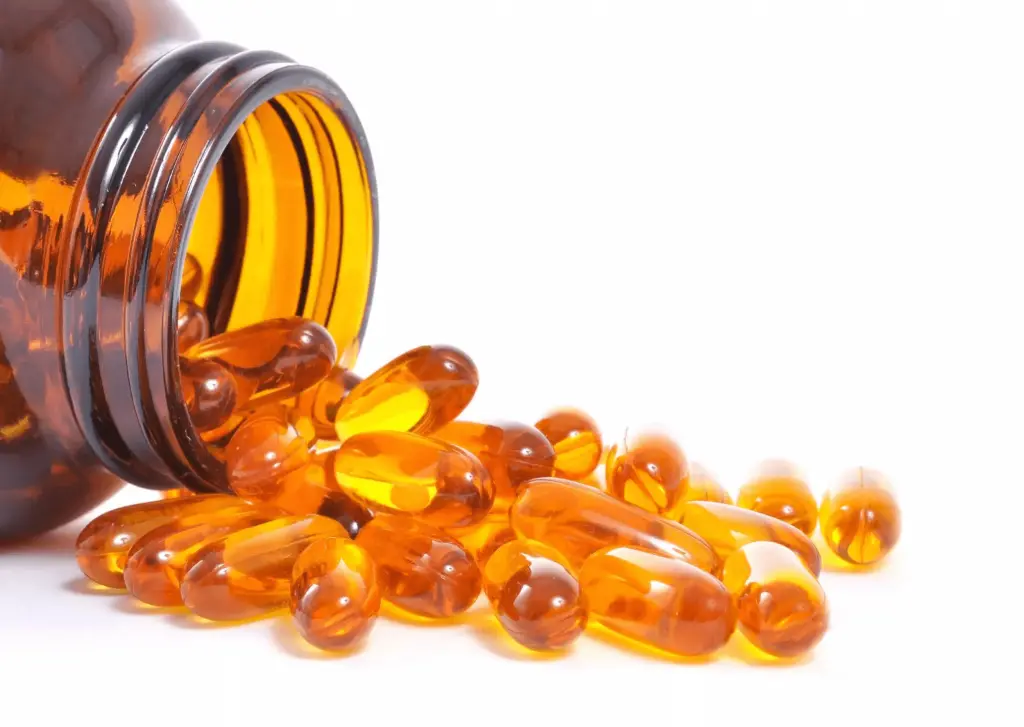
Biotin does not work as a universal treatment for hair loss. Evidence shows that biotin for hair loss is helpful only in specific cases, mainly when a true biotin deficiency contributes to shedding.
In people with regular nutrition, biotin does not stop genetic or hormone-related hair loss, including patterns similar to those discussed in do steroids cause hair loss, where vitamins alone do not address the cause.
Some users notice stronger hair or nails, but density and regrowth usually do not change. The sections below explain when biotin plays a role, when it does not, and how to evaluate it alongside clinical options.
Key Takeaways
- Biotin for hair loss is effective only when a true biotin deficiency is present, and it does not treat genetic or hormone-related hair loss.
- Biotin supports hair structure and nail strength, but it does not stimulate new hair growth or restore hair density in most healthy individuals.
- The recommended daily intake is low, and taking high doses does not improve results and may cause side effects or interfere with medical lab tests.
- A balanced diet usually provides enough biotin through common foods, making supplements unnecessary for most people without a confirmed deficiency.
Can biotin cure hair loss?
Biotin cannot cure genetic or hormonal hair loss. Conditions driven by androgen sensitivity do not respond to vitamins alone. In these cases, supplements may improve hair quality but not density, similar to limitations seen in does estrogen cause hair loss, where hormones—not nutrients—drive the process.
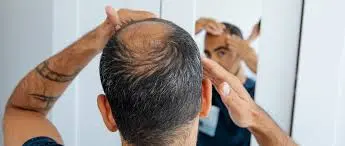
Medical evaluation remains essential.
When biotin helps – and when it does not
Biotin does help hair growth when a deficiency is present. It does not stop hair loss caused by genetics, autoimmune disease, or scarring. This difference prevents unrealistic expectations. Clear diagnosis guides better decisions.
Biotin for hair loss in men
Men often experience pattern hair loss linked to hormones. Biotin does not change this process. Some men notice stronger strands, but thinning continues. Clinical treatments address the underlying cause.
Biotin and Hair Growth
Biotin for hair growth relates to its role in keratin production. Keratin supports hair structure, not follicle activation. This explains why benefits appear subtle and gradual. Supplements support hair quality rather than new growth.
How biotin supports hair growth
Biotin is an essential vitamin involved in enzyme activity. It supports protein metabolism in hair cells. Adequate intake helps maintain healthy hair texture. Growth speed usually remains unchanged.
Hair growth biotin vitamins explained
Hair growth biotin vitamins often combine biotin with zinc and other B vitamins. These blends target overall nutrition. They do not replace medical therapy. Results depend on baseline health.
@trichogenics What vitamin deficiencies cause hairloss? #vitaminhair #hairloss #hairlossremedy #hairlosssolutions #hairfall #biotin #biotinhair #vitaminb12 #vitamind #vitamins #hairtransplant #hairtransplantturkey
♬ original sound - Trichogenics
Biotin benefits for hair and nails
Biotin benefits for hair often appear first in hair and nails. Brittle nails may improve before hair changes. This pattern reflects faster nail turnover. Cosmetic benefits should not be confused with regrowth.
Biotin Deficiency and Hair Loss
Biotin deficiency is uncommon but clinically important. It involves more than hair thinning alone. Identifying deficiencies changes treatment decisions, much like confirming medical causes in scenarios where hormone replacement therapy causes hair loss.
Signs of low biotin levels
Low levels of biotin may cause:
- Hair thinning and shedding
- Brittle nails and skin changes
- Fatigue or neurological symptoms
These signs require medical review.
Who is most likely to benefit
People at higher risk include:
- Those with absorption disorders
- Long-term restrictive diets
- Certain medication users
For them, supplementation may help.
Biotin Supplements and Dosage
A biotin supplement for hair growth should match daily needs. Excess intake does not improve results. The amount of biotin matters more than brand choice. Safety depends on dose awareness.
How much biotin should I take?
The Food and Nutrition Board lists a daily recommended intake of 30 micrograms mcg for adults in the United States. Higher doses are common in supplements. Evidence does not support better outcomes with high doses. Medical guidance is advised.
@trichogenics Do you need to supplement with vitamins if you are experiencing hairloss? Dr Asi Peretz explains that for most people the answer is probably no. But it’s always a good idea to get checked out for certain deficiencies that can cause hair loss. Remember to always chat to a doctor who is knowledgeable in hairloss before starting or considering any treatments. #vitamins #hairloss #hairlosssolutions #hairfall
♬ original sound - Trichogenics
How long to see hair results
Hair changes take time. Most users see nail changes within weeks. Hair improvements may take months. Lack of change often signals no deficiency.
Food Sources vs Supplements
A balanced diet often provides enough biotin. Food-based intake reduces the need for pills. Diet supports overall health beyond hair. Supplements fill gaps only when needed.
Biotin-rich foods for hair health
Foods including biotin are:
- Egg yolks
- Sweet potatoes
- Nuts and seeds
These support natural intake.
When diet alone is enough
Most healthy adults meet their needs through food. Dietary supplement use becomes unnecessary. Routine testing helps confirm adequacy. Overuse adds no benefit.
Biotin Oil and Topical Products
Topical products raise separate questions. Marketing claims often exceed evidence. Absorption through skin remains limited. Expectations should stay realistic.
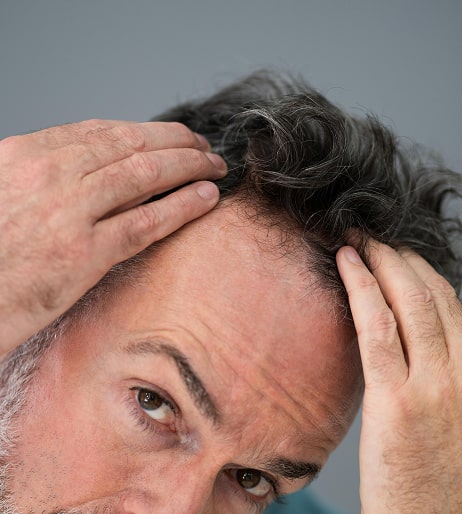
Does biotin oil help hair growth?
No strong evidence supports topical biotin for regrowth. Oils may improve shine and reduce breakage. They do not affect follicles. Oral intake addresses systemic needs.
Side Effects and Safety
Biotin is generally safe but not risk-free. Side effects increase with unnecessary use. Safety matters in long-term supplementation. Awareness prevents avoidable issues.
What happens if you take biotin daily
Daily use at recommended levels is safe. Problems arise with high doses. These can affect lab tests. Communication with doctors is important.
Biotin for hair side effects
Possible side effects include:
- Acne-like skin reactions
- Interference with blood tests
- Digestive discomfort
Monitoring reduces risk.
Who should avoid biotin?
People with certain conditions should be cautious. Those undergoing frequent lab testing need guidance. Medical advice ensures safe use.
Clinical Context: Supplements vs Hair Restoration
Supplements support nutrition, not surgery. Hair restoration involves doctor-led procedures and structured follow-up.
Techniques like DHI and FUE, including Choi pen implantation, are widely recognized in practice. Outcomes depend on training, regulation, and patient care standards.
When patients consider surgery abroad, safety and oversight matter. Countries with limited regulation may pose risks.
Clinics in Greece and Israel operate under clearer medical frameworks, which support patient safety and follow-up. This context helps readers compare nutrition-based support with medical care.
Why Choose Trichogenics?
All procedures are performed only by doctors
The uniqueness of Trichogenics lies in its strict medical process; only certified doctors perform every transplant. No technicians or unqualified assistants are involved. Choosing a clinic with proven experience in hair transplants can make all the difference.
Meet Dr. Asi and Dr. Eric Peretz
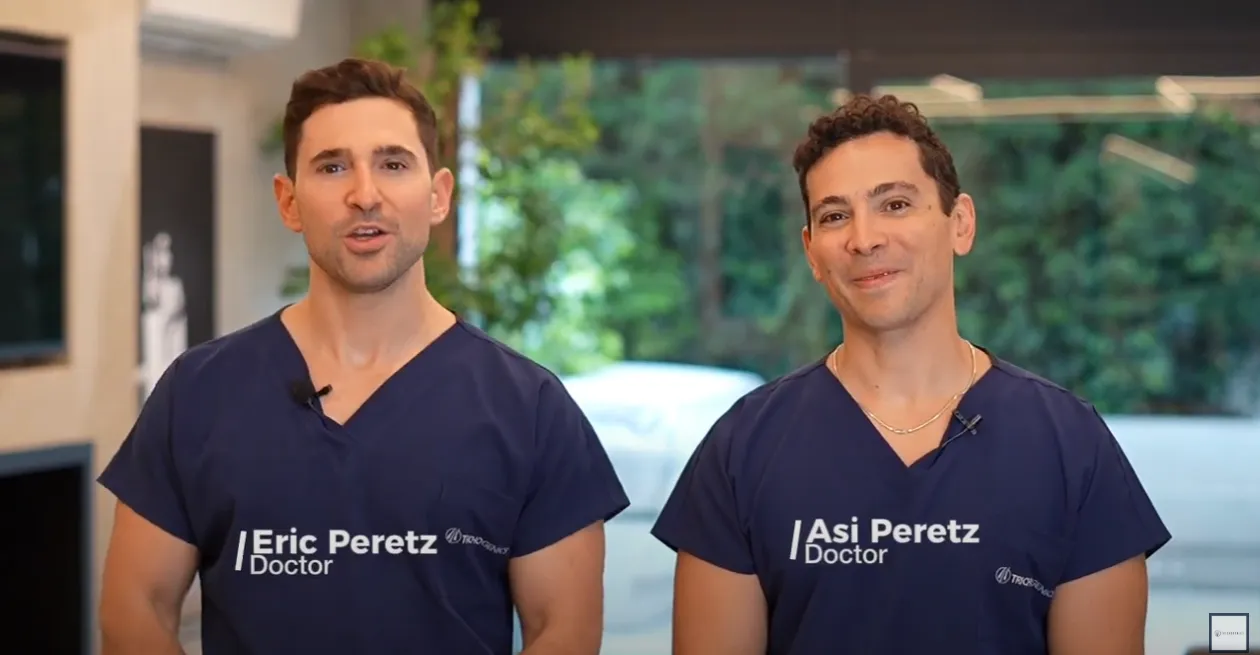
The two doctors leading Trichogenics, Dr. Asi Peretz and Dr. Eric Peretz, are recognized leaders in the field. Their extensive experience, attention to detail, and focus on natural results make Trichogenics the best choice.
Contact Trichogenics today to schedule a personal consultation and get a clear, doctor-led plan for your hair restoration.


