

Some steroids raise dihydrotestosterone (DHT), a hormone that shrinks follicles in people who are genetically sensitive to it, as a PubMed Central review on the hormonal background of hair loss explains. Others stress the body enough to push strands into a resting phase, so they shed, a pattern StatPearls describes under telogen effluvium.
Key Takeaways
- Steroids can cause hair loss, but the type decides how. Anabolic steroids can speed up DHT-driven pattern baldness, while corticosteroids like prednisone and prednisolone usually cause temporary shedding.
- Your risk depends on genetics, dose, and how long you use them. A family history of pattern baldness, high doses, and long-term use raise the odds of thinning.
- Shedding triggered by a medication like prednisone usually starts about three months in. Regrowth can take up to six months to begin and up to a year to look full.
- Hair loss from anabolic steroids can be permanent in people who are genetically prone. Acting early protects more of your density.
- Finasteride, minoxidil, and caffeine shampoos can support regrowth, and FUE or DHI transplants are an option if medication falls short. Never change a prescribed steroid dose on your own; check with your prescriber first.
Do Steroids Cause Hair Loss?
Not all of them do. The steroid type, your dose, and your genetics decide the outcome. If you are sensitive to DHT, long-term use raises your odds of thinning. Many cases are reversible, but acting early protects more of your density.
Why Do Steroids Cause Hair Loss?
Steroids affect the scalp in three main ways:
- DHT Conversion: Some anabolic steroids raise testosterone, which converts into DHT. High DHT shrinks follicles, leading to thinning and eventual balding.
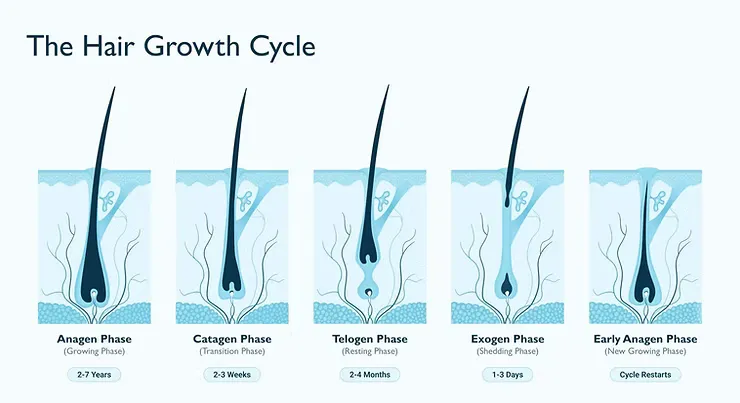
- Growth Cycle Disruption: Steroids can push strands into the telogen (resting) phase, so they shed a few months later.
- Body Stress: The drug, or the illness it treats, can stress the body enough to trigger shedding.
Do Steroids Cause Hair Loss?
Not all of them do. The steroid type, your dose, and your genetics decide the outcome. If you are sensitive to DHT, long-term use raises your odds of thinning. Many cases are reversible, but acting early protects more of your density.
Why Do Steroids Cause Hair Loss?
Steroids affect the scalp in three main ways:
- DHT Conversion: Some anabolic steroids raise testosterone, which converts into DHT. High DHT shrinks follicles, leading to thinning and eventual balding.
- Growth Cycle Disruption: Steroids can push strands into the telogen (resting) phase, so they shed a few months later.
- Body Stress: The drug, or the illness it treats, can stress the body enough to trigger shedding.
Do Steroids Make You Lose Hair?
Yes, some people do, mostly through DHT-related balding. Four factors shape your risk:
- Steroid Type: Anabolic steroids carry the highest risk.
- Genetics: A family history of male or female pattern baldness speeds things up.
- Usage Duration: Longer use raises the odds of permanent thinning.
- Hormone Shifts: Changes in your natural hormone levels put stress on follicles.
Regrowth varies, so a personalized hair loss treatment plan may be necessary to restore growth.
View this post on Instagram
Do Steroids Make Your Hair Fall Out?
They can. The cause is telogen effluvium, which shows up as even thinning across the scalp, usually starting about three months after the trigger, according to StatPearls from the National Library of Medicine.
This kind of shedding is often temporary. If DHT is the driver, the loss can become permanent baldness, and a prescription medication like finasteride may help slow it.
Steroid Types & Hair Loss Risk
Anabolic steroids affect your strands the most, especially those with strong androgenic activity, like testosterone and trenbolone. Corticosteroids more often cause temporary thinning. Hair loss is a documented side effect of anabolic steroid use in athletes, based on a narrative review in PubMed Central.
Does Prednisone Cause Hair Loss?
Yes, in some people. If you are wondering whether prednisone makes your hair fall out, it can, especially at high doses and with long-term use. Corticosteroids can contribute to thinning by disrupting the natural growth cycle.
Key Factors:
- High doses and long-term use raise the risk.
- Hormonal changes can stress follicles.
- Body stress, including the condition you are treating, can lead to telogen effluvium.
- Pattern: Both diffuse thinning and patchy shedding are reported with corticosteroids.
Never change a prednisone dose on your own; check with your prescriber first.
Can Topical Steroids Cause Hair Loss?
They can contribute to thinning when overused. Steroid creams and lotions are common for scalp conditions, and the three factors below can all play a part.
- Follicle Suppression: Prolonged use can weaken follicles.
- Scalp Irritation: Some people develop inflammation that leads to shedding.
- The Underlying Condition: Scalp psoriasis and dermatitis can cause shedding on their own.
Lowering how much you use may help the scalp recover. See a specialist if shedding continues.
Do Steroids Make Your Hair Grow?
Sometimes, but not on your scalp. Does prednisone cause hair growth? MedlinePlus, the U.S. National Library of Medicine’s drug information site, lists increased hair growth as a side effect of prednisone. That is not scalp regrowth, and it does not reverse pattern baldness.
Anabolic steroids can also increase body hair, including coarser body and facial hair in women.
Doctors do use steroids to regrow hair in one specific condition, alopecia areata.
Can Steroids Cause Alopecia?
Yes. Long-term or high-dose use can trigger thinning or shedding by affecting hormone balance. Anabolic steroids can speed up androgenetic alopecia, and corticosteroids can set off telogen effluvium. Some people also notice shedding after stopping, as the body readjusts.
Are Steroid Creams or Injections Used to Treat Hair Loss?
Yes, in one case. Dermatologists use corticosteroids to treat alopecia areata, an autoimmune condition that causes patchy loss, according to the American Academy of Dermatology. That use is specific to alopecia areata, not pattern baldness.
- Injections: A dermatologist injects the bare patches every 4 to 6 weeks. When it works, regrowth usually starts within 3 months.
- Creams or lotions: You apply them to bald spots once or twice a day. They tend to work better in children than adults.
The American Academy of Dermatology cites one study of 127 patients with patchy loss in which more than 80% of those who received injections regrew at least half their hair within 12 weeks. Ask your dermatologist about side effects at the treated spot, and keep to the schedule they set.
Will Hair Loss from Steroids Grow Back?
Often, yes, especially when the shedding was temporary. Once the drug is stopped or reduced, growth usually restarts.
Is hair loss from steroids permanent? It can be. If steroids trigger male or female pattern baldness in someone genetically prone, the loss may stay.
Will Hair Grow Back After Prednisone?
For most people, yes. According to StatPearls, shedding from a medication typically starts about three months after the trigger, with a range of one to six months. Growth can take up to six months to restart after the cause is removed, and up to a year to look full again.
StatPearls also notes that a hormonal or nutritional imbalance can be behind shedding, and growth returns once it is corrected. If shedding continues past six months, ask your doctor to check thyroid and iron levels, two common causes.
Preventing Hair Loss from Steroids
Some steroid-related shedding is unavoidable, but you can protect your follicles.
Preventing Hair Loss While Using Steroids
If you take prescribed steroids, ask your prescriber whether a lower dose or shorter course works for your condition. At home, eat a balanced diet rich in vitamins and minerals, limit heat styling, and use gentle products.
Scalp massages and DHT-blocking shampoos are popular add-ons, though the evidence for them is limited. Check your scalp every few weeks so you can act before thinning shows.
Treating Steroid-Induced Hair Loss
Several options can encourage regrowth:
- Finasteride: This prescription medication lowers DHT, so it suits DHT-driven loss from anabolic steroids in men. Women should discuss it with a doctor first.
- Minoxidil: Available in both topical and oral forms, minoxidil can encourage regrowth after steroid-related loss.
- Caffeine-Based Shampoos: In a six-month double-blind trial indexed on PubMed, women with pattern thinning who used a caffeine shampoo had less shedding than those using a control shampoo, so use it consistently.
- Hair Transplantation (FUE or DHI): If medication alone does not restore enough density, follicular unit extraction (FUE) or Direct Hair Implantation (DHI) can rebuild the affected areas.
For more, see this guide to the different types of hair transplants.
FAQ: Steroids and Hair Loss
Can prednisolone cause hair loss?
Yes, in some people, especially with long-term use or high doses. Prednisolone is closely related to prednisone, so the same shedding pattern and regrowth timeline apply.
Do steroids make you bald?
Not everyone. Baldness needs a genetic sensitivity to DHT, so anabolic steroids push it along in people who are already prone. Corticosteroids rarely cause true balding because their shedding is usually reversible.
Do steroids cause hair loss in females?
They can. Both anabolic steroids and corticosteroids may thin a woman’s hair, either through hormone changes or by disrupting the growth cycle. Prednisone can cause hair loss in females too, usually as even shedding.
Do corticosteroids cause hair loss?
Yes, in some people. Corticosteroids like prednisone can cause diffuse thinning or temporary shedding, often linked to telogen effluvium.
Do anabolic steroids cause hair loss?
Yes. Anabolic steroids can speed up male and female pattern baldness in people who are genetically predisposed, which can be permanent.
Which steroids cause hair loss?
Anabolic steroids with strong androgenic activity, such as testosterone and trenbolone, carry the highest risk. Prednisone and prednisolone carry less.