

Many people who look into hair restoration want a clear answer about pain and recovery. The question of whether a hair transplant hurts is common, and the short answer is that most patients experience minimal discomfort thanks to modern techniques and anesthesia.
Dr. Asi Peretz and Dr. Eric Peretz founded Trichogenics. They have found that pain levels vary from person to person. Trichogenics operates in Greece and Israel, where hair transplant surgery is subject to strict medical oversight.
This article explains what pain to expect, how long it lasts, and how doctors manage it.
Key Takeaways
- Hair transplant surgery is performed under local anesthesia, which helps numb the scalp and limits pain during the procedure, with most patients feeling pressure rather than sharp discomfort.
- Mild soreness or tightness can occur in the donor and recipient areas after surgery. Still, patients report that this discomfort is usually short-lived and resolves within the first few days.
- The level and duration of pain vary by technique, with follicular unit extraction (FUE) generally associated with less post-operative discomfort than follicular unit transplant (FUT).
- Effective pain management, proper aftercare, and structured follow-up play an essential role in recovery and support healthy, long-term hair growth outcomes.
Does Hair Transplant Surgery Hurt?
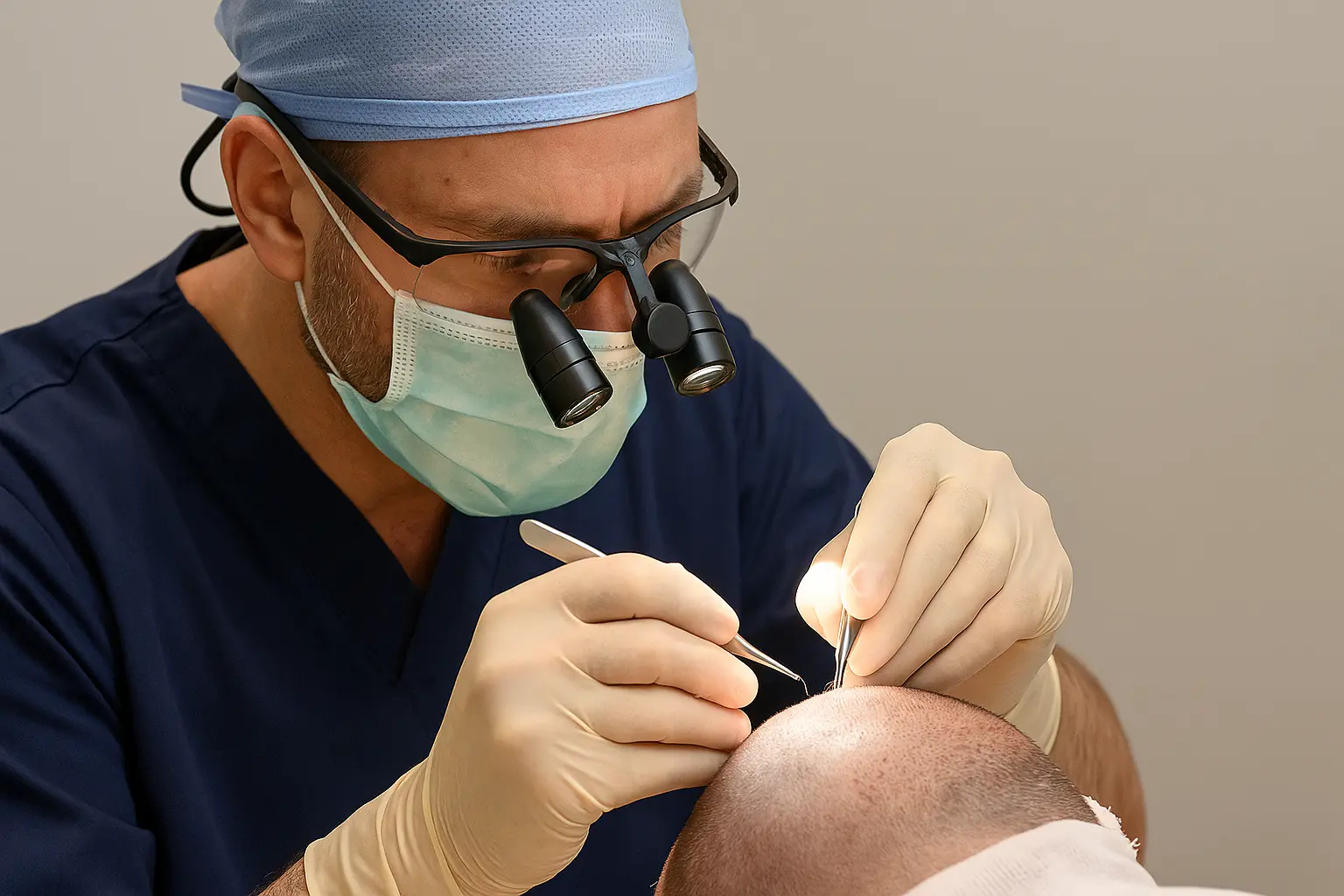
Hair transplant surgery is done using local anesthesia. This helps numb the scalp before the procedure begins. Most patients feel brief pressure or light stinging during injections, but discomfort fades once the scalp is numb.
When people ask if getting a hair transplant hurts, they are often surprised that the surgery itself is usually well-tolerated. A trained hair transplant surgeon checks comfort levels throughout the procedure.
During surgery, patients often experience:
- Local anesthesia to numb the scalp
- Pressure or movement, not sharp pain
- Ongoing comfort checks by medical staff

Does a Hair Transplant Hurt After Surgery?
After surgery, some discomfort is normal as anesthesia wears off. Patients may feel soreness or tightness in the donor area and the recipient area.
Many people asking if it hurts to get a hair transplant are really thinking about this early recovery stage. Swelling and sensitivity may occur, but these effects are usually short-lived.
Common early recovery symptoms include:
- Mild pain or tightness
- Swelling near the forehead or scalp
- Sensitivity when touching treated areas
How Long Does a Hair Transplant Hurt?
Pain after hair transplantation procedures usually follows a clear pattern. Most discomfort peaks within the first two to three days. After that, it slowly improves.
When people ask how bad a hair transplant hurts or how much it hurts, the answer depends on healing speed and care. In most cases, pain does not last long and improves within one week.
Typical pain timeline:
- Days 1–3: mild to moderate soreness
- Days 4–7: discomfort fades
- After week 1: little to no pain
@trichogenics How painful is a hair transplant? Dr Asi Peretz explains. #hairtransplant #trichogenics #hairtransplantturkey #hairtransplantsurgery #hairtransplantation #hairloss #hairlosssolutions #hairfall
♬ original sound - Trichogenics
Does a FUE Hair Transplant Hurt?
A FUE hair transplant is known as a minimally invasive option. It removes follicles one by one instead of using a strip. This often leads to less pain and faster healing than follicular unit transplant FUT.
People who ask if a hair transplant is painful often find FUE more comfortable. Follicular unit extraction FUE also leaves minor marks that heal quickly.
Key differences between methods:
- FUE uses minor, individual extractions
- FUT removes a strip from the scalp
- FUE often causes less post-surgery discomfort
Pain Management and What Patients Report
Pain management is a standard part of hair transplant care. Doctors may suggest medication, gentle washing, and rest to reduce discomfort.
Patients report that pain is usually mild and improves with proper care. Understanding hair transplant recovery helps set realistic expectations.
Common pain management steps include:
- Short-term pain relief medication
- Clear washing and care instructions
- Scheduled follow-up visits
How Long Do Hair Transplants Last?
Hair transplants are designed to support long-term results. Transplanted follicles often resist future hair loss and continue normal hair growth.
This is why many patients accept short-term discomfort. Long-lasting results depend on technique, surgeon’s skill, and patient care after surgery.
Is a Hair Transplant Worth It?
Deciding if a hair transplant is worth it depends on personal goals and health factors. Many patients weigh short-lived discomfort against long-term results. It is also essential to consider where surgery is performed.
It is also essential to consider where surgery is performed. Some patients later question whether hair transplants in Turkey are safe, especially when follow-up care is limited.
Some countries, including Turkey and other low-cost destinations, may have limited regulation and inconsistent follow-up care.
Clinics in Israel and Greece operate under stricter medical standards, which support patient safety and proper monitoring.
Clinical and Educational Context
Clinical research and patient education often focus on anesthesia use, recovery timelines, and pain management. These topics help patients understand what to expect before and after surgery.
Clear guidance and doctor-led procedures help reduce risk. Structured follow-up plays an essential role in safe recovery.
Final Notes for Readers
Hair restoration is a medical procedure, and results vary from patient to patient—factors such as hair loss pattern, health, and healing speed matter.
Doctor training, patient follow-up, and proper care all affect comfort and outcomes. Learning about pain and recovery helps patients make informed choices.
Why Choose Trichogenics?
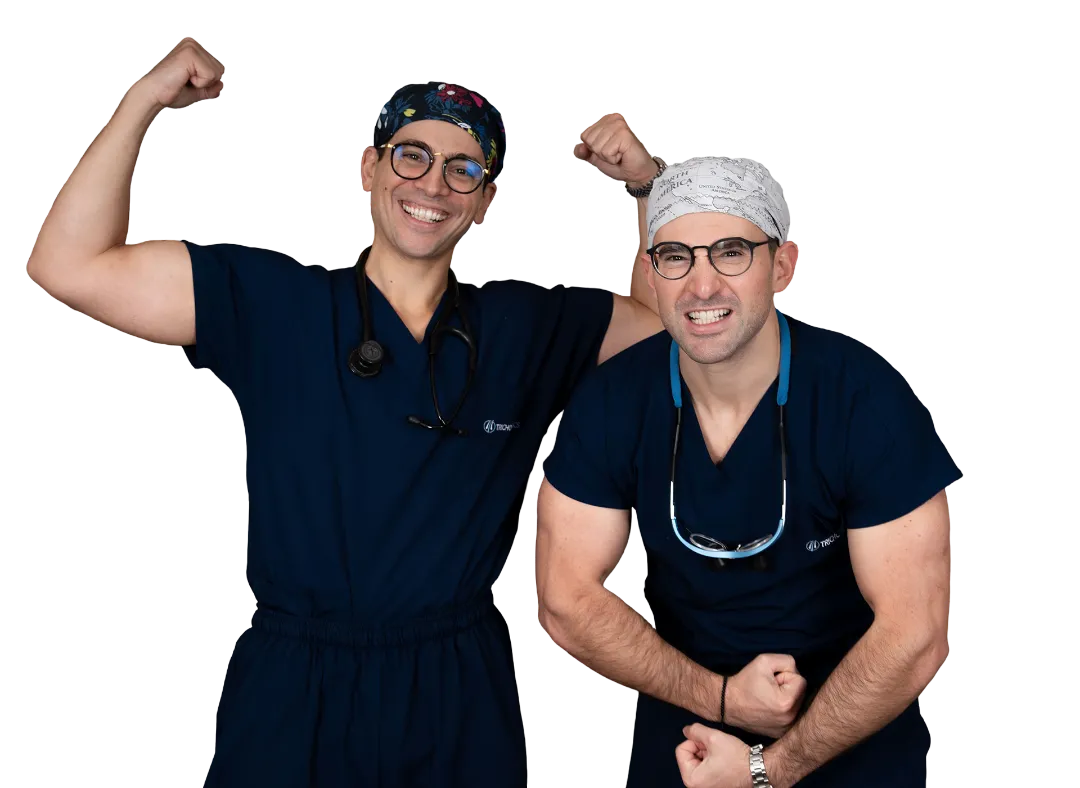
All procedures are performed only by doctors.
The uniqueness of Trichogenics lies in its strict medical process; only certified doctors perform every transplant. No technicians or unqualified assistants are involved.
Choosing a clinic with proven experience in hair transplants can make all the difference.
Meet Dr. Asi and Dr. Eric Peretz
The two doctors leading Trichogenics Dr. Asi Peretz and Dr. Eric Peretz are recognized leaders in the field. Their extensive experience, attention to detail, and focus on natural results make Trichogenics the best choice.
Celebrity Hair Transplants
Who has undergone the procedure at Trichogenics? The answer is clear: a safe, professional clinic that delivers results that look great even under camera lights.
Contact Trichogenics today to schedule a personal consultation and get a clear, doctor-led plan for your hair restoration.


