

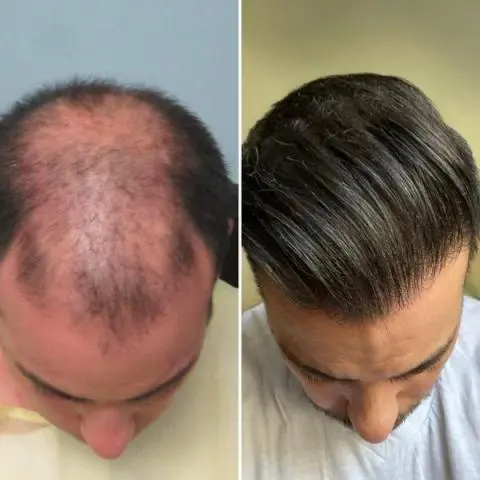
Yes, transplanted hair grows because the follicles moved from the donor area retain their original genetic resistance to hair loss. If you are asking if transplanted hair grows permanently, the answer is that it typically does, provided the grafts survive the healing process and are placed correctly.
After surgery, the newly transplanted hair often sheds within the first few weeks due to shock loss, then begins growing again over the following months.
Most patients see visible regrowth by month four and fuller density by 12 months. Understanding this timeline helps set realistic expectations before reviewing the detailed growth stages.
Key Takeaways
- Transplanted hair grows because follicles taken from the donor area keep their genetic resistance to hair loss, which answers the common question of whether hair transplant hairs grow long term.
- Most patients experience shock loss within the first few weeks, followed by gradual regrowth that becomes visible around month four and continues improving up to 12 months.
- Long-term results depend on surgical precision, proper graft handling, and structured post op care in a regulated medical setting often outlined in a hair transplant aftercare guide.
- Stable density and natural looking results are more likely when the procedure is physician-performed and supported by ongoing follow up.
Does Transplanted Hair Grow Naturally and Permanently?
Transplanted follicles maintain donor dominance, meaning hair taken from the donor site continues to behave like it did before surgery. In most patients, this results in permanent growing hair in the transplanted area.
@trichogenics Dr Eric Peretz describes the importance of being highly specific with single hair follicles. Not all single hair follicles are made equal, and it takes a lot of time, skill, and experience to ensure that only the most pristine of single hairs make it to the hairline. This is how we achieve the undetectable hair transplant. #hairtransplant #FUE #trichogenics #hairtransplantturkey #hairtransplantgreece #hairtransplantcolombia #hairloss #hairrestoration #hairtransplantsurgery #hairlosssolutions #hairfall #hairtransformation #fyp
♬ original sound - Trichogenics
However, surrounding native hair may still thin over time. This distinction explains why long term planning is part of modern hair transplant procedures.
Can Transplanted Hair Grow Long?
Yes, transplanted follicles can grow to their natural length because they keep their original growth cycle.
If hair from the back of the scalp grows long, it will do the same in the recipient area. The final hair length depends on genetics and hair characteristics. The procedure does not limit the natural growth potential.
How Long Do Hair Transplants Last?
Most transplanted follicles last decades because they are resistant to androgenetic hair loss. Clinical data from long term follow up studies show high graft survival rates beyond 10 years when performed in certified medical settings.
In a physician-performed FUE hair transplant procedure involving 2,500 follicular units, graft survival commonly exceeds 90 percent. Longevity depends on surgical precision and patient adherence to post op care.
What Happens 10 Years After a Hair Transplant?
Ten years later, transplanted hair usually remains stable, while untreated native hair may thin. Patients who had 3,000 grafts placed at age 30 may require future sessions if surrounding hair density decreases.
Structured follow up helps evaluate long term progression. This approach prevents uneven hair density and maintains a natural looking result. Patients often explore second hair transplant planning when future density changes occur.
Hair Transplant Hair Growth Timeline
The hair transplant hair growth timeline follows a biological pattern that patients should understand before surgery. Newly transplanted hair enters a resting phase after implantation.
@trichogenics Hair transplant before and after 🤩 #hairloss #trichogenics #hairtransplant #hairtransplantturkey #finasteride #minoxidil #malepatternbaldness #balding #dutasteride #hairlossremedy #minoxidil
♬ original sound - Trichogenics
This process is normal and does not indicate graft failure. Clear education reduces anxiety during recovery.
Does Transplanted Hair Grow Before Shedding?
Many patients ask if transplanted hair grows before shedding. In most cases, visible hair shafts shed within the first few weeks due to shock loss. The follicles remain alive under the skin. Regrowth begins several months later.
Weeks 1 – 4: Healing and Shock Loss
During the first month, the healing process includes mild redness and scab formation. Shock loss may occur in both transplanted and nearby native hair.
Patients must follow structured post op care instructions. Avoiding trauma to the transplanted area protects follicular units. Early shedding is part of the normal hair transplant shedding phase.
Months 2 – 4: Dormant Phase
Between months two and four, the follicles enter a temporary resting stage. There may be minimal visible change. This phase is expected after hair transplant surgery. Clinical follow up ensures graft survival remains stable.
Months 5 – 12: Visible Growth and Density
Visible regrowth typically begins around month five. Hair thickens gradually, and hair density improves through month 12. Most patients see full results at 12 months, though some continue to refine beyond that.
These stages are commonly described within the broader hair transplant phases of recovery and regrowth.
How Long Does It Take for Transplanted Hair to Grow?
Patients often ask how long it takes for transplanted hair to grow. Initial regrowth starts around three to four months, while cosmetic density appears between eight and twelve months.
In a 2,500 graft fue hair transplant, density changes become noticeable by month six. Complete maturation requires patience.
Does Transplanted Hair Grow After Shaving?
Shaving does not damage transplanted follicles once they are fully healed. The graft resides beneath the skin in the recipient area and remains secure after initial healing. Patients can resume normal grooming once cleared by their physician.
Shaving the Recipient Area
Shaving the recipient area after healing does not affect growth. The follicle remains anchored in the transplanted area. Hair will regrow normally if the graft has survived.
Shaving the Donor Area
Shaving the donor area also does not impact future growth. In fue hair transplant, small extraction sites heal with minimal scarring. Proper technique reduces overharvesting risk.
Patients who want to understand donor healing often review what happens to the donor area after hair transplant.
Is Hair Transplant Painful?
Pain perception varies, but modern hair transplant surgery uses local anesthesia to minimize discomfort. Most patients describe pressure rather than pain. Recovery discomfort is usually mild.
@trichogenics Are hair transplants painful? #trichogenics #hairtransplant #hairtransplantgreece #hairtransplantturkey #hairlosssolutions #hairtransplantation #pain #hairtransplantation #hairlossremedy #hairfallsolution #fyp
♬ original sound - Trichogenics
Pain During the Procedure
During a physician-performed procedure in a certified operating room, anesthesia blocks pain signals. A 2,500 graft case typically lasts six to eight hours. Continuous medical monitoring supports patient safety.
Recovery Discomfort
After surgery, mild swelling or tightness may occur. Symptoms often resolve within a few days. Clear instructions reduce complications.
What Affects Hair Growth and Graft Survival?
Several factors influence whether transplanted hair can grow successfully. Surgical precision, graft handling, and healing conditions play major roles. Real medical examples show that outcomes differ between regulated and high-volume settings.
In Greece, a physician-performed procedure typically costs USD 3,500 – 6,000 for 2,500 grafts, including anesthesia, physician fees, certified operating room use, and structured follow up.
In Israel, similar pricing applies with strict medical oversight. In contrast, high-volume clinics in Turkey may advertise USD 1,800 – 2,800, where technicians perform much of the procedure and physicians supervise multiple patients per day.
Fewer hours per case and limited follow up can increase risk of overharvesting or low graft survival.
Surgical Technique and Doctor Precision
Modern methods include:
- FUE hair transplant for individual follicular unit extraction
- DHI using a Choi pen implantation device
- Sapphire FUE for refined incisión control
In physician-led settings, graft angle and density planning are performed by licensed doctors. This approach improves natural looking results and reduces trauma.
Post-Op Care and Healing
Structured follow up includes:
- Scheduled evaluations during the first month
- Monitoring for infection or excessive shock loss
- Guidance on washing and activity
Consistent monitoring supports healthy hair regrowth.
Hair Characteristics and Density
Hair thickness, curl pattern, and donor area strength influence outcome. Patients with strong donor site density often achieve better coverage with 2,500 – 3,000 grafts. Thin donor reserves may limit density goals.
When to Contact Your Doctor
Patients should contact their physician if they notice:
- Persistent redness beyond several weeks
- Sudden swelling or pain
- Lack of regrowth after 6 – 8 months
Early evaluation protects long term graft survival.
A hair transplant can produce stable growing hair when performed under proper medical standards. Patients should evaluate who performs the procedure, how many cases are treated per day, and whether structured follow up is included.
Clinics operating in regulated environments such as Greece and Israel follow established medical frameworks, while some high-volume markets abroad may operate with fewer safeguards.
Careful planning and physician oversight remain central to achieving reliable full results and maintaining healthy hair over time.
Why Choose Trichogenics?
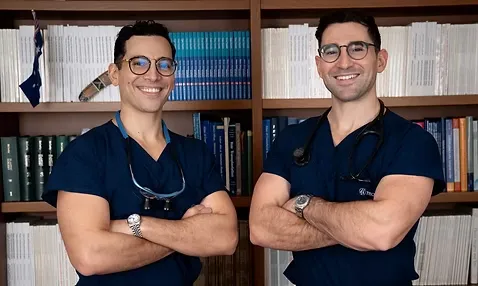
All procedures are performed only by doctors
The uniqueness of Trichogenics lies in its strict medical process; only certified doctors perform every transplant. No technicians or unqualified assistants are involved. Choosing a clinic with proven experience in hair transplants can make all the difference.
Meet Dr. Asi and Dr. Eric Peretz
The two doctors leading Trichogenics, Drs. Asi and Eric Peretz are recognized leaders in the field. Their extensive experience, attention to detail, and focus on natural results make Trichogenics the best choice.
Contact Trichogenics today to schedule a personal consultation and get a clear, doctor-led plan for your hair restoration.


