

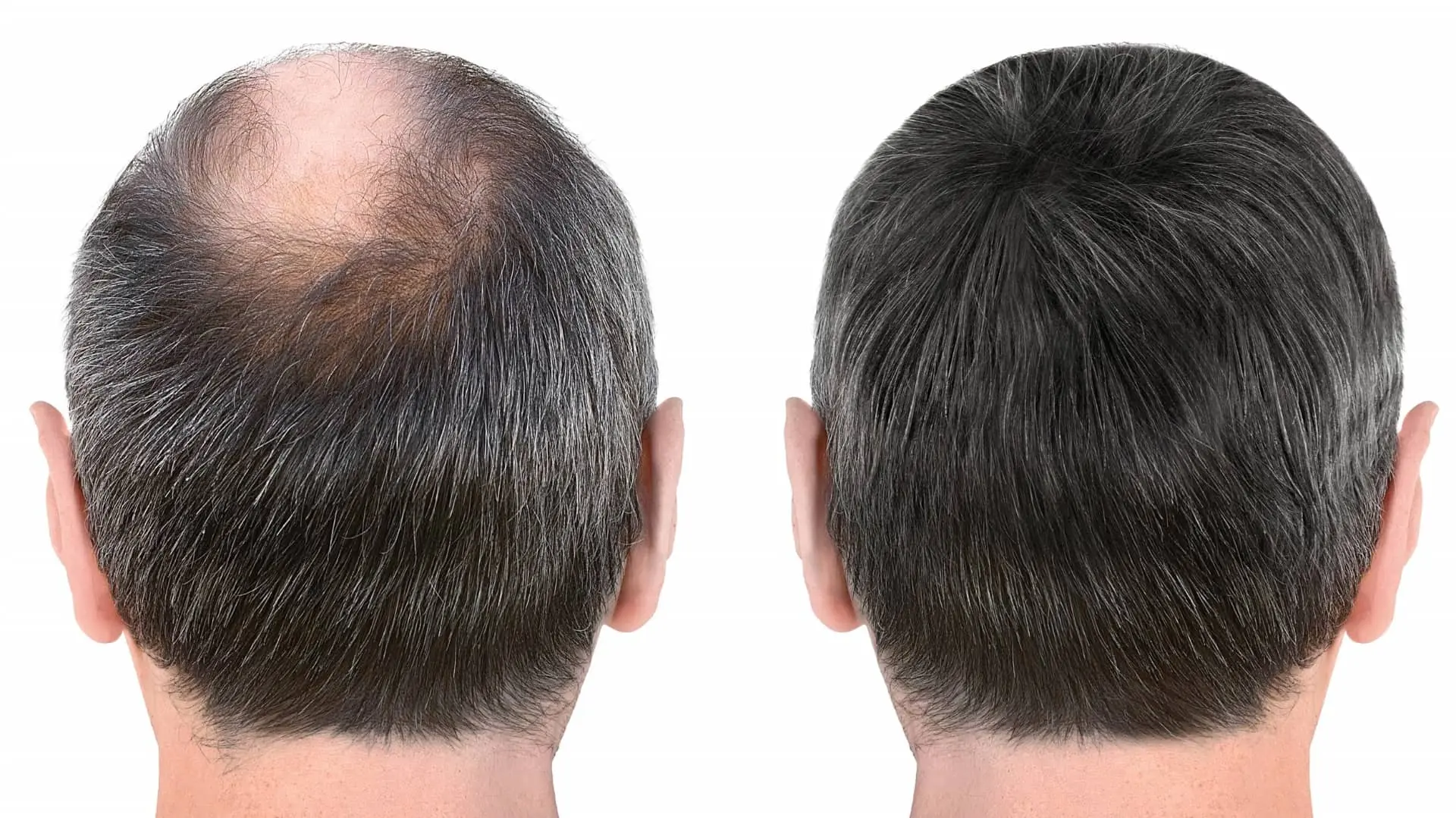
Yes, dutasteride can cause temporary hair shedding, especially during the first few months of treatment. This effect happens because the medication lowers DHT levels, which shifts the hair follicle into a new growth cycle.
Dutasteride shedding is often part of this reset process and does not usually mean the treatment is failing. In many cases, shedding slows as the follicles stabilize and begin producing thicker hair. Understanding this timeline helps patients stay consistent and avoid stopping treatment too early.
Key Takeaways
- Dutasteride can cause temporary shedding during the first months of treatment because lower DHT levels shift weakened hair follicles into a new growth cycle.
- Most dutasteride shedding begins within 4 – 12 weeks and usually stabilizes by 3 – 6 months, with visible regrowth often appearing after 6 – 12 months.
- Temporary shedding is different from potential side effects such as decreased libido or other hormonal changes, which should be reviewed with a physician if they persist.
- Consistent dosing, medical supervision, and realistic expectations are essential to evaluate progress and decide whether medication alone or surgical hair restoration is appropriate.
Does Dutasteride Cause Hair Shedding?
Dutasteride for hair loss lowers DHT levels. DHT plays a major role in male pattern hair loss and androgenetic alopecia.
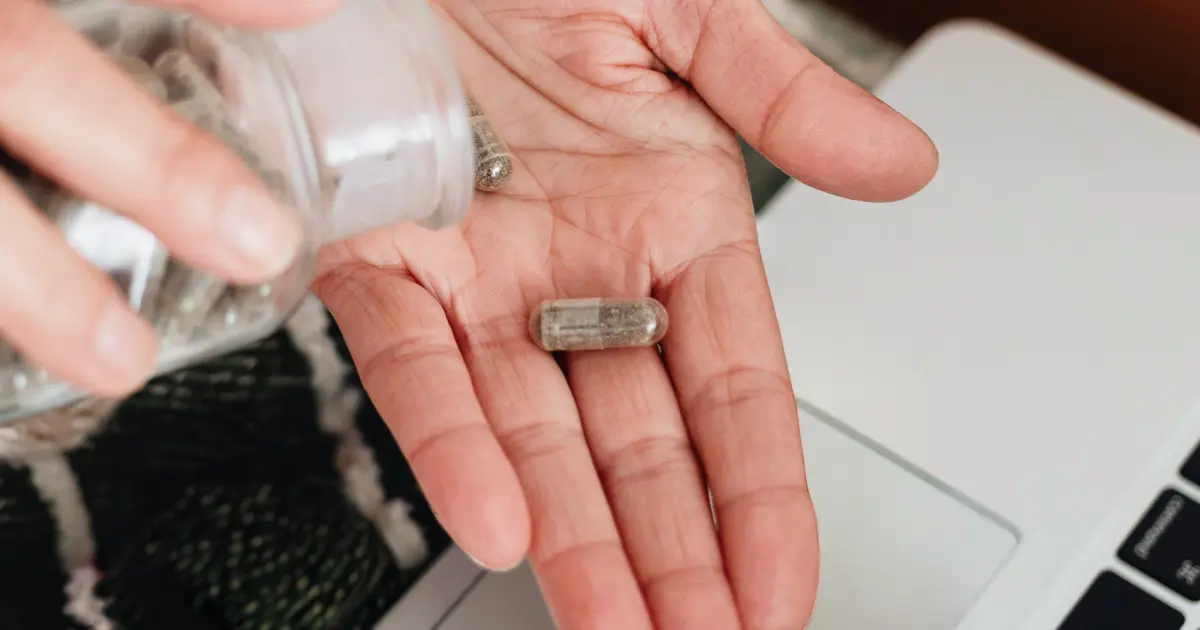
Dutasteride belongs to a group of drugs called 5-alpha reductase inhibitors. These drugs block the enzyme that turns testosterone into DHT, similar to what is discussed in dutasteride for hair loss treatment guides.
When DHT levels fall, weak follicles begin to recover. During this change, older thin hairs may fall out.
Many patients ask, does dutasteride cause hair shedding because they notice more hair in the shower. In most cases, this shedding is part of the reset process.
The hair follicle moves from a weak growth phase into a stronger one. This shift can release thin hairs before thicker hairs grow in. A similar pattern happens with finasteride and dutasteride during early use.
Why the Shedding Phase Happens
Hair grows in cycles. These cycles include growth, rest, and shedding phases. Dutasteride changes the hormone balance in the scalp. This change can push weak hairs out sooner.
Lower DHT levels reduce follicle shrinkage. As follicles recover, they drop damaged hairs. This is common in active androgenetic alopecia and early stages such as Norwood 2 hair transplant classifications.
How Much Shedding Is Normal?
Most adults lose 50 – 100 hairs each day. During dutasteride shedding, that number may rise for a short time. Some people may see 100 – 150 hairs per day.
Short-term increase is common. Large bald patches or heavy clumps are not. Shedding that lasts longer than six months should be checked by a doctor, especially in cases resembling diffuse thinning hair transplant patterns.
Dutasteride Shedding Timeline and Regrowth
Knowing the timeline helps reduce stress. Most shedding starts within the first 4 – 12 weeks after starting oral dutasteride or topical dutasteride.
@trichogenics Finasteride or Dutasteride what do these medications do? And should you be using them for hairloss? Dr Asi Peretz, American Board of Hair Restoration Surgeons winner of the James E Arnold award, explains. #finasteride #dutasteride #minoxidil #trichogenics #hairtransplant #hairtransplantgreece #hairtransplantturkey #hairloss #hairfall #fyp #hairlosssolutions #hairtransplantation
♬ original sound - Trichogenics
When Shedding Starts and Peaks
Shedding often begins around week 6. It may peak between months 2 and 4. The amount varies from person to person.
People who switch from finasteride to dutasteride may notice a second shedding phase. Switches from finasteride to dutasteride can restart the hair cycle because dutasteride lowers DHT more strongly.
How Long Is Dutasteride Shedding?
For many patients, shedding slows by month 3 – 6. Regrowth may begin after shedding stabilizes. Staying consistent with the medication is important.
Stopping early can raise DHT levels again. This may undo early gains and affect longer-term expectations similar to those discussed in 1 year dutasteride results before and after.
How Long Does Dutasteride Take to Grow Hair Back?
Early stability often appears within 3 – 6 months. Clear regrowth usually takes 6 – 12 months. Some patients continue to improve after one year.
Results depend on age, genetics, and how long hair loss has been present.
Dutasteride Shedding After 1 Year
Shedding after one year is less common. It may mean hair loss is still active. A doctor can check scalp health and DHT levels. In advanced progression such as Norwood 5 stages, medication alone may not be sufficient.
Before and After Expectations
Before treatment, hairs may look thin and short. After steady DHT control, some hairs grow thicker. Not all follicles fully recover. Results vary between patients.
Managing Dutasteride Shedding
Clear guidance helps patients stay calm and consistent.
What Helps During the Shed
Helpful steps include:
- Take the medication daily as prescribed
- Avoid stopping without medical advice
- Track progress with photos
- Discuss other hair loss treatments with a doctor
Structured follow-up improves monitoring.
Adherence, Missed Doses, Switching
Missing doses can weaken DHT control. Do not double the next dose if you forget one. Speak to a doctor before changing the plan.
Dutasteride was first approved to treat benign prostatic hyperplasia BPH and to treat benign prostatic hyperplasia symptoms. It stays in the body for a long time. Regular use helps maintain stable hormone levels.
Dutasteride Shedding Side Effects and Warning Signs
It is important to separate shedding from side effects.
Temporary Shedding vs Side Effects
Shedding relates to the hair cycle. Potential side effects affect the body more broadly. Common side effects of dutasteride may include breast tenderness and decreased libido.

Pregnant women should not handle broken capsules. Dutasteride can affect male fetuses.
Long-Term Side Effects and Libido
Long term side effects are still being studied. Some men report decreased libido or mild sexual changes. These potential risks should be discussed before treatment.
Both oral dutasteride and topical dutasteride can enter the bloodstream, though oral use has higher absorption. Medical supervision helps reduce uncertainty.
When to Seek Medical Evaluation
Contact a doctor if you notice:
- Rapid patchy hair loss
- Severe scalp redness or pain
- Shedding that continues past 9 – 12 months
- Symptoms that affect daily life
Early review helps clarify the cause.
Dutasteride vs Finasteride Shedding
Finasteride and dutasteride both treat male pattern hair loss. They differ in strength.
Differences in DHT Suppression
Dutasteride blocks two forms of 5-alpha reductase. Finasteride blocks mainly one. Dutasteride can reduce DHT levels by more than 90 percent. Finasteride lowers DHT by about 60 – 70 percent.
Stronger DHT reduction may lead to more noticeable early shedding.
Who Benefits From Switching
Some patients who see limited progress with finasteride may consider switching. Switches from finasteride to dutasteride should happen under medical care. Not all patients respond the same way.
Clinical Considerations in Hair Restoration
Medication can slow hair loss, but advanced cases may need surgery. Modern procedures include FUE hair transplant and DHI techniques. Some surgeons use a Choi pen for precise implantation angle and depth.
In Greece, a physician-performed FUE procedure for 2,500 grafts often costs USD 3,500 – 6,000. This usually includes the surgeon’s fee, anesthesia, graft placement, and structured follow-up visits.
In Turkey, high-volume clinics may charge USD 1,800 – 2,800, but technicians may perform much of the work with limited direct physician time.
Price differences often reflect:
- Who performs the extraction and implantation
- How many patients are treated per day
- Time spent on hairline planning
- Level of operating room supervision
When one surgeon treats fewer patients per day, there is more time for graft placement and angle control.
In settings with limited regulation, oversight may vary. Patients traveling abroad should verify licensing and supervision standards before scheduling surgery.
Trichogenics operates in Greece and Israel within regulated medical systems. Procedures are doctor-led and include structured follow-up. Careful planning reduces the risk of overharvesting and supports natural hairline design.
Final Perspective
Dutasteride shedding is usually a short-term phase linked to falling DHT levels and follicle reset. Most patients see stabilization within months. Regrowth takes time and varies between individuals.
Medical supervision improves safety and helps patients make informed decisions about medication or surgery.
Why Choose Trichogenics?

All procedures are performed only by doctors
The uniqueness of Trichogenics lies in its strict medical process; only certified doctors perform every transplant. No technicians or unqualified assistants are involved. Choosing a clinic with proven experience in hair transplants can make all the difference.
Meet Dr. Asi and Dr. Eric Peretz
The two doctors leading Trichogenics Drs.Asi and Eric Peretz are recognized leaders in the field. Their extensive experience, attention to detail, and focus on natural results make Trichogenics the best choice.
Contact Trichogenics today to schedule a personal consultation and get a clear, doctor-led plan for your hair restoration.


